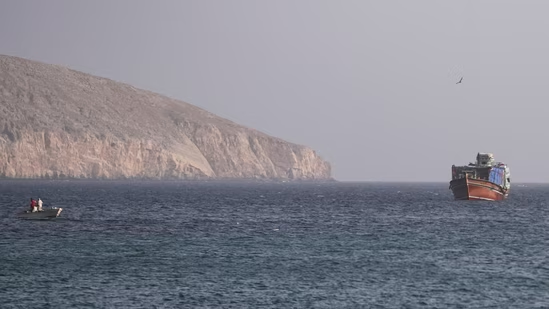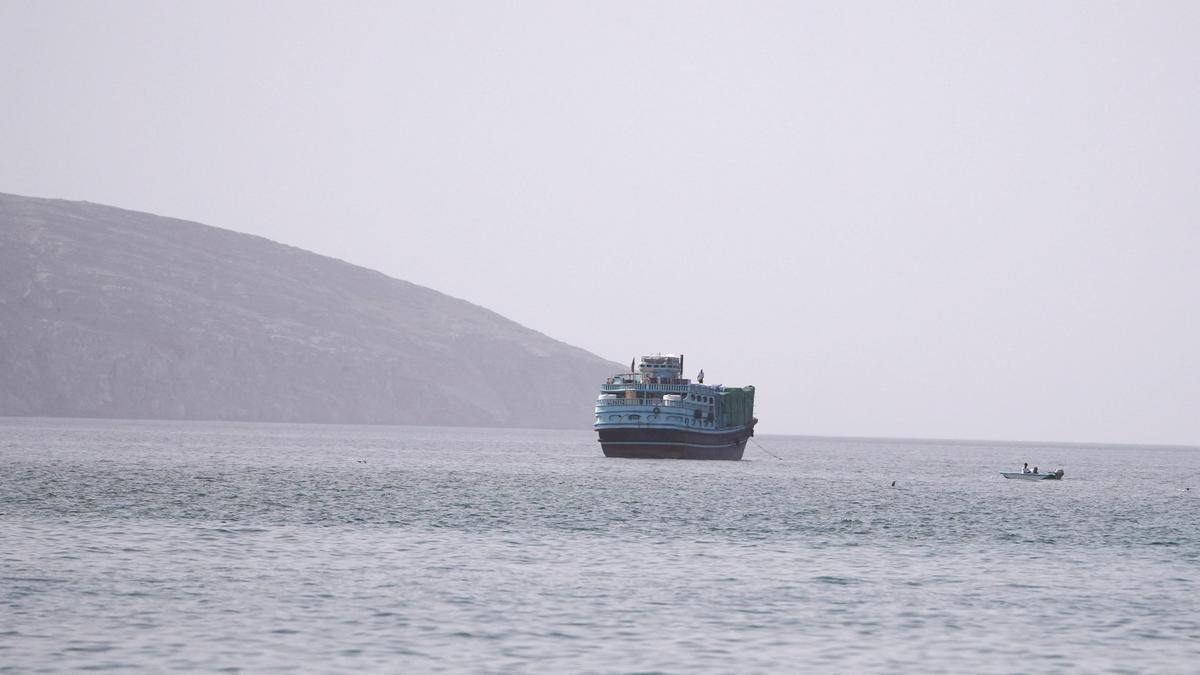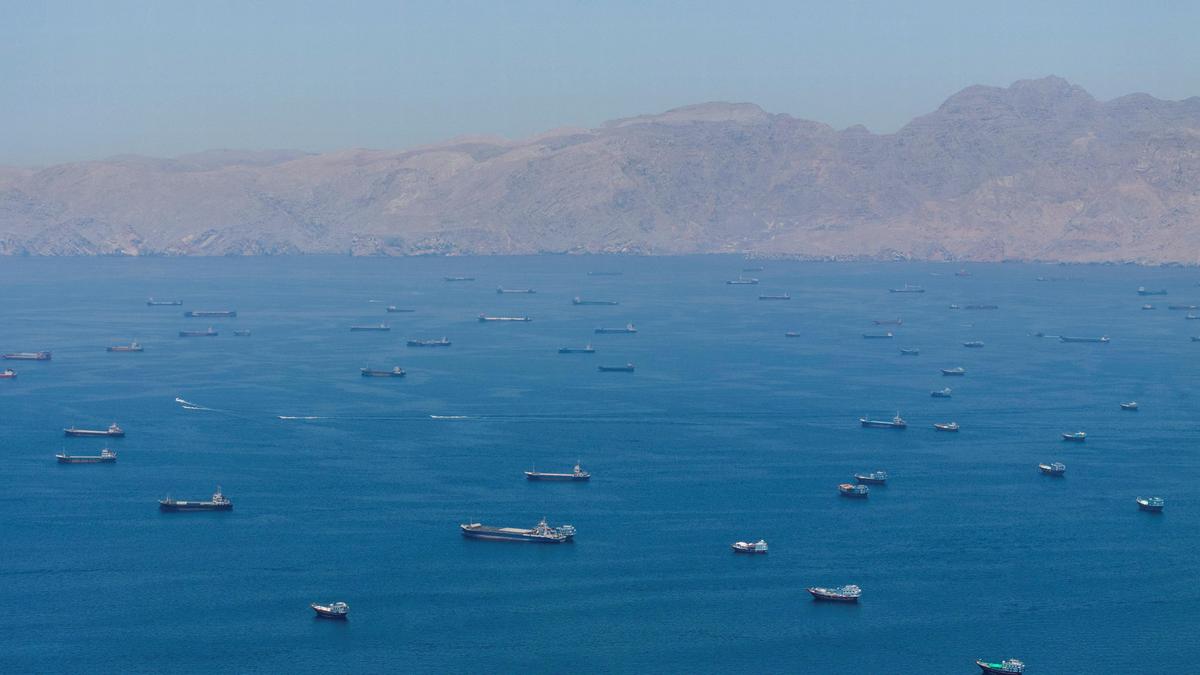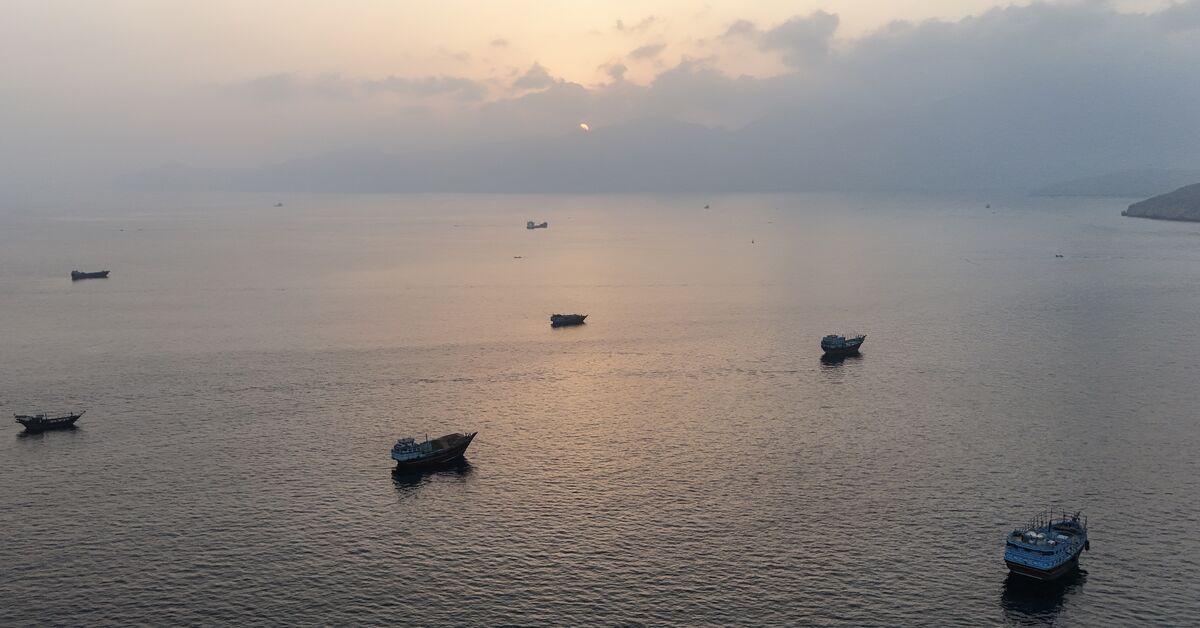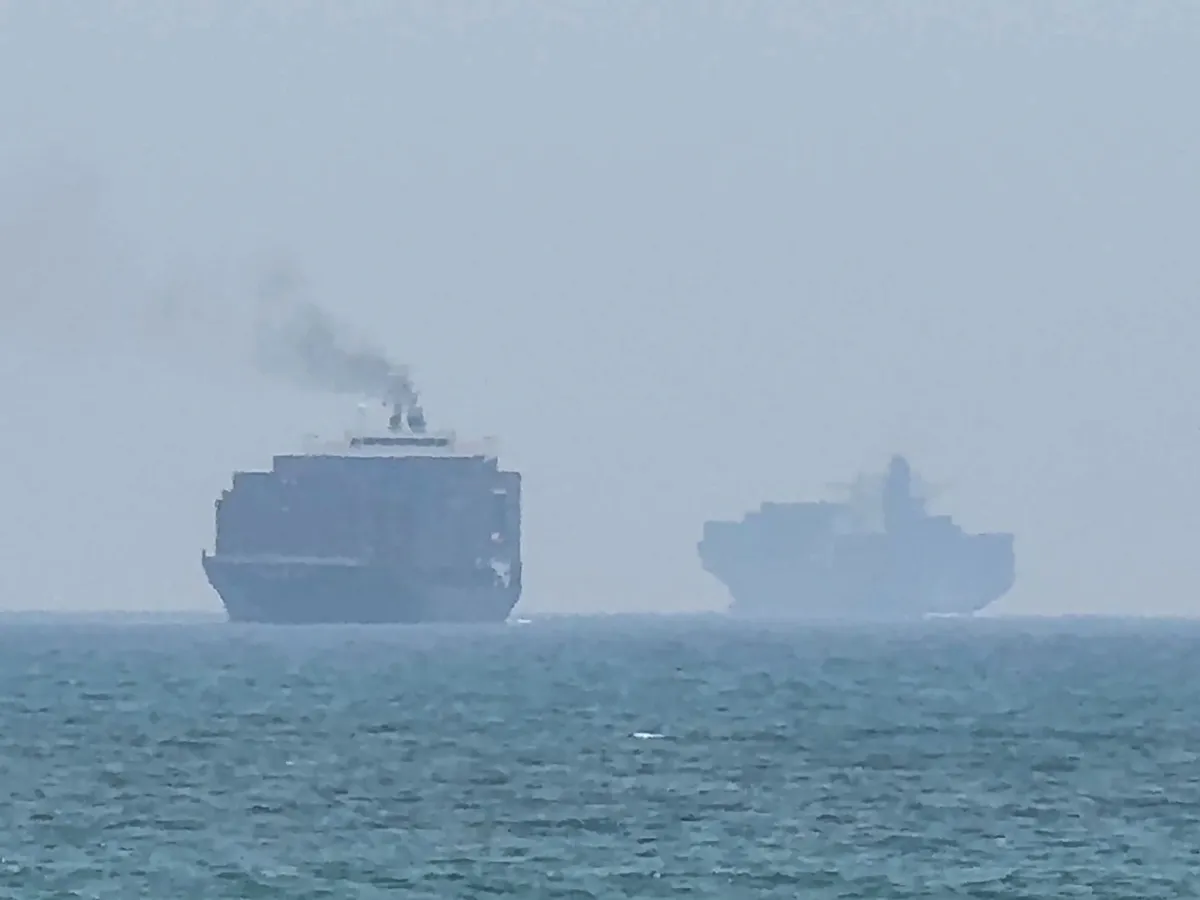
Skip to Content News Archives Economy Energy Oil & Gas Renewables Electric Vehicles Mining Commodities Agriculture Real Estate Mortgages Mortgage Rates Finance Banking Insurance Fintech Cryptocurrency Work Wealth Smart Money Wealth Management Investor Personal Finance Family Finance Retirement Taxes High Net Worth FP Comment Executive Women Puzzmo Newsletters Financial Times Business Essentials More Innovation Information Technology FP500 Podcasts Small Business Lives Told Tails Told Shopping Financial Post Store Obituaries Place a Notice Advertising Advertising With Us Advertising Solutions Postmedia Ad Manager Sponsorship Requests Classifieds Place a Classifieds ad Working Profile Settings My Subscriptions Saved Articles My Offers Newsletters Customer Service FAQ News Economy Energy Mining Real Estate Finance Work Wealth Investor FP Comment Executive Women Puzzmo Newsletters Financial Times Business Essentials HomeCommoditiesEnergyOil & GasHormuz traffic near standstill as U.S.-Iran hostilities escalateA Marshall Islands-flagged bulk carrier was among the few vessels that appeared to attempt a transitAuthor of the article:Last updated 43 minutes ago You can save this article by registering for free here. Or sign-in if you have an account.This frame grab taken from AFPTV video footage on July 12, 2026 shows cargo ships anchoring near the Strait of Hormuz off the eastern coast of the United Arab Emirates at Khor Fakkan. Tehran announced it was closing the Strait of Hormuz on July 12 and launched missiles and drones at its Gulf neighbours, in retaliation for new US strikes following an attack by Iranian forces on a merchant vessel that was abandoned in flames by its crew. Photo by AFPTV / AFP via Getty ImagesVisible traffic through the Strait of Hormuz appeared at a near standstill Monday after Iran targeted vessels in the narrow waterway as the U.S. continued its wave of strikes on the Islamic Republic.Subscribe now to read the latest news in your city and across Canada.Exclusive articles from Barbara Shecter, Joe O'Connor, Gabriel Friedman, and others.Daily content from Financial Times, the world's leading global business publication.Unlimited online access to read articles from Financial Post, National Post and 15 news sites across Canada with one account.National Post ePaper, an electronic replica of the print edition to view on any device, share and comment on.Daily puzzles, including the New York Times Crossword.Subscribe now to read the latest news in your city and across Canada.Exclusive articles from Barbara Shecter, Joe O'Connor, Gabriel Friedman and others.Daily content from Financial Times, the world's leading global business publication.Unlimited online access to read articles from Financial Post, National Post and 15 news sites across Canada with one account.National Post ePaper, an electronic replica of the print edition to view on any device, share and comment on.Daily puzzles, including the New York Times Crossword.Create an account or sign in to continue with your reading experience.Access articles from across Canada with one account.Share your thoughts and join the conversation in the comments.Enjoy additional articles per month.Get email updates from your favourite authors.Create an account or sign in to continue with your reading experience.Access articles from across Canada with one accountShare your thoughts and join the conversation in the commentsEnjoy additional articles per monthGet email updates from your favourite authorsSign In or Create an AccountorA Marshall Islands-flagged bulk carrier was among the few vessels that appeared to attempt a transit, turning off its transponder while approaching the strait near Oman from the Persian Gulf, according to ship-tracking data. A liquefied petroleum gas carrier that’s been marked as being part of the dark fleet involved in Iranian exports also appeared to approach the strait.Another bulk carrier that’s registered with Marshall Islands began signaling from the Gulf of Oman after indicating that it was in the Persian Gulf early Sunday, suggesting that it had crossed Hormuz with its transponder off.On Sunday, the Islamic Revolutionary Guard Corps issued a statement that four vessels switched off their transponders and attempted to transit Hormuz via an “unsafe route” after disregarding warnings. Two were “met with accidents and were stopped in their tracks,” Iranian media reported, citing the IRGC.The U.K. Maritime Trade Operations said it had a received a report of an incident northwest of Kumzar, Oman, in which a vessel was on fire after being struck by an unknown projectile. The blaze hasn’t been extinguished and the ship is adrift, UKTMO said in a statement, without identifying the vessel.The targeting of vessels will likely raise fresh concerns over the safety of ships transiting Hormuz while hugging the Omani coast — often with their transponders switched off, and at times with U.S. military support. Iran has approved a route further to the north that runs close to its coastline.One of the ships possibly targeted by Iran could be the oil tanker Kavomaleas, which started signalling that it was anchored near the tip of Oman’s Musandam Peninsula on Monday. The previous broadcast from the vessel was in the Gulf of Oman early Sunday, suggesting the ship had been transiting through the strait into the Persian Gulf with its transponder turned off.Greece’s Dynacom Tankers Management manages Kavomaleas, and fixtures seen by Bloomberg show it was chartered to pick up a cargo in the Persian Gulf over the weekend. The company didn’t immediately respond to an emailed request for comment sent outside of business hours. Dynacom was among the first shipowners to get tankers out of the gulf with their transponders off.The flare-up in violence in the Middle East has raised concerns about deepening disruptions to crucial energy flows — including liquefied natural gas — from the Persian Gulf to global customers. Oil and European gas prices jumped on Monday after the weekend attacks before paring gains.With assistance from Yongchang Chin Join the Conversation This website uses cookies to personalize your content (including ads), and allows us to analyze our traffic. Read more about cookies here. By continuing to use our site, you agree to our Terms of Use and Privacy Policy.
Hormuz traffic near standstill as U.S.-Iran hostilities escalate
Visible traffic through the Strait of Hormuz appeared at a near standstill Monday after Iran targeted vessels in the waterway. Read more.
966 words~4 min read