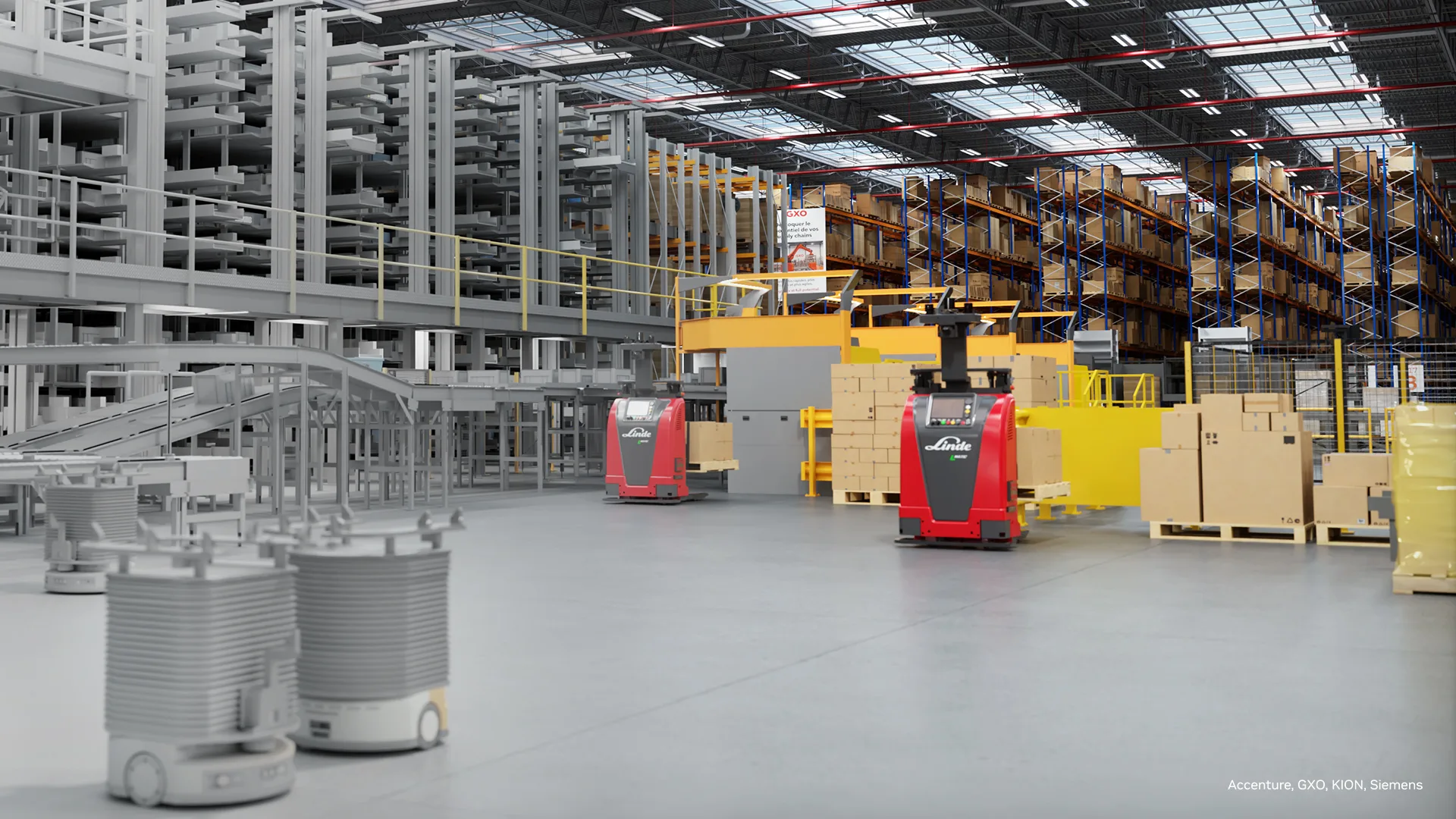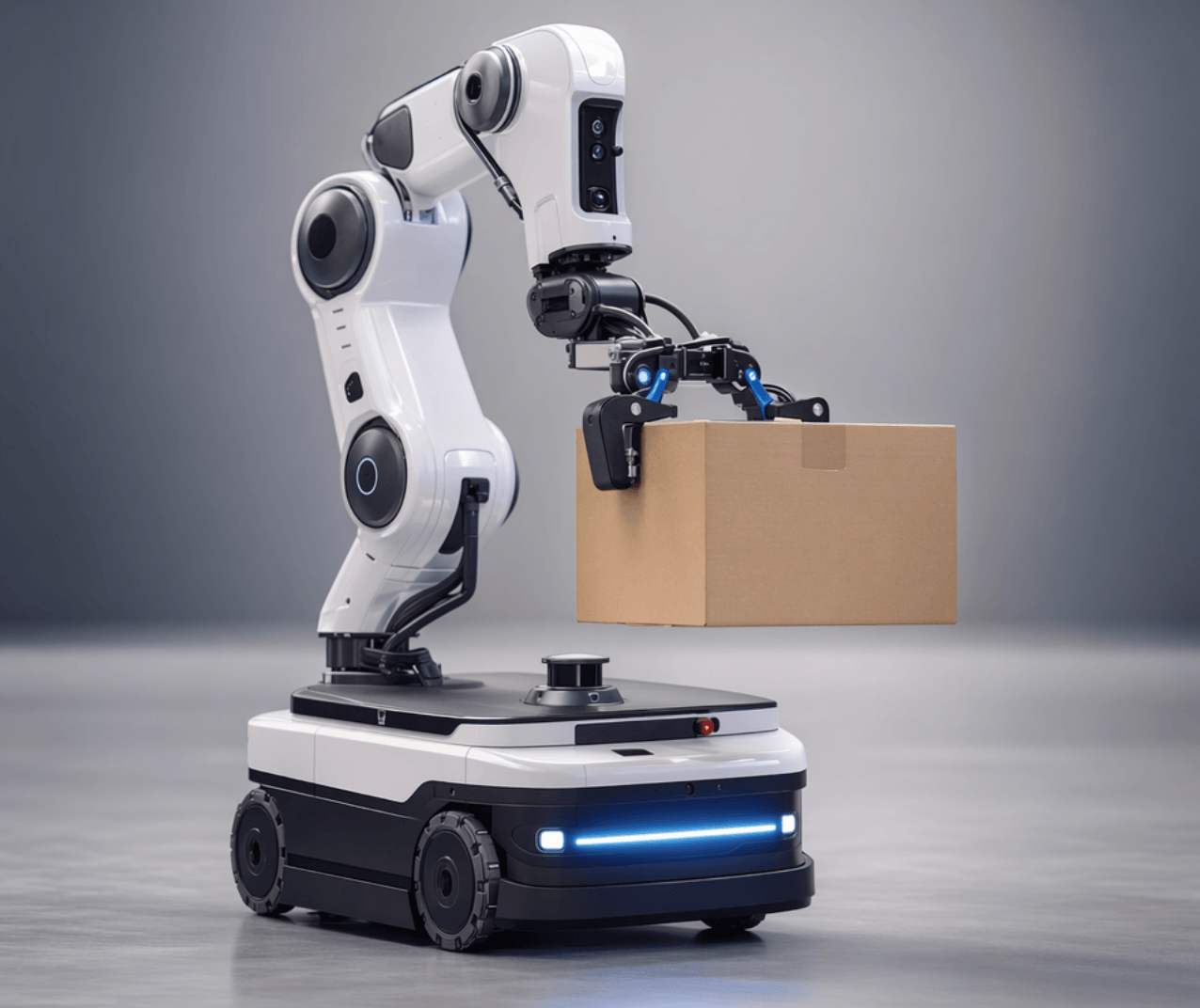
Physical AI today involves systems that perceive, reason, and act in the physical world through sensors, models, control software, and actuators. Unlike software-only AI systems, its outputs can directly affect real environments. This means evaluation must account for latency, uncertainty, safety, feedback loops, hardware constraints, and physical failure modes.
DimensionSoftware only AIPhysical world AIInput dataText, tabular data, clicks, logsCamera frames, LiDAR point clouds, depth maps, IMU readings, force sensorsOutput typeA score, a label, generated text, a recommendationA trajectory, a torque command, a grasp pose, a steering angleFailure modeWrong answer, bad recommendation, hallucinated textCollision, missed grasp, late braking, unstable motionEvaluationOffline metrics, A/B tests, held out datasetsSimulation benchmarks, real world trials, safety interventions, long tail scenario testingDeployment surfaceCloud servers, browsers, APIsEdge compute, embedded controllers, real time operating systems
A more concrete look at the same loop, as pseudocode for a closed-loop agent, looks something like this:
How Weights & Biases fits into a physical AI workflow