Home
Storia in 1 fonti
An introduction to Physical AI
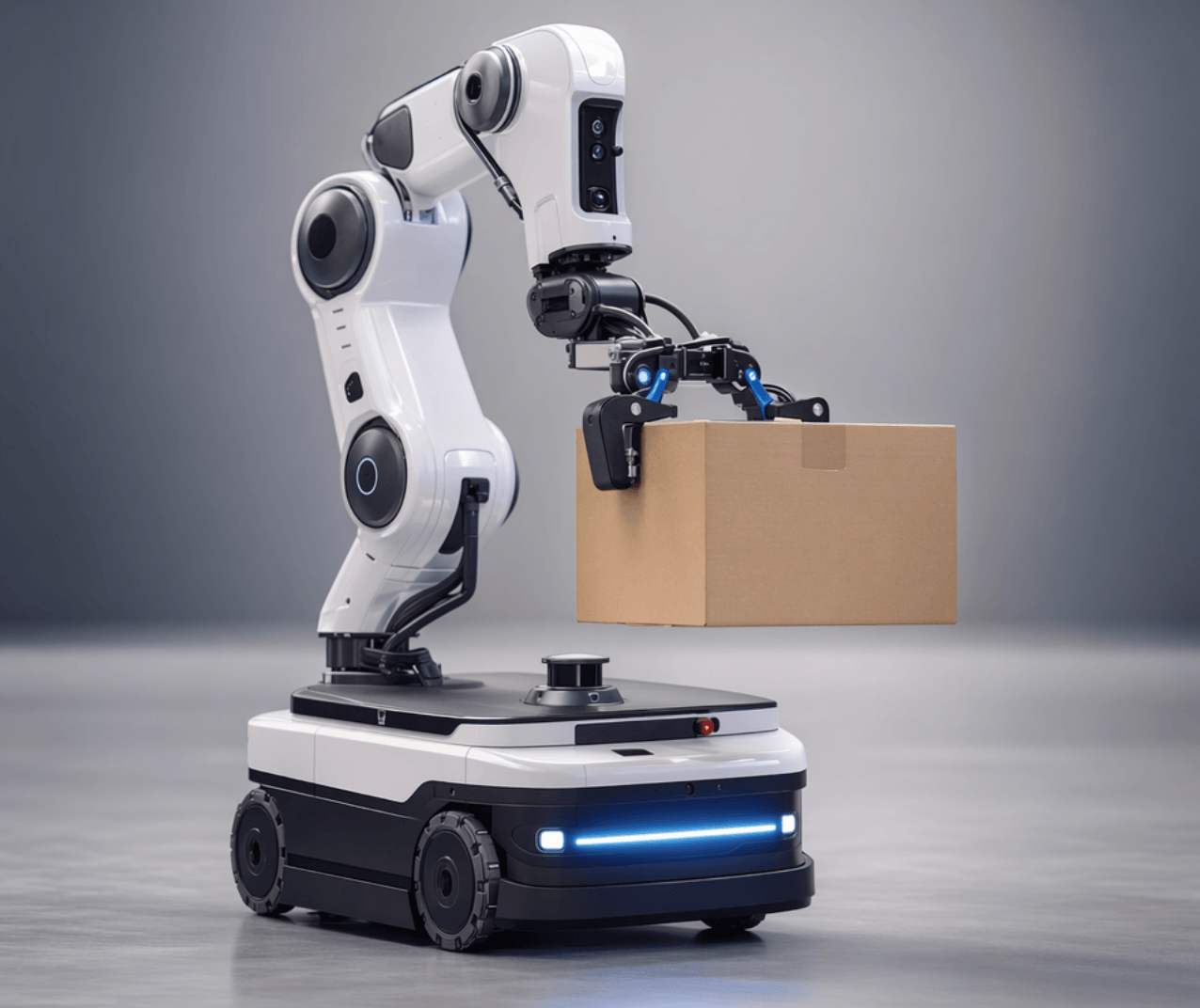
Physical AI today involves systems that perceive, reason, and act in the physical world through sensors, models, control software, and actuators. Unlike software-only AI systems, its outputs can directly affect real environments. This means evaluation must account for latency, uncertainty, safety, feedback loops, hardware constraints, and physical failure modes.
Raccontata da wandb.ai