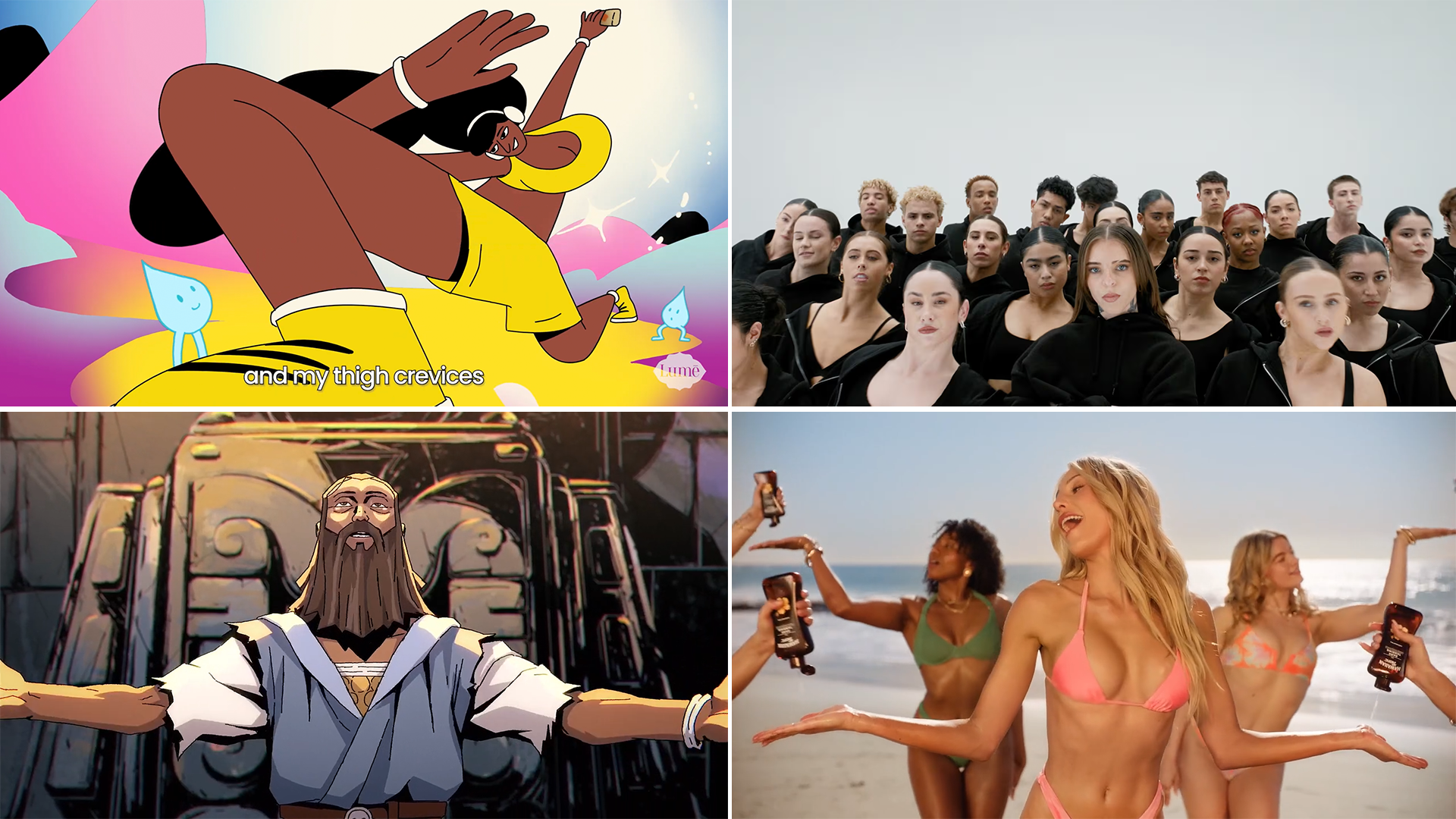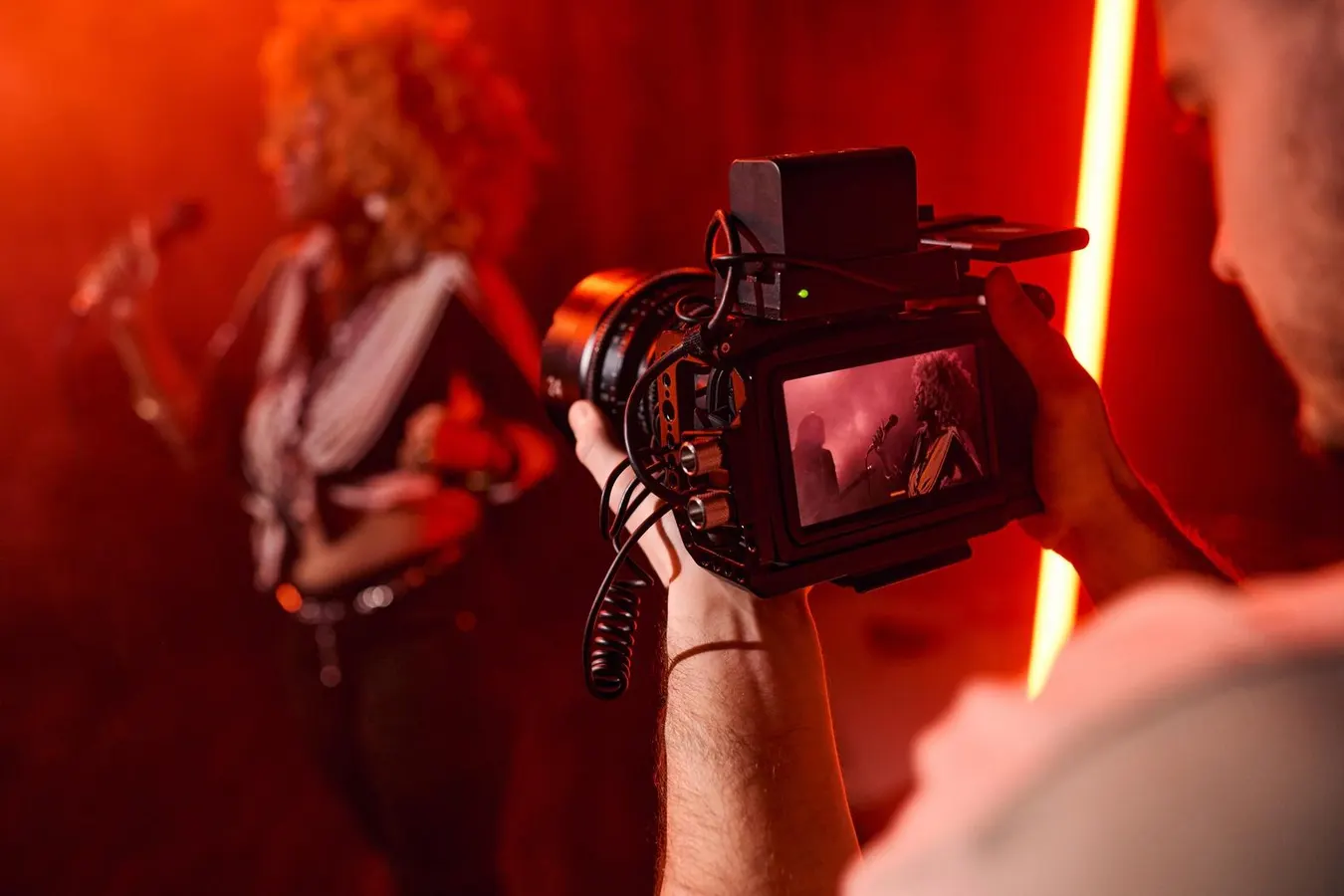
It’s been nearly 45 years since MTV launched, making music videos a part of how people experience music. The craft, messages and distribution of music videos have changed dramatically over the years, but one thing remains constant: People enjoy watching them.Through the years, marketing has intersected with music and music videos. There’s been product placement, marketing campaigns, and worth-watching-once brand sponsorships that felt like a long commercial. Today, marketers and artists are getting more sophisticated, partnering for sponsored music videos that people actually want to watch—because they don’t feel like commercials. I talked to two Vevo executives—Vice President of U.S. Sales Melissa Sofo and Vice President of Music and Talent Jordan Glickson—about this trend. An excerpt from our conversation is later in this newsletter.Until next time.This is the published version of Forbes’ CMO newsletter, which offers the latest news for chief marketing officers and other messaging-focused leaders. Click here to get it delivered to your inbox every Wednesday. Social MediagettyFriends and followers aren’t the only ones reading your social media feed. AI is paying close attention, too—and increasingly surfacing posts from different platforms into its answers. In an analysis of 300 million Google AI Overviews, BrightEdge Technologies found Facebook posts were cited in 19.5 million of them, while Instagram saw 877,000 citations. One in 15 overviews cited one of Meta’s big social networks, the research found.BrightEdge CEO Jim Yu told me AI is looking for expertise—and finding it on social platforms. Facebook tends to have a lot of information about what’s going on in a local area: businesses, deals, events, topics of interest. This social network, he said, is second only to Google as a collection of what’s happening nearby. Meanwhile, Instagram is seen as a source for information on culture. TikTok is viewed as a source for trends. And Reddit, which has been a common source of information pulled by AI from the beginning, is a source for opinions.So even though fewer people are enthusiastic about Facebook nowadays, Yu said these findings make the social network important to your strategy in a different way.“The big ‘aha’ here is you should think about: How does it play in the AI strategy, especially as it relates to … community-oriented, local-driven type of information,” he said. “You take even something like sports—things like the World Cup or where to watch specific baseball games. It clearly has volume and there’s a local community aspect, but [AI] also knows this is one of the sources of information to rely on.”AI is also pulling social media content in e-commerce situations at the bottom of the funnel, BrightEdge research found. Social media helps people find where to go to get the best deal and buy what they’re looking for. About 90% of lower-funnel Instagram citations from Google are at the purchase moments. Between 20% and 24% of these low-funnel social media citations on ChatGPT go to deals and pricing, while 85% of the social media citations on Google AI Overviews name a major retailer.Also worth mentioning: These AI citations have more to do with the information in the post than the number of followers of the account that posts it. So top influencers aren’t necessarily seeing their social posts grabbed more often than ones from smaller accounts built around local or retailer information.“It’s not just about social visibility anymore,” Yu said. “AI influence is a whole new dynamic of social that you need to pay attention to. It’s no longer just smash that ‘like’ button. It’s no longer just get that follower account up. It’s now understanding who are the social experts that are relied upon by the AI to really drive in your category the decisions and the suggestions and advice that AI is going to give to your target customer.”In The NewsA year after Cracker Barrel’s leadership was vilified online for changing the restaurant’s longtime logo to get rid of the old man leaning on a barrel, the CEO who was at the helm during the change is stepping down. On Monday, Cracker Barrel announced the departure of Julie Masino from the CEO position, effective August 10. Masino will be replaced by David Deno, the retired former CEO of Bloomin’ Brands. It’s unclear if the move was Masino’s choice.After the rebrand was announced last August—conceived as a way to make the chain seem more relevant to younger generations—right-wing influencers took to social media, deriding the rebrand as “too woke.” The company’s stock tanked, and President Donald Trump joined in on the bashing, saying Cracker Barrel should go back to the old logo and admit the company made the wrong decision—something that happened the next day.Months later, Masino said in an interview with Glenn Beck she felt she was “fired by America.” But she kept doing her job—and actually helped turn around the company’s fortunes. Cracker Barrel’s most recent quarterly report, issued last month, showed strong sales and improving customer ratings and reactions. In the earnings call, Masino said they’re leaning into value meals, a loyalty program and a partnership with Speedway Motorsports to continue momentum.On MessageRemixing The Commercial: How Marketers And Artists Are Creating And Watchable Brand Music Videos Vevo Vice President of Music and Talent Jordan Glickson and Vice President of U.S. Sales Melissa Sofo.VevoIf a person spends enough time clicking around music videos for their favorite artists online these days, they may find themselves watching some sponsored by brand-sponsored. But these aren’t the cheesy videos of yesteryear. These videos, like Gigi Perez’s take on the 1997 Green Day hit “Good Riddance (Time of Your Life)” for graduation season sponsored by Hollister, or J Balvin’s videos remembering his 1997 Volkswagen Gol for the automaker, are made to be enjoyed over and over again. I talked to Vevo’s Vice President of U.S. Sales Melissa Sofo and Vice President of Music and Talent Jordan Glickson about the trend and how it benefits brands.This conversation has been edited for length, clarity and continuity.Tell me about today’s brand music video trend.Sofo: Brands more and more are looking for unique ways to reach audiences and their consumers in an authentic way. There’s just so much noise out there. Music videos have always really been a way to connect with audiences in a very unique way. Brands are collaborating more and more in that way so that they can reach those consumers and create more content that those consumers can enjoy, and then benefit from the halo effect of being associated with that video.Glickson: We’ve seen some form or another of this for some time, but it wasn’t done as intelligently as it is now. We’ve seen some videos over the years where brands partnered with artists that really did feel like a commercial. Maybe they made a splash that first day, but no one was going back to rewatch them because it felt like you were just watching a commercial over and over. Brands and artists are working together now to make truly interesting content that is both authentic to the artist and the brand, and entertaining to the viewer. We’ve seen ones in the past over the years that truly just felt like four-minute commercials set to music. That’s not what’s happening now. Now, it’s truly a creative collaboration that’s just as entertaining as any other music video this artist is making, but natively is integrating a brand.How do these videos help brands?Sofo: More and more, we’re seeing brands wanting to align with artists for an extended period of time, and we’ve built products to allow them to do that. They’re really leaning into that because where it’s authentic, the audiences want to follow that content.We’re seeing full-funnel impact happening, and obviously advertisers are looking for outcomes on top of the connectivity that they’ll have with those audiences. We see across brand awareness, all the way down the funnel to purchase intent, that our campaigns really do deliver—anywhere from 8 to 14 is our normal increase in benchmarks. Our clients are looking for outcomes as they want their media spends to work harder for them, and we’ve been finding resoundingly that alignment with our artists has really helped move that needle.Glickson: We’ve seen for years that no one sets cultural trends like musicians. And so for a brand to be affiliated with those artists in that authentic way, [an audience can] see that brand in a new way.The other thing is people watch music videos over and over and over again. It’s one of the few mediums people constantly come back to. You’re not getting the consumer one time just when the video premieres. When it’s done well, people are watching these branded music videos just as much as they’re watching the standard music videos, which is 10, 20, 100 times. They’re not mentally separating the branded music video from the regular music video. It’s just a music video from that artist and a song they love, and they keep coming back to it time and time again.What advice would you give to a CMO that wants to make these kinds of music videos?Glickson: It’s making sure as a brand you’re aligning with an artist that makes sense. It’s very easy to say, ‘Who’s the hottest artist in the world right now? That’s who we want to align with.’ But that’s not always the right one. Who’s the one that you can build a relationship with? Some of these brands and artists, their relationships go on for 10, 15, 20 years if it’s seamless and makes that much sense. It’s about taking the time to think about who you’re trying to reach both short-term and long-term, and who’s the artist that can get you there and building that everlasting partnership.Sofo: It’s identifying what is important to that brand and how to marry that brand with the artists. It’s identifying what it is they want to achieve, and marrying that with the right content for a longstanding partnership, not a one-off. That’s where you get the full effect that’ll bring results for years to come.Comings + GoingsHome improvement and building products manufacturer Masco Corporation appointed Brad Hiranaga as its first chief marketing officer. Hiranaga joins the company from Marriott International, where he worked as senior vice president of global brand, experience and design, and he was named to the Forbes Entrepreneurial CMO list in 2024.Transportation services firm Landstar System tapped Bill Clement to be its vice president and chief commercial officer, effective August 1. Clement steps into the role from CRST, where he worked as group president and chief strategy officer, and he also worked in leadership for the CSX Corporation prior to that.Data center provider Vantage Data Centers hired Ed Harnaga as chief marketing and communications officer. Harnaga previously worked for Pfizer as senior vice president and chief communications officer, and has also worked in leadership for FTI Consulting.Strategies + AdviceThe FIFA World Cup brought its share of excitement, both on and off the soccer pitch. Here are six lessons that marketers can take away from the non-game moments that defined the tournament.The cinema industry is in the midst of a revival because Gen Z loves going to the movies. The newest adult generation’s love for collective experiences shows there could be new opportunities in experiential marketing and making community connections.QuizWhich billionaire first posted on social media this week to respond to a story they disliked about their company’s succession?A. L’Oreal heiress Francoise Bettencourt MeyersB. Zara founder Amancio OrtegaC. Walmart heiress Alice WaltonD. LVMH CEO Bernard ArnaultSee if you got it right here.
Marketing Meets Music: How Brands Are Striking The Perfect Melody
Also in the Forbes CMO newsletter: How AI uses social media posts, Cracker Barrel CEO behind controversial rebrand departs, marketing lessons from the FIFA World Cup.
1,916 words~9 min read