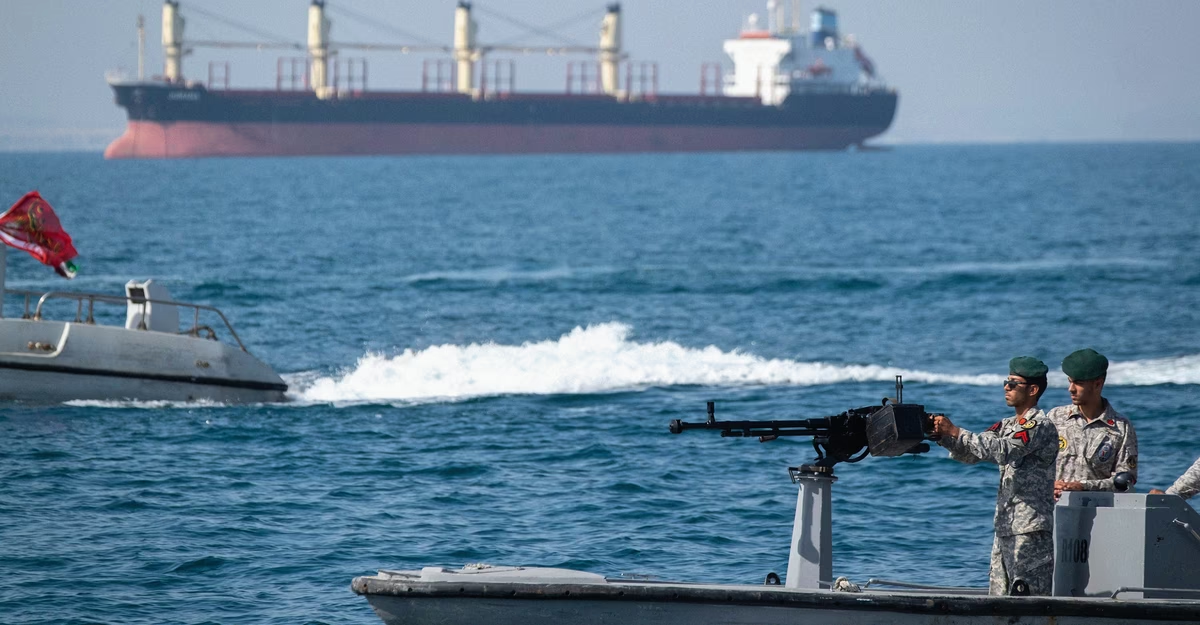
In his meeting with President Donald Trump this week, Israeli Prime Minister Benjamin Netanyahu presented fresh intelligence that he says shows Iran is rebuilding elements of its nuclear program, apparently seeking to compel a resumption of the full-scale war. The decision rests almost completely with Trump, and no one knows where it will go.The first path would amount to accepting Iranian demands. It will charge for passage through the Strait of Hormuz, give little on the nuclear issue, give nothing on the proxy terrorist militias or ballistic missiles, and effectively retain the right to massacre protesters. Markets would welcome the immediate reduction in risk. Oil prices and insurance premiums would return to normal levels, and investors would breathe easier. Yet every authoritarian government would be emboldened, and other maritime choke points would be endangered by copycats, while Iran’s leadership would emerge stronger. Temporary calm would mask a lasting deterioration in deterrence.The second option would revive the war largely as it existed before, a campaign of recurring strikes, interceptions, retaliation, and gradual escalation. But wars of attrition almost always favor regimes structured around ideological endurance. Democracies answer to voters, economic pressures, coalition politics, and elections. Revolutionary governments possess extraordinary tolerance for destruction inflicted upon their own societies while preserving their grip on power through repression. Iran’s behavior throughout this confrontation illustrates precisely that dynamic.
Trump has four bad choices on Iran. Here’s the least horrible one
Of four U.S. options on Iran, a comprehensive blockade is the least-bad choice to break Tehran without an endless war of attrition.
1,000 words~5 min read