By
Benjamin Hart,
staff editor at Intelligencer who joined New York in 2017
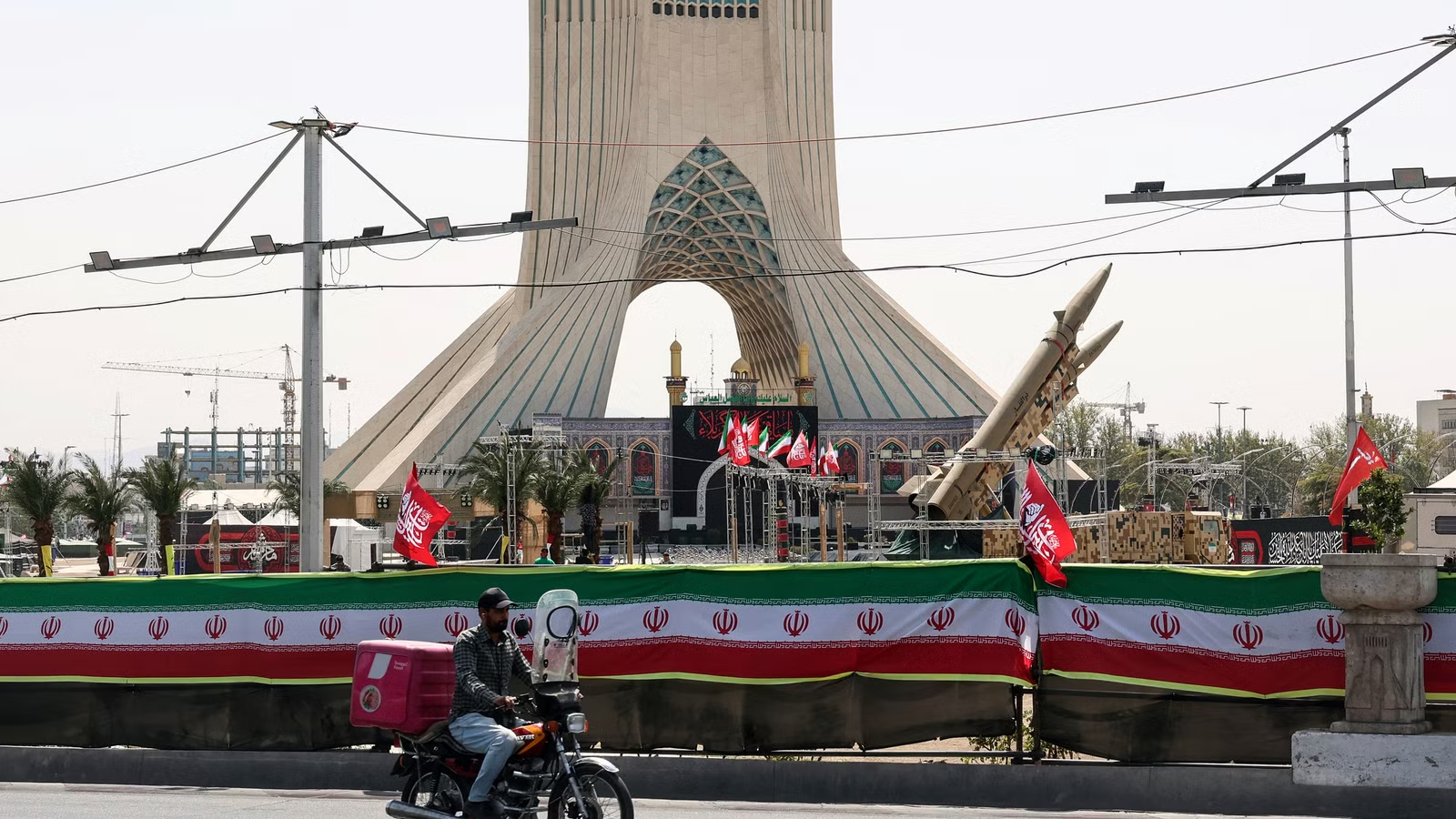
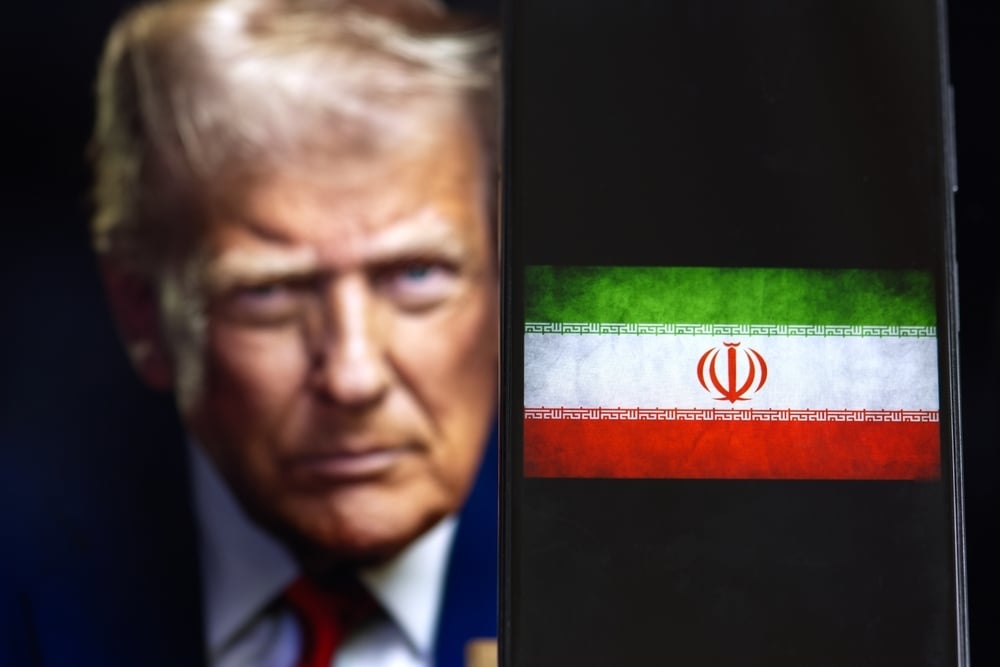
The Iran War, which has followed a start-stop rhythm since the U.S. and Israel launched attacks in February, is once again on pause. In part because of American shortfalls in munitions like missile interceptors, President Trump has decided to give diplomacy another shot, and cease American attacks that weren’t doing much to reopen the Strait of Hormuz anyway. Iran has in turn ceased attacking U.S. assets in the region, though it continues to target regional adversaries and insists that it will only speak to the U.S. through intermediaries like Oman (contrary to Trump’s account that it is desperate for talks). Both sides are likely on a hair trigger, so one provocation — or perhaps even misunderstanding — could mean a resumption of hostilities, as happened in the wake of an ill-defined June 17th ceasefire. Meanwhile, a Houthi blockade against Saudi Arabia is causing more economic complications and muddling the prospect of enduring peace anytime soon, and Israeli Prime Minister Benjamin Netanyahu, who is in Washington this week, will no doubt try to persuade Trump to keep up the fight.
To get a read on what this all means for Trump’s war of choice, I spoke with Danny Citrinowicz, a senior researcher in the Iran and Shi’ite Axis Program at Israel’s Institute for National Security Studies. Previously, Citrinowicz served as the head of various Israel Defense Intelligence units over 25 years, including the Iran branch in the Research and Analysis Division.