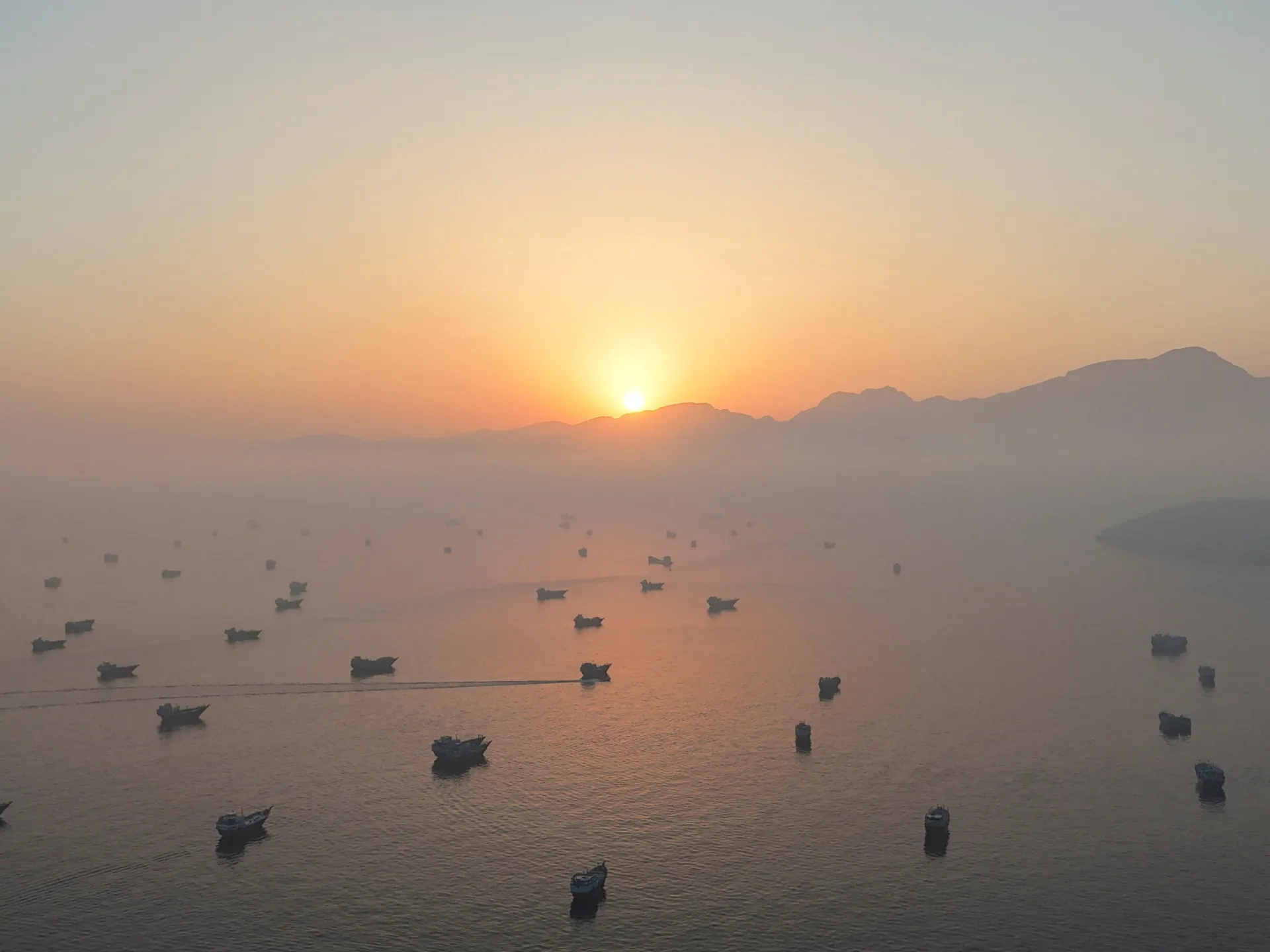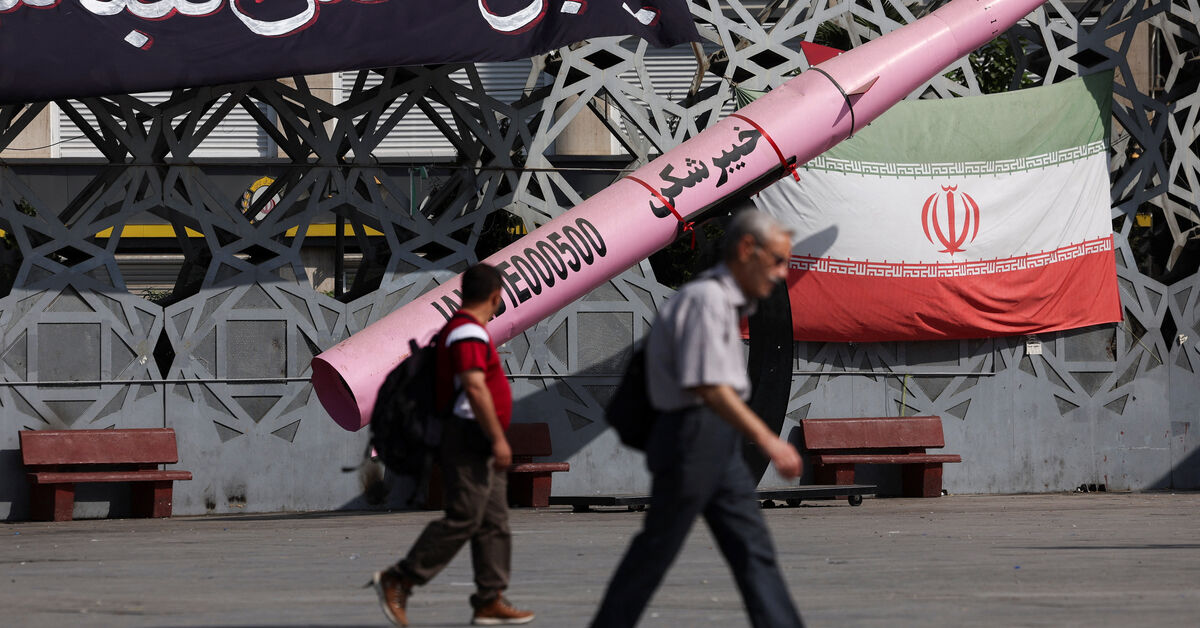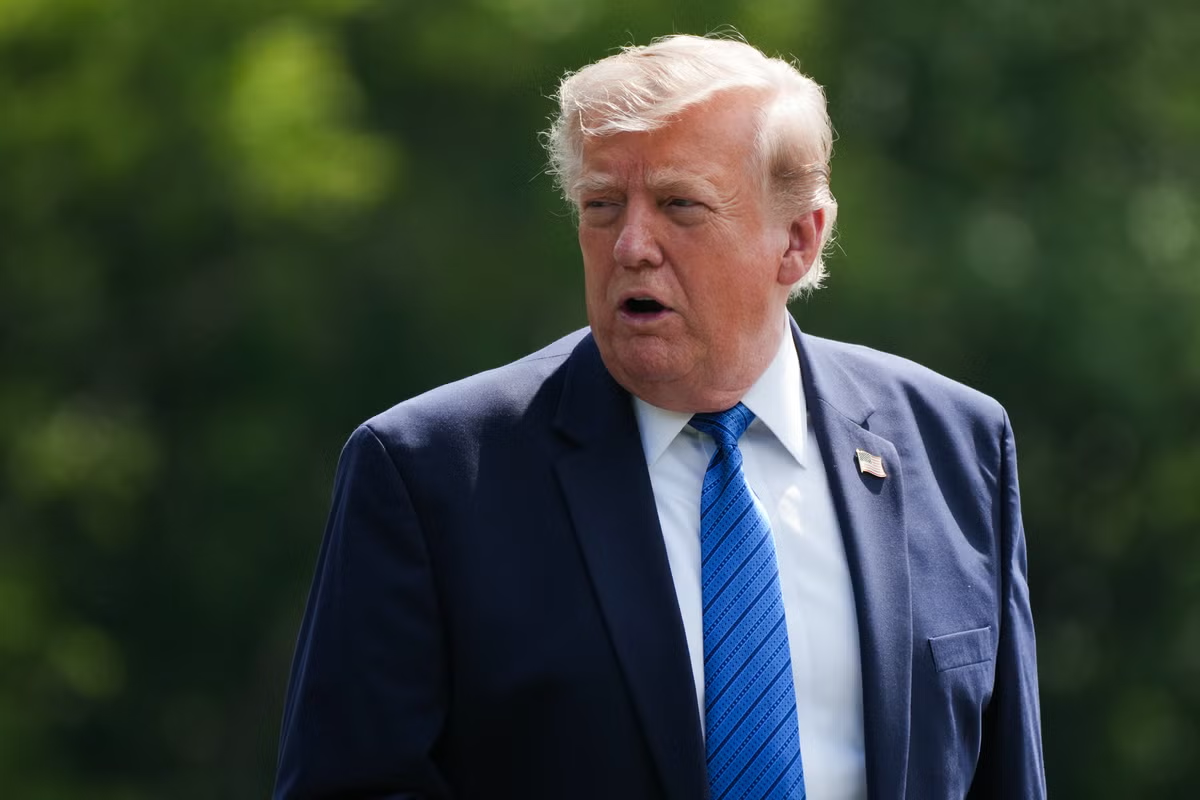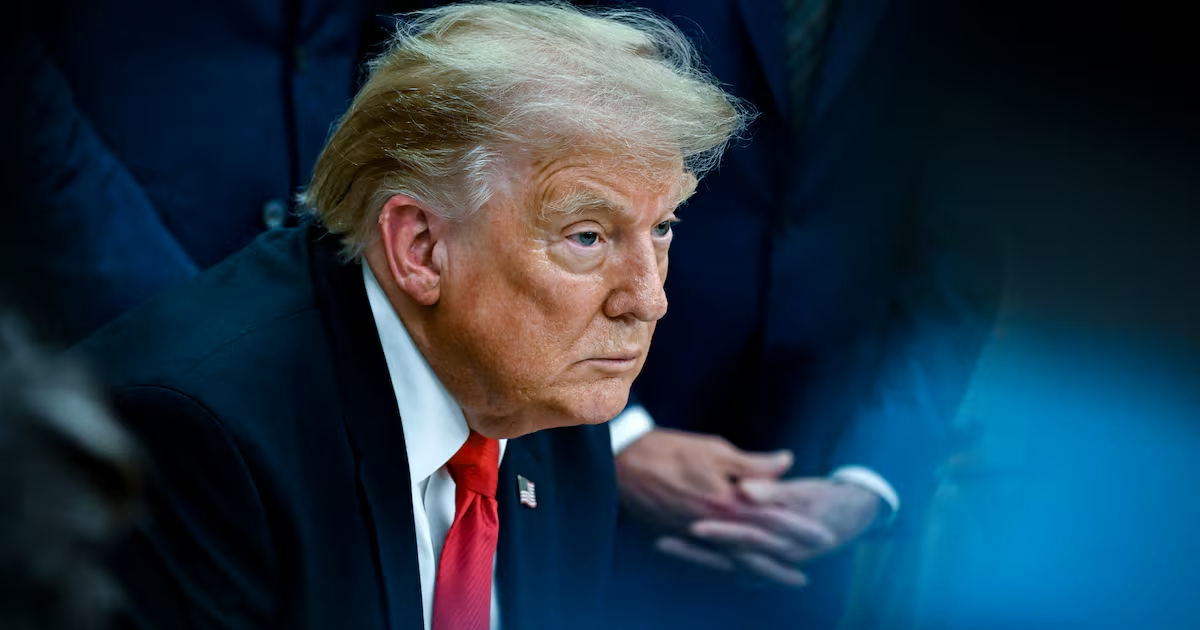
Donald Trump and his aides have said more than a dozen times over the past five months that the US is “close” to a deal with Iran. But if one materialises from talks between Iran and Oman, it will fall well short of the objectives the US president laid out when he launched the war.Since attacking Iran in February, Trump’s immediate demands have shrunk from a sprawling list of concessions involving Tehran’s nuclear ambitions, ballistic missile production and support for proxy militias to just one: that Iran allow the Strait of Hormuz to return to its pre-war state.“The denuclearisation of Iran is the ultimate deal,” US secretary of state Marco Rubio told reporters on Tuesday. “The immediate deal, and the one that you’ve seen a lot of focus on, is the strait.”In itself, that would mark something akin to strategic humiliation, say critics. Iran exploited its strategic leverage over the strait only after Trump launched the war.Now any settlement could give Tehran control over some of the waterway and without denying it the power to eventually charge fees from vessels using it – conditions that would have seemed unthinkable to US geostrategists just a year ago.[ Strait of Hormuz deal could give Iran control over shipsOpens in new window ]“What was once free and unfettered is no longer,” said Aaron David Miller, a former Middle East peace negotiator for Republican and Democratic administrations. “And there is almost nothing that Trump can extract from an agreement that the Iranians are willing to accept that changes that reality.”As for Iran’s nuclear ambitions, Washington will be left to negotiate that issue with an increasingly defiant regime now convinced it has the upper hand and the ability to shut the strait at will – hardly the “UNCONDITIONAL SURRENDER” Trump had demanded of Tehran.“I do not see right now a way to create a balance of interests where the Trump administration walks away with something that normal humans would regard as a win,” Miller said.But every route out of a costly war that has sparked fears of oil shortages and spurred more inflation now looks politically fraught for Trump, especially with midterm elections less than three months away.Iranians walk past an anti-Trump banner in Tehran, Iran. Photograph: EPA International oil prices eased below $80 a barrel on Tuesday amid hopes for an end to the conflict. But US petrol prices above $4 a gallon are about 35 per cent above their level from before the war, and diesel under Trump has now exceeded the average price struck during the Biden years.US stockpiles of missile interceptors have dwindled, and the American public and allies are exhausted, leaving the president with “limited options”, said Michael Ratney, a former ambassador to Saudi Arabia under Joe Biden.“Escalating further risks serious damage being done to regional parties, oil prices going up and harm to the global energy market,” Ratney said.But a deal that allowed “some measure of Iranian control will be aggravating for everybody” from Gulf allies to US taxpayers, he said.“Trump’s challenge is not just how to fight the war, which seems to have stumped him, but how to explain this deal,” Ratney said. Claiming any agreement as a success was becoming “harder and harder to do”.Hopes are pinned for now on opening the waterway, an outlet for a fifth of the world’s oil supply before the war and which has become the main battleground. Its status has been the focus of recent weeks of direct talks between Iran and Oman.Even if Iran agrees “today or tomorrow to open the strait”, as US treasury secretary Scott Bessent predicted to CNBC on Tuesday, it would not amount to the kind of pre-war “freedom of navigation” that he described, analysts said.Iran and Oman were working on “protocols for the future management” of the strait’s traffic, said Tehran’s foreign ministry spokesman, Esmail Baghaei, on Tuesday. Any agreement would be provisional and cover “inbound and outbound shipping routes” while talks on a final settlement played out, he said.The US and regional mediators had provided regular input to the talks, through Oman, and the White House had been kept apprised of progress, people familiar with the talks said.But after months of shuttle diplomacy to end Trump’s war – and Washington’s repeated claims of a breakthrough – the US is now hanging on two Middle Eastern countries’ talks to ease a conflict the president said in March would be a “short excursion” and finished in weeks.“It’s not really a deal between Iran and the US,” said Ali Vaez, an Iran expert at the International Crisis Group. “This is a deal between Iran and Oman.”Iran was “clarifying that they’re controlling the strait, and that’s not up for negotiations”, said Vali Nasr, an Iran expert and professor at Johns Hopkins University. Tehran believes that it needs to show the US that it will not be defeated by a bombing campaign and “will not give up on the Strait of Hormuz”, Nasr said.Anna Kelly, a White House spokeswoman, said the strait was “completely controlled” by the US navy and the blockade imposed by the US on Iranian ports. The US campaign had “left Iran in an extremely degraded state, and it would be wise for them to agree to a deal. Otherwise, they know what will happen”, she said.Iran has kept control of the Strait of Hormuz since the outbreak of the war on February 28th. Photograph: AFP via Getty Images The Iran-Oman arrangement, which two people said still required approval from Tehran’s senior leadership, would provide that vessels enter the strait through Iranian waters and leave through mostly Omani waters. Initially, Iran would send vessels, including oil tankers, through the waterway to ensure it is free of mines before the strait opens to other shipping, one of the people said. Ships would not be charged fees during the temporary arrangement, people briefed on the talks said.Tehran insists that it will eventually charge ships “service fees” for passage, a provision that Gulf states reject. Oman has proposed a toll-free arrangement similar to that used in southeast Asia’s Strait of Malacca, under which non-profit organisations are encouraged to make voluntary contributions to support “navigational safety and environmental protection”.Diplomats hope the deal will revive the short-lived memorandum of understanding signed by the US and Iran on June 17th, which was meant to extend an April ceasefire and gradually reopen the strait. That deal unravelled after Iran attacked ships transiting the route along the Omani coast, triggering an escalatory spiral of tit-for-tat strikes.One person briefed on the talks said that if Tehran struck a deal to open the strait, the US would lift its naval blockade on Iranian ports and ease sanctions on Iranian oil exports.But a deal so plainly distant from Trump’s original war aims is almost sure to bring blowback at home.The memorandum prompted outcry from Democrats and some of Trump’s allies, such as the late senator Lindsey Graham, who balked at terms they considered overly favourable to Iran.A chorus of hawkish voices, from Fox News host Mark Levin to online agitator Laura Loomer, can be expected to react harshly to any new deal too.“Trump is stuck,” said Nasr. “He cannot win militarily at this level ... He cannot resolve this diplomatically without paying a political cost at home. And periodically, he’s lashing out because this is not as simple and as straightforward as he had calculated.”The risk is that Trump, frustrated with limited good options to end his war, and under pressure from critics, lurches back towards escalation – repeating the pattern of recent months. He might portray any new deal as a “political breakthrough”, said Vaez. “Then the criticism about that breakthrough gets under his skin, and he resorts to coercion again. And when coercion doesn’t deliver results, he has to come back to another ad hoc truce, and the cycle repeats itself.” – Copyright The Financial Times Limited 2026
‘Strategic humiliation’: Trump trapped between escalation and caving to Iran’s demands
US president faces few good options to exit a war he once said would end swiftly with the Islamic republic’s surrender
1,313 words~6 min read