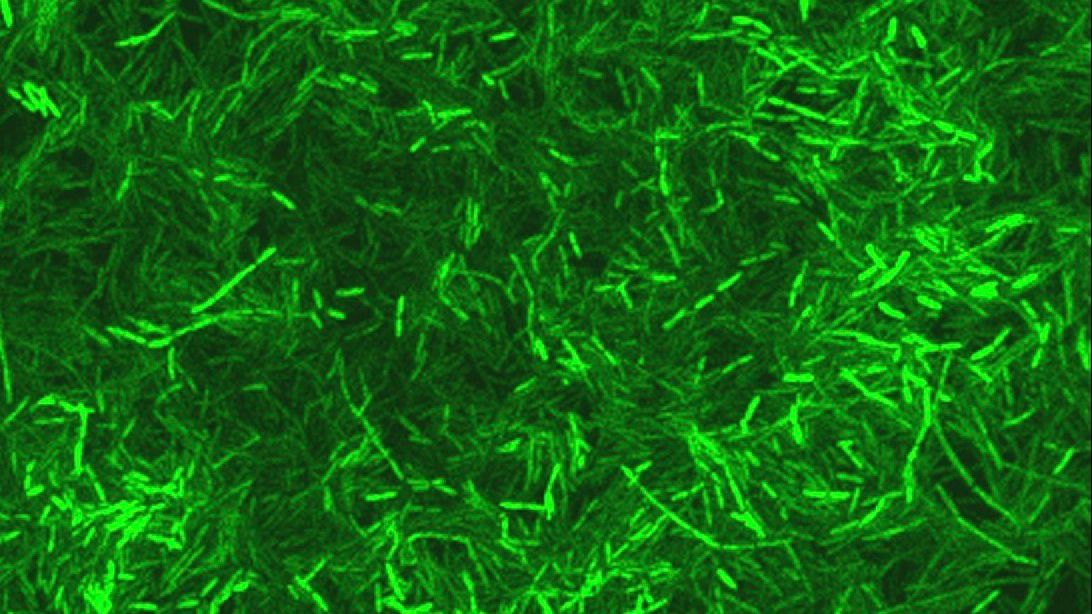
Antimicrobial resistance (AMR) is defined as the ability of disease-causing microorganisms to withstand treatments like antibiotics.
Often described as a silent pandemic, it is already responsible for an estimated 1.27 million deaths each year, with the highest burden in Africa.
Efforts to tackle antibiotic resistance have largely focused on hospitals and clinics, where antibiotic use is highest and resistant infections often emerge. But the problem is not confined to healthcare settings. Resistant bacteria can reproduce and pass on their resistance, or transfer resistance genes to other bacteria. These can spread beyond hospitals via wastewater or human carriers.
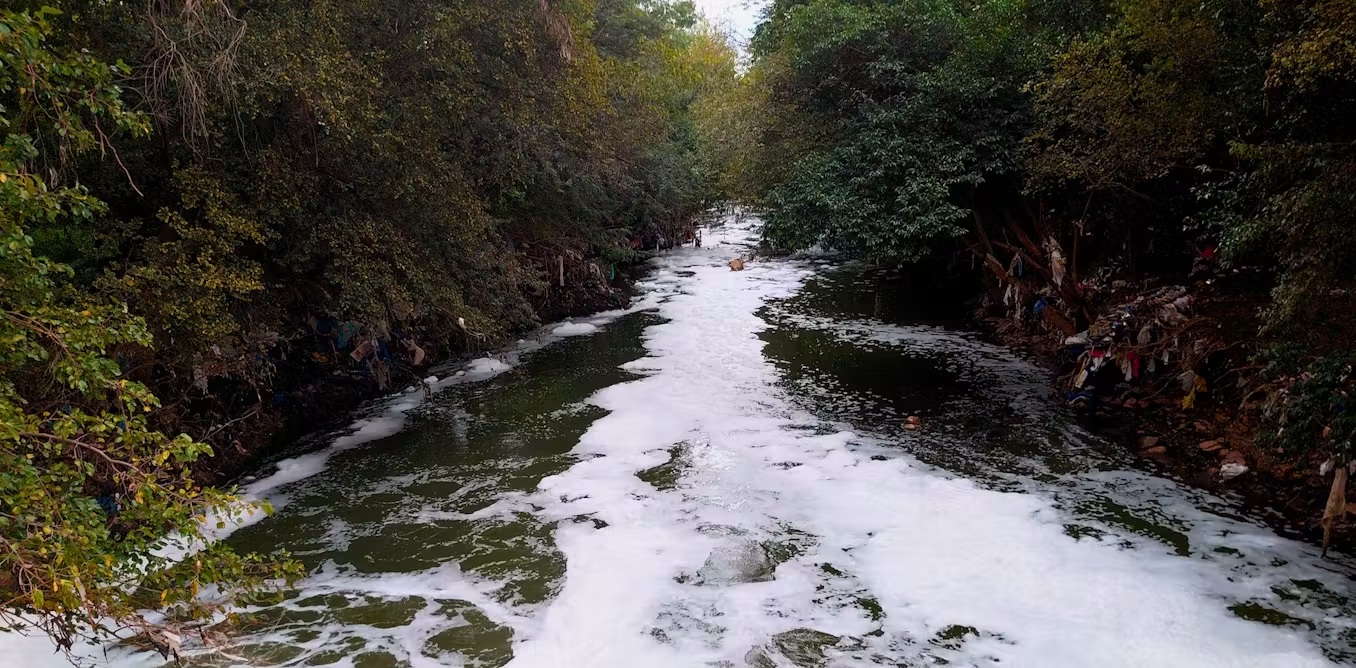
Scientists increasingly recognise that the environment also plays a role. Rivers, lakes and wastewater systems are places where bacteria, antibiotic residues and other pollutants mix and interact.
Wastewater treatment plants bring all of this together. They take in what we flush away from homes, hospitals and industry and clean it before releasing it back into rivers or reusing it. These systems have significantly reduced the burden of infectious disease.