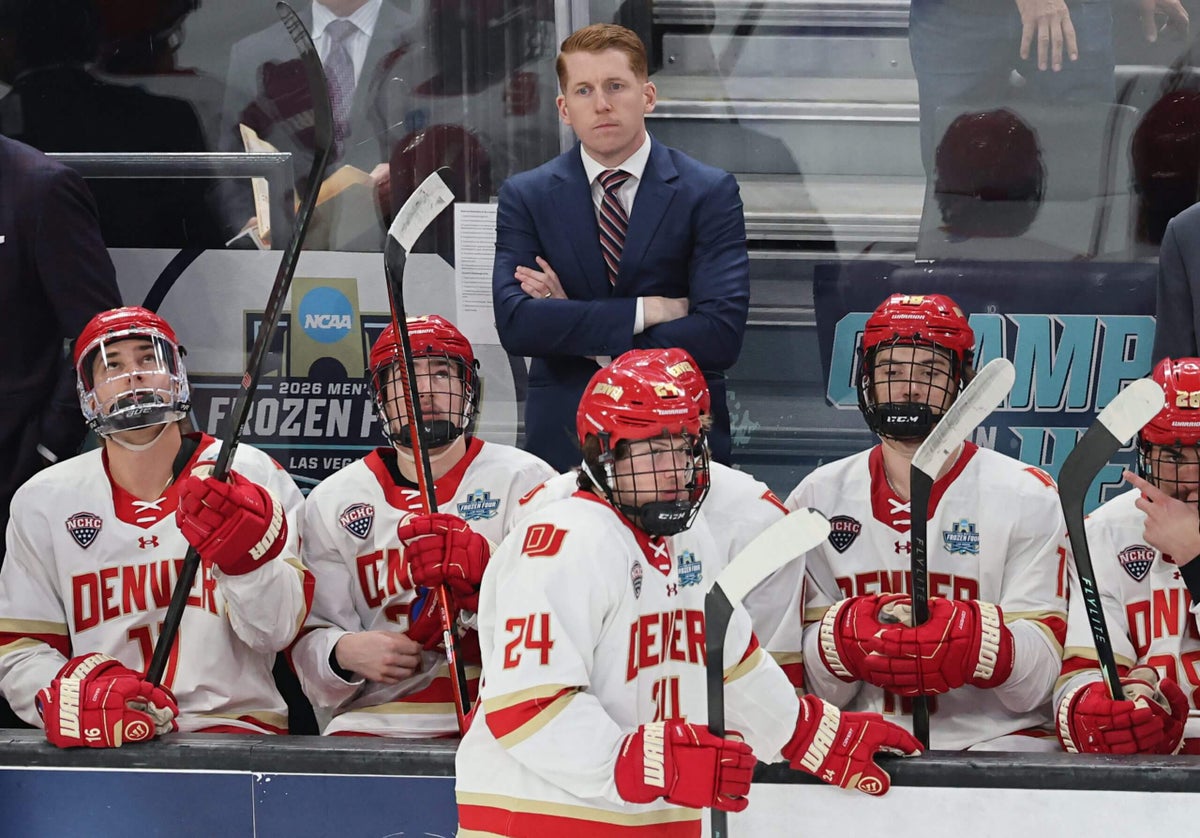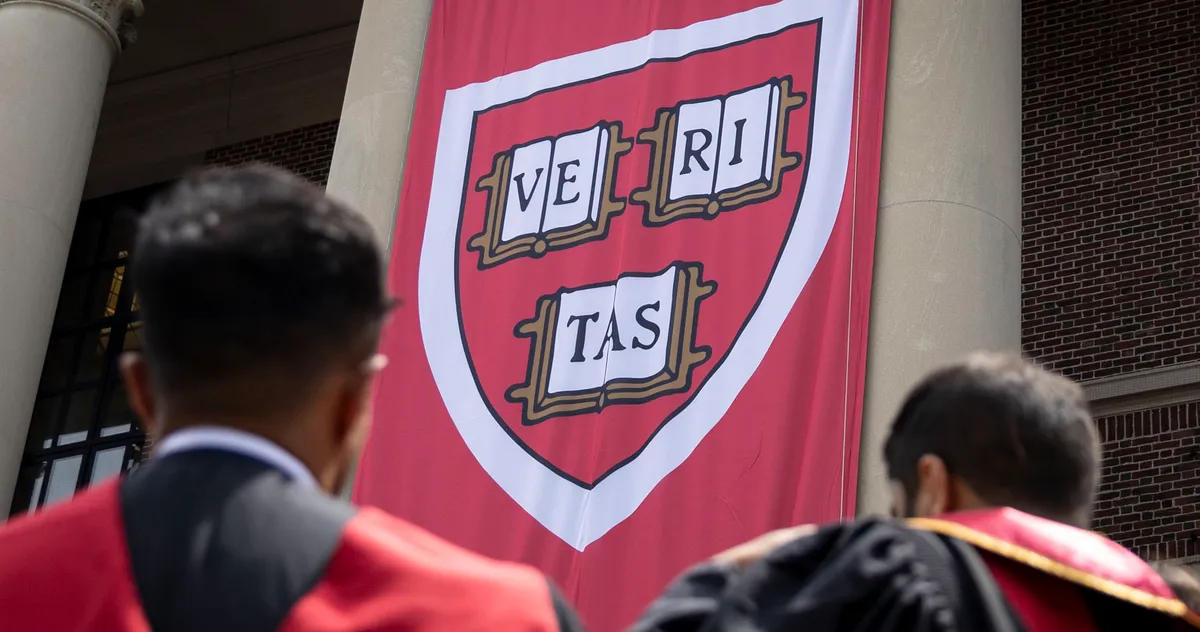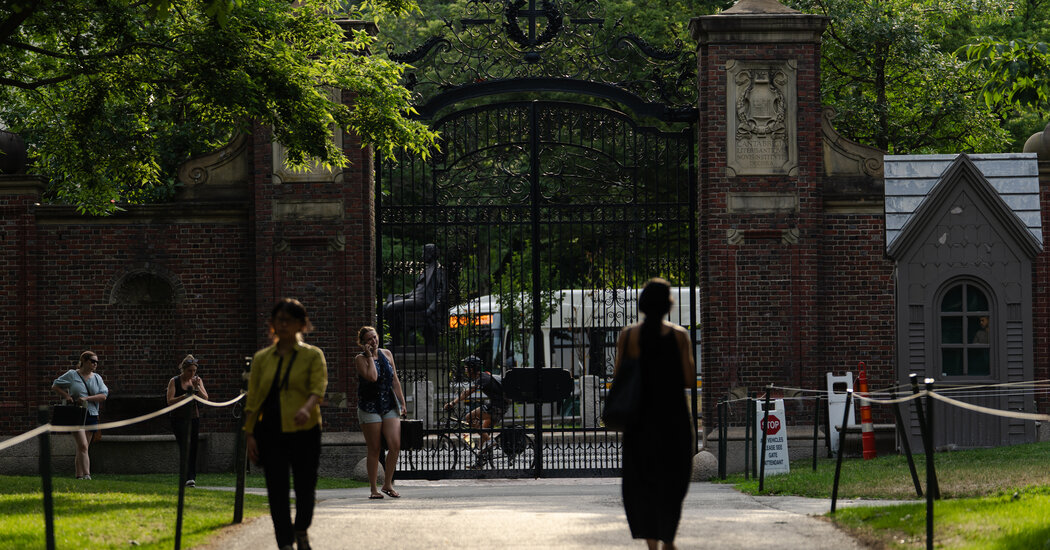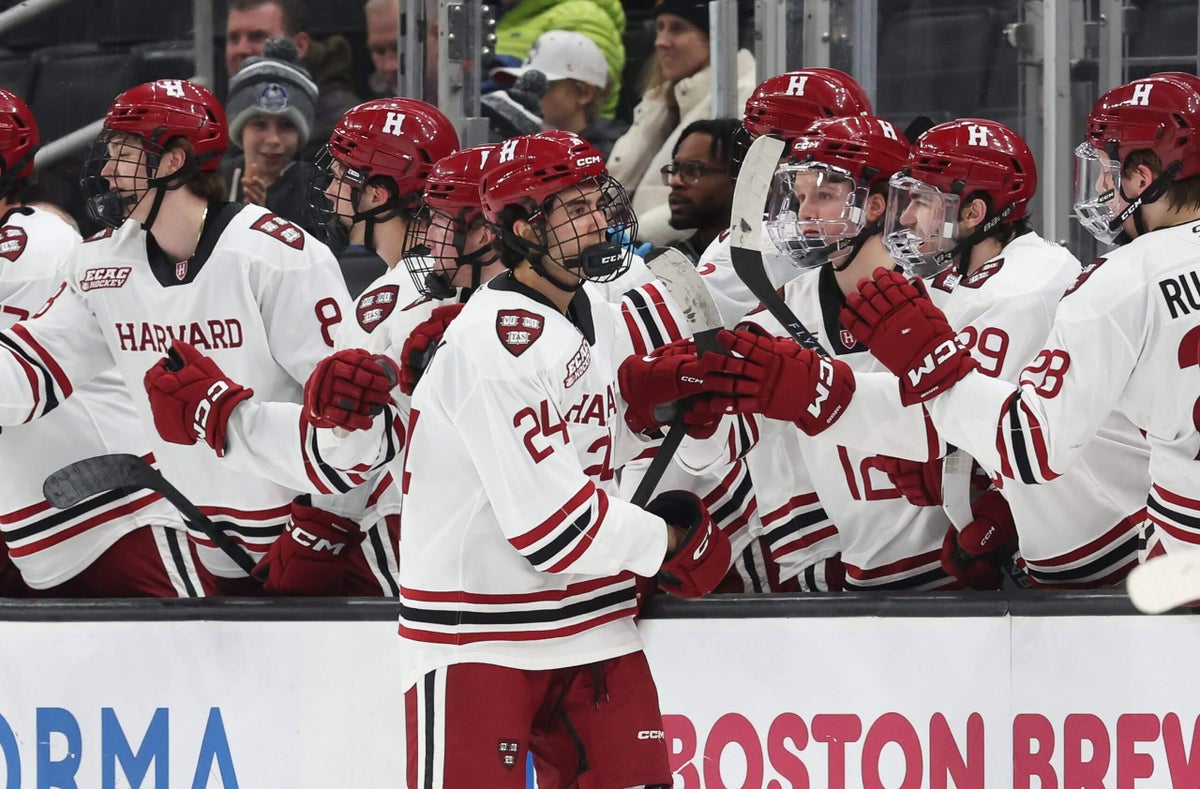
Michael Callow is a 22-year-old rising senior at Harvard University. He has heard about the wages that certain NCAA hockey counterparts are earning on an annual basis, with some estimates eclipsing $100,000. He would not complain about having that kind of money on campus.“That doesn’t sound bad for your freshman year in college,” the 6-foot-4, 220-pound, right-shot forward said with a laugh.As at other schools, beginning when the NCAA first allowed the practice in 2021, Harvard athletes can monetize their personal brands through name, image and likeness deals. For example, a hockey player could be paid to post a picture wearing gear from an equipment manufacturer. But unlike peers around the country, they cannot receive payment from a separate, recently filled pool of money that has given some teams an advantage on both the recruiting trail and the ice.In 2024, Division 1 schools that opted in to a settlement as part of the House v. NCAA antitrust case were cleared to each share upwards of $20.5 million in athletic revenue among their student athletes in 2025-26, the first season of a 10-year segment. Harvard’s conference, the Ivy League, opted out of the settlement. The result is that a giant such as the University of Michigan, for example, can offer income to recruits and transfers alike at multiples that Harvard cannot.“That has caused a lot of instability within college sports, particularly with the revenue-generating sports, where the money has become greater as people are able to attain higher dollars and they may transfer for that reason,” Harvard athletic director Erin McDermott said. “Although that might sound like a good thing — it gives people options, more mobility, maybe more money — it causes great instability. It really does not allow for a team to truly develop identity, culture, strong relationships with each other.”Add in the fact that 2025-26 was the first season in which players could suit up for CHL clubs while retaining NCAA eligibility, ensuring an even richer talent base in future years, and it’s clear that Callow’s career with the Crimson is winding down during a period of great change at the collegiate level. By the same token, his final season at Harvard is coming amid a foundational shift for its men’s hockey program.On May 7, longtime Crimson coach Ted Donato announced that he would step away at the conclusion of the academic calendar, leaving behind a winning NCAA legacy and a wide NHL footprint. Callow, a 2026-27 co-captain, will earn his prestigious Harvard degree after one more year. He did not expect to spend it playing for a new coach. “Definitely going to be a big shake-up for all of us,” he said.Donato defined the Harvard Man. He was a four-year varsity player, graduating from the university in 1991. Nobody coached its men’s hockey team longer.But in the modern NCAA, career-arcing appointments such as those once enjoyed by Jack Parker (Boston University) and Jerry York (Boston College), two of Donato’s previous coaching counterparts, are no longer guarantees. Today’s programs require their bench bosses to master NIL guidelines, manage the transfer portal and woo previously ineligible CHL recruits, all while pinpointing player development and delivering on-ice results.Otherwise, even a world-famous institution such as Harvard is at risk of falling behind.NHL free agency: Early winners and losersShayna Goldman and Madison EadesRules of the roadNIL, revenue sharing, NCAA-eligible Canadians — none of this was on Donato’s desk when he replaced Mark Mazzoleni as Harvard’s coach in 2004. As a rookie bench boss, the 1991 Harvard graduate led his alma mater to a 21-10-3 run that ended with an NCAA Tournament loss to New Hampshire. It was the first of Donato’s eight tournament appearances.The former NHLer would go on to spend 22 seasons behind the Crimson bench, more than any of the program’s 11 previous coaches. He won a school-record 334 games. He coached sons Ryan and Jack Donato along with current NHLers such as Jack Drury, Adam Fox, Alex Killorn and John Marino.As of 2022-23, 15 of Donato’s players had been drafted in the NHL. No other Division I program that season had more.But Donato also had commits say goodbye. After the Ivy League canceled the 2020-21 season because of COVID-19, Matty Beniers withdrew his pledge to join the Crimson and enrolled at Michigan; Michael Hagens later switched his 2024-25 Harvard commitment to Boston College, helping bring younger brother James Hagens to the Eagles that same season.In 2023-24, after eight straight winning seasons, Harvard went 7-19-6. The Crimson then posted a 13-17-3 record in 2024-25. Last season, they were 16-16-2.McDermott said it was Donato’s decision to leave. Donato declined an interview request. On July 15, the New Jersey Devils hired the 57-year-old as an assistant coach. It will be Donato’s first professional coaching job.“Ted really came to that on his own,” McDermott said. “Feeling like, given what’s happening out there in the landscape of things and understanding from the players that they were kind of looking for some different things, he just felt, ‘Hey, I’ve done this. I’ve had a good run. Care a ton about this program. Kind of time to let someone else come in and take it over.'”McDermott’s job was to hire a replacement who understood the university’s mission and could develop players and lead a team to compete for ECAC championships, all within the changes of college sports.One of Donato’s former colleagues checked every box.“We’re all very excited, though, getting a new perspective on the game,” Callow said. “Everything’s going to be new at the rink. We’re going to have a new energy, a lot more fun down there. It’s a bit shocking in terms of how the team’s going to be right now. But it’s very exciting.”Back on campusRob Rassey regularly joked with Donato about how he begged the coach to bring him on as a player at Harvard. Instead, Rassey ended up playing at Northeastern for four seasons. He graduated magna cum laude as a business administration major. He dreams that the next Rassey generation receives the opportunity he did not.“The chance to get a degree from Harvard and play college hockey at the highest level, it’s a no-brainer,” said Rassey, 41. “I know there’s a lot of different options for kids now. There’s different variables in that scenario. But man, if I ever have a son and he has a chance to play at Harvard, for me it’s an absolute no-brainer.”Donato eventually hired Rassey as an assistant in 2013, tasking him with finding players on the recruiting trail, among other responsibilities. Rassey was an outlier on the recruiting trail, at once pitching the classroom perks of Harvard’s academic campus in Cambridge along with the on-ice benefits of its Bright-Landry Hockey Center across the Charles River in Boston.In six seasons with Rassey on the bench, the Crimson qualified for the NCAA Tournament four times, including a 2017 Frozen Four appearance. He left in 2019 to become a Detroit Red Wings scout, making subsequent stops with the USHL’s Omaha Lancers and Sioux Falls Stampede.In 2022, Rassey became an assistant to Brandon Naurato at Michigan. Rassey’s 2022-23 charges included Adam Fantilli, Luke Hughes, Mackie Samoskevich, Rutger McGroarty and Frank Nazar, all first-round picks. The nine-time NCAA champions had national appeal and Big 10 financial firepower.All of these credentials, from his Northeastern playing days to working under Donato to serving as an assistant for an NCAA powerhouse, put Rassey on Harvard’s list when the job became available.“He knows what others could view as a real challenge, that we’re not operating financially in the same ways that other programs are,” McDermott said. “He sees it as an opportunity because he knows the benefits that Harvard brings.”Rassey was Harvard’s first interview. McDermott left thinking that the candidate would be hard to beat.On June 23, Rassey was hired, impressing, among others, Boston Bruins general manager and Harvard alum Don Sweeney, who was part of the university’s search committee.“Knowing he had worked with high-level players at Michigan, both on the recruiting side of things and the development side of things,” Sweeney said, “those are exciting qualities for a coach.”Less than three weeks later, Rassey introduced six players from his first recruiting class. Two of the incoming freshmen are NHL draft picks: goalie Rudy Guimond (Detroit Red Wings) and defenseman Alex Huang (Nashville Predators). They will be part of a team that Rassey wants to play fast, up-ice and connected.“Our goal as a staff will be to help each player maximize their potential as hockey players and as people. One of those is not more important than the other,” said Rassey. “There is nowhere better at developing students in the classroom than across the river here. Our goal will be to replicate that on the ice. That level of development, our players can look forward to from our staff. For me, the expectations are high. This is Harvard.”On June 24, Rassey’s previous employer secured the 2026-27 commitment of Landon DuPont, a 17-year-old defenseman projected to be the No. 1 pick in the 2027 NHL Draft. At Michigan, DuPont will be eligible to receive income from revenue sharing that would be off limits at Harvard.However, Rassey can now sell the promise of a Harvard diploma. He does not have much company on the recruiting trail when it comes to such assets.Consider the case of Callow, who heard a similar pitch as a high school junior. As nice as extra dough sounds today, Callow is more invested in tomorrow when it comes to earnings. The South Boston native was picked by the Anaheim Ducks in the fifth round of the 2022 NHL Draft. The league’s minimum salary in 2027-28, which would be Callow’s first pro season, is $900,000.Callow is a psychology major. It is possible he will make more off the ice than he earns at the rink. That is not uncommon for graduates of Harvard. Consider the career of Mark Carney, once Harvard’s No. 3 goalie. He is now prime minister of Canada.“Hockey’s not forever,” said Callow, whose first college offer came from Harvard. “You get a Harvard degree that you can’t buy with all that NIL. We all know what we’re doing coming to Harvard. We all kind of accept that we’re doing this for the betterment of our futures rather than just momentary gains. It is crazy to hear these stories about what some kids get paid. But we all take that sacrifice to get the Harvard degree and do the best we can with all the resources we have at Harvard.”
Harvard men’s hockey charts new course amid radical NCAA changes and legendary coach’s exit
In hiring former assistant Rob Rassey to replace Ted Donato, the Crimson tabbed a proven recruiter to help navigate a new college landscape.
1,750 words~8 min read