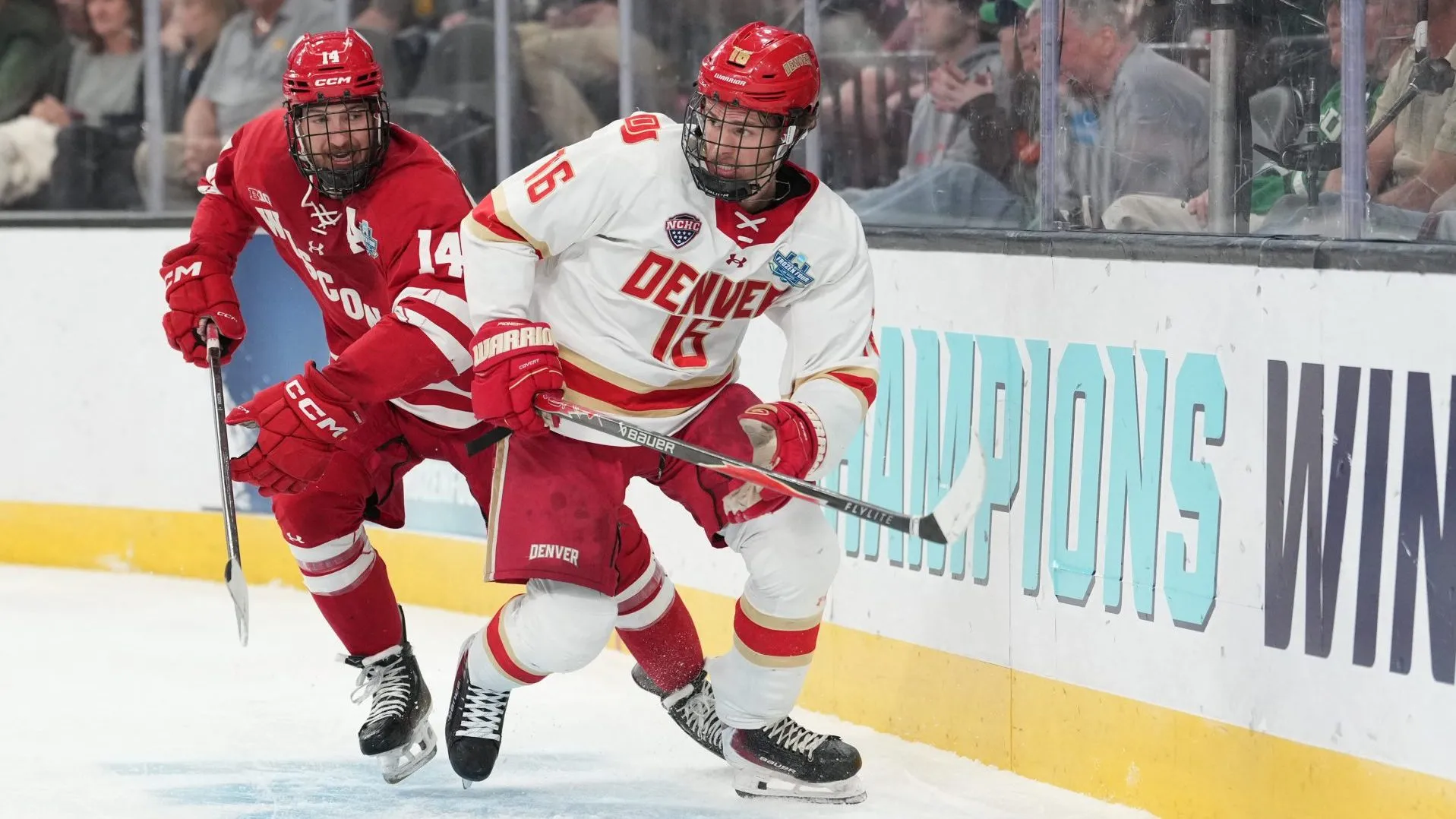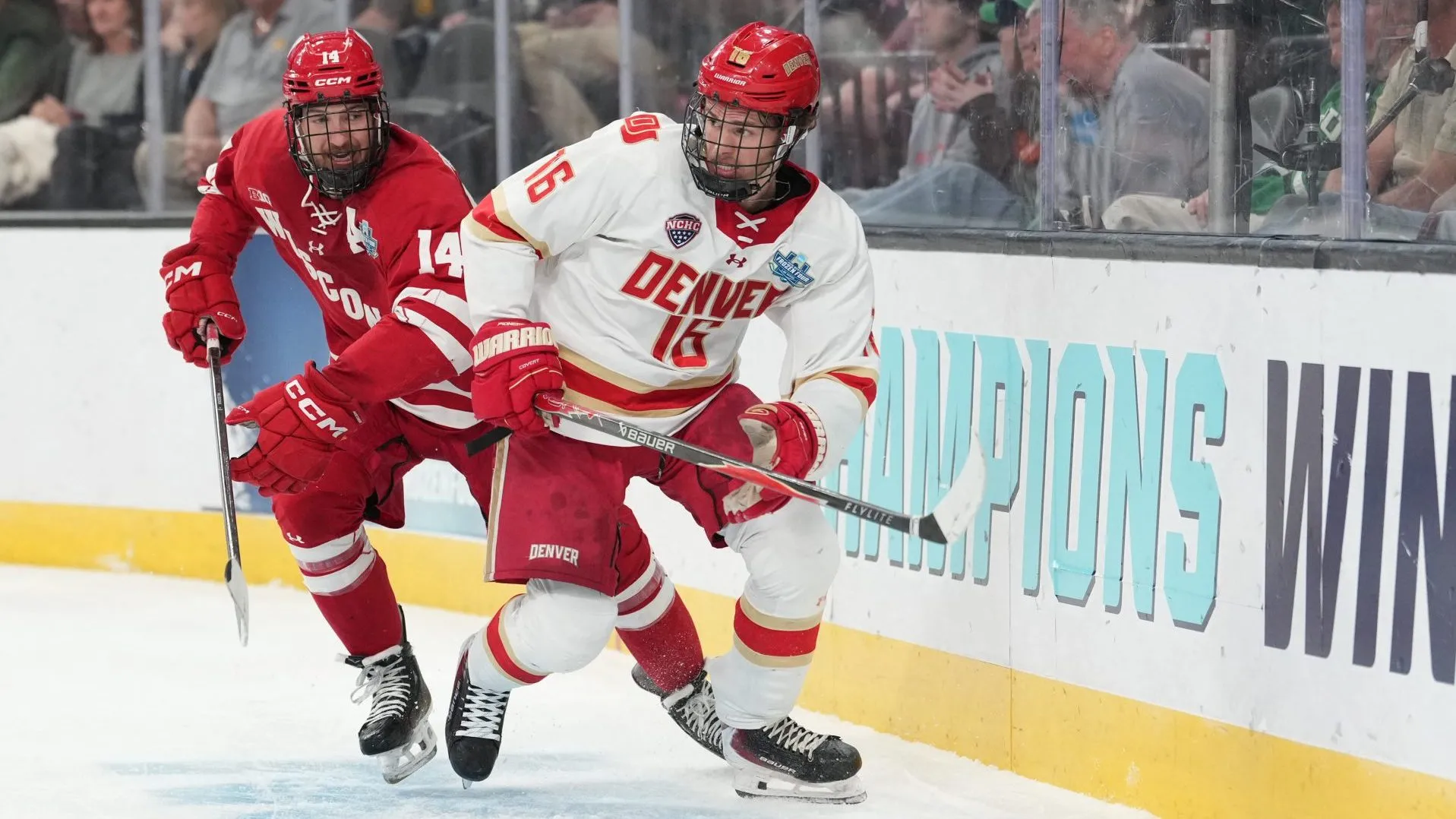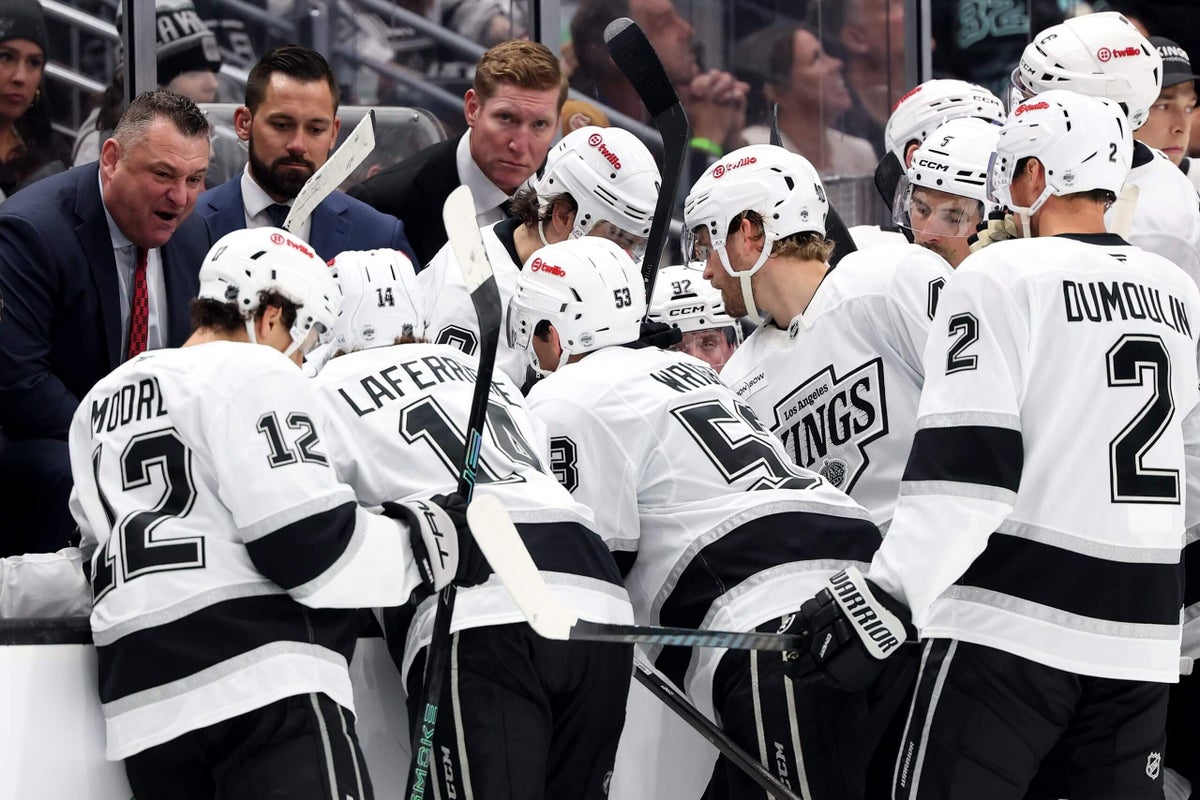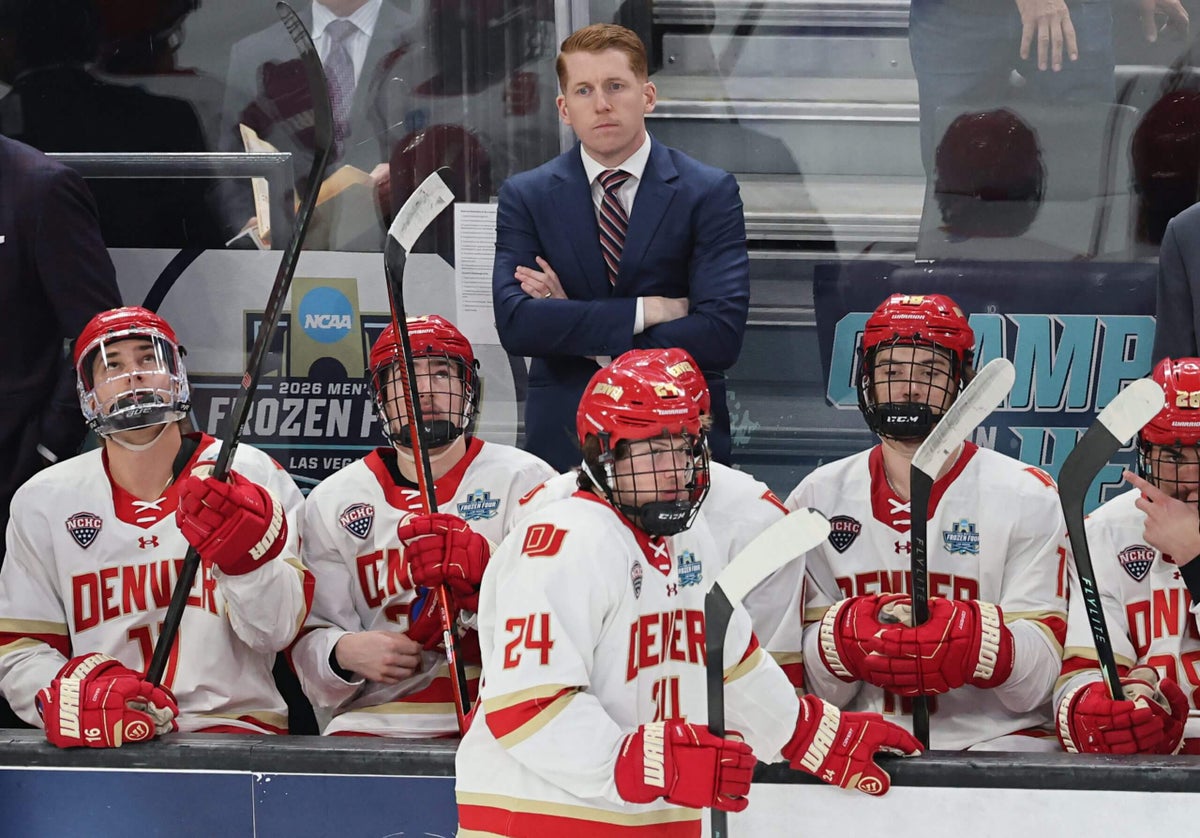
David Carle is the most coveted NHL coaching prospect. But year after year, no matter how much interest there seems to be around the league, he opts to stay in the NCAA with the University of Denver.Just last summer, Carle pulled out of the running for the head coaching jobs in Anaheim and Chicago. His name has circulated through the rumor mill again this year, with a few vacancies around the NHL. At this point, it seems his eventual jump to the NHL is inevitable when the right job opens up, as it appears to be the most logical stepping stone in his career arc. The NCAA has become a strong developmental pipeline for players, so it only makes sense that it translates to the coaching side.Except that hasn’t been the case.Along with Carle, Pat Ferschweiler of Western Michigan, Rand Pecknold of Quinnipiac and Jay Pandolfo of Boston University have all been in the mix for recent NHL openings. But no coach has actually been directly hired from Division I in the NCAA since David Quinn in May 2018. The list of coaches before him is incredibly short: Ned Harkness, Bob Johnson, Dave Hakstol and Jim Montgomery. A handful of other NHL coaches have gained seasoning in various roles on college staffs at points in their careers, too.So why hasn’t the NCAA been a direct line to the NHL for coaches? It’s easy to pin it on a league that loves to cycle around the same group of retreads, which is undeniably a part of the equation. But there are reasons college coaches aren’t racing to reach the NHL, either. Let’s take a closer look.NHL teams have a tendency to value coaching experience above all else. Sometimes there’s some merit to it; some coaches need to gain some seasoning in the position before really hitting their stride. Just look at Mike Sullivan and Bruce Cassidy, who had more success in their second go-arounds. Paul Maurice completely evolved behind the Panthers bench in his sixth stint as an NHL head coach. Six-time head coach John Tortorella is back in the Stanley Cup Final, too.Twenty of 30 current head coaches (with vacancies in Toronto and Edmonton left) have some experience in this role. The eleven other teams have a first-timer — including three of the final four teams left standing in the Stanley Cup playoffs, in Montreal’s Martin St. Louis, Colorado’s Jared Bednar and Carolina’s Rod Brind’Amour.In some universes, the success of those three should inspire some confidence in first-timers. While none of them are from the NCAA, it’s still a logical place to look for the next best first-time NHL coach.For some, that’s the ultimate dream job. The NHL is the premier league for men’s hockey, and with it come two things: opportunity and a lot of resources. The size, capability and overall depth of an NHL team provide coaches with endless access and information, and superstar talent at this level can be tempting. So is the chance to build a long-term contender centered around one core group of players, since there’s a ticking clock on everyone’s eligibility in college.Then there’s the pay. The floor for most salaries in today’s NHL is around $1 million. But the upper echelon, the Mike Sullivans and Jon Coopers, make upwards of $5 million a year on average. The rest of the league falls somewhere in between.All of that makes a compelling case for coaches to take NHL jobs when opportunity knocks. But there are also good reasons NCAA coaches like Carle choose to stay in college. Some of it stems from past results — success at the college level hasn’t necessarily translated to the NHL.
Why don’t more NCAA hockey coaches jump straight to the NHL?
The NHL may be the premier men's hockey league, but there are reasons NCAA coaches don't necessarily want to make the jump.
1,710 words~8 min read