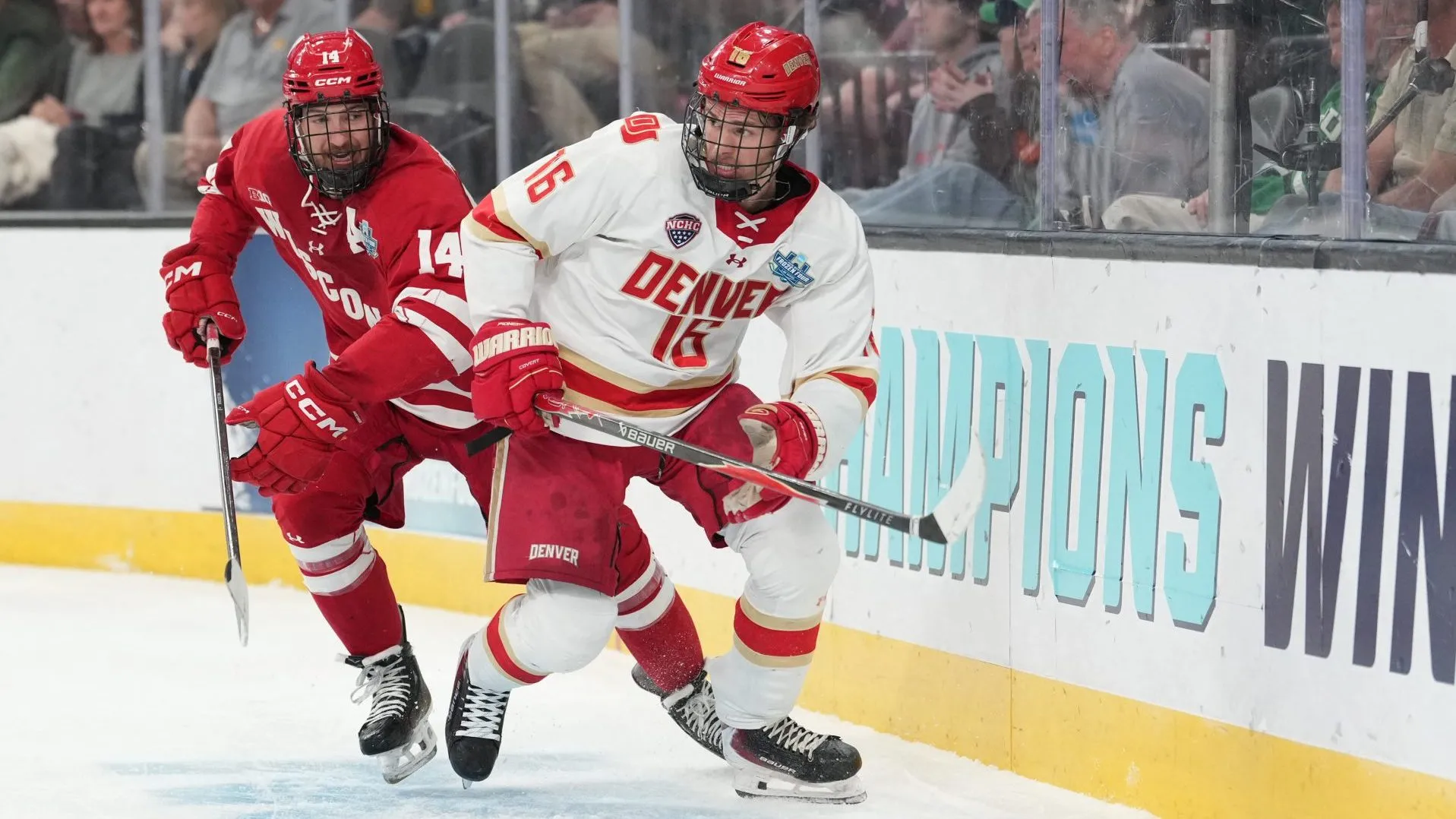
The NCAA is inching closer approving its new “5-in-5” eligibility rule, which gives college athletes a standardized five-year window to compete. The countdown begins the academic year immediately following expected high school graduation or the athlete’s 19th birthday, whichever comes earlier. A Division I Cabinet vote is imminent.
Since the announcement of the proposal, hockey at all levels has been in panic mode. Although other sports—particularly Olympic sports—are set to be disrupted by the new rules, college hockey is in a uniquely precarious position because of its development pipeline.
Unlike other sports that sometimes offer a postgrad prep development year, hockey has an entire competitive developmental model that ladders up to college. Before jumping to the NCAA, many players first spend time in junior leagues, including the Canadian Hockey League and the United States Hockey League, where athletes can play until age 20.
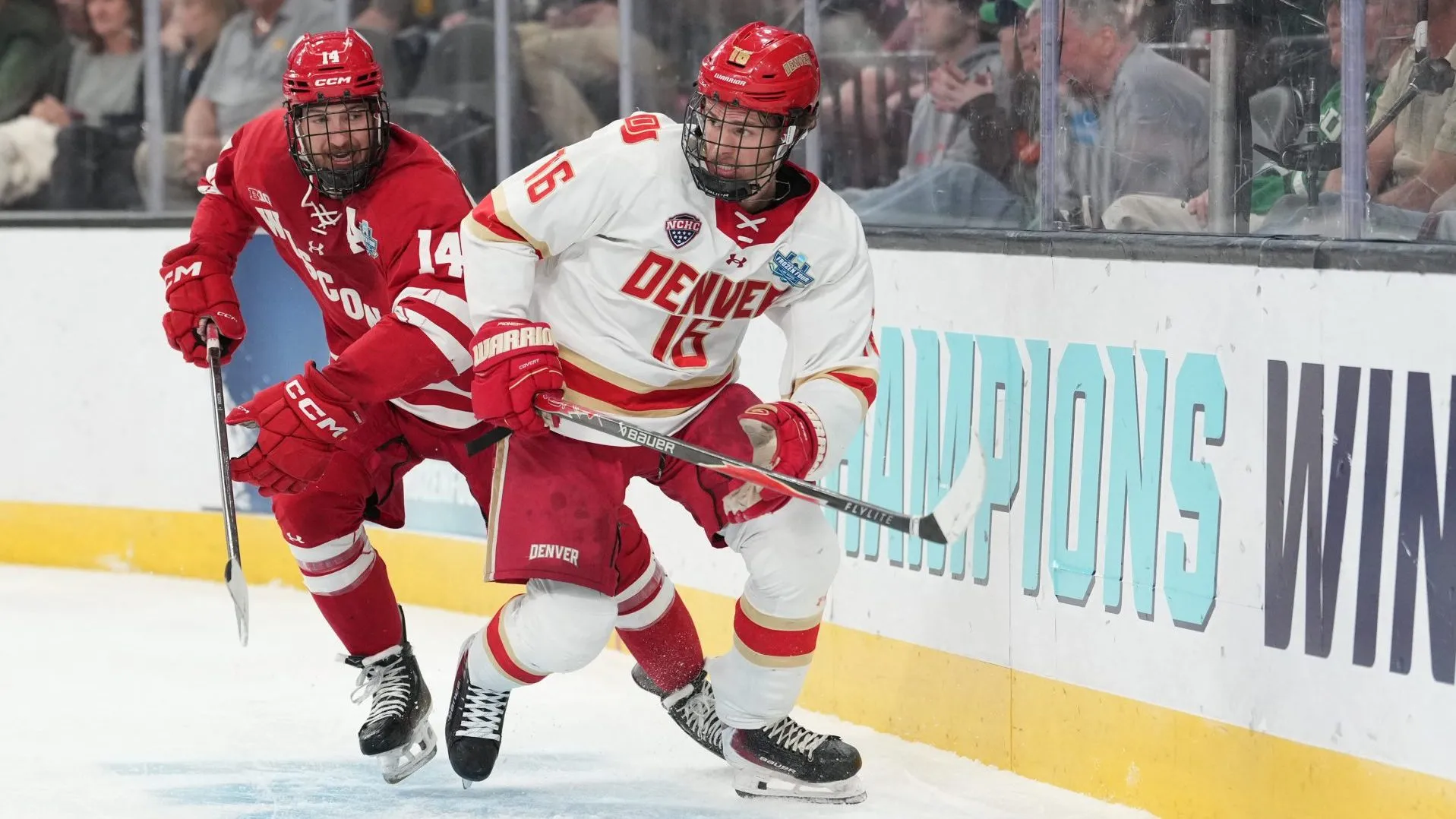
In 2025, 99% of first-year players across the 63 D-I men’s programs came from junior leagues, says Heather Weems, commissioner of the National Collegiate Hockey Conference, which includes 2026 national champion Denver. “It’s not an anomaly,” she tells Front Office Sports. “It’s not a loophole.”