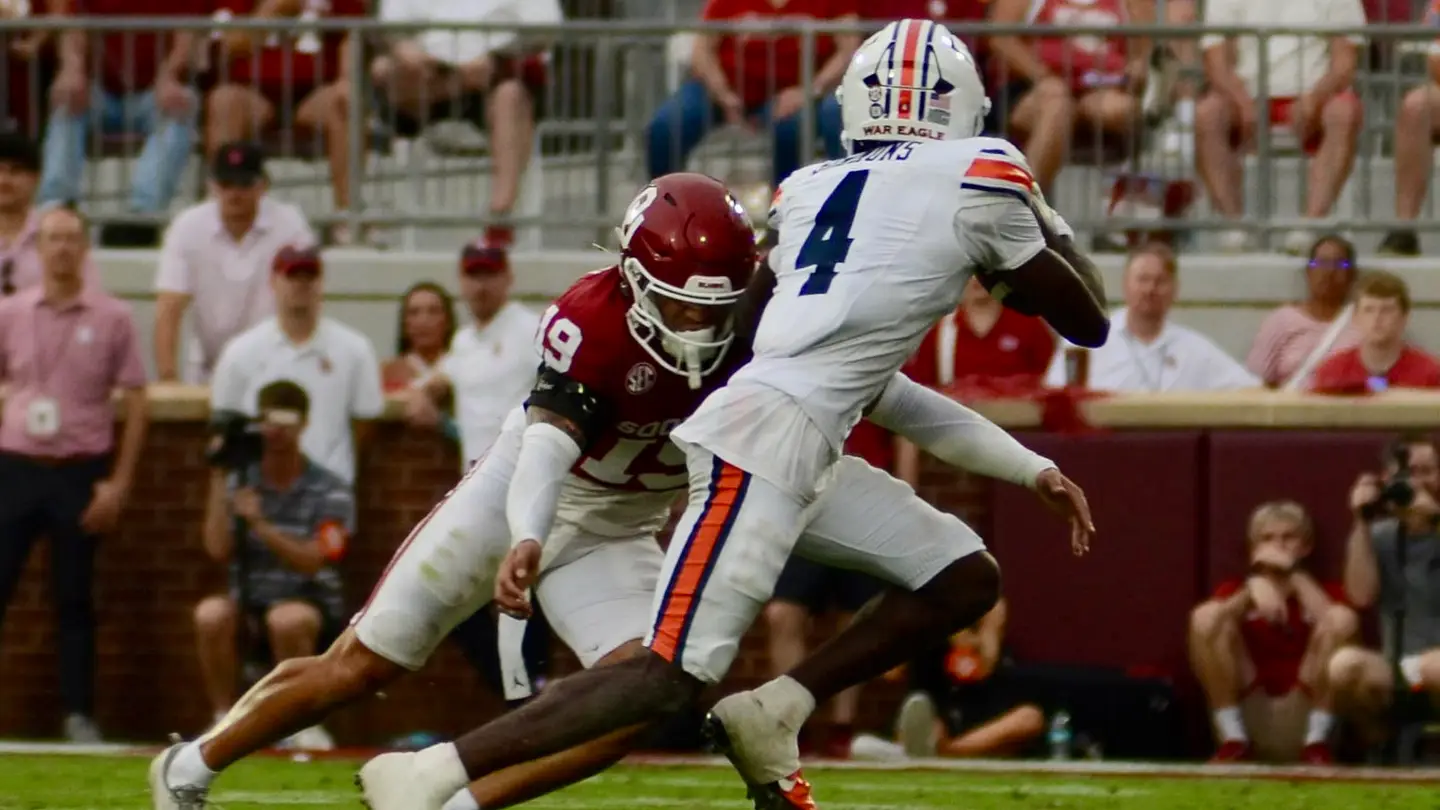
The NCAA Division I Council approved a groundbreaking aged-based student-eligibility model Tuesday that would give student-athletes five years of athletic eligibility while eliminating traditional redshirts and significantly reducing the need for eligibility waivers.The details of the new model show that high school athletes who reclassify their grade level, or are held back in middle and high school, could lose college eligibility if they do not begin their college careers by the age of 19.First proposed in April, the athletes in all NCAA Division I sports will now have five years of eligibility, once their eligibility clock begins. The clock will start once a student-athlete begins full-time enrollment in college, or at the beginning of the academic year following their 19th birthday, whichever takes place first.Origins of the 5-in-5 ModelThe concept of the "5-in-5" rule was floated in early April in a White House roundtable, chaired by President Donald Trump, and formerly introduced for consideration by NCAA President Charlie Baker, later that month.In addition to providing an extra year of competition, the model is designed to eliminate the need for redshirts and reduce reliance on waiver requests. Athletes who exhausted their eligibility at the conclusion of the 2025-26 academic year would not be included. Schools will have discretion regarding how the new model applies to current student-athletes who still have remaining eligibility and have not reached age 24.Reducing Reliance on WaiversMedical and hardship waivers have long been part of the NCAA landscape, but have been complicated greatly with the introduction of name, image and likeness rules, as players have fought for extra years of eligibility to maximize their earning potential on the college level. Often, this has led to contentious and costly litigation. The blanket change puts all student-athletes on a level playing field.Potential Impact on High School AthletesIt has been a common practice, especially at private schools, to hold young student-athletes back one grade level in middle school or when transferring early in their high school careers, to allow for an extra year of growth and development. Under the new model, athletes who delay their academic progression could potentially begin their NCAA eligibility clock earlier than they would under the current system.Older Athletes Will No Longer Have an NCAA PathNIL opportunities have increased interest in college athletics among some older athletes who previously pursued professional careers overseas.Such is the case of Yam Madar, a 2020 draft pick of the Boston Celtics who has built a successful European career. In May, multiple media outlets reported that Madar, 25, had agreed to a deal to play for LSU. Under the old rules, he could have had at least four years of NCAA eligibility. Because the proposal includes limited exceptions for military service and religious missions, athletes in situations similar to Madar's may still be eligible to seek relief through the NCAA review process.Add us as a preferred source on GoogleFollow
NCAA's New 5-in-5 Rule Could Reduce the Benefits of Repeating a Grade for Middle and High School Athletes
The NCAA Division I Council approved a groundbreaking aged-based student-eligibility model Tuesday that would give student-athletes five years of competition el
478 words~2 min read