Today’s guest columnist is Daryl G. Jones, director at Hedgeye Research.
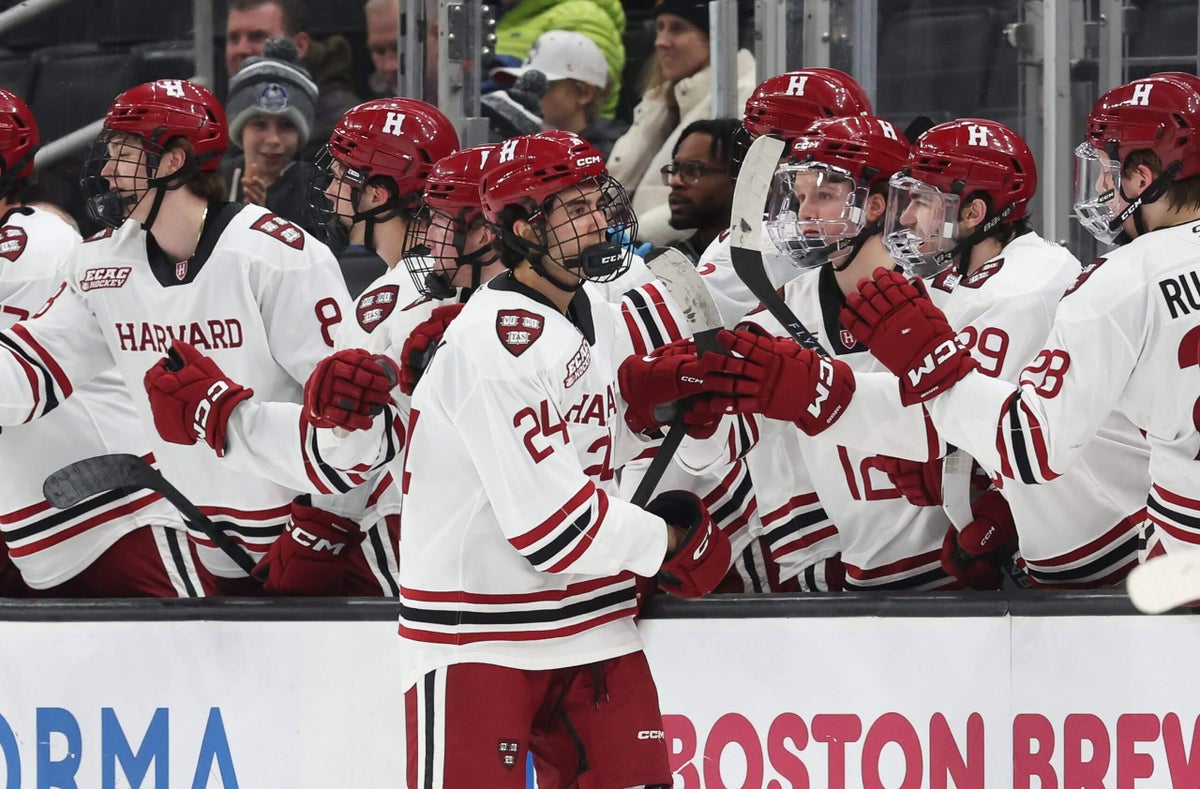
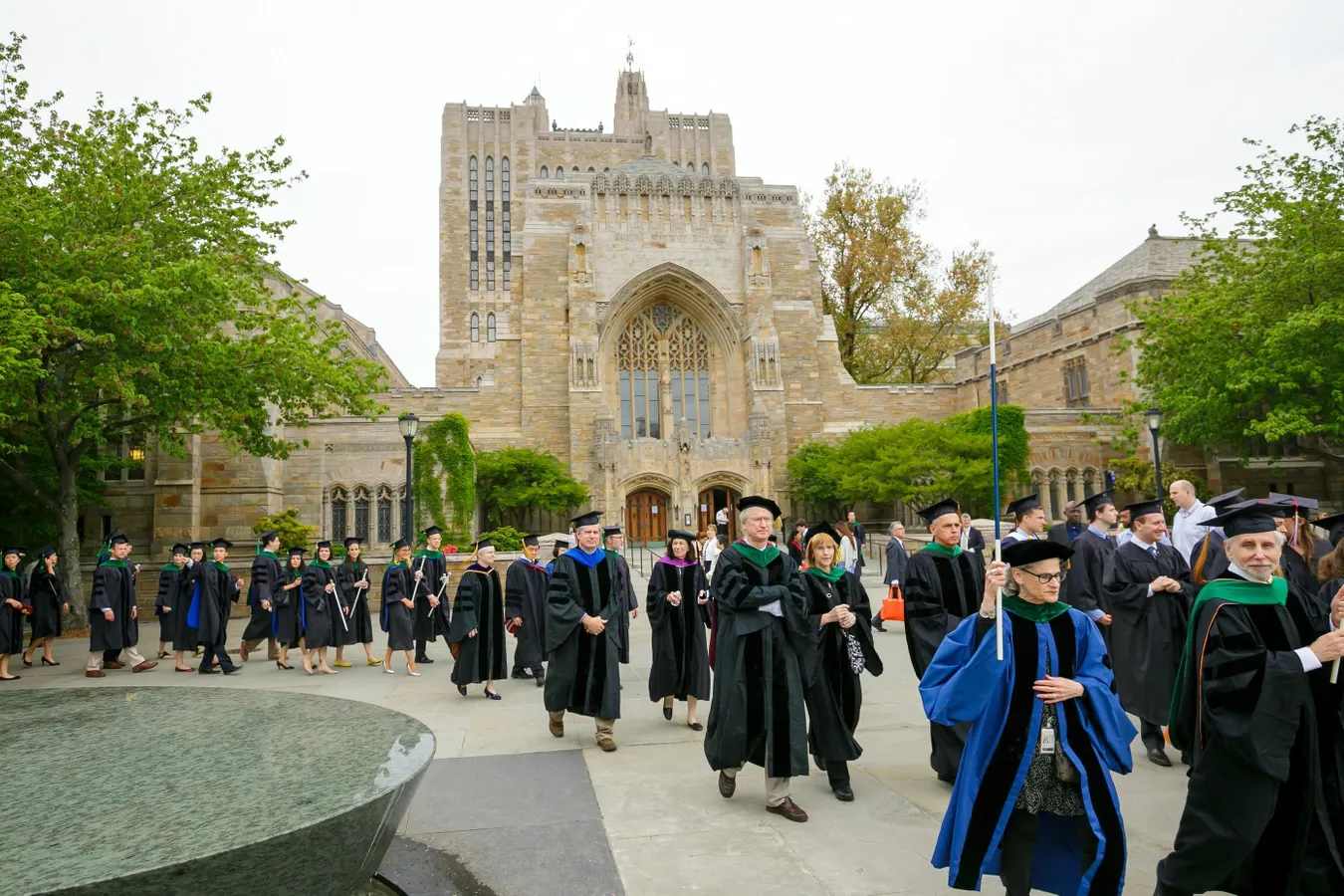
I was a 20-year-old Yale freshman in 1994. I had skipped a grade in middle school and played two years of junior hockey, arriving on campus older than my classmates but right on time for the sport I’d chosen.
That junior runway was the only reason I was ready for the ECAC. The NCAA opportunity that followed was the most important of my life. I think about it every time I read the proposal to overhaul Division I eligibility—under it, I would have arrived at Yale with only two years of eligibility left. The system that produced my path is being treated as the problem. It isn’t.
The new “5-for-5” framework gives every DI athlete five seasons within a five-year window, with the clock starting at whichever comes first: high school graduation or the athlete’s 19th birthday. It answers a real problem in football and basketball, where the portal, NIL and redshirt rules have produced 25-year-old quarterbacks on third schools and basketball players logging seven or eight years. The NCAA’s cabinet wants a hard ceiling on that. Fair enough—but the rule, written for football’s pathologies, sweeps in a sport that already polices itself.