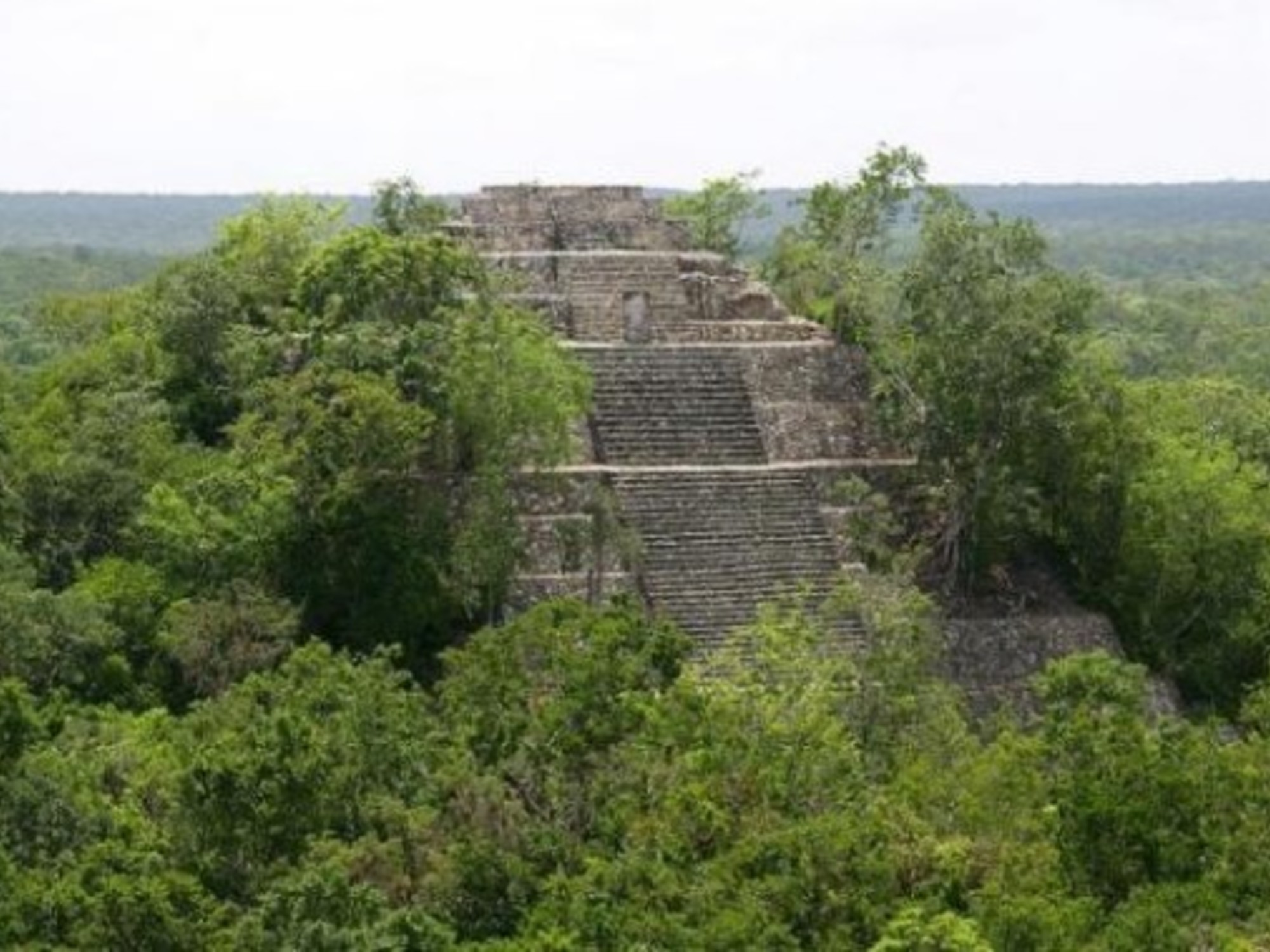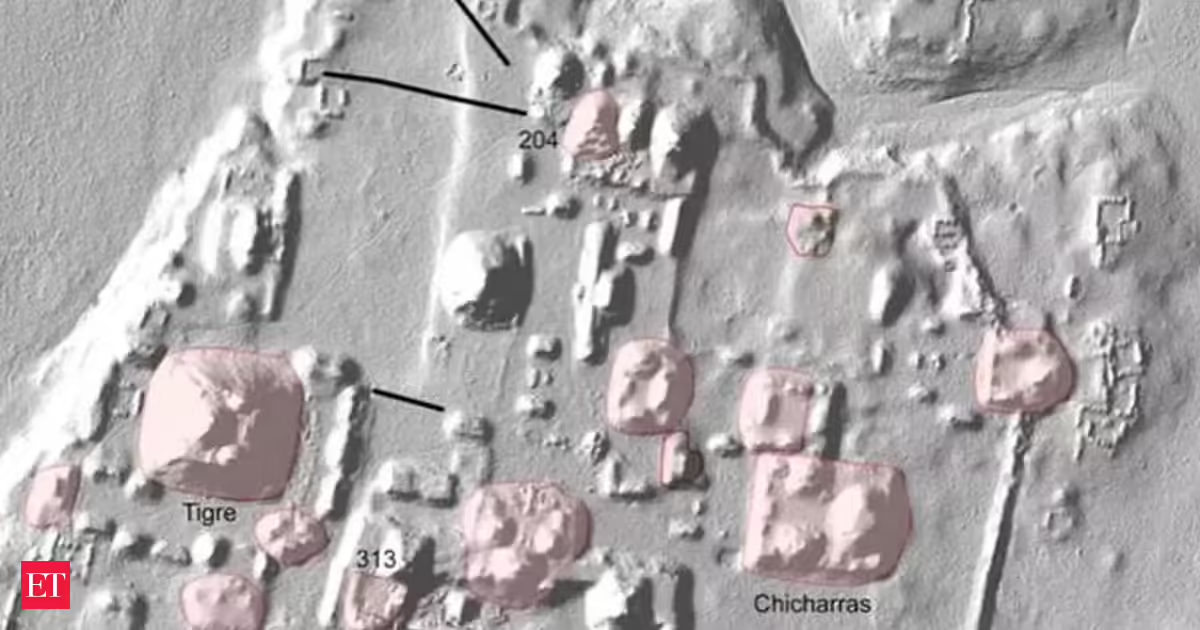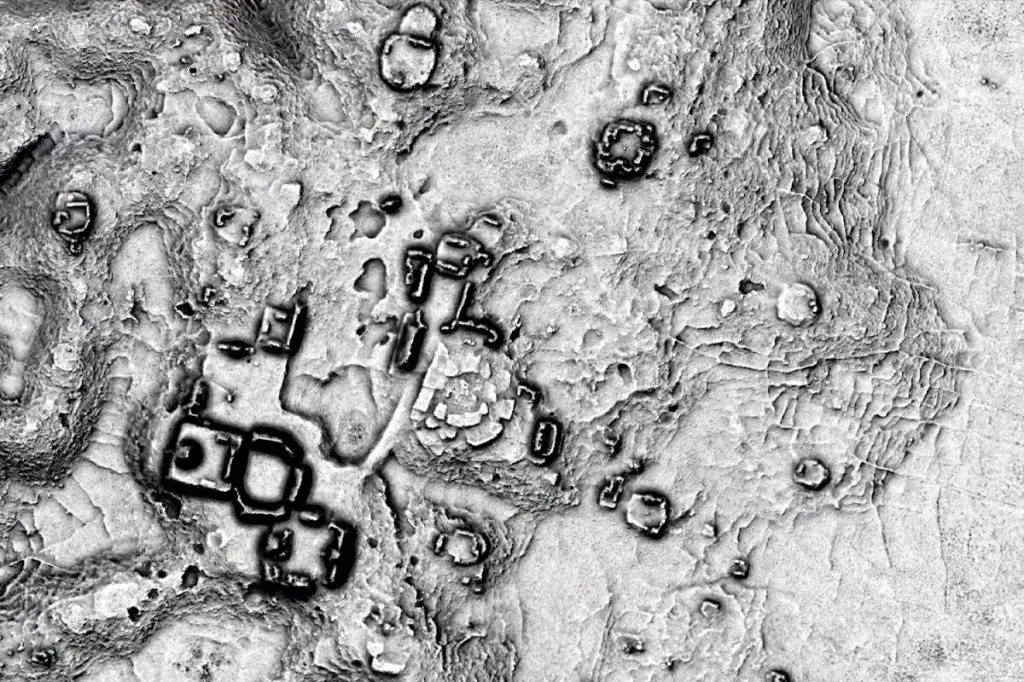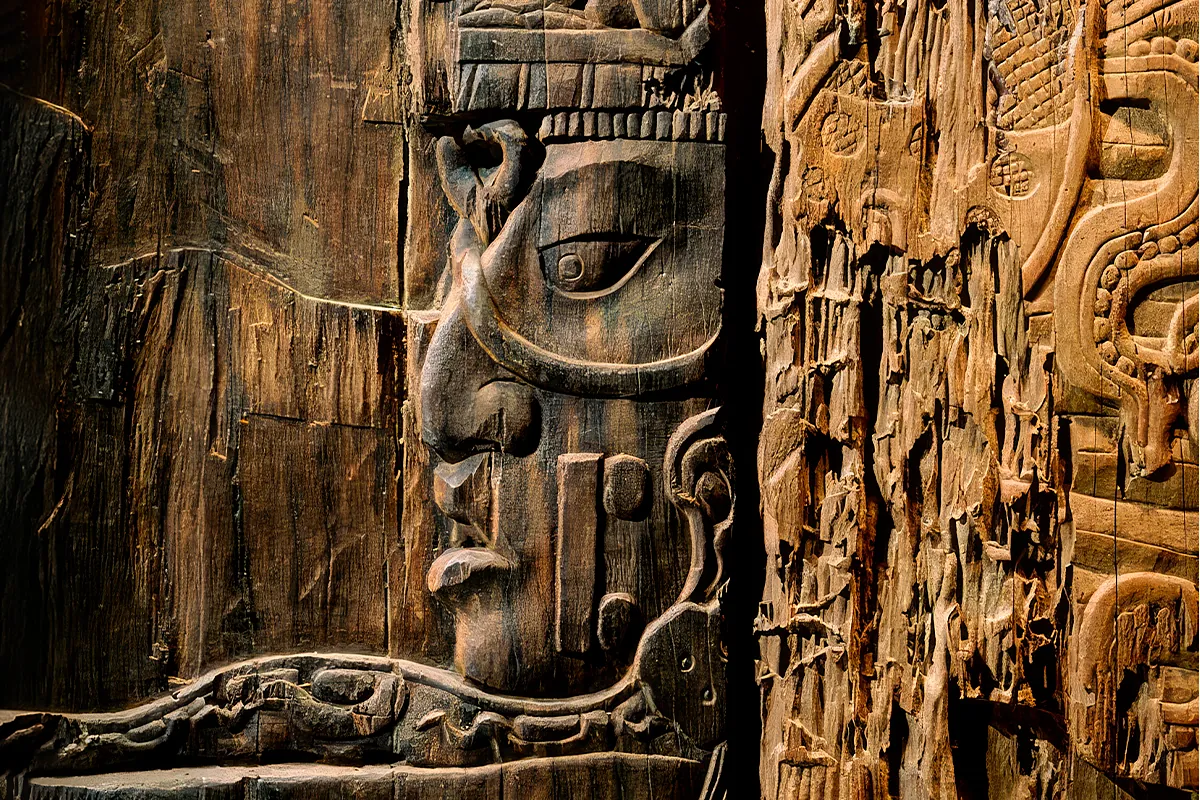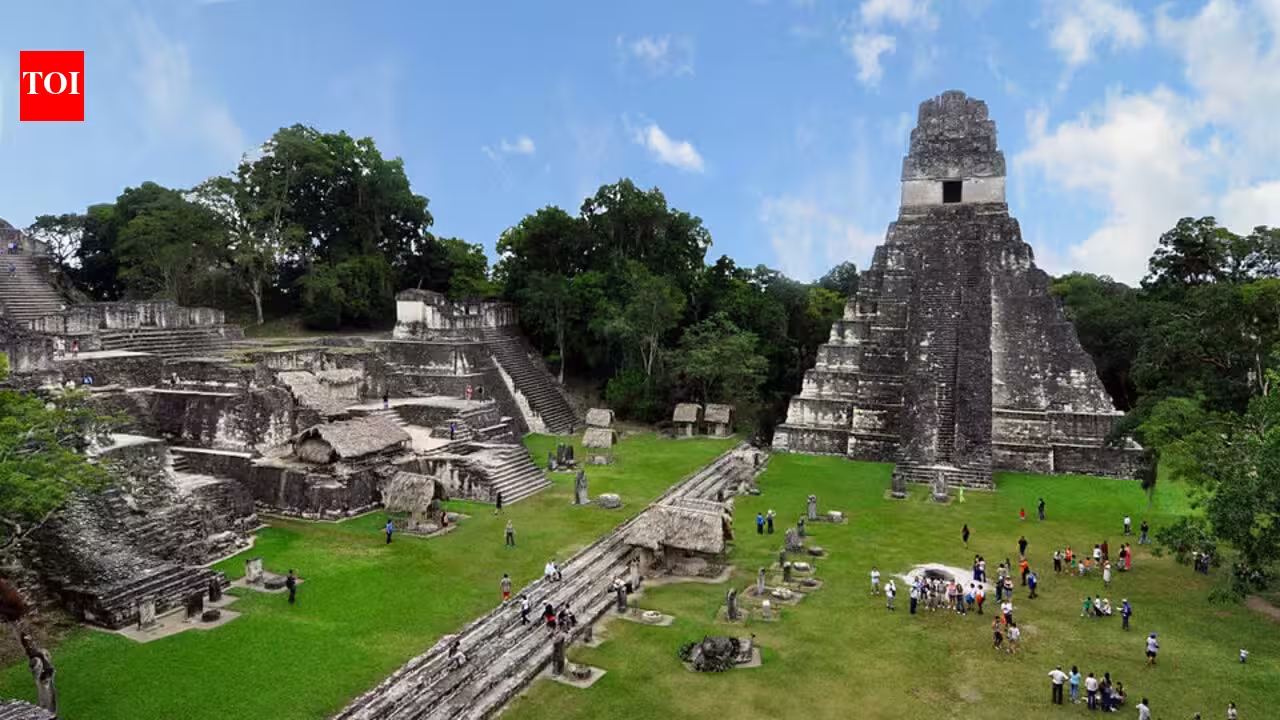
Thousands of years ago, Mayans built quake-resistant structures; today, Tikal's resilience still astounds in Guatemala's seismic history. Image credits: Wikimedia Commons.Towering above the rainforest in northern Guatemala, Tikal's temples have survived for more than a thousand years in a region marked by heavy rainfall, dense vegetation and recurring earthquakes. While some structures have been damaged over time, many of the city's monumental buildings remain remarkably well preserved. Their longevity has intrigued archaeologists and materials scientists, who are uncovering how the Maya's construction materials and building techniques helped create structures that endured for centuries.Beyond limestone and mortar The ancient Maya built some of Mesoamerica's largest cities between about 250 and 900 CE. At Tikal, they quarried limestone locally to construct towering temples, palaces and ceremonial platforms. But the buildings' strength depended on more than the stone itself.According to a study published in Science Advances, Mayan builders produced an unusually durable lime plaster by mixing burned limestone with extracts from local plants. The researchers found that organic compounds from tree bark became incorporated into the mineral structure of the lime as it hardened, producing a tougher plaster that was more resistant to cracking and weathering than conventional lime plaster. Rather than acting as simple additives, the plant extracts influenced the formation of calcite crystals, contributing to the material's long-term durability.Researchers say the Maya also relied on careful craftsmanship. Limestone blocks were cut to fit closely together, reducing large gaps within walls, while thick masonry helped distribute the weight of massive temples. Archaeological evidence also suggests that important buildings were regularly repaired, enlarged and reinforced rather than abandoned, helping them remain stable over generations.Building in a geologically active region Guatemala lies in a geologically active region where the Caribbean, North American and Cocos tectonic plates converge. Although Tikal is not near any of these faults, earthquakes have been common in the region throughout its history. Rainfall and vegetation have also contributed to erosion and deterioration.In a study published in the Journal of Archaeological Science, researchers analysed Maya mortars from Río Bec and other archaeological contexts and identified siliceous, aluminium-rich particles that reacted with lime to form pozzolanic compounds, including calcium silicate hydrate. These chemical reactions helped some mortars develop denser structures and improved durability, particularly against moisture-related deterioration. However, the researchers noted that this technology was not used universally across all Maya sites or construction periods. The survival of Maya monuments reflects not only the properties of their building materials but also factors such as architectural design, repeated repairs and continued maintenance over time.East side of the Plaza of the Seven Temples in the ancient Maya city of Tikal, Guatemala, with the seven temples. Image credits: Wikimedia Commons.Lessons for modern buildersThe study is also drawing interest from materials scientists. Researchers are investigating how the natural additives used in ancient Maya lime plasters influenced their durability and whether these insights could inform the development of more sustainable construction materials. While such techniques are unlikely to replace modern cement, they may offer ideas for improving the performance of lime-based materials in certain applications.The Mayans produced these materials without modern chemistry or engineering software. Instead, they relied on locally available materials and construction techniques refined through generations of observation and experimentation. Their work suggests that long-lasting buildings depend not only on advanced technology but also on a deep understanding of natural materials. For visitors and researchers alike, Tikal's temples offer a striking reminder of the site's historical importance and the durability of Maya construction methods. The longevity of Tikal's temples reflects the combined strength of their materials, construction techniques and continued upkeep over the centuries.
Thousands of years ago, Mayans built quake-resistant structures; today, Tikal's resilience still astounds in Guatemala's seismic history
Towering above the rainforest in northern Guatemala, Tikal's temples have survived for more than a thousand years in a region marked by heavy rainfall, dense vegetation and recurring earthquakes. While some structures have been damaged over time, many of the city's monumental buildings remain remarkably well preserved.
599 words~3 min read