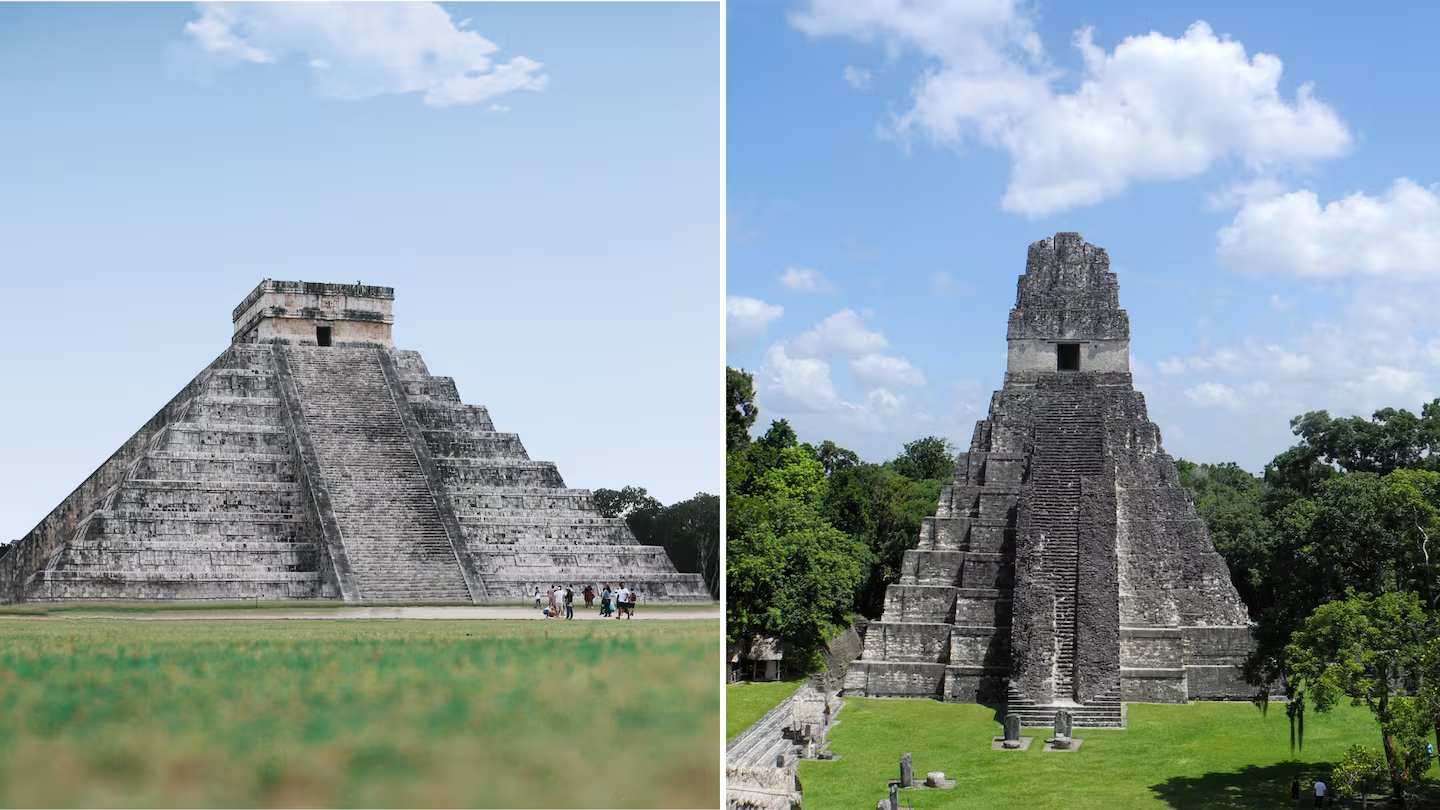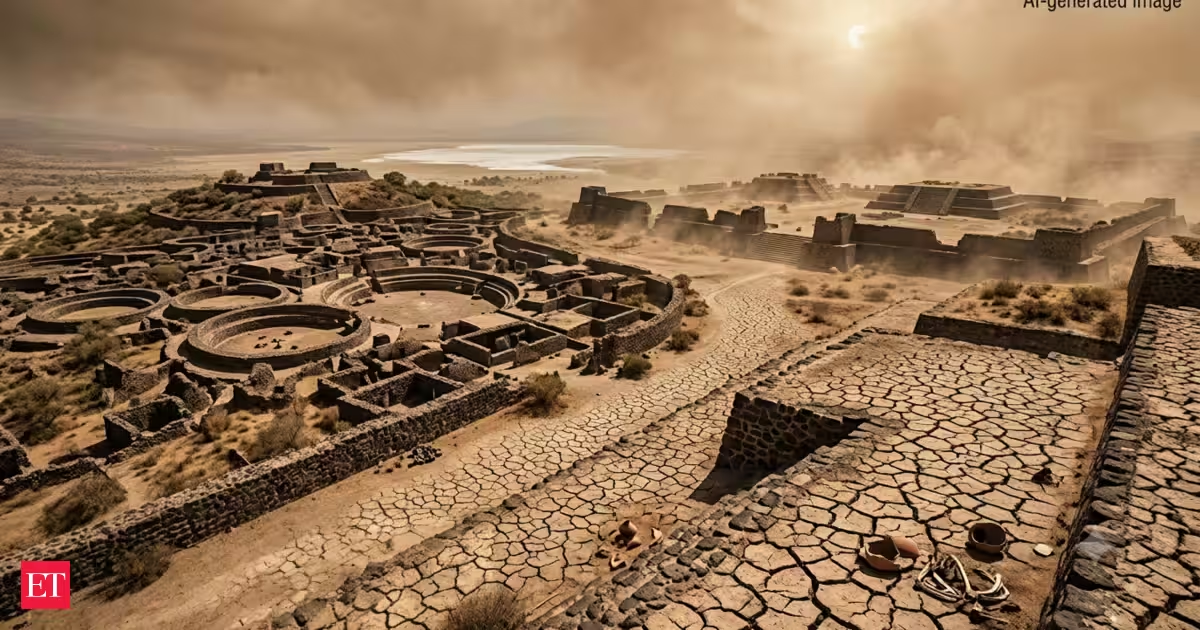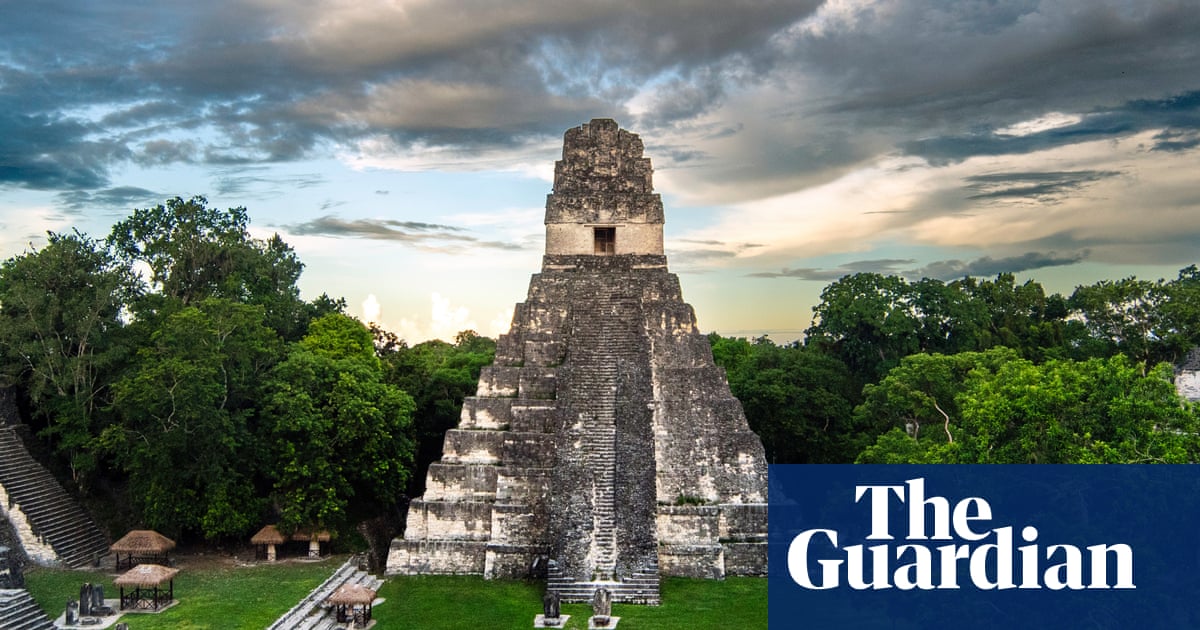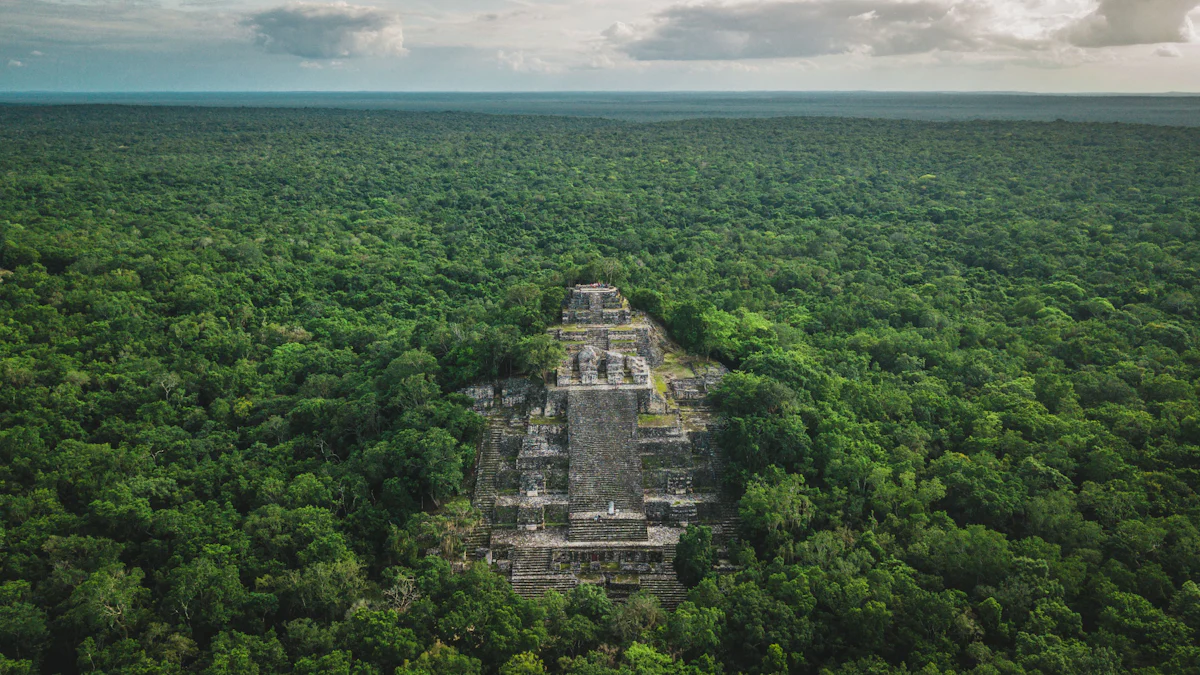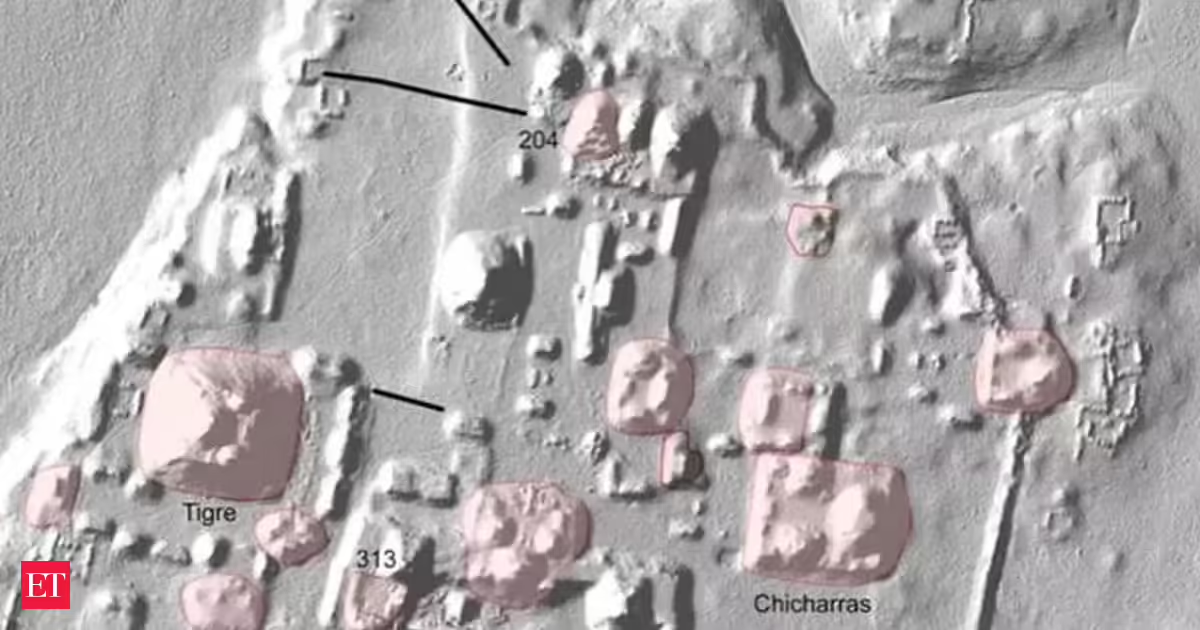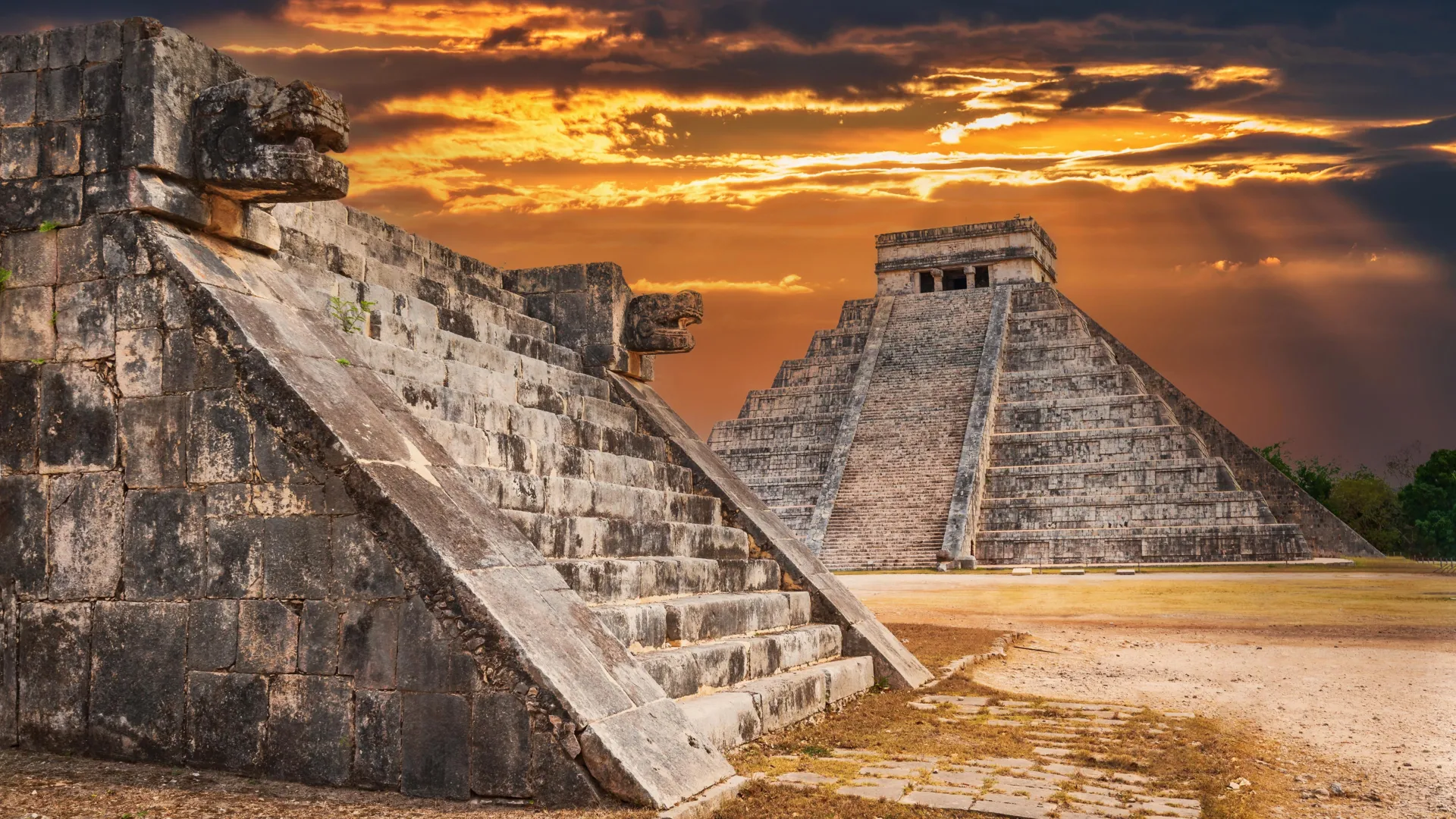
Between 750 and 900 CE, the Maya lowlands in Central America went through a dramatic drop in population and political power. For years, researchers linked this decline to repeated periods of severe drought.
That explanation has long dominated scientific thinking. But new findings based on sediment records stretching back 3,300 years suggest the story may be more complicated than a simple climate crisis.
Benjamin Gwinneth, a geography professor at Université de Montréal who studies environmental change and its impact on the Maya, has been investigating the Itzan archaeological site in present-day Guatemala.
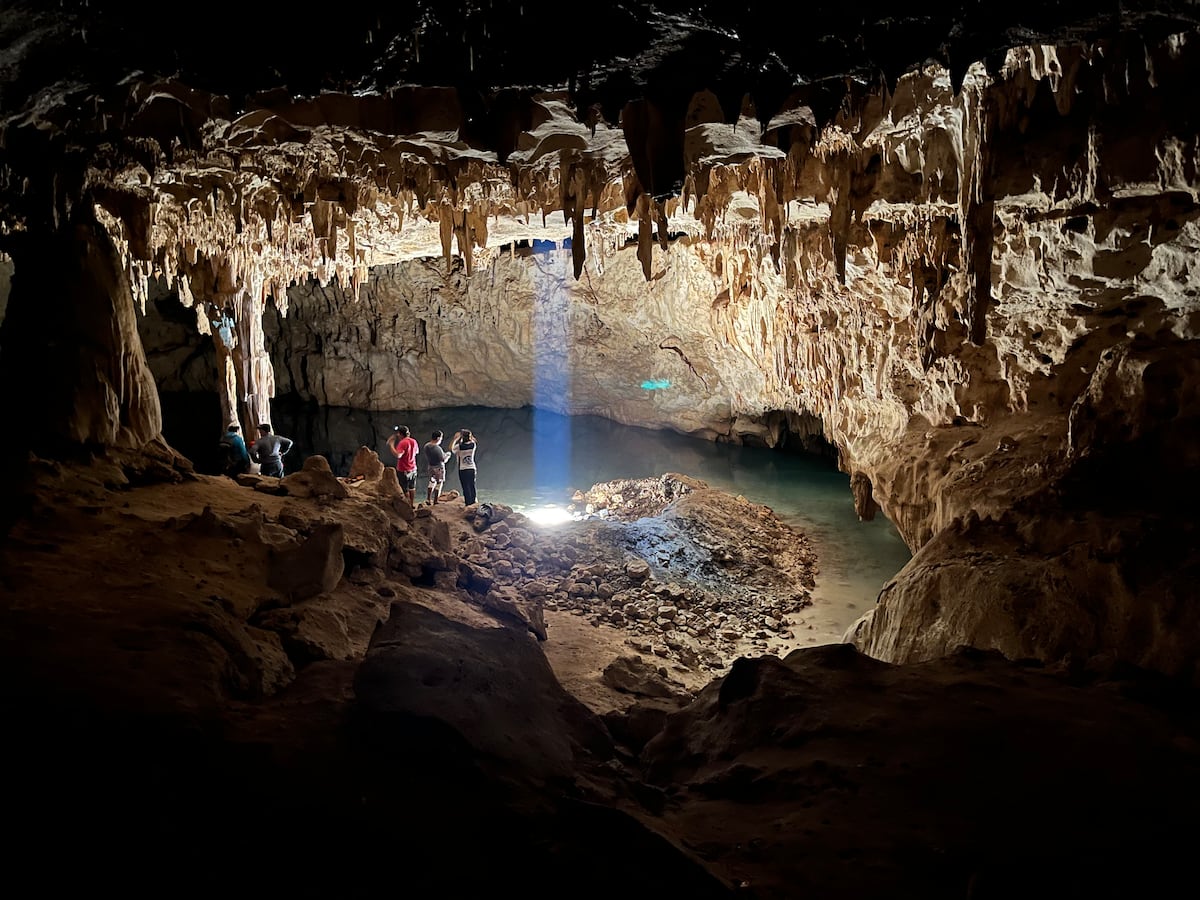
By analyzing sediment cores from Laguna Itzan, a nearby lake, Gwinneth and his team have been piecing together a long-term record of both environmental conditions and human activity in the region.
Surprisingly, their results show no signs of drought at Itzan during the period when the Maya population declined. Even so, the local population collapsed at roughly the same time as communities in other parts of Guatemala and Mexico that did experience drought.