in History, Math | July 29th, 2026 Leave a Comment
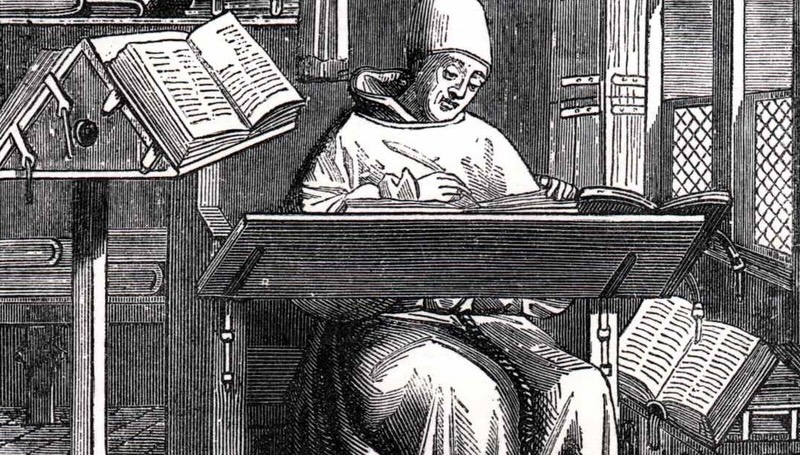
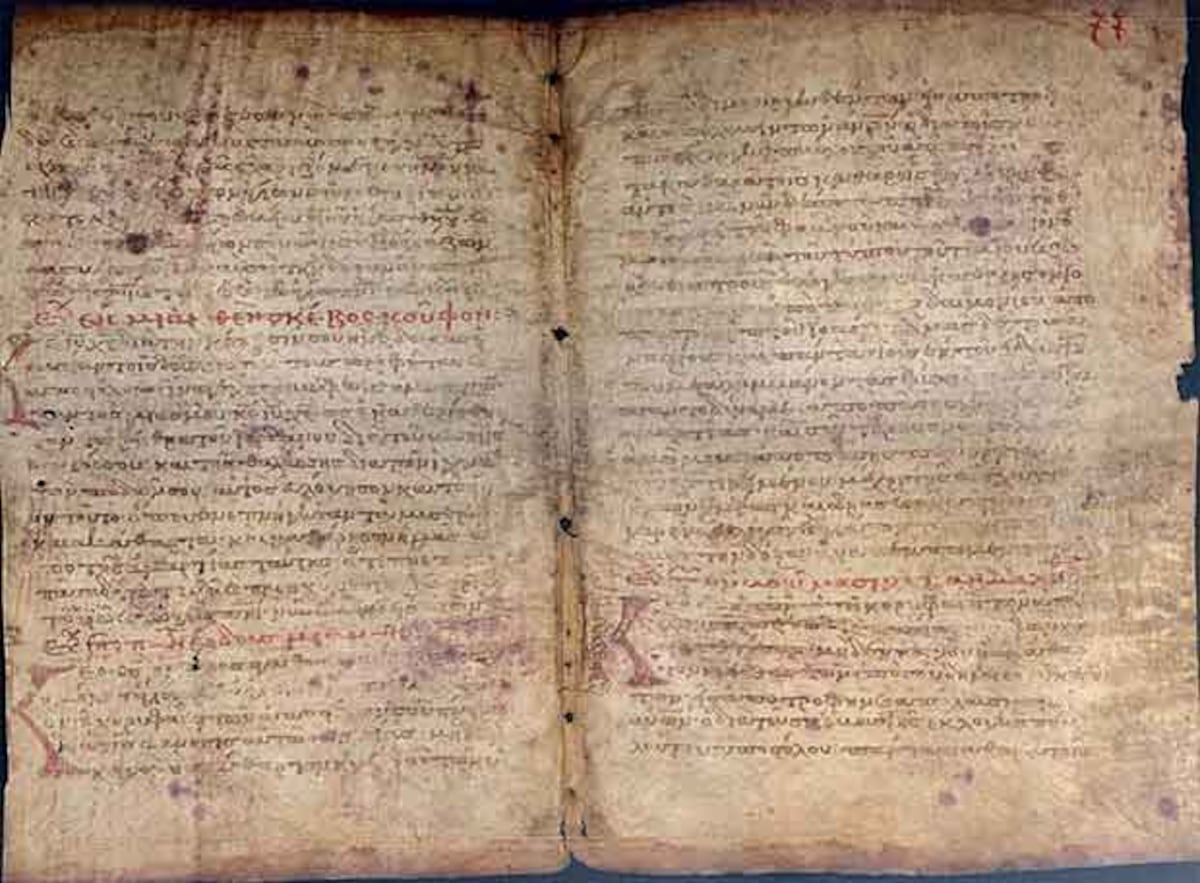
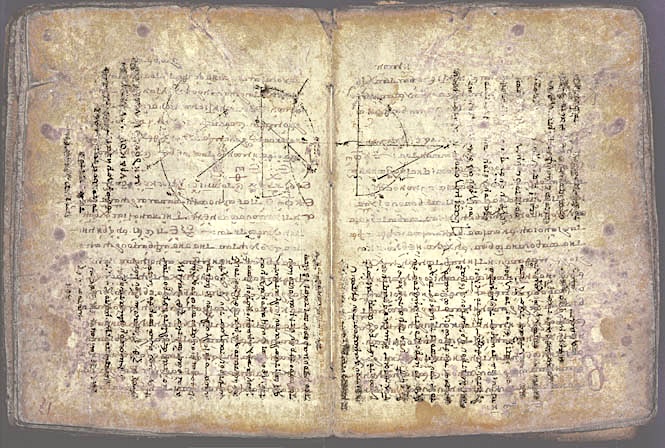
In Jerusalem of the year 1229, there lived a Greek Orthodox monk named Johannes Myronas. Needing some parchment for a prayer book, he grabbed some already-used pages, erased their existing content, and over them wrote down “prayers for the dead, prayers for repentance, blessings for the loaves at Easter, and even a prayer for those who were unreasonably excluded,” says math-and-science YouTuber Ben Syversen in the video above. Myronas may have fulfilled his religious duty without using too much valuable parchment, but he couldn’t have known the even greater relevance his actions would turn out to have had in the realm of mathematics. For the pages he’d scrubbed were a Greek compilation containing the only known copy of certain works by the ancient polymath Archimedes.
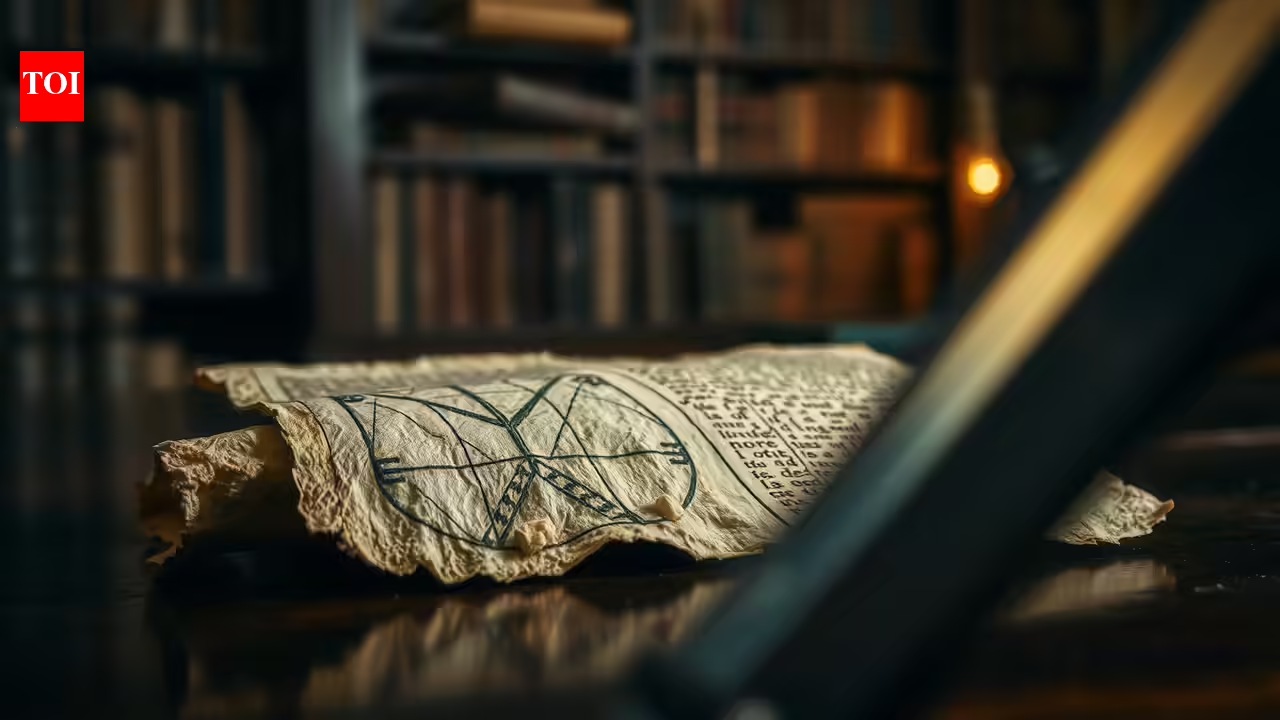
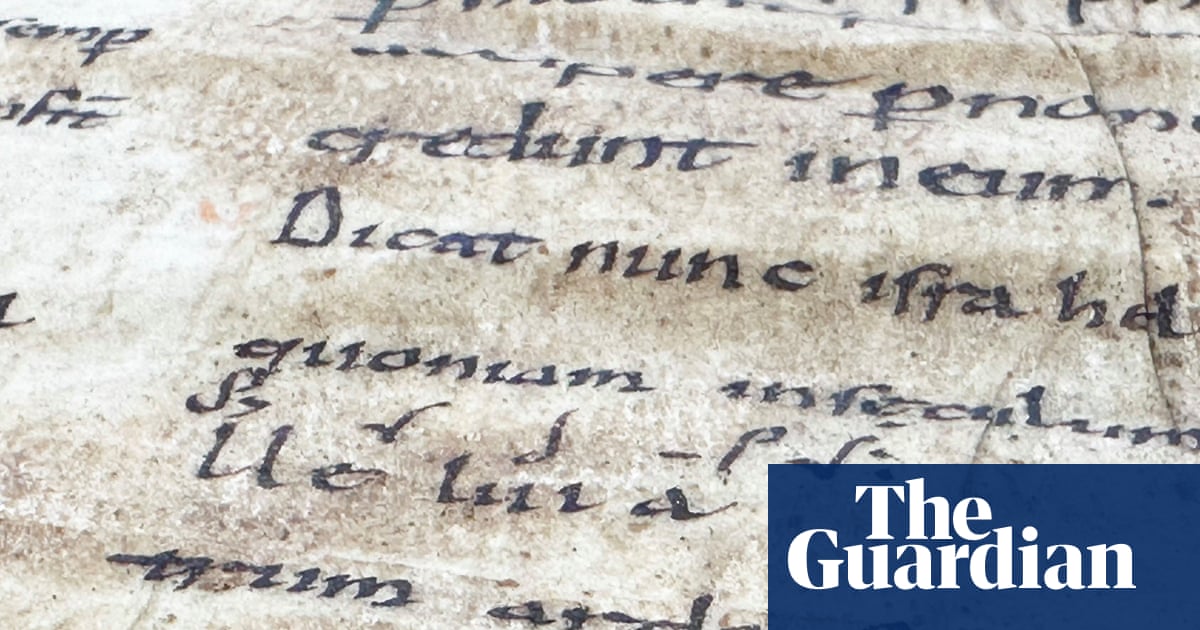
As it turns out, Myronas committed perhaps the most notable act of inadvertent preservation in the history of mathematics. We get the word palimpsest from the medieval practice of overwriting a page after first erasing what had been on it before, though incompletely; hence the meaning of multiple layers that have remained legible over time.