Ninth-century manuscript for Easter services remained ‘out of sight’ for years in hands of private collector
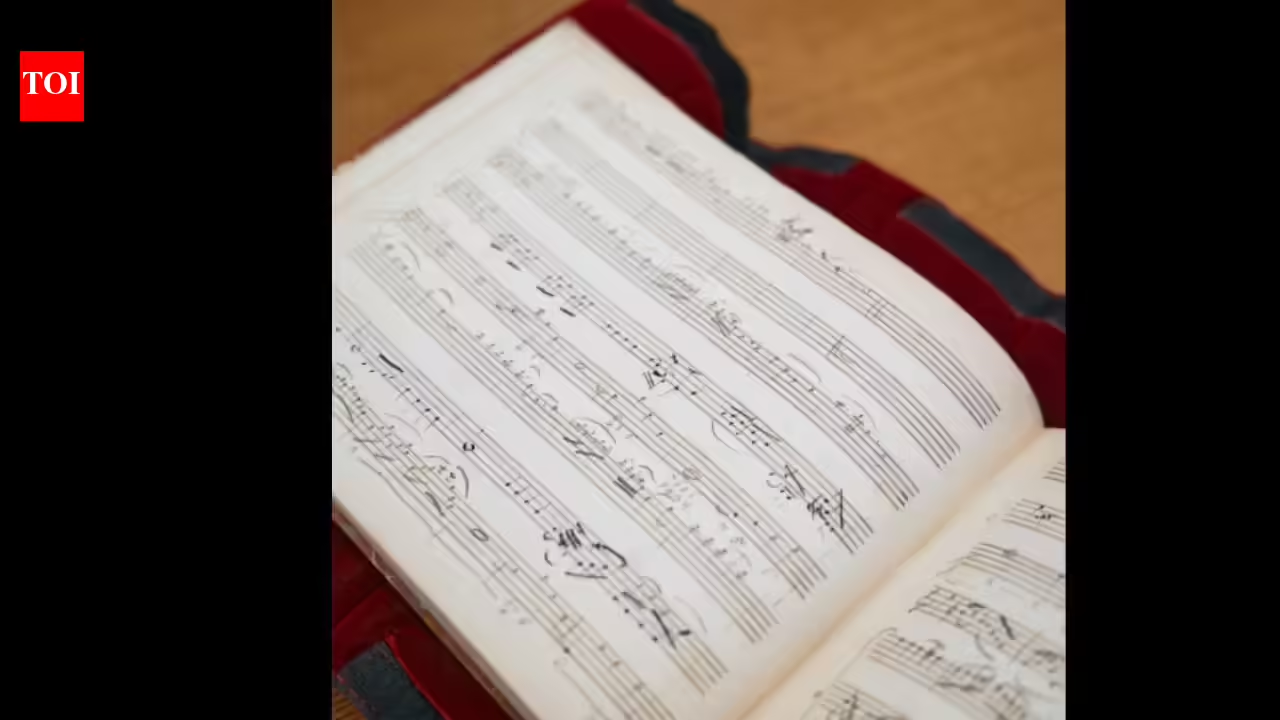
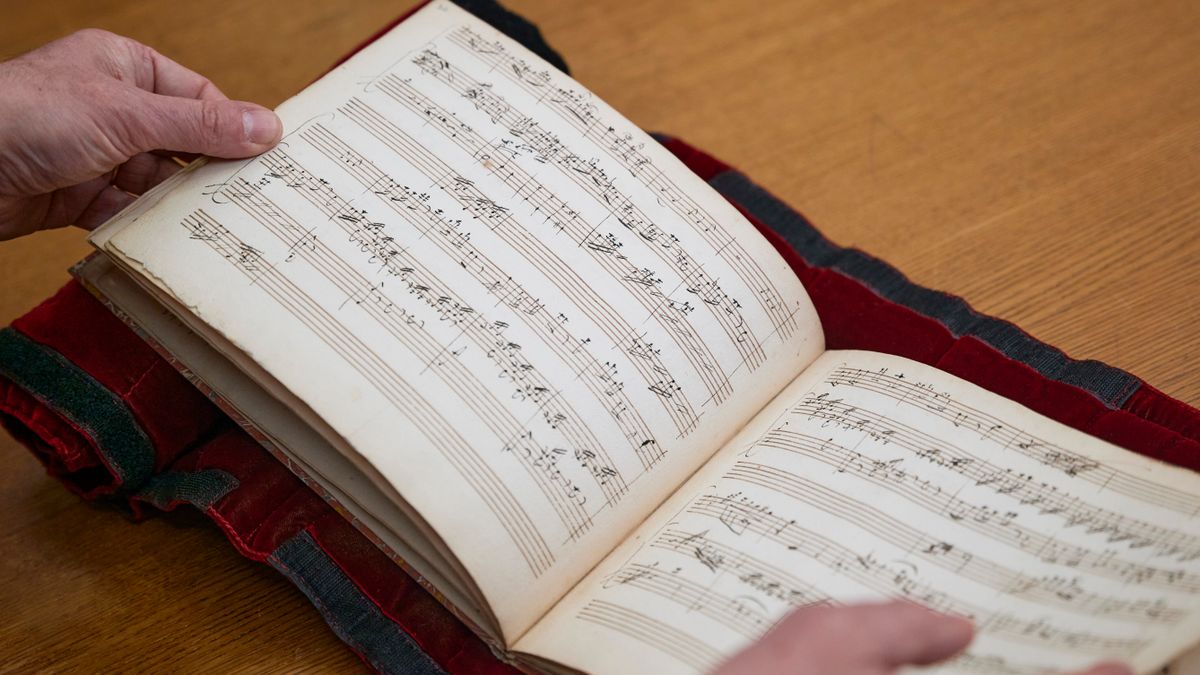
Researchers in Pennsylvania have uncovered what they believe are some of the earliest written notes in western musical history – on a ninth-century manuscript they say remained “hidden in plain sight” for years in the hands of a private collector.
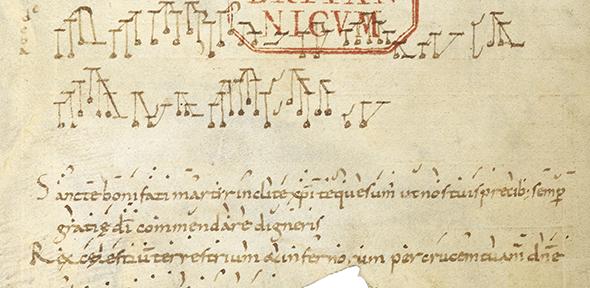
The notations – characters and dots similar to shorthand outlines – appear above the word “alleluia” on the document, a vellum manuscript leaf from a Latin sacramentary, a Catholic liturgical book used in western Europe during mass from the mid- to late 800s.
While earlier written forms of ancient musical notes exist, notably the Hymn to Nikkal, carved into clay tablets dated between 1400 and 1200BC, the sacramentary markings are among the first known depicting the birth of modern western music, according to the researchers.
They were discovered by historian and author Nathan Raab, president of the Raab Collection, during the evaluation of the document presented to him by the private owner. Raab believes the notations were previously overlooked or misunderstood, and he said he spent months researching their origin and significance.