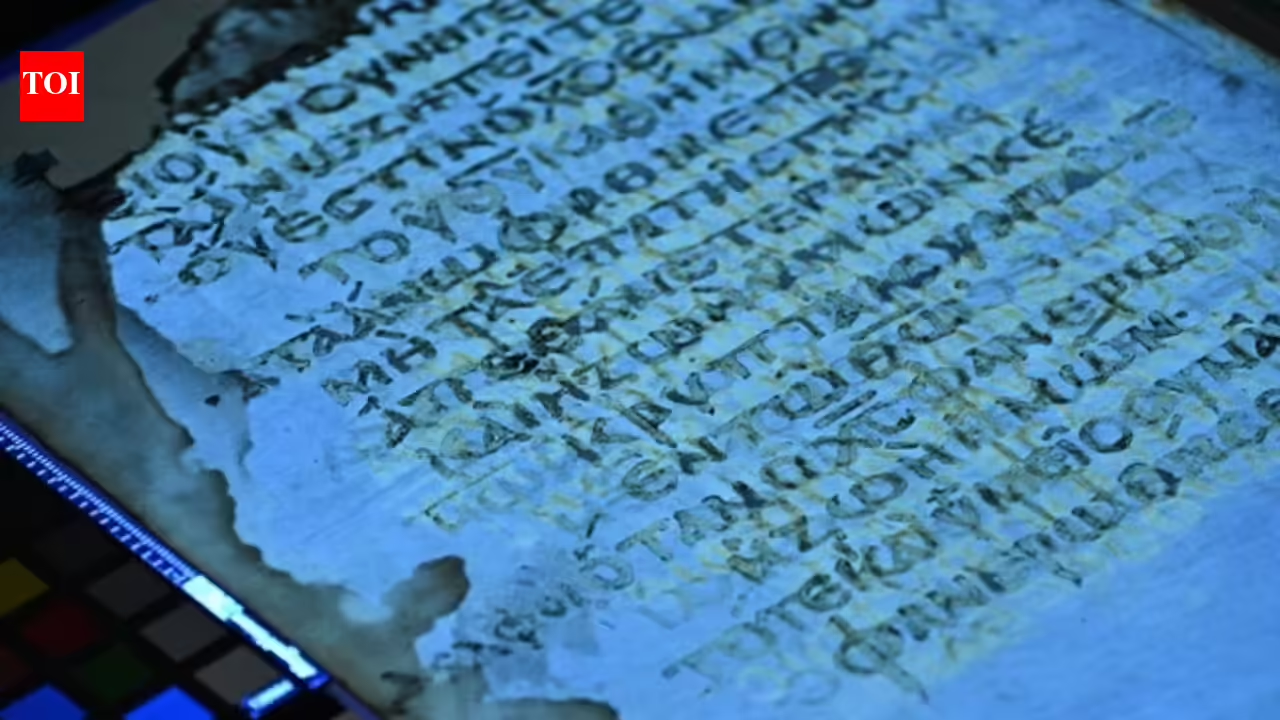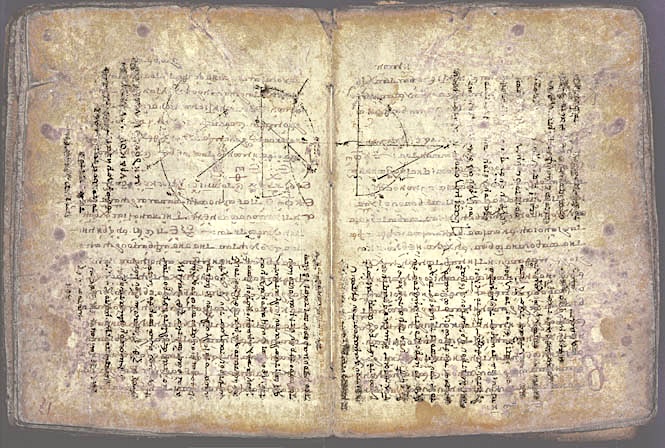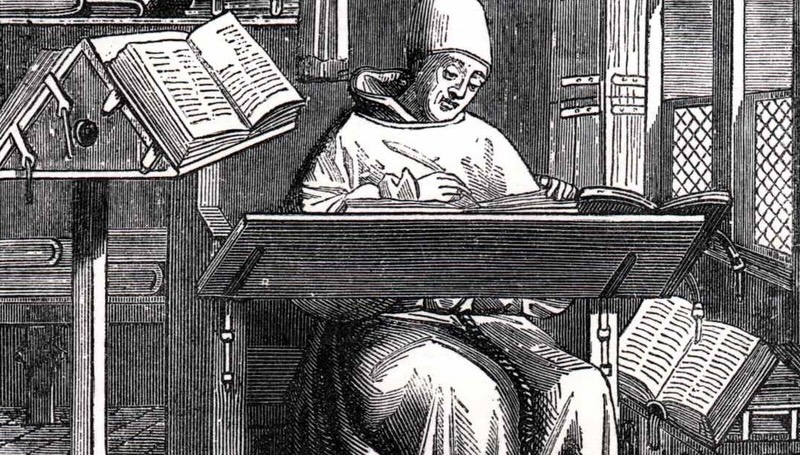
Because monastic life depended on books, it was natural that monks and nuns came to produce them. Many monasteries included a scriptorium, a dedicated writing room where books were meticulously copied by hand. In Northern Europe, the scriptorium was often located next to the calefactorium (warming room), where a fire was kept alive, allowing scribes to step in and warm themselves when needed. Most of these books were for the monastery’s own use, though some monasteries produced codices for sale.Article continues after advertisement
Today, we are grateful that these monastics preserved the cultural heritage of antiquity, but preservation was merely a byproduct, not the primary motivation of their work. Nor were they engaged in “art for art’s sake.” In the monastery, every activity was oriented toward a single purpose: communion with God. This infused all aspects of monastic life—prayers, of course, but meals, work, sleep, and conversations as well. Books and education were no exception.
Monks and nuns copied texts to produce Bibles and prayer books for worship, but also because writing was seen as a spiritual exercise. The abbot Rabanus Maurus wrote in the ninth century: “The fingers rejoice in writing, the eyes in seeing, and the mind at examining the meaning of God’s mystical words.” Cassiodorus, a monk and scholar, likened scribal toil to a spiritual battle against the devil and praised those who engaged in this noble work: “A happy purpose, a praiseworthy zeal, to preach to men with the hand, to set free tongues with one’s fingers and in silence to give mankind salvation and to fight with pen and ink against the unlawful snares of the devil.”