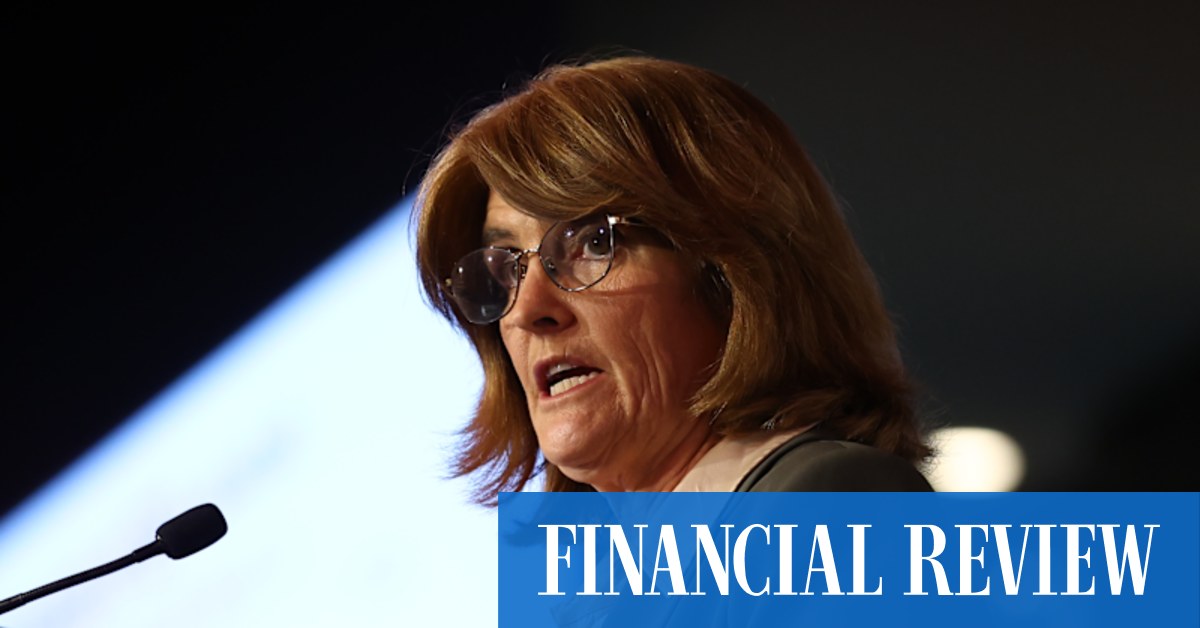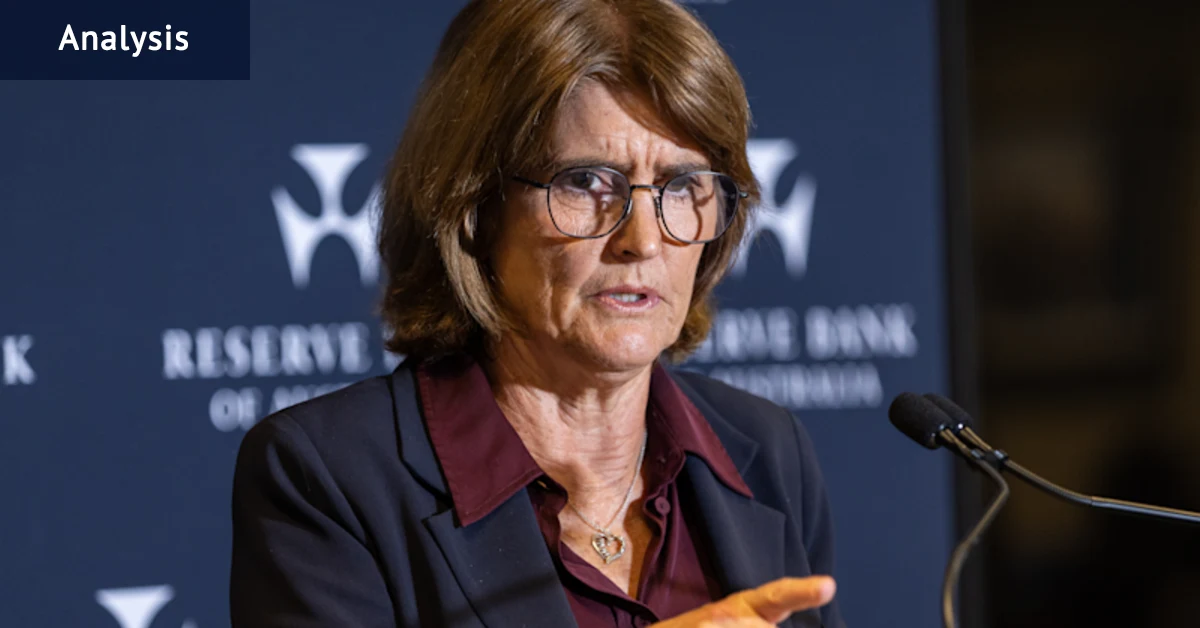
Updated July 29, 2026 — 4:41pm,first published 12:00pmThe nation’s four largest banks believe the Reserve Bank has finished with interest rate rises and will start cutting as early as May next year, after new inflation figures showed a surprising drop in prices on everything from eggs to furniture.The Australian Bureau of Statistics reported on Wednesday that prices eased for a second successive month in June, taking annual inflation down to 3.8 per cent from 4 per cent, while the key measure of underlying inflation was steady at 3.6 per cent.Inflation unexpectedly dropped in June – with the major banks now expecting no more rate rises this year.Max Mason-HubersEconomists, including those at the Reserve Bank, had expected much worse. The RBA had forecast in early May that inflation would be running at 4.8 per cent while underlying inflation would be 3.8 per cent.Before the figures, markets had put the chance of a rate hike at just 22 per cent at the Reserve Bank’s next meeting on August 10, and 11 per cent with expectations the RBA would push the cash rate to 4.6 per cent by year’s end.Those expectations collapsed to virtually zero after the data was released.Westpac chief economist Luci Ellis said although the RBA may debate the case for a rate hike at next month’s meeting, the case for one no longer existed.She said the bank would probably hold the cash rate steady at 4.35 per cent this year, with a cut possible from August 2027.“Inflation has been more benign than we feared and the RBA forecast. The substantial pass-through of higher energy costs seen in the early phase of the Middle East conflict has not been followed up in recent months,” she said.According to the ABS, the single largest price drop was petrol, which tumbled by 10.9 per cent after a similarly large fall in May.Prices also fell across a range of other goods and services including vegetables, eggs, lamb, wine, clothing for women and children, men’s shoes, furniture and household appliances.Rents as tracked by the bureau rose by 3.6 per cent over the past 12 months, unchanged from May and down by 0.3 percentage points from the same point last year.Despite the better-than-expected figures, inflation remains well above the Reserve’s 2-3 per cent target band. The single largest annual increase is electricity, up by 22.4 per cent due to the end of government subsidies, while costs associated with the construction of new homes reached a near three-year high of 5.8 per cent.But headline inflation could fall further next month. In July last year, overall prices jumped by 1.3 per cent, led by 30 per cent increases in Sydney and Canberra electricity prices.While petrol prices will increase, due to the federal government halving its excise discount, the big jump in electricity costs will fall out of the annual inflation rate.Treasurer Jim Chalmers noted that while the figures did not capture the lift in oil prices caused by the increase in hostilities between the US and Iran, there were encouraging signs.“This is the third consecutive month now where annual headline inflation has come down. It is an encouraging outcome that shows that we have made some progress on inflation since the budget, even in the face of very intense global economic uncertainty,” he said.Shadow treasurer Tim Wilson said the key driver of inflation remained spending by the government, accusing it of adding to higher prices faced by shoppers in the nation’s supermarkets.In May, both the Reserve Bank and the federal Treasury forecast the war against Iran would help drive inflation towards 5 per cent. There were also concerns of global oil shortages.But since then, key economic data has been weaker than expected. Unemployment, which the RBA had predicted to be around 4.2 per cent, is at 4.4 per cent, while there are signs that economic growth, household spending and new housing construction will be short of its forecasts.That weakness does not take in the full impact of the Reserve’s three rate rises earlier this year, which can take up to 18 months to work their way through the economy.The other key factor has been the fallout from the federal budget and its various property tax measures, such as changes to negative gearing and capital gains tax, which RBA governor Michele Bullock this week noted had probably contributed to a weaker-than-expected housing market.While new home construction inflation remains high, it is starting to ease month-on-month as the slowdown in the property sector makes it more difficult for builders to push up their asking prices.NAB senior economist Taylor Nugent said the Reserve’s next rate move would likely be a cut.“[We] continue to expect the RBA will hold policy rates at their current somewhat restrictive level of 4.35 per cent this year, before a gradual normalisation beginning from May 2027,” he said.Both the ANZ and the Commonwealth Bank expect at least one rate cut next year, as long as the tensions ease across the Middle East.Cut through the noise of federal politics with news, views and expert analysis. Subscribers can sign up to our weekly Inside Politics newsletter.From our partners
Big four banks put rate cuts back on the menu after surprising inflation drop
Surprisingly soft inflation figures suggest the Reserve Bank will not be lifting interest rates in coming months – and maybe not for the rest of the year.
848 words~4 min read