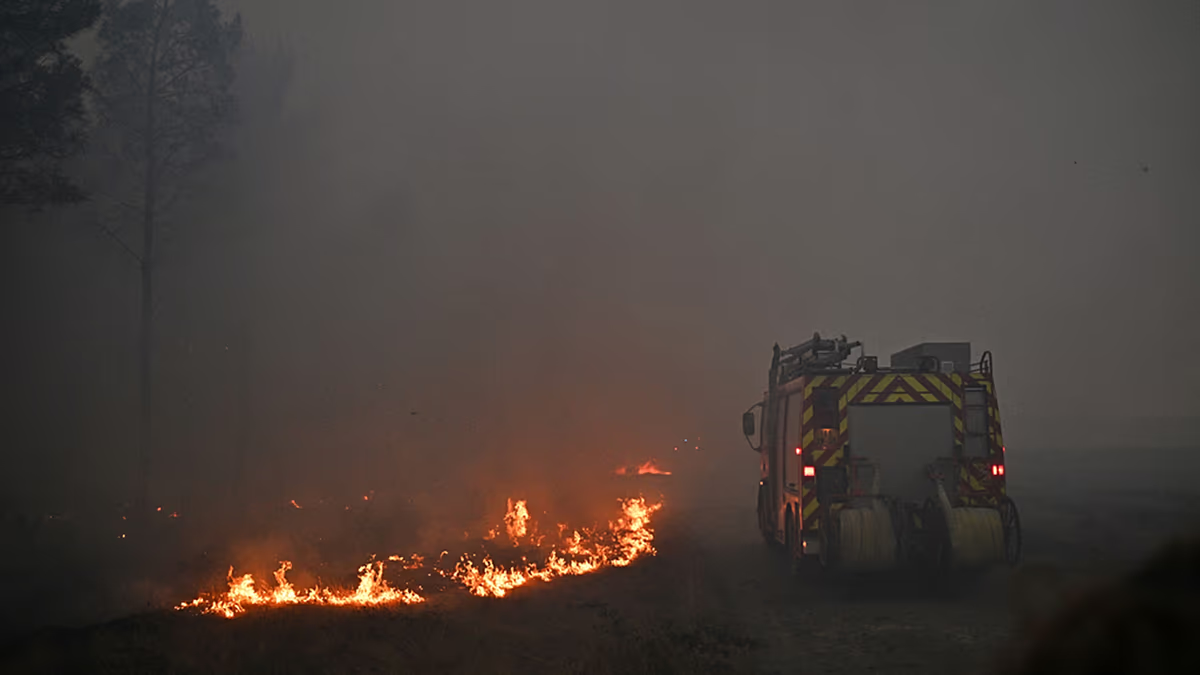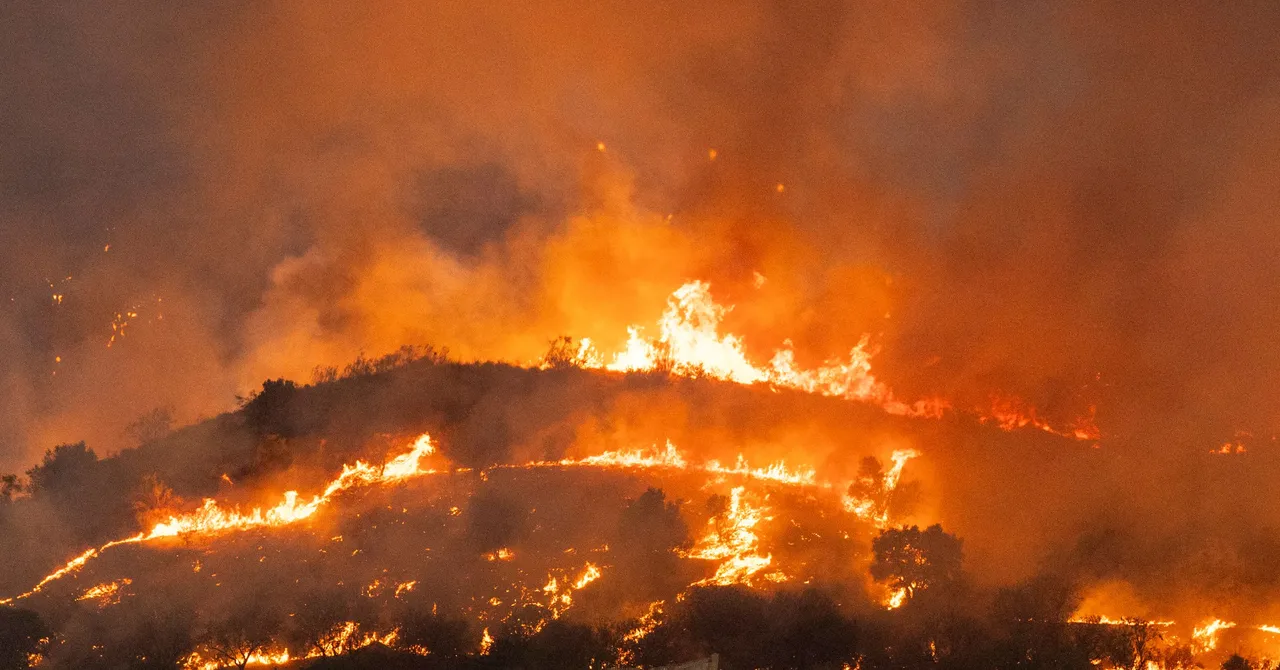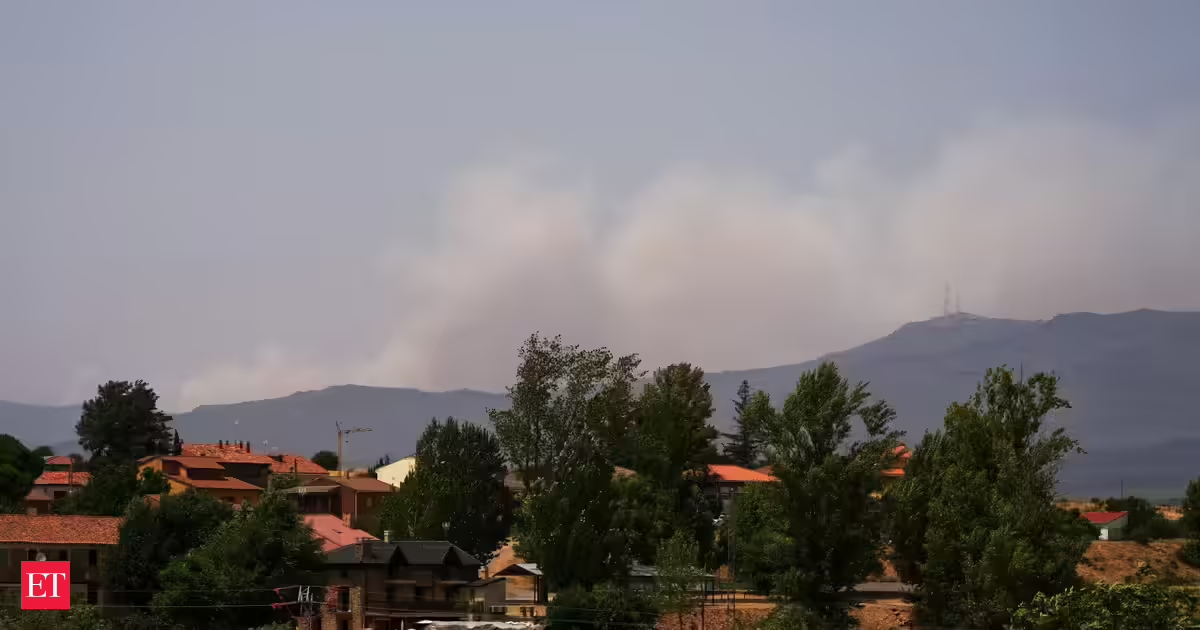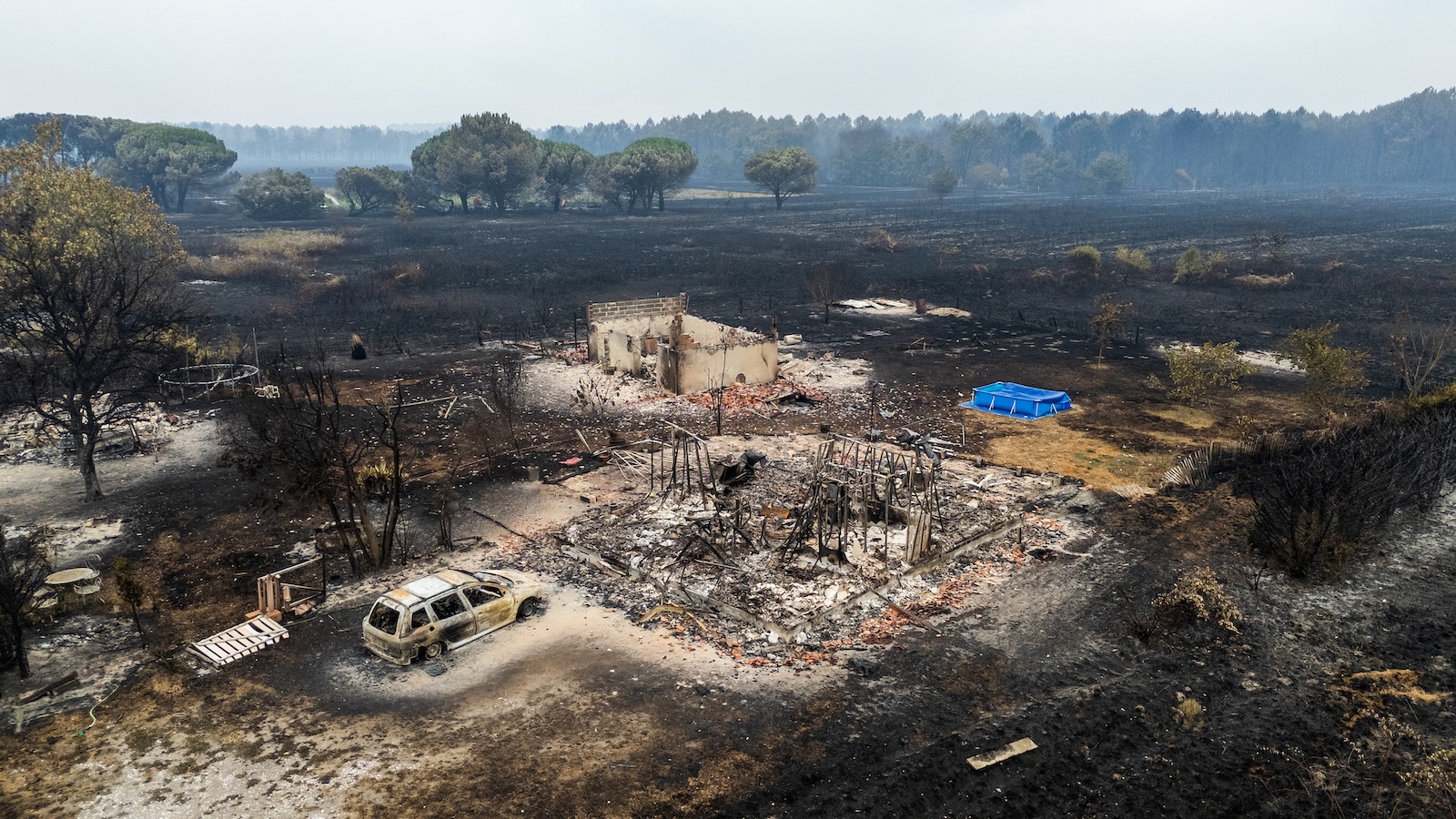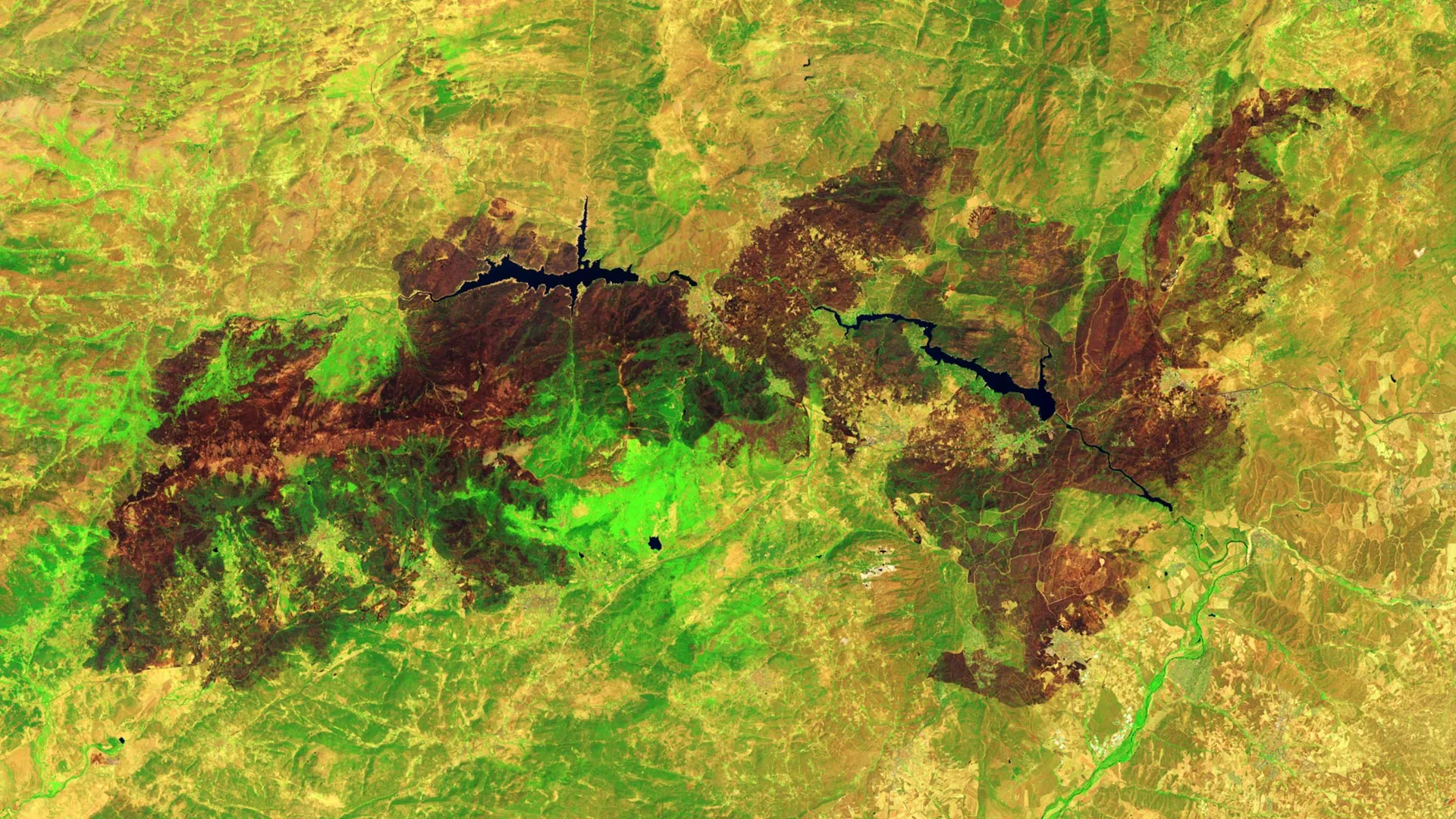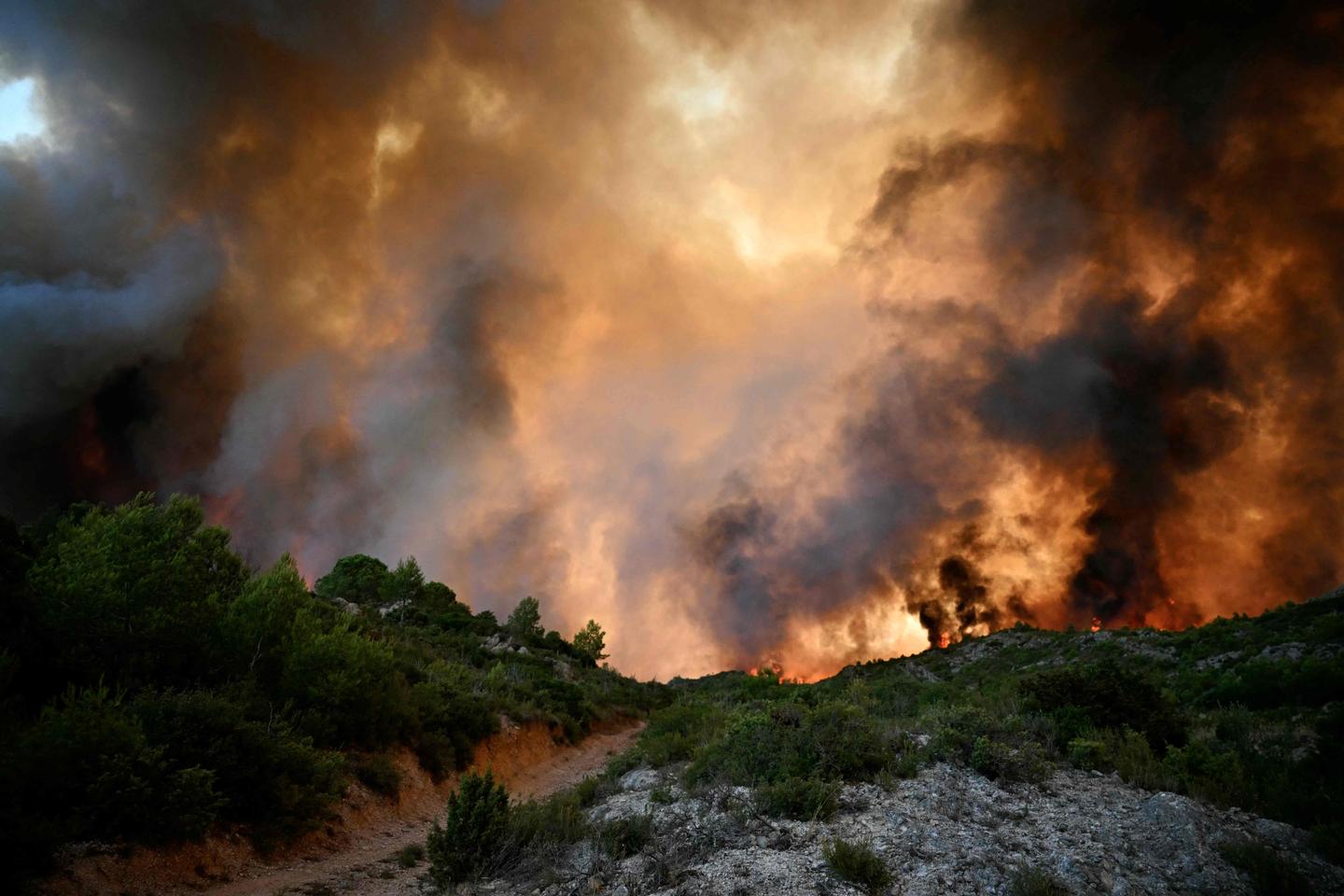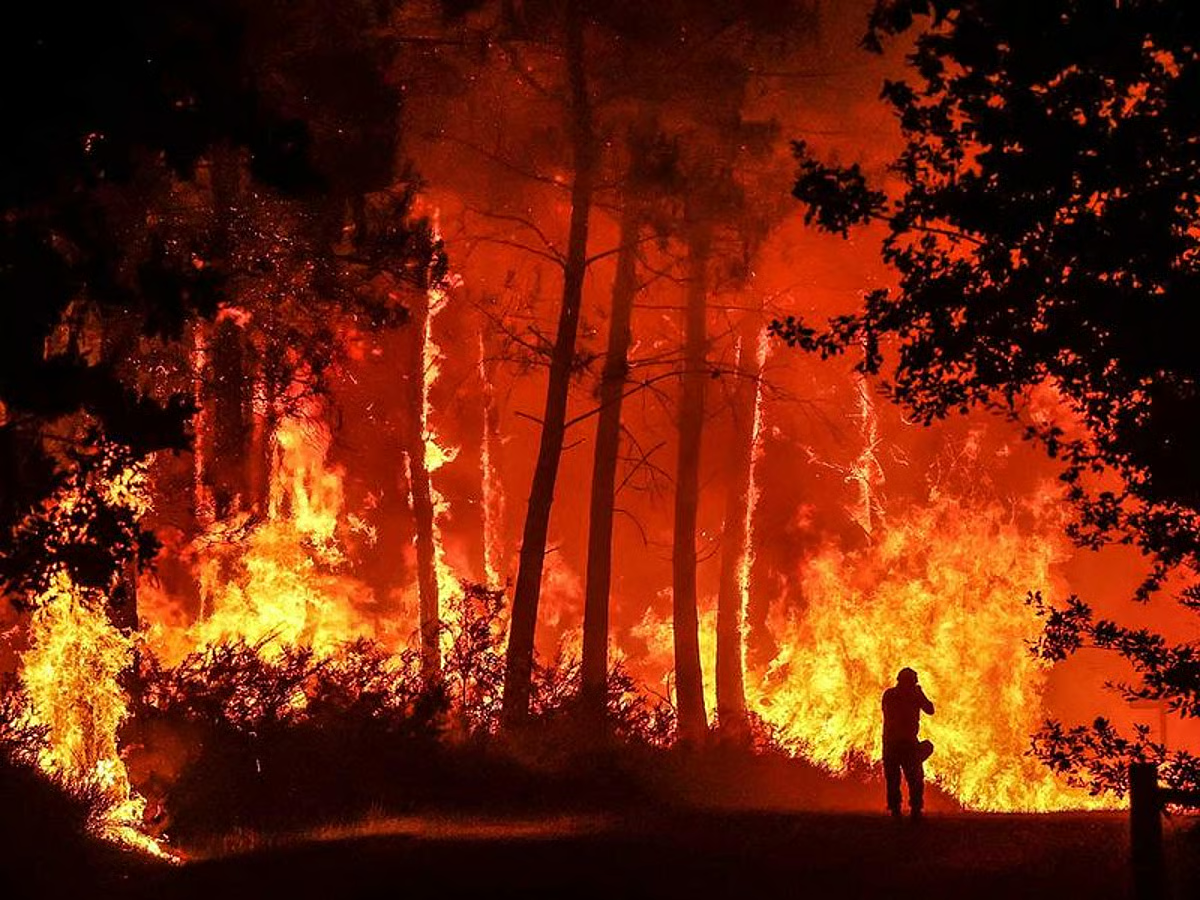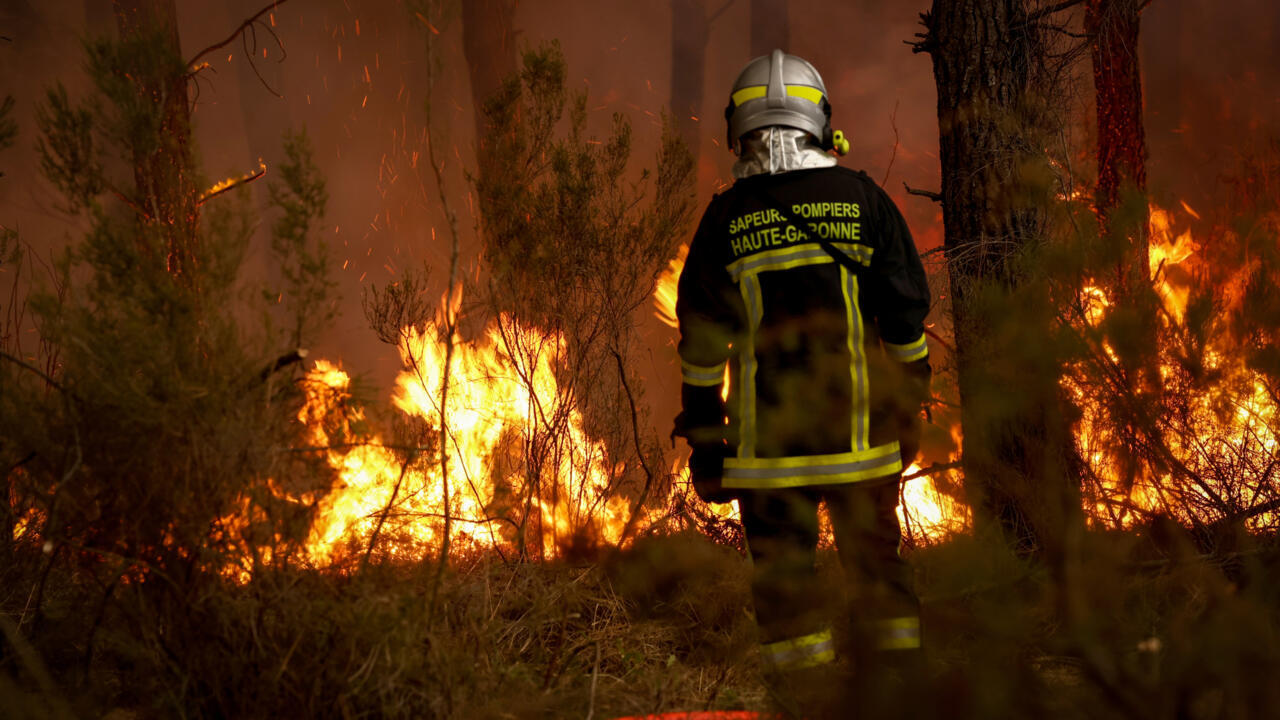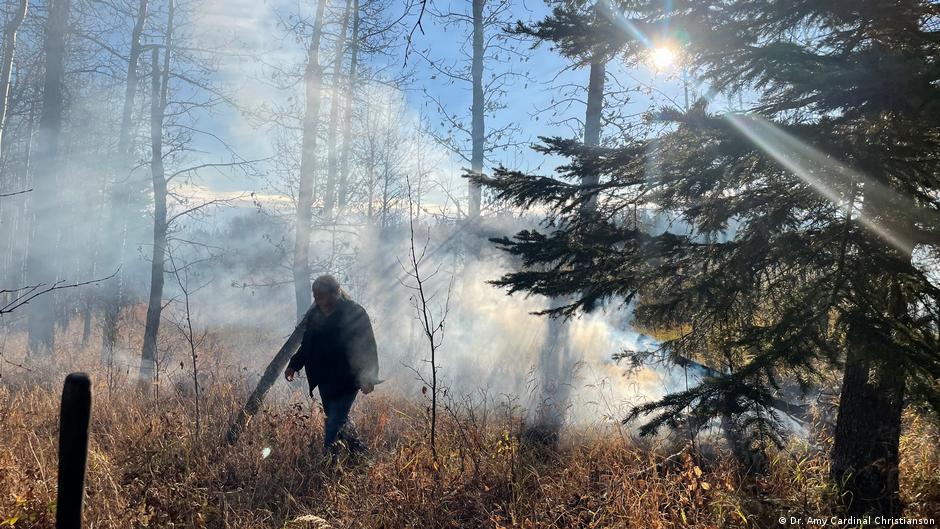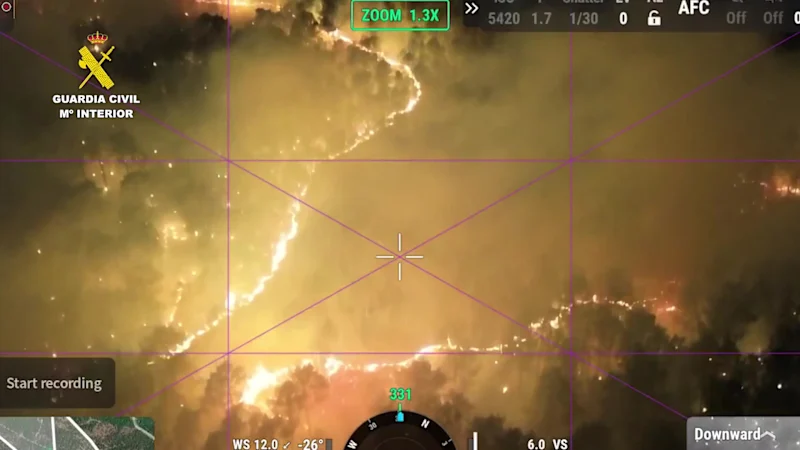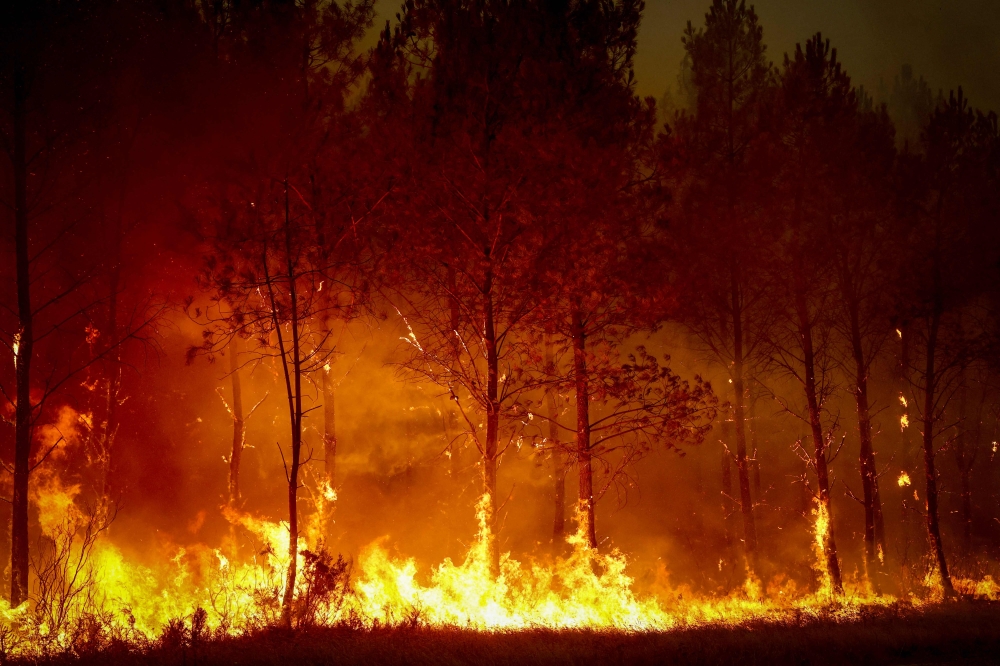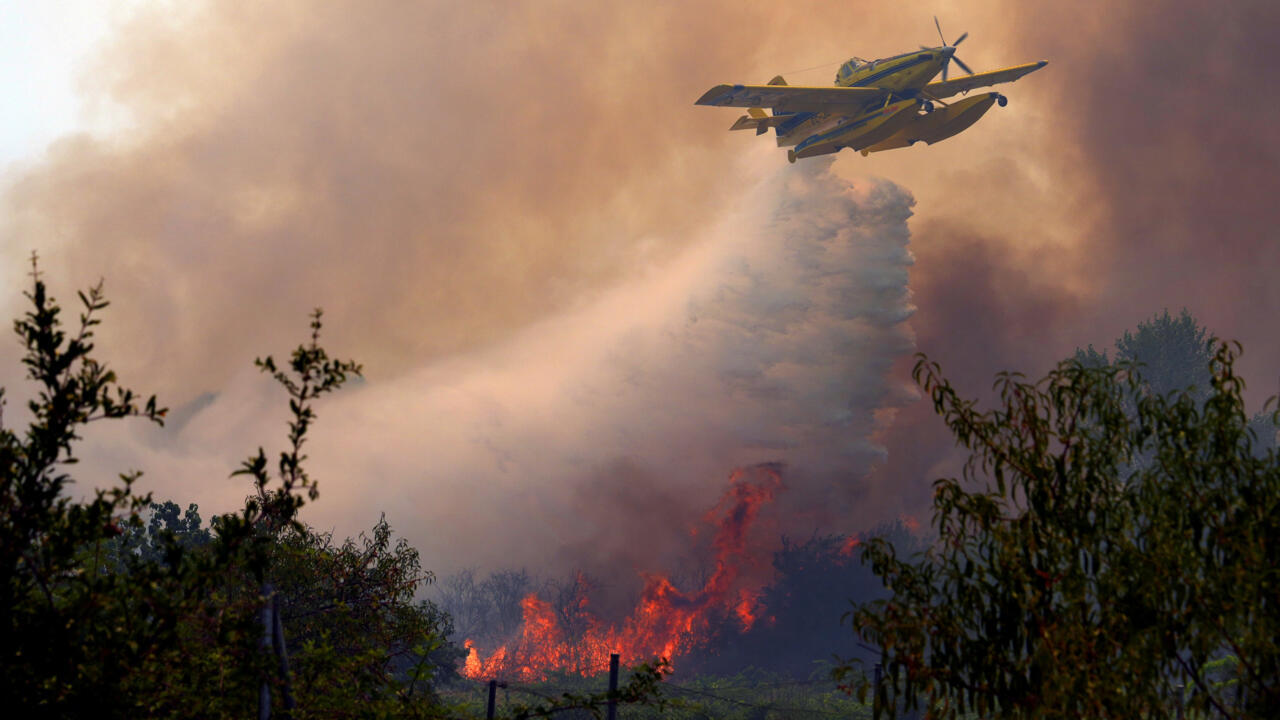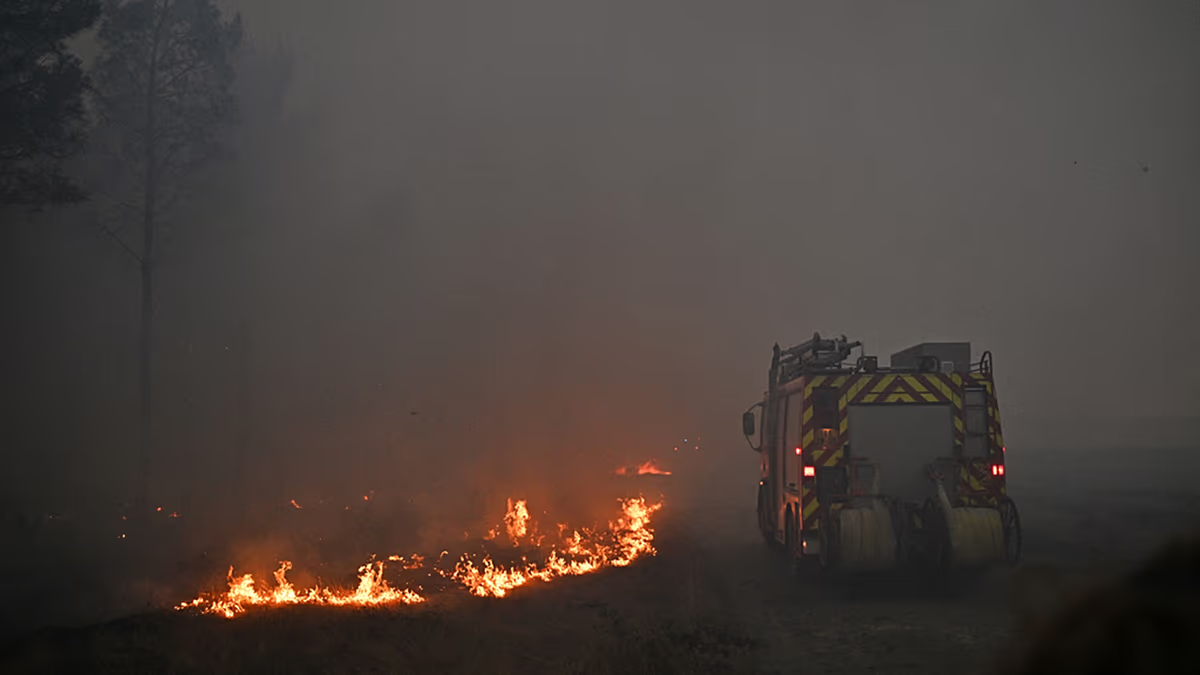
The wildfires that broke out over the past week in France and Spain, which have already burned more than 115,000 hectares and forced over 320,000 people from their homes, have stood out for the sheer violence and scale of the flames. The French authorities admit that it may take months to extinguish them.
They are the latest examples of what the operational and scientific community has, since the second half of the 2010s, come to describe as "sixth-generation fires", especially after the blazes in Pedrógão Grande in Portugal (2017) and in Greece (2018), each of which claimed more than 100 lives.
This new pattern first became more evident in Europe, although it was also identified in 2017 in Chile, where it returned in an even more devastating form in 2024, a year in which 137 people lost their lives. These same characteristics have also been observed in other parts of the world, notably in Australia (2019–20), on the west coast of the United States (2020) and in Canada (2023).
The major shift in fire behaviour is being driven by climate change, explains Domingos Xavier Viegas to Euronews, a professor at the Faculty of Science and Technology at the University of Coimbra (FCTUC) and a specialist in rural fires. With higher temperatures, less rainfall and lower levels of humidity, the soil and vegetation become drier, greatly increasing the "conditions for ignition" and the "area available to burn".