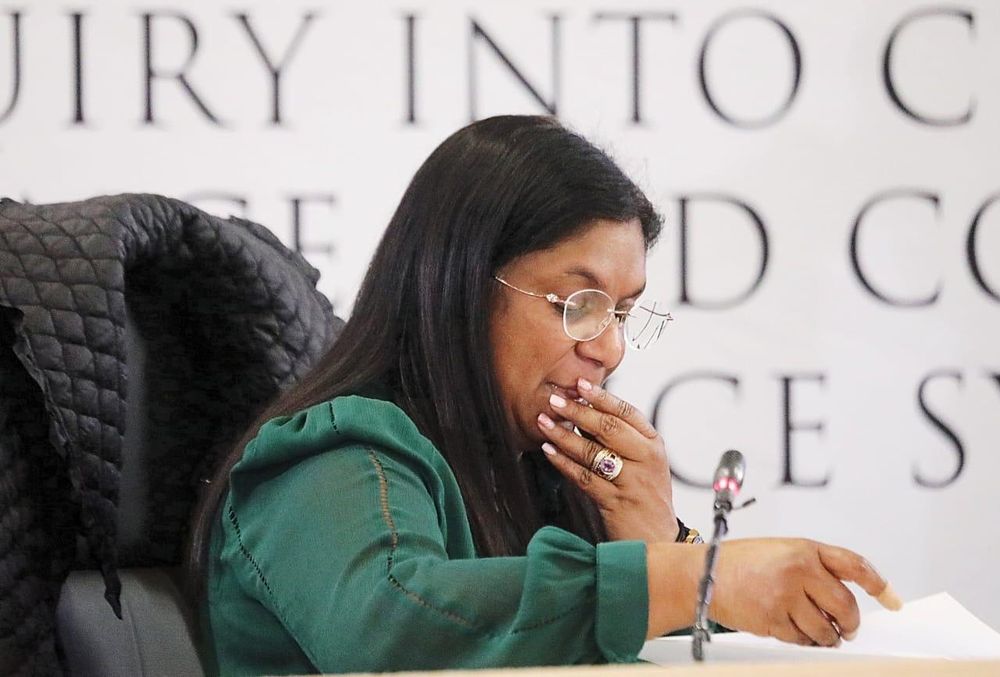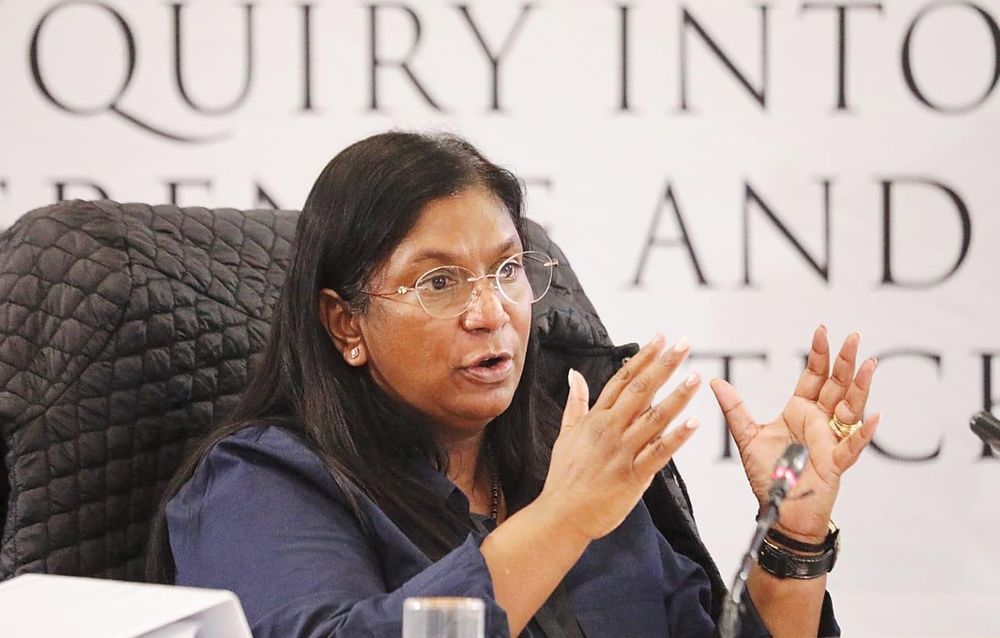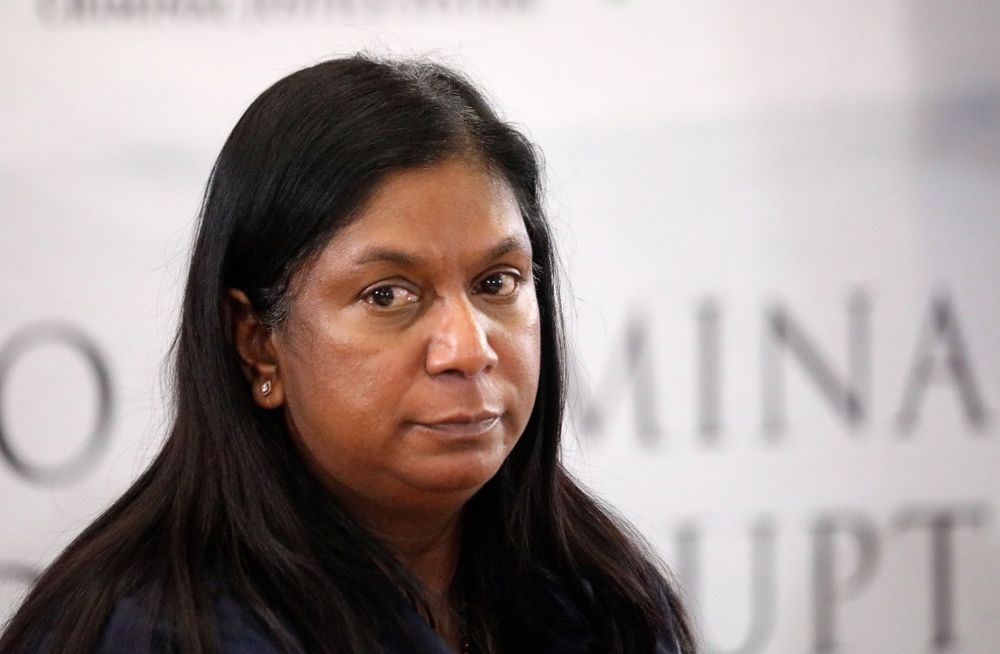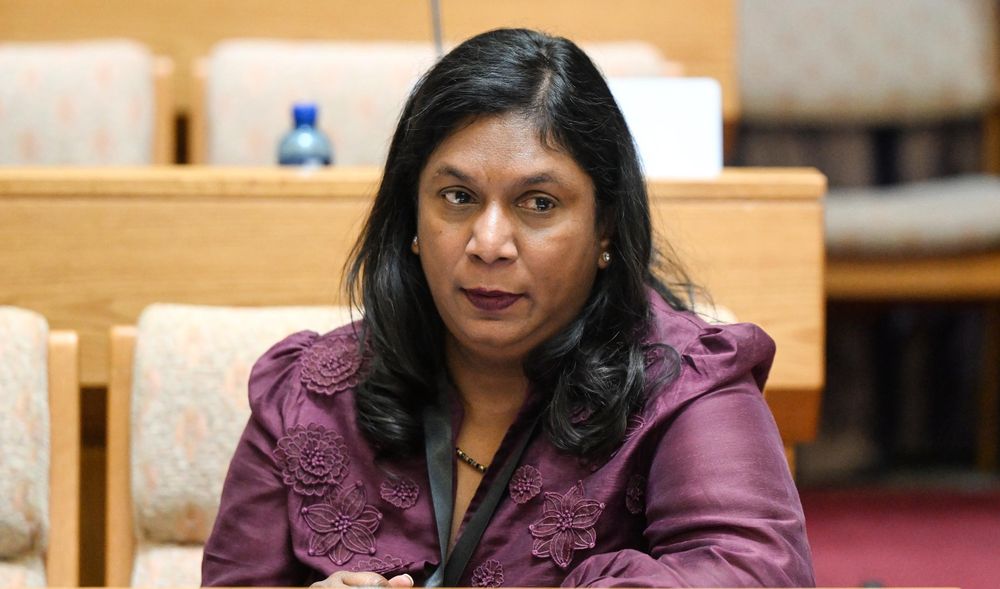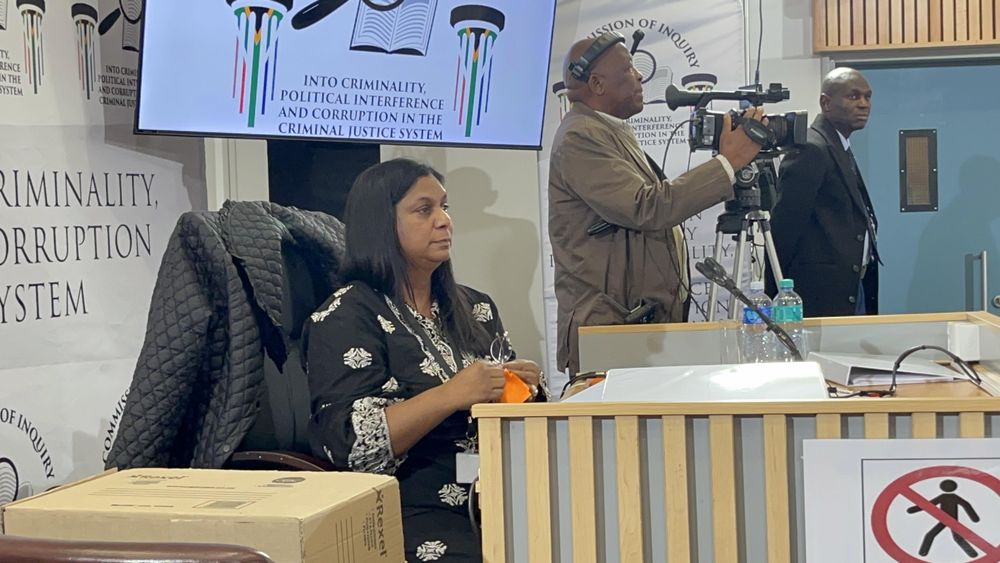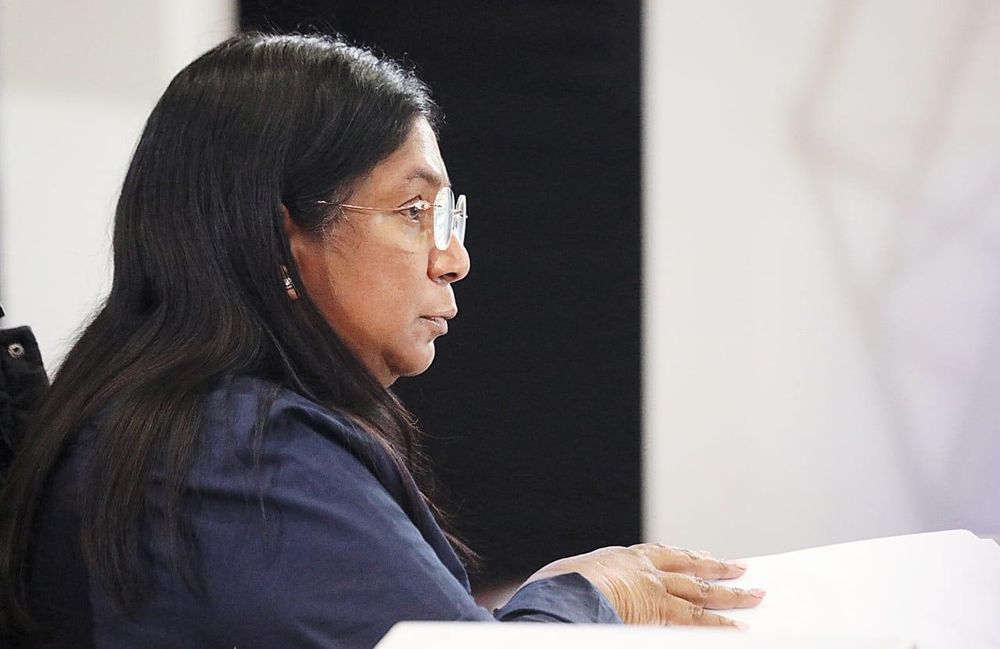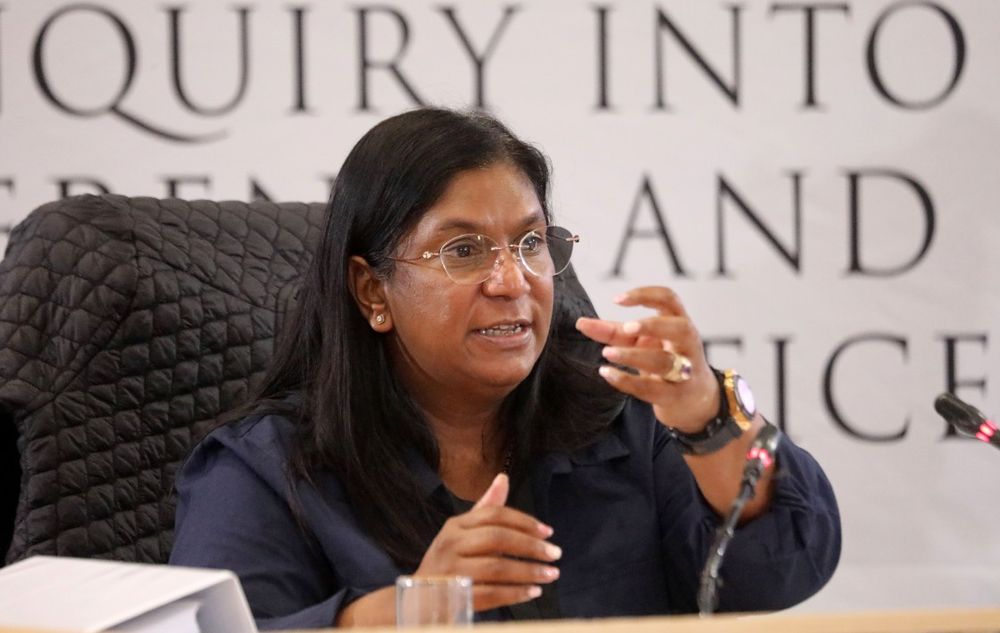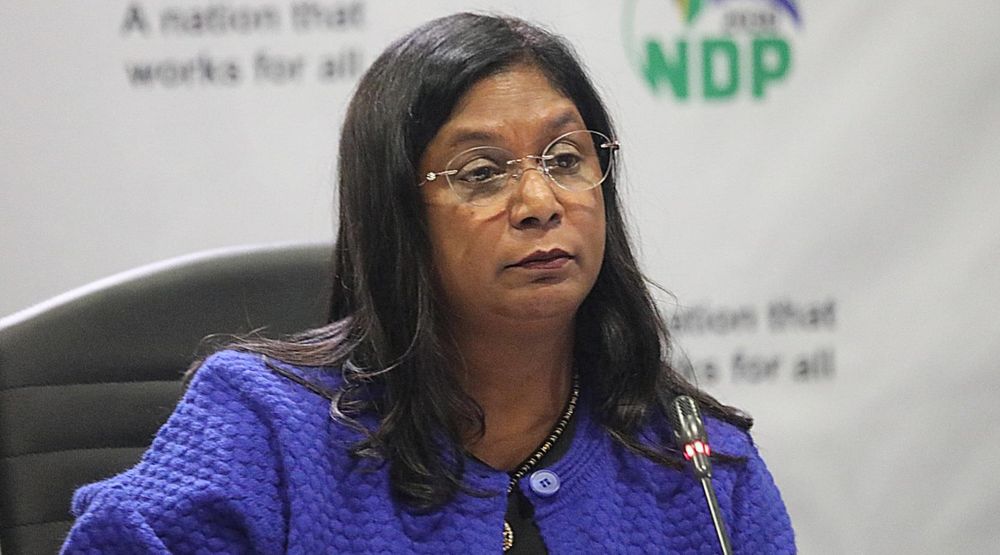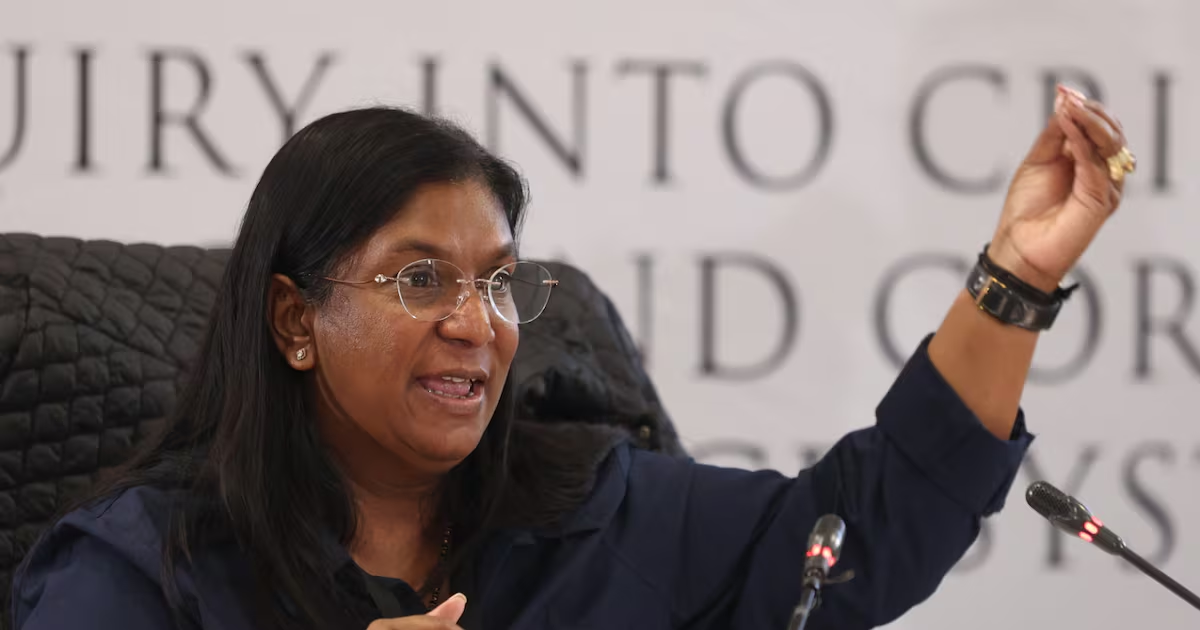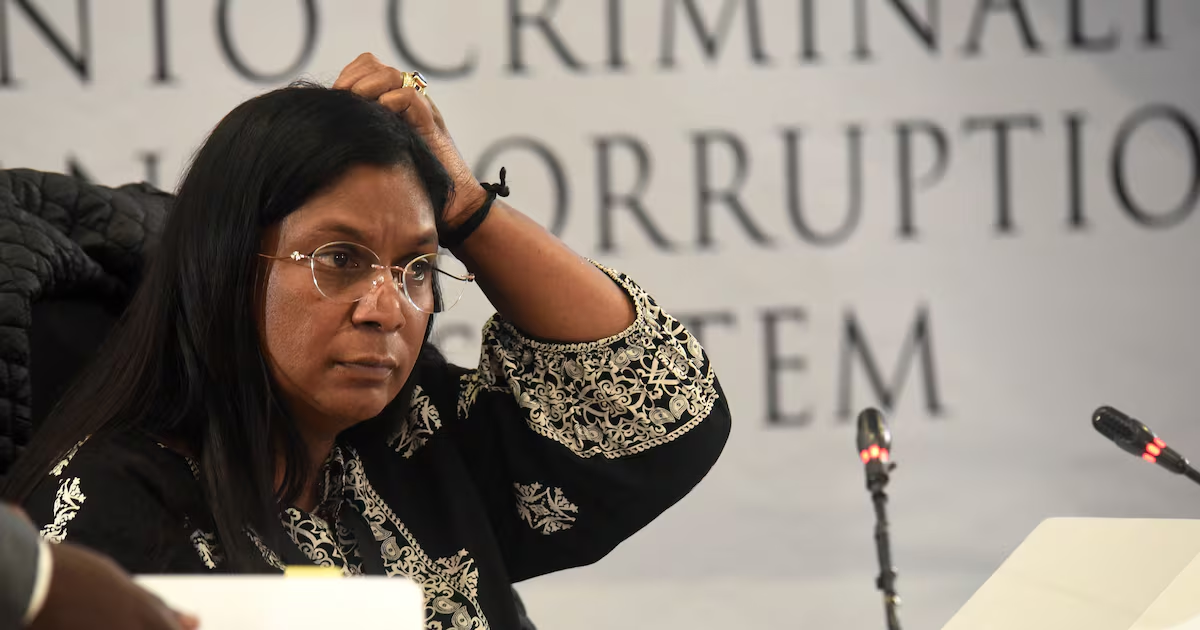
The decision by Andrea Johnson, the embattled head of the Investigating Directorate Against Corruption (Idac), to step down after damning allegations at the Madlanga commission is to be welcomed. As is the unusually fast decision by President Cyril Ramaphosa to accept her resignation. Over the weekend, Johnson asked to be released from her duties at the corruption-busting agency. She stands accused of selective, malicious prosecutions. Surprisingly, the president, who is notoriously slow-footed on major decisions, acceded to the request. The wide publication of the request is likely to have forced the president’s hand. By the end of last week, Johnson had made major concessions at the commission chaired by former deputy chief justice Mbuyiseli Madlanga. She now faces charges of perjury for giving evidence at the commission contradictory to that she gave at the parallel ad hoc committee in parliament probing the same allegations of corruption and criminal infiltration of the justice system. Johnson’s decision is further proof of the effectiveness of the commission. Several of its witnesses have been charged and arrested for a variety of serious crimes. South Africans have grown cynical about judicial commissions. Typically, they are set up to buy space for politicians while providing a veneer of doing something about a tricky issue. The Zondo commission of inquiry was such a case in point. Madlanga’s, on the other hand, has real-time consequences that the public can see. Johnson’s resignation gives the directorate time to focus on the important work of fighting the corruption pandemic and removes the theatrics of personalities from the mix. Read: ‘Fabricated’ evidence and dropped charges: Idac’s corruption probe collapsesThe appointment of an Idac ombud is welcome. However, it would be unrealistic for it to be expected to deal with the present crisis. After all, it still has to find its feet and wrap its head around the issues. In all likelihood, more heads are going to roll at Idac. Following Johnson’s departure, corruption charges against Dumisani Khumalo, the head of crime intelligence, have been provisionally withdrawn. His co-accused might be headed for a similar reprieve. Johnson now faces a complaint by one of Khumalo’s co-accused. As well as the serious case being built around her questionable decisions, the complaint against Johnson must have made her continued stay at the helm of the institution untenable. That said, her departure has other consequences. For a start, Andrew Mothibi, the new head of the National Prosecuting Authority, has ordered an independent review of Idac’s cases. Read: ‘Unprecedented attacks’: Andrea Johnson asks to resign from Idac immediatelyThis introduces an element of worrying uncertainty into the criminal justice system. One of the reasons South Africa found itself on the Financial Action Task Force’s greylist was that it was seen as being soft on acting against corruption and other serious financial crimes such as money-laundering. The country was removed from the list — which comprises countries regarded as being vulnerable to terror financing — a year ago, but it could be placed back on it if a review finds there has been regression. Meanwhile, Mothibi’s review, though a good idea, might invite more representations for reconsideration of cases before the courts. For instance, Malusi Gigaba, the former public enterprises minister under Jacob Zuma, was added onto the charge sheet at the behest of Idac. Alongside the former Transnet executives Brian Molefe, Siyabong Gama, Anoj Singh and Thami Jiyane, Gigaba became a proverbial big fish. That might now be at risk. Still, Idac is now pointed in a more promising direction than it was just a week ago.
EDITORIAL | Andrea Johnson’s departure shows commissions can work
Resignation is to be welcomed, but a review of Idac prosecutions introduces more uncertainty over high-profile cases
590 words~3 min read