A couple of months ago I attended LangChain Interrupt 2026 in San Francisco. As someone leading AI platform and developer experience day to day, some of what I heard confirmed what I'd already been thinking. Some of it reframed it entirely.
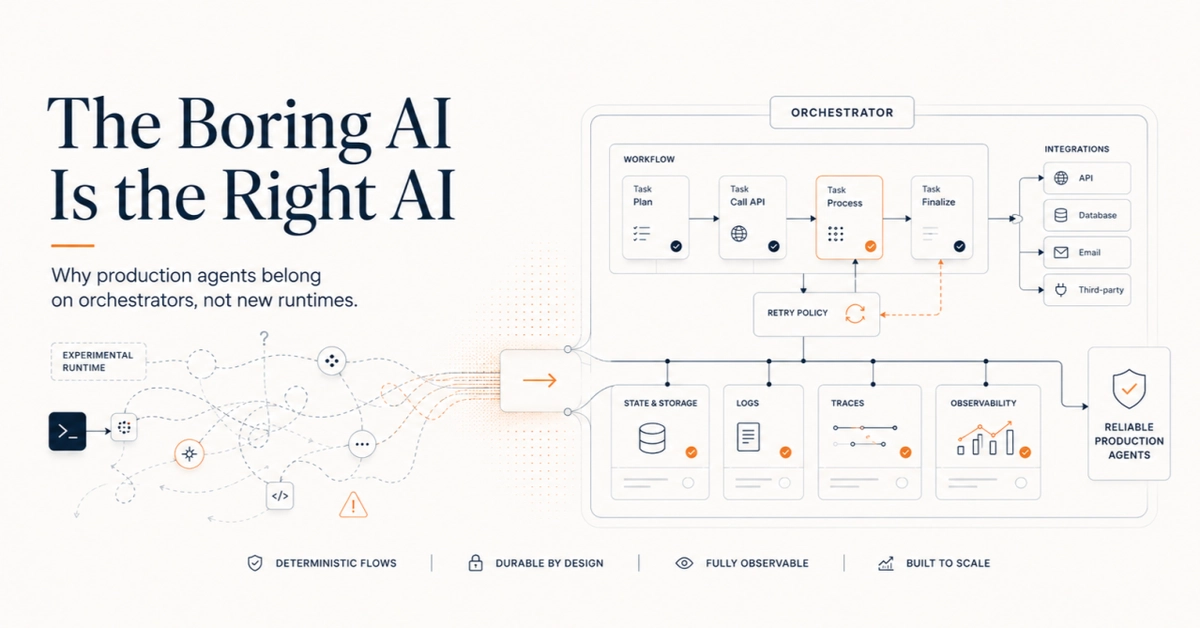
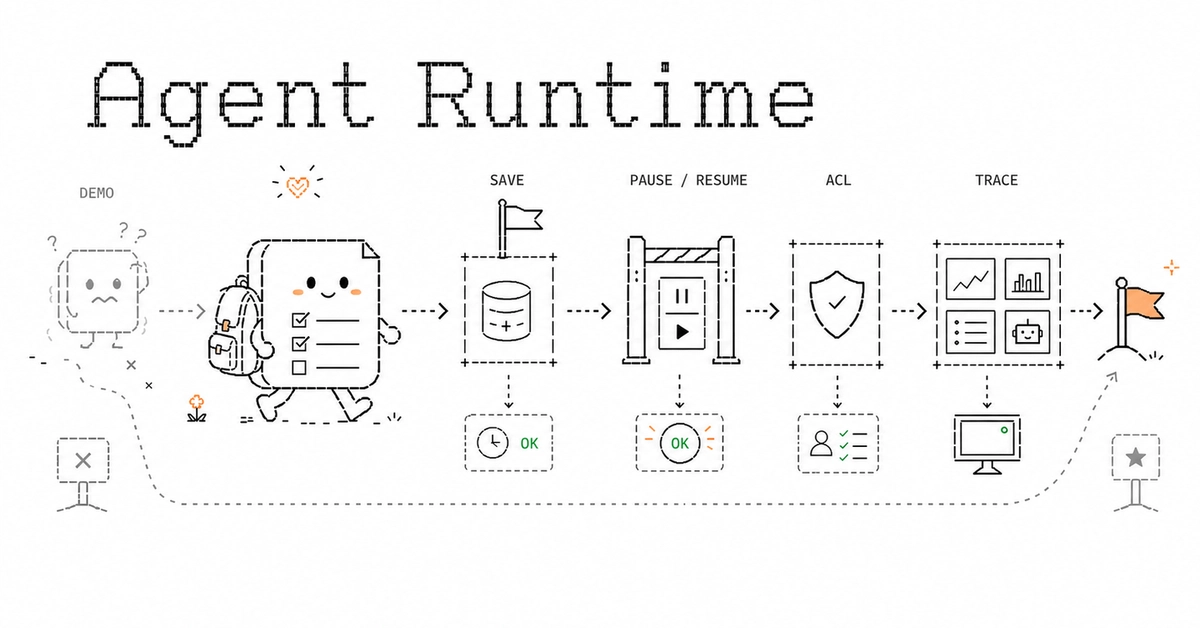
The pattern across every team that had actually shipped was a constant: they had tried the sophisticated path first. Production required operability; it was what survived.
This article continues a line of thinking from my piece on the AI-Native Era shift in software engineering, where I named the bottlenecks; governance failures, the evaluation gap, and the limits of user agency. Interrupt came first; I just hadn't formed the right questions yet. This room was full of teams who had hit those bottlenecks and kept going, and surfaced a few I hadn't anticipated. These are the aspects that stayed with me.
1. The Architecture Imperative: Simplicity Is the Strategy
Rippling, an HR, IT, and Finance platform, runs AI across all three simultaneously. Their engineering team has production scars to match. What they shared at Interrupt was the kind of advice you only earn by shipping and failing in front of real users.