In a recent audit, a team showed me an AI assistant they'd built on top of their company knowledge base. The demo had landed well: ask how to use a feature, and it walked through the exact pain point their support queue kept seeing. Leadership signed off.
In production, the same agent told a user to open a menu option that didn't exist. Not a vague answer - a specific UI path, stated with confidence. Nobody caught it in testing. It surfaced when I audited the system, not when a user complained.
The prototype passed testing because nobody was checking whether the answer matched the product. In production, that gap becomes a liability: the model invents UI paths, and your backend has no schema to reject them.
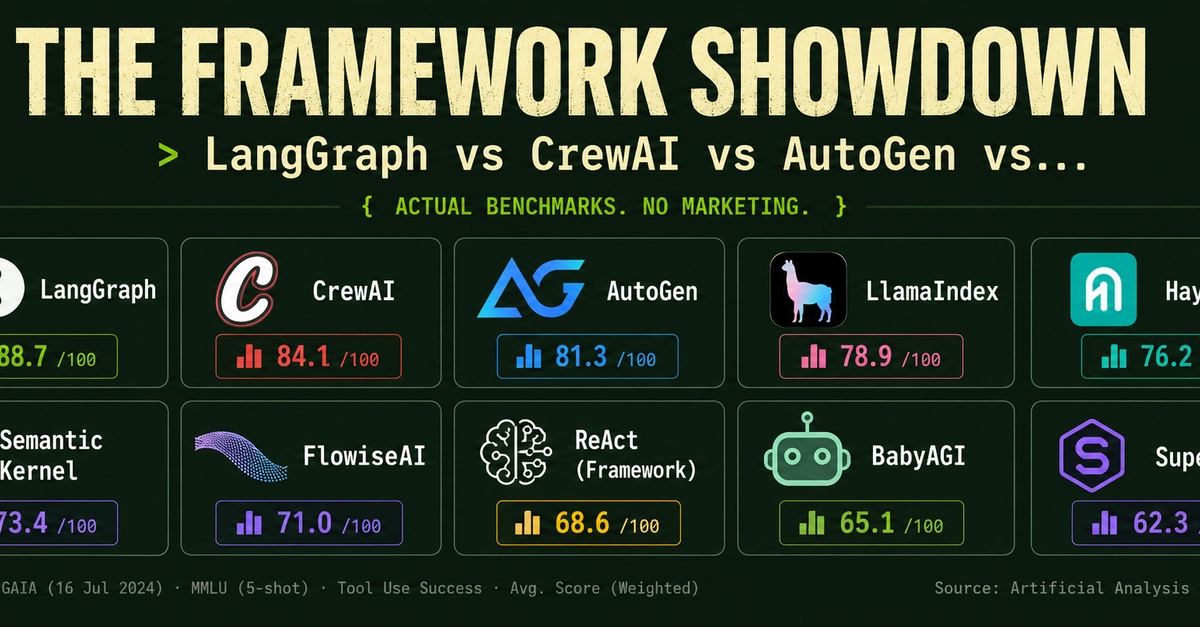
When you're choosing an agent framework, popularity is the wrong scorecard. Pick the one that fails loudly in development and gracefully in production - or you'll find out in audit.
What "Production-Ready" Actually Requires