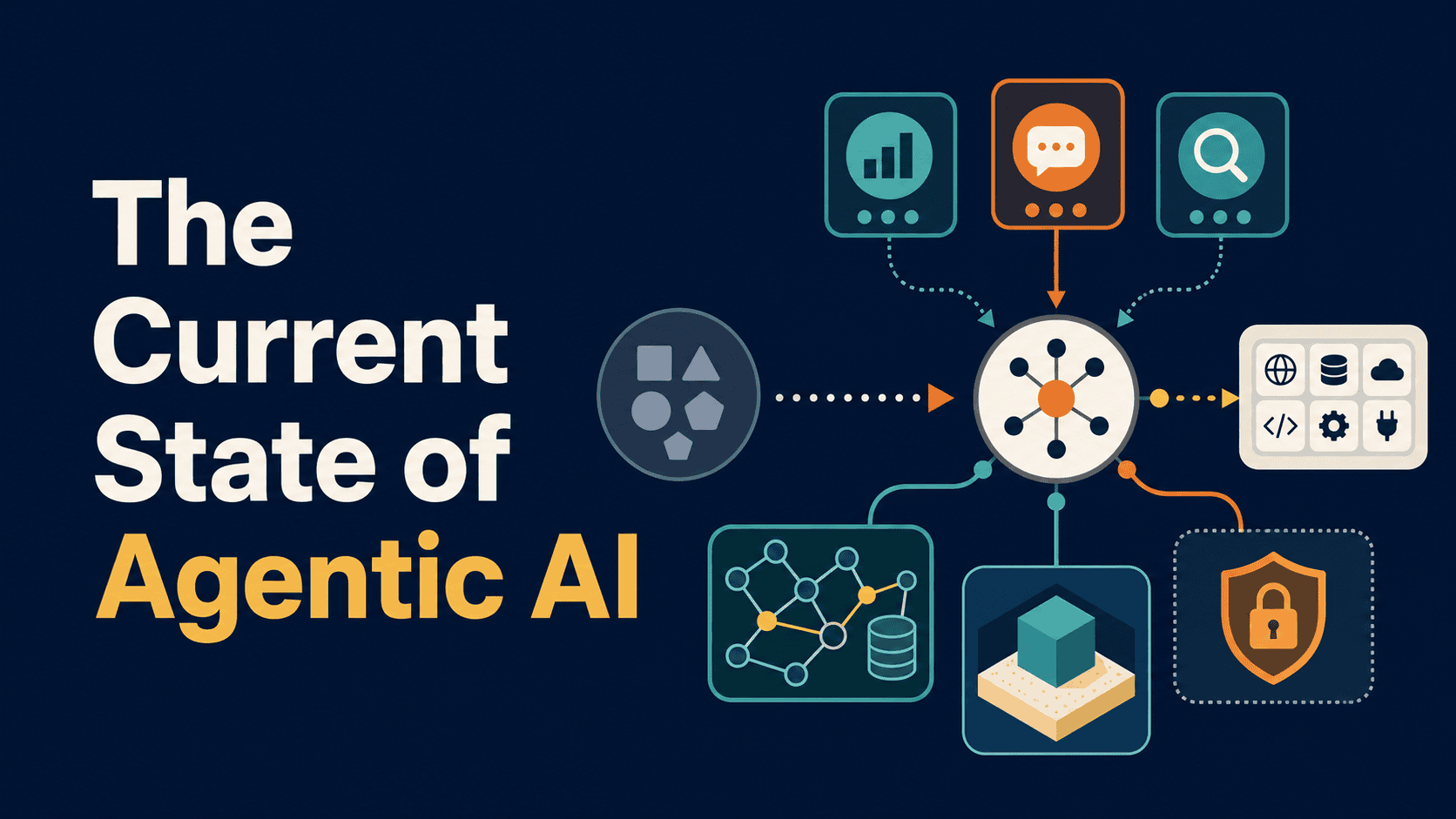
1. The State of Agentic AI: Moving Beyond Toy Prototypes
The transition of Large Language Model (LLM) systems from simple, single-turn chat interfaces to autonomous, multi-agent workflows marks the most significant architectural evolution since the microservices revolution. Yet, a widening chasm exists between a successful local prototype using basic orchestration libraries and a production system capable of handling thousands of concurrent requests while maintaining low latency, strict data security, and high reliability.
In enterprise engineering, an agent is not merely an LLM wrapped in a loop. It is a distributed state machine where the model functions as a non-deterministic processing unit. This change introduces distinct challenges: non-deterministic execution paths, cascading latency profiles, state tracking complexities, and complex security vectors.
Moving an agentic system into production requires shifting focus from prompt engineering to system engineering. Engineers must design robust memory systems, dynamic model routing strategies, reliable integration layers, and real-time validation guardrails to ensure these applications deliver consistent value.
2. The Core Architectural Components of Enterprise AI Agents