Researchers have developed a new high-throughput microscope for large-scale imaging of dynamic samplesWhen designing microscopes, optical engineers have long faced a trade-off between speed, field of view and resolution. But improving one of these properties typically comes at the expense of another. Now, a UC Berkeley-led team of researchers has found a way to address this challenge, opening the door to new possibilities in the field of microscopy.
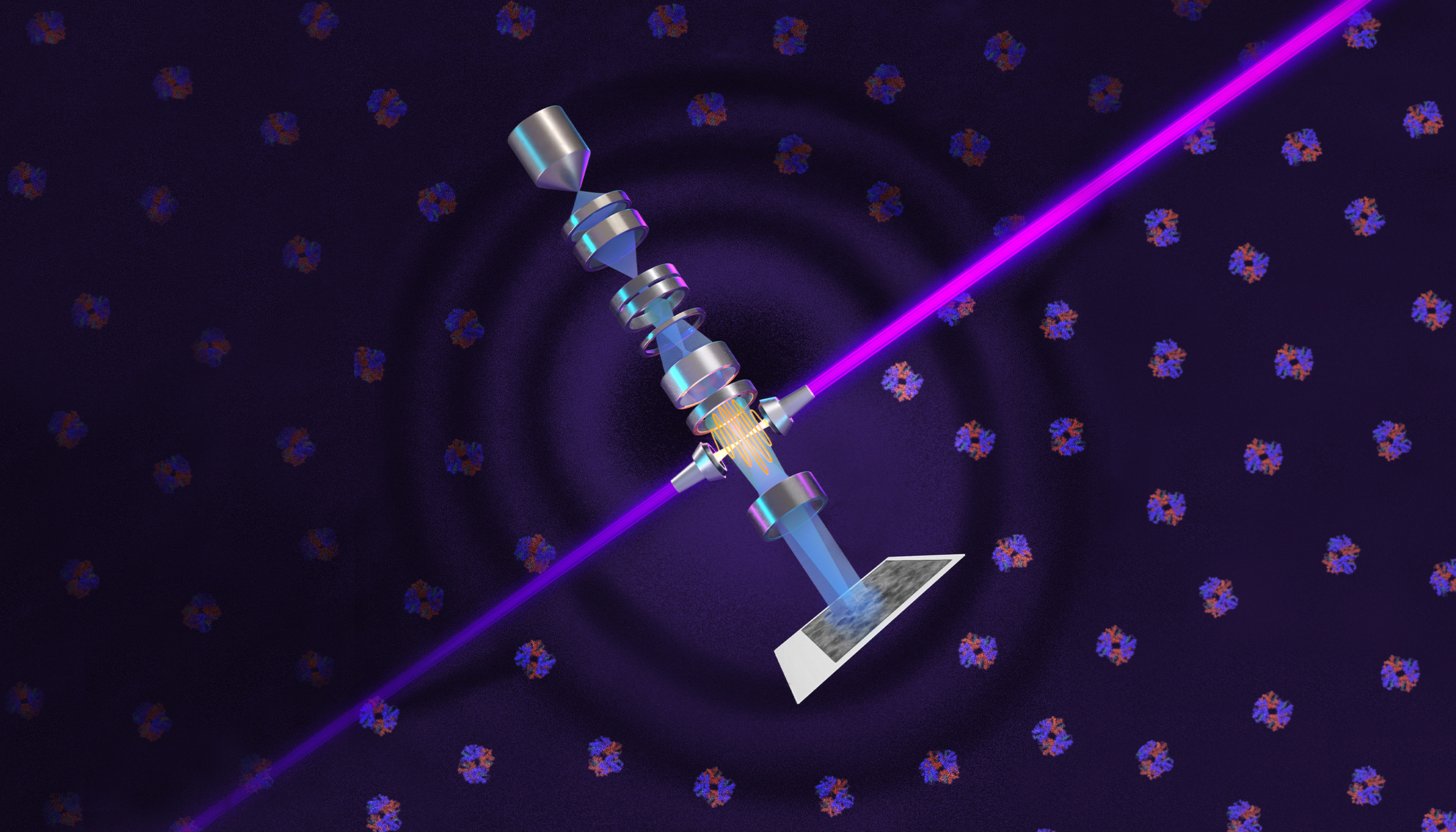
In a study published today in Nature Photonics, researchers designed a computational microscope capable of capturing micron-scale resolution across multi-centimeter areas at faster-than-video rates. Using an array of 48 camera sensors and computational imaging “tricks,” their new microscope was able to capture videos at a rate of 25.2 billion pixels/second — an unprecedented combination of highly detailed magnification, wide field of view and high-speed imaging.
“This is really a breakthrough in the field of computational microscopy,” said Laura Waller, professor of electrical engineering and computer sciences and the study’s principal investigator. “With our microscope, we were able to achieve 3-micron resolution across 5 square centimeters at 120 frames per second, which isn’t possible with traditional ways. It’s the largest space-bandwidth time product of any practical microscope we know of.”