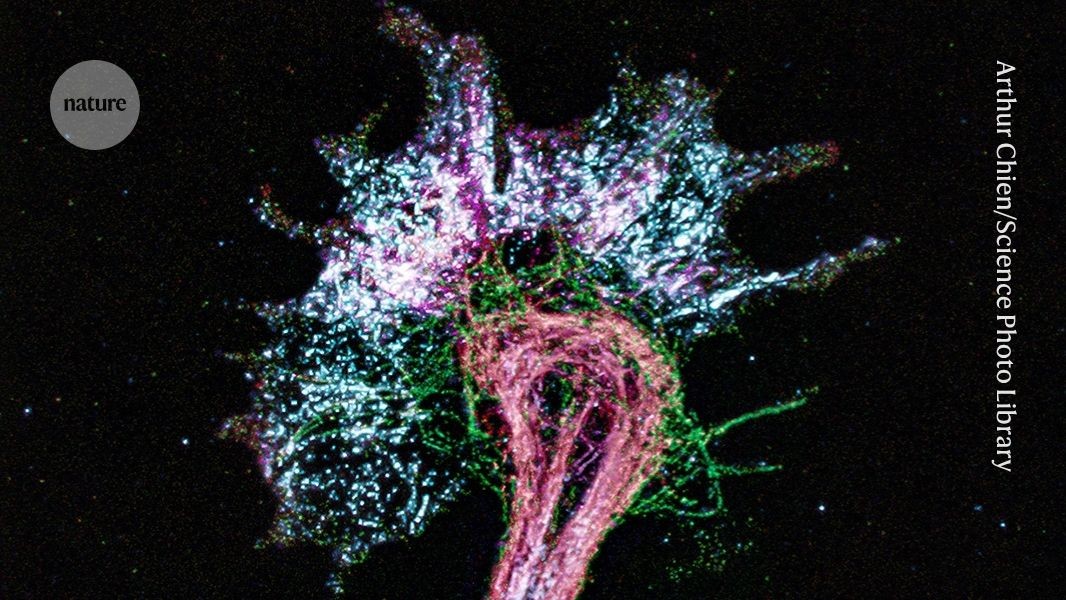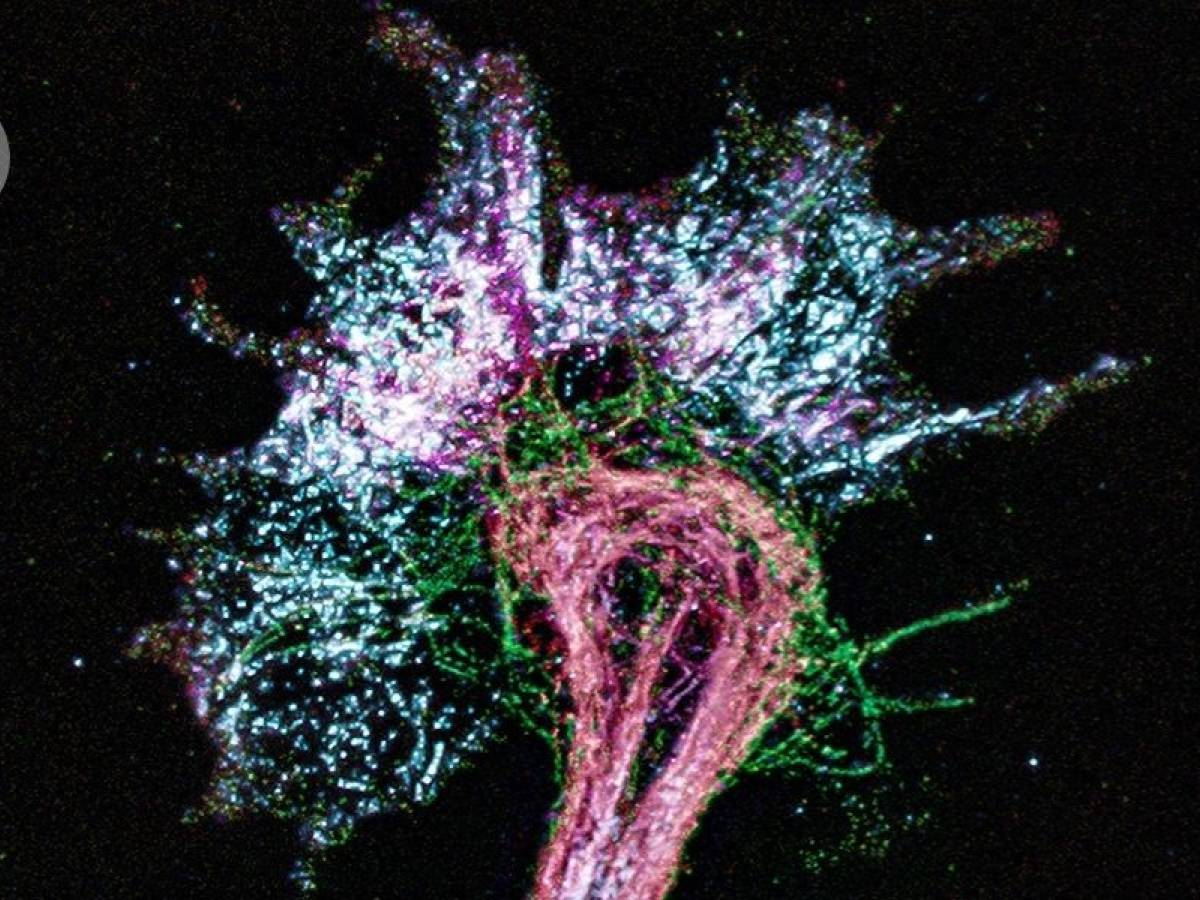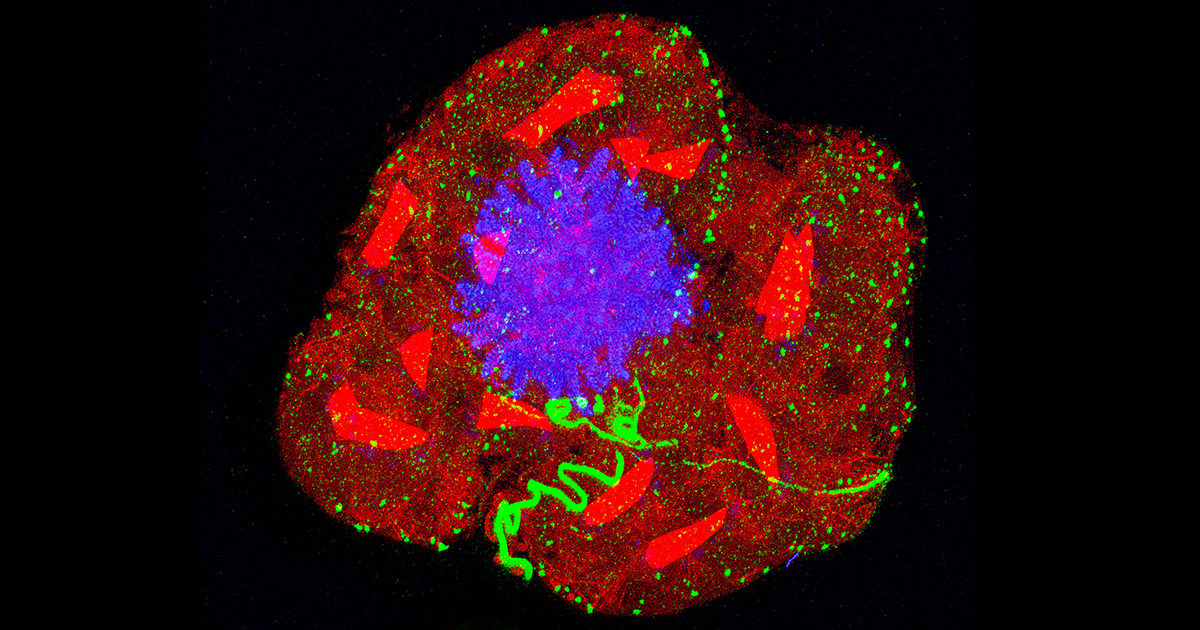
Physically magnifying objects using a key moisture-absorbing ingredient in diapers has opened an unprecedented view of the microbial world.
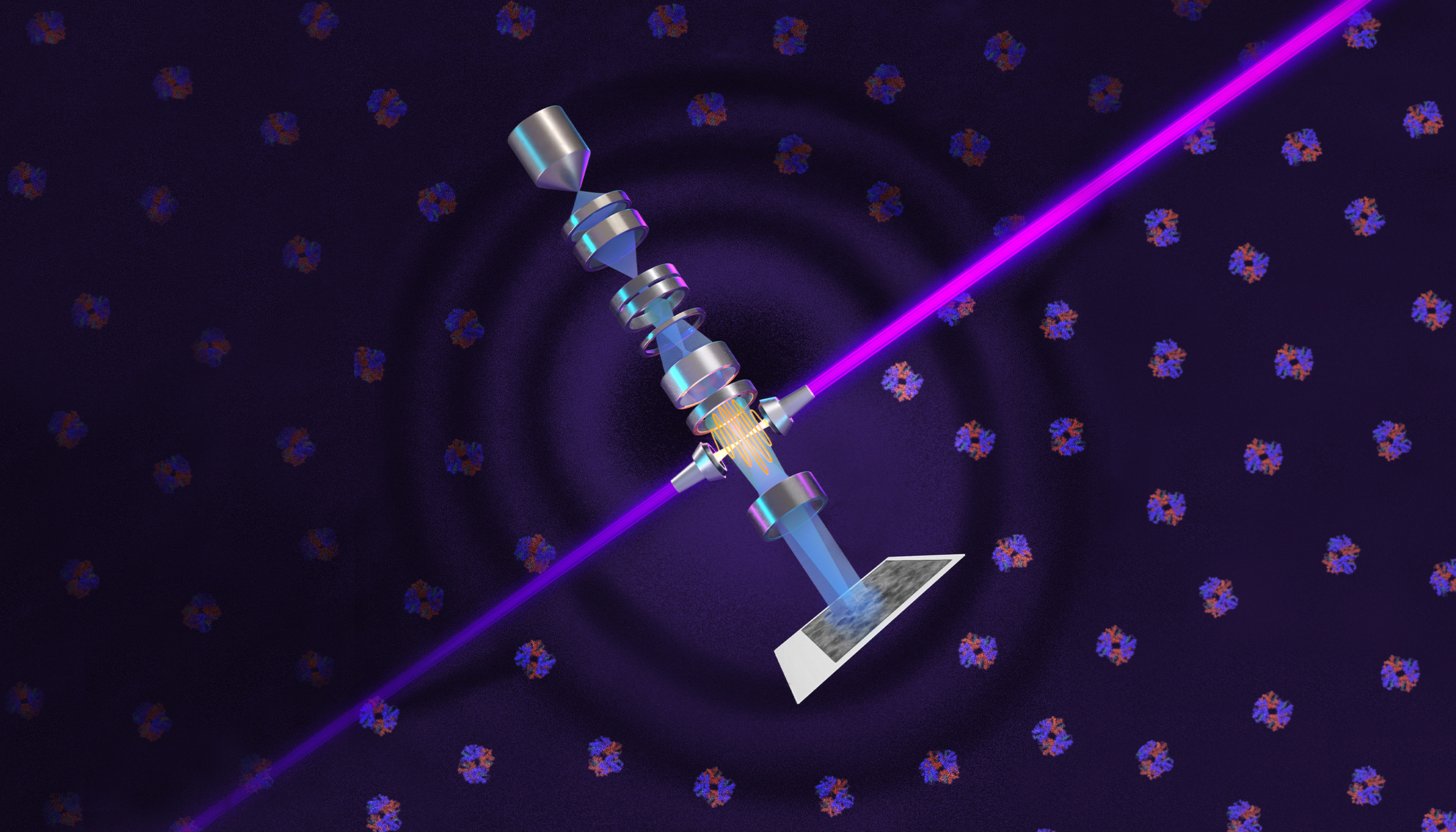
When you slip a slide under a microscope, a system of glass lenses magnifies the object of your attention — a microbe, for example. But even with the largest zoom on a classic compound optical system, scientists struggle to make sense of finer details, which can be further obscured when tough cell walls make it difficult to inject dyes that help identify structures.
Now, rather than invest in more powerful and more expensive technologies, some scientists are using an alternative technique called expansion microscopy, which inflates the subject using the same moisture-absorbing material found in diapers.
“It’s cheap, it’s easy to learn, and indeed, on a cheap microscope, it gives you better images,” said Omaya Dudin, a cell biologist at the University of Geneva who studies multicellularity.
Expansion microscopy was developed by Ed Boyden at the McGovern Institute for Brain Research at the Massachusetts Institute of Technology in 2015. Boyden and colleagues successfully expanded a biological sample by infusing it with a hydrogel made of sodium acrylate. A key ingredient layered in diapers to keep babies dry, the compound can absorb hundreds of times its weight in water while retaining its overall structure.