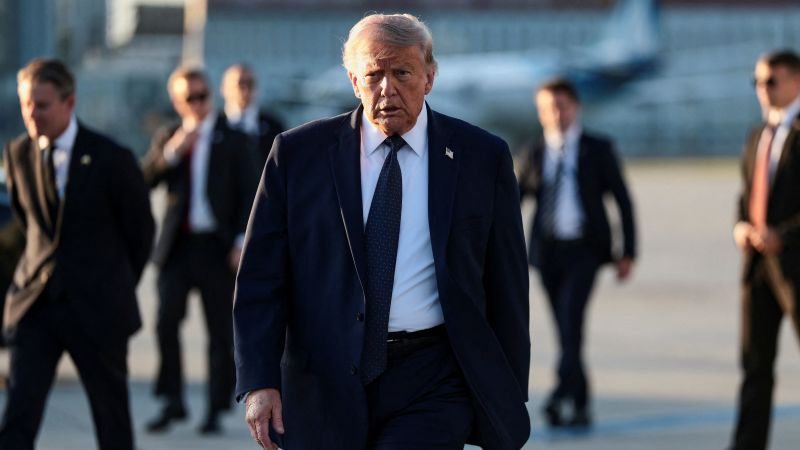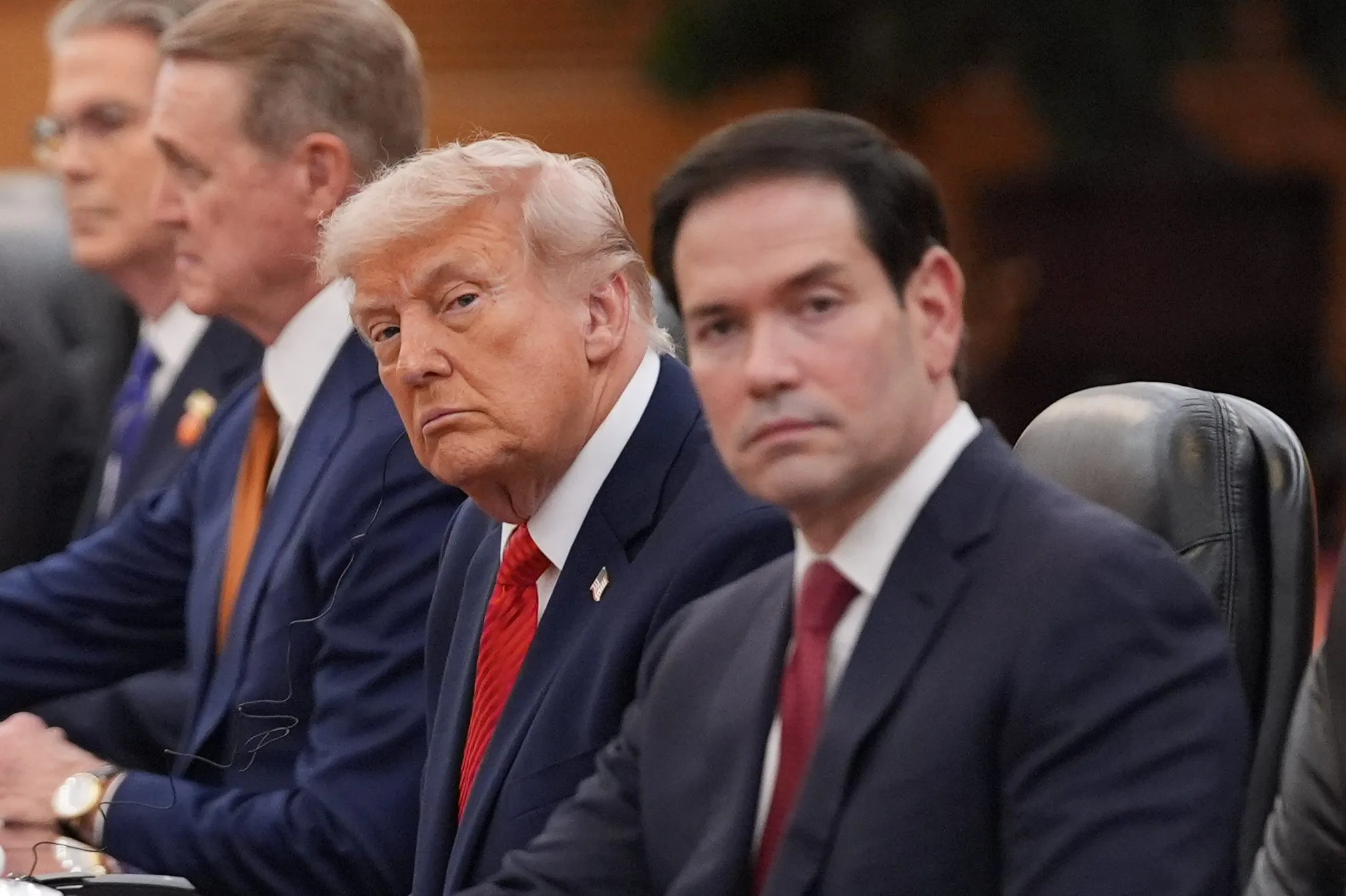
Eli Cohen recently stated that former President Donald Trump’s decision to sign an agreement with Iran was primarily influenced by oil prices and their broader economic impact. This agreement, which marked a ceasefire in the 2026 U.S.-Iran conflict, was reportedly driven by a need to stabilize markets and avert an economic crisis. The announcement of the deal led to a notable drop in oil prices and a corresponding rise in stock markets, reflecting the economic motivations behind the diplomatic move. Cohen’s comments align with reports suggesting that Trump’s decision-making was heavily swayed by economic considerations.
Key Takeaways
Cohen’s statement suggests economic factors were a primary motivator for Trump’s decision to sign the Iran agreement.
The ceasefire deal led to reduced oil prices and increased stock market stability, consistent with attempts to avoid economic turmoil.
Current market pricing appears supportive of scenarios where economic motivations play a significant role in U.S.-Iran negotiations.