Monday 25 May 2026 11:58 am
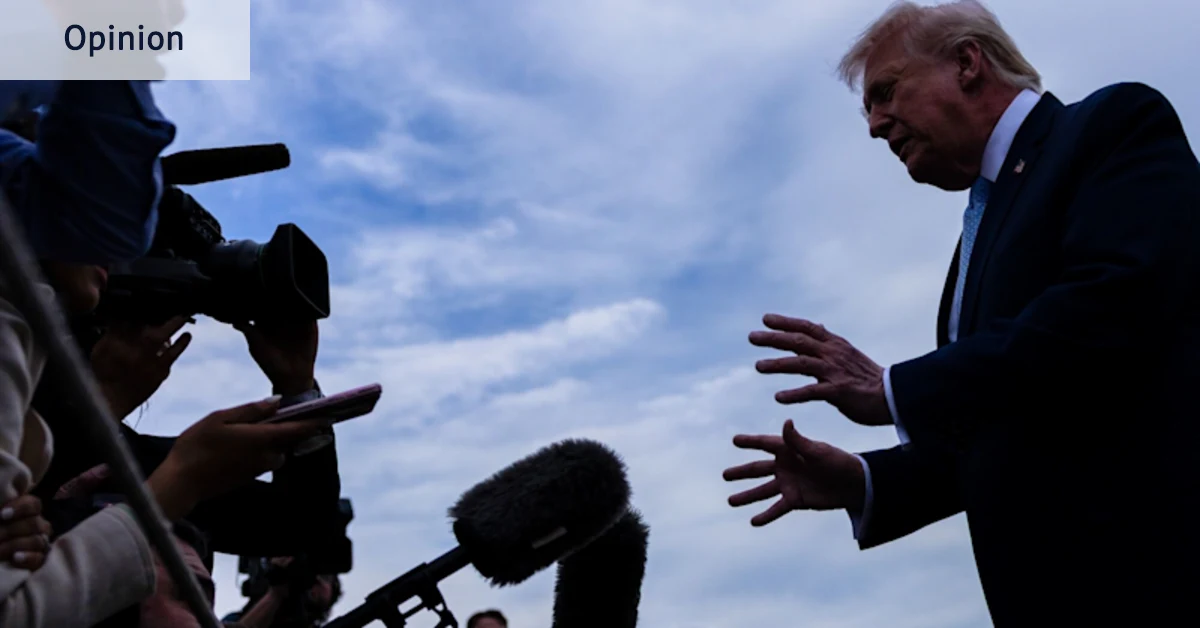
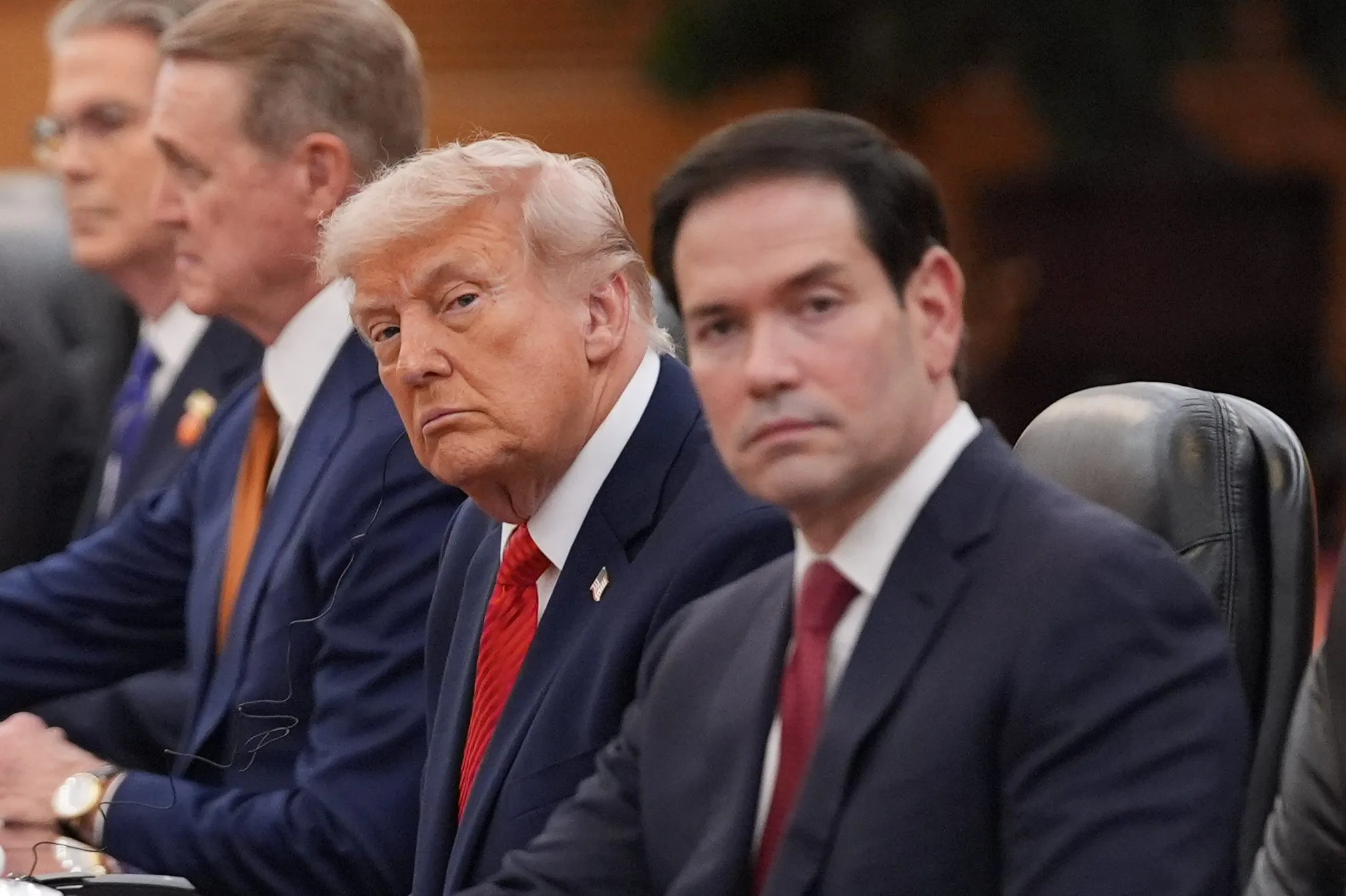
Trump's Iran talks has pushed down the price of oil. (AP/Mark Schiefelbein)
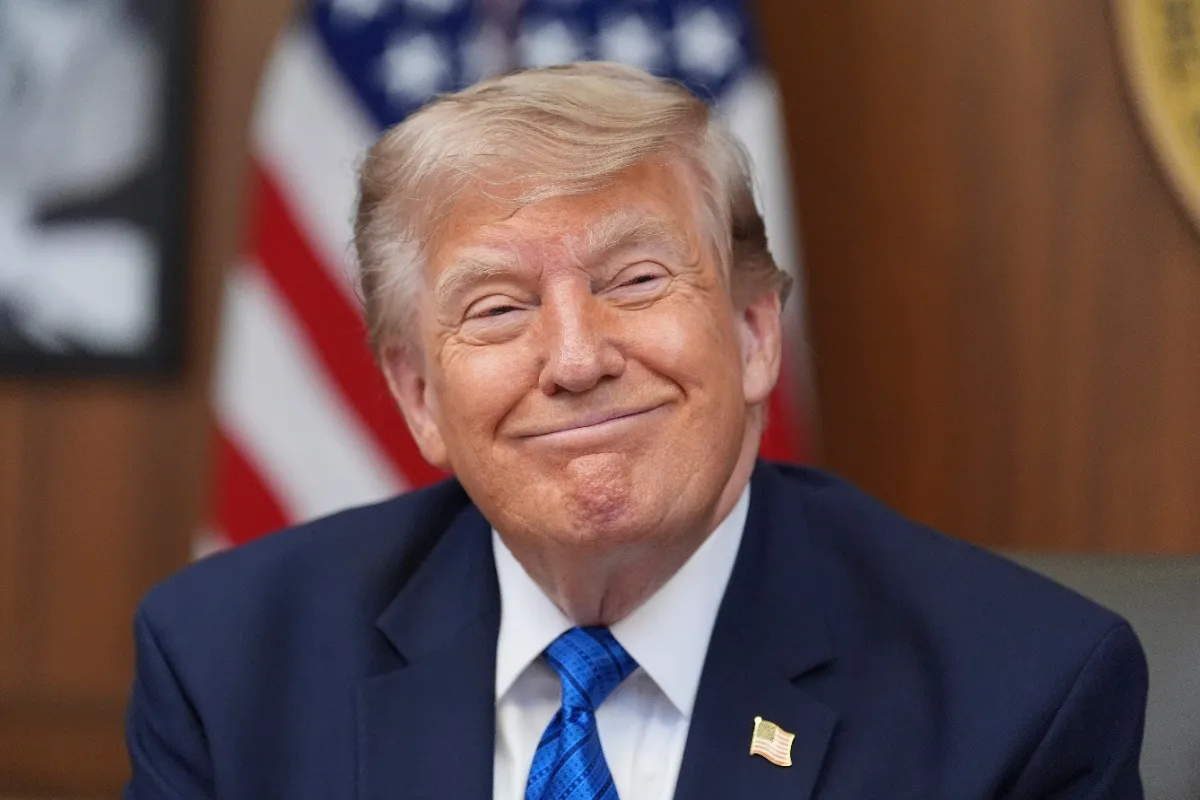
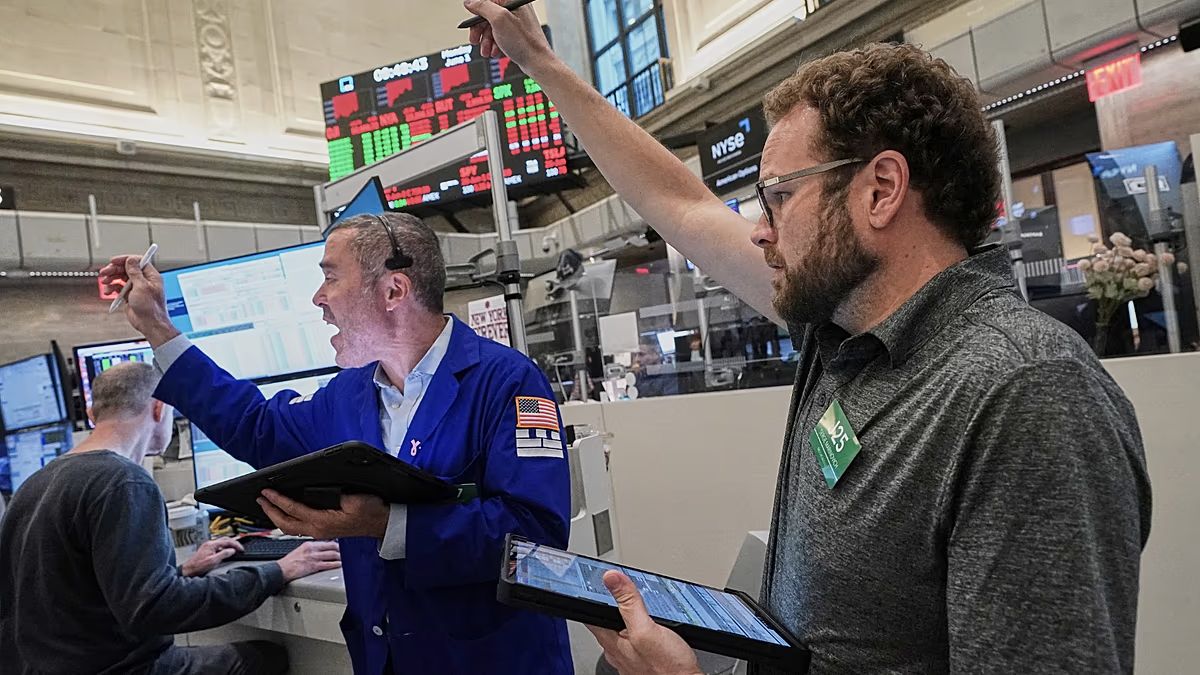
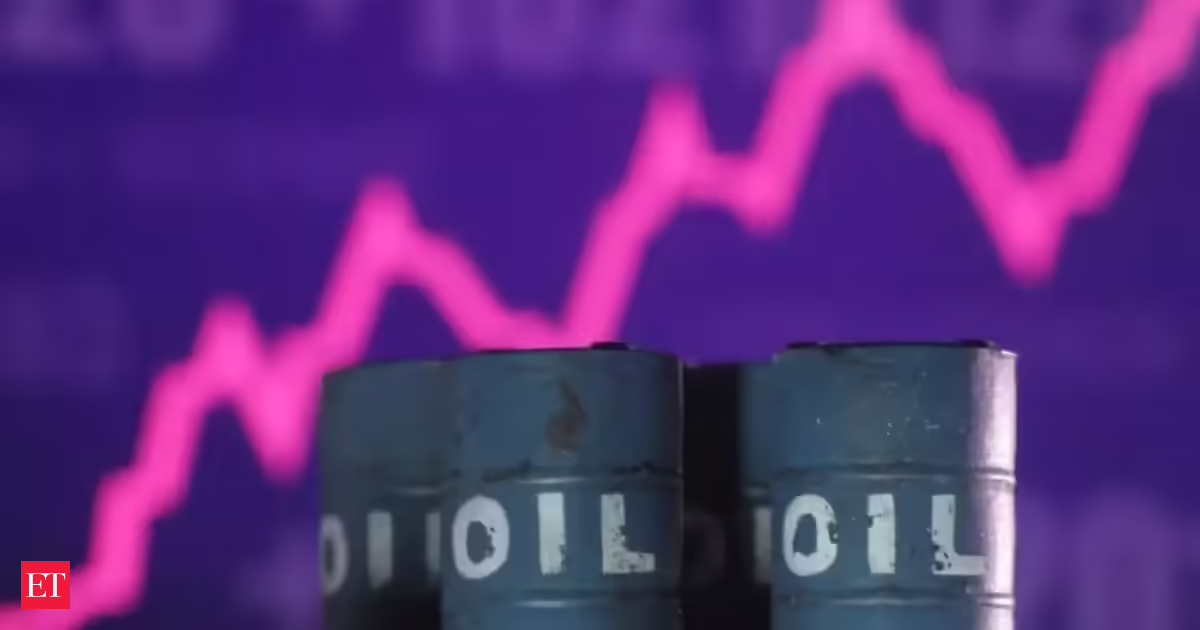
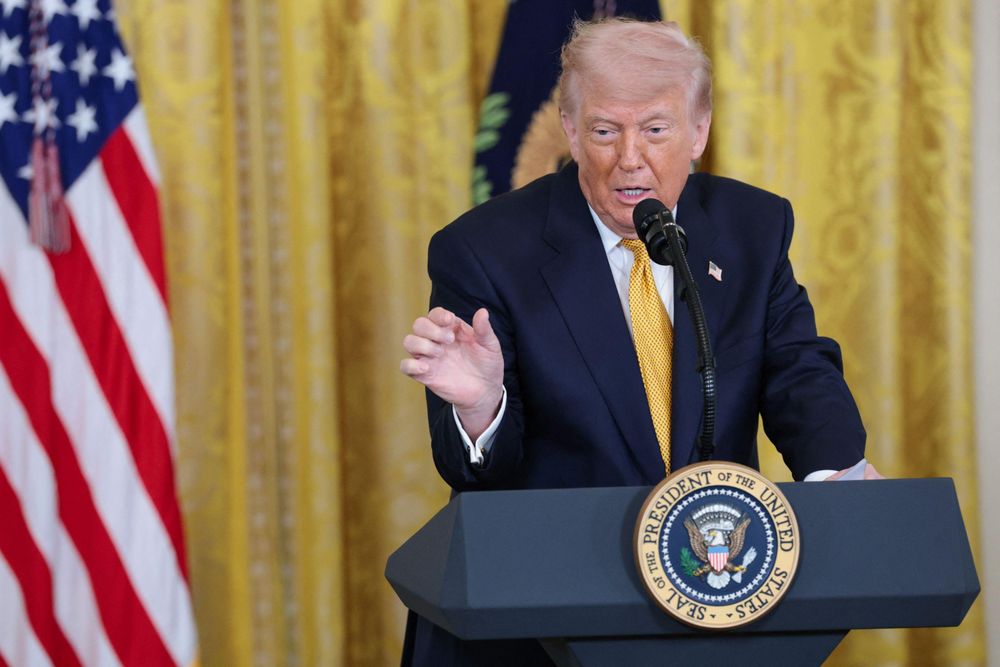
The prospect of a lasting peace deal between the US and Iran pushed the global oil price lower on Monday even as secretary of state Marco Rubio’s warned that a deal was far from done, putting a dampener on traders’ hopes.Brent Crude fell by over five per cent on Monday, taking the world’s main international oil price to $94.88 per barrel. The dominant US contract, West Texas Intermediate, was also down over five per cent at $91.22. Over the weekend, US President Donald Trump talked up prospects of a deal. He said that “constructive” discussions were centred on “final aspects and details”, before saying he also told negotiators “not to rush” to get an agreement done.“Both sides must take their time and get it right”, he said in a social media post.Rubio had meanwhile suggested that an announcement could be made within hours.On Monday, the US secretary of state cautioned that it “takes a little while to hear back from Iran” when speaking to reporters in Delhi, India. Iran’s foreign ministry spokesman contradicted parts of US briefings, claiming that while a conclusion had been reached on a “large portion of the issues”, an imminent signing of a deal was untrue.Rubio said proposals under discussion were “pretty solid … in terms of their ability to open up the Strait [of Hormuz]”. He also pointed to “a very real, significant, time-limited negotiation on the nuclear matter,” with Iran’s enriched uranium stockpile a key sticking point between Washington and Tehran.Trump also separately said in a post on Monday: “The deal with Iran will either be a great and meaningful one, or there will be no deal.”The post on his social media platform Truth Social largely attacked Democrats and other critics for opposing the deal.US media reports suggested that Iran was prepared to give up its stockpile although Iranian sources have denied the claims. There are reports in the US that some Republicans view the potential deal as too lenient on Iran.Senator Lindsey Graham, an ally to Trump, said a deal that allowed Iran to remain a dominant force in the region “makes one wonder why the war started to begin with”. Senator Ted Cruz, who previously ran against Trump for the party’s nomination, said the deal would be a “disastrous mistake”. Analysis from City bank ING pointed out that “while talks continue, vessels are still trickling through the Strait of Hormuz.”Warren Patterson, head of commodities strategy, added: “We’ve been at this stage before, only for talks to break down. Therefore, the market will likely be more cautious about overreacting to these headlines.”Iran claimed around 33 vessels went through over the weekend having been granted approval. It has been granting safe passage to vessels under the flags of its allies during the stand-off.With oil prices falling, stock markets in Europe and Asia were rallying. US futures markets pointed to an opening gain of about one per cent on the S&P 500, New York’s main stock benchmark, matching gains already underway in Paris and Frankfurt. UK markets are closed for the late May Bank Holiday.Iran deal uncertaintyThe latest wave of direct attacks on Iran from Israel and the US began in late February. Since early March, the effective closure of the Strait has stoked energy supply fears across the world.Around a fifth of the world’s seaborne crude oil and liquified natural gas usually travels through the maritime chokepoint between Iran’s south coast and Oman.There are estimated to be at least 800 ships stranded in the Gulf, unable to use the key transit, through which around a fifth of the world’s at-sea crude oil and liquified natural gas supplies usually travel.As the direct conflict between Israel, the US and Iran lingered, fears of fuel shortages have stalked markets. Brent Crude Oil traded as high as $126 a barrel in April, as hostilities lingered and undermined expectations that the conflict would be swiftly over.Renewed hopes for a deal to reopen the strait will ease fears of potential energy shortages, including over jet fuel into the summer getaway season. Any sustained drop for Brent will also soothe concern over the upward inflationary pressure stoked across the economy by high oil prices.