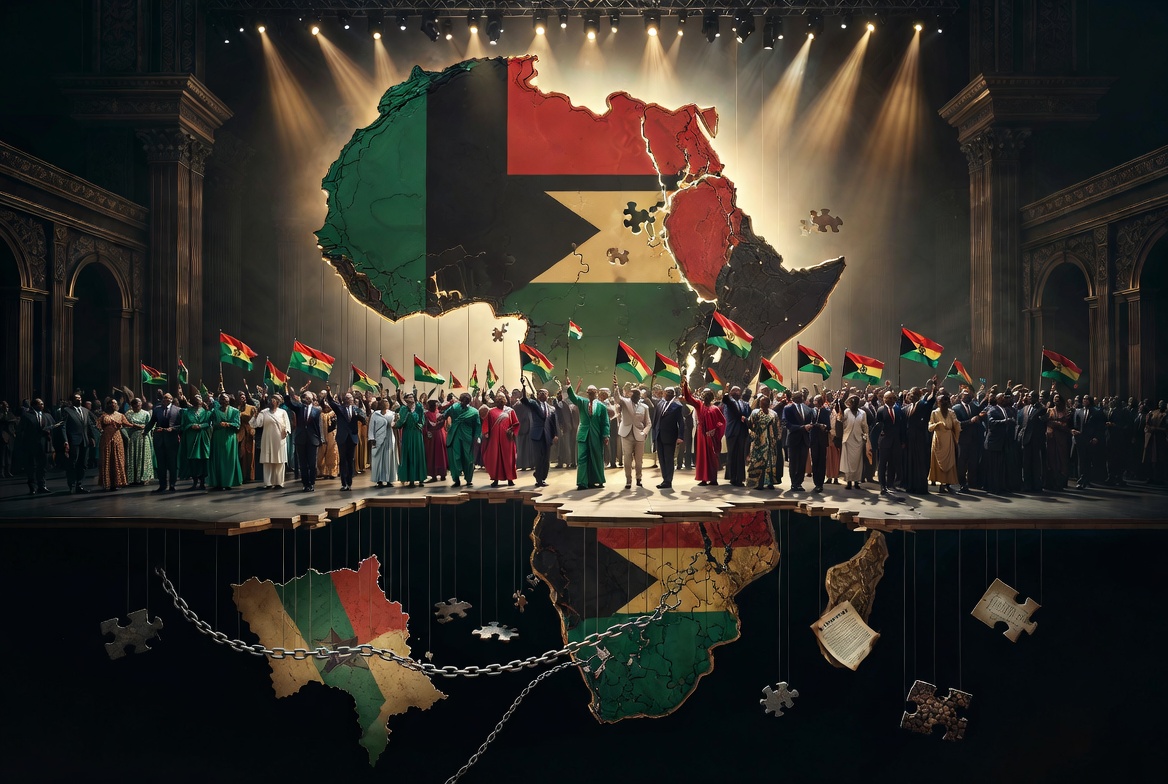
The choice of an African world allows for the complexity of perspectives and the inevitable process of effective disagreement needed to establish new ways of interacting, both positively and negatively, in our world. Afrilition does not insist on African unity but recognises cooperation as a critical process and part of enlightened self-interest. There has never been one Africa, even in the pre-colonial world, and today we are still prisoners of the mental model that reduced African nations into tribes.
Afrilition: 21st-century African Manifesto is nothing if it is not about the evolution of the African character. To make good on my desire to realise a weekly Afrilition article, I had a bit of an epiphany I would have liked to have documented in the book. This is that ASE (the African system of excellence) is the essence of Àsé for the rest of this century. All these are based on the platform of African identity.
In writing about the African world, two lenses are ever present in this book. The first is the subjective or the personal, which is my family. Our African identity is complex and layered, across Africa (especially Nigeria and Ghana), the Caribbean (St Vincent and the Grenadines), Europe (Netherlands, Ireland), and Asia (Indonesia, Lebanon/Syria). Especially in terms of skin pigmentation, as a family we represent shades of toasted vanilla, caramel, terra cotta, milk chocolate, dark chocolate, and burnished ebony tree.