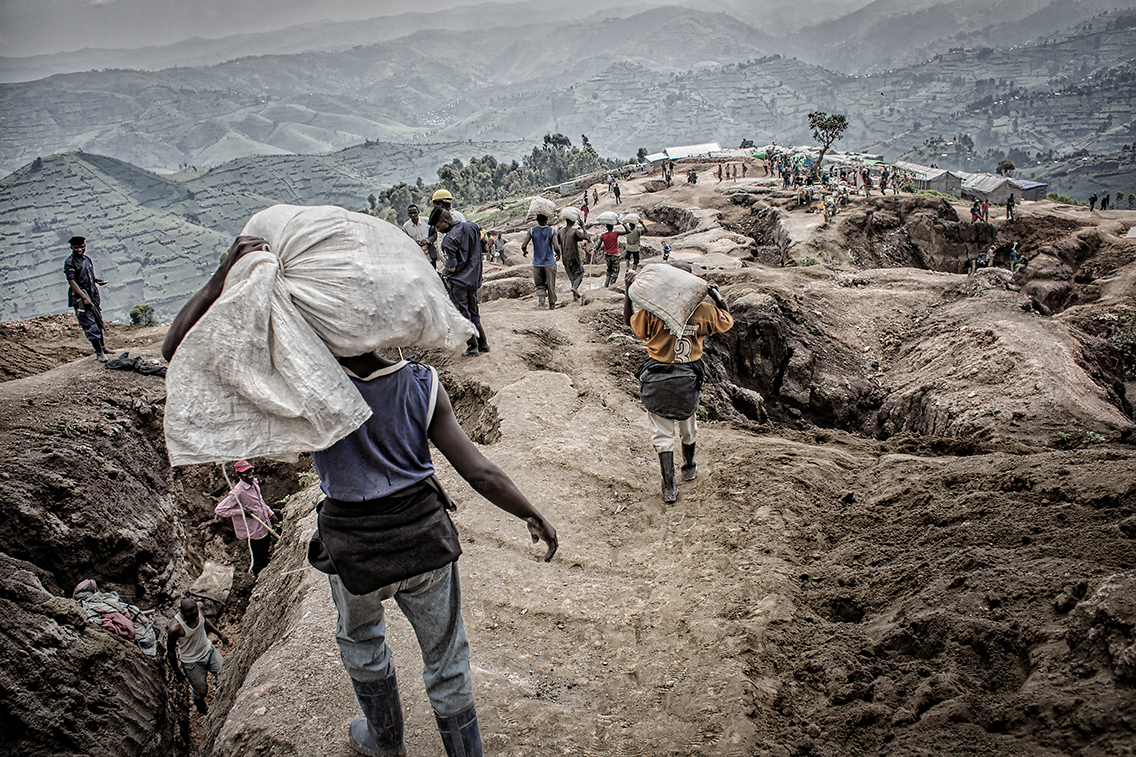
For decades, Africa has been described as a continent of “immense potential.” Yet, potential does not build infrastructure, feed populations, or create global superpowers. Despite possessing over 60% of the world’s uncultivated arable land and a vast repository of the planet’s strategic mineral reserves, Africa remains economically fragmented and disproportionately vulnerable to external shocks. To look at Africa today is to see this tragic fragmentation firsthand.
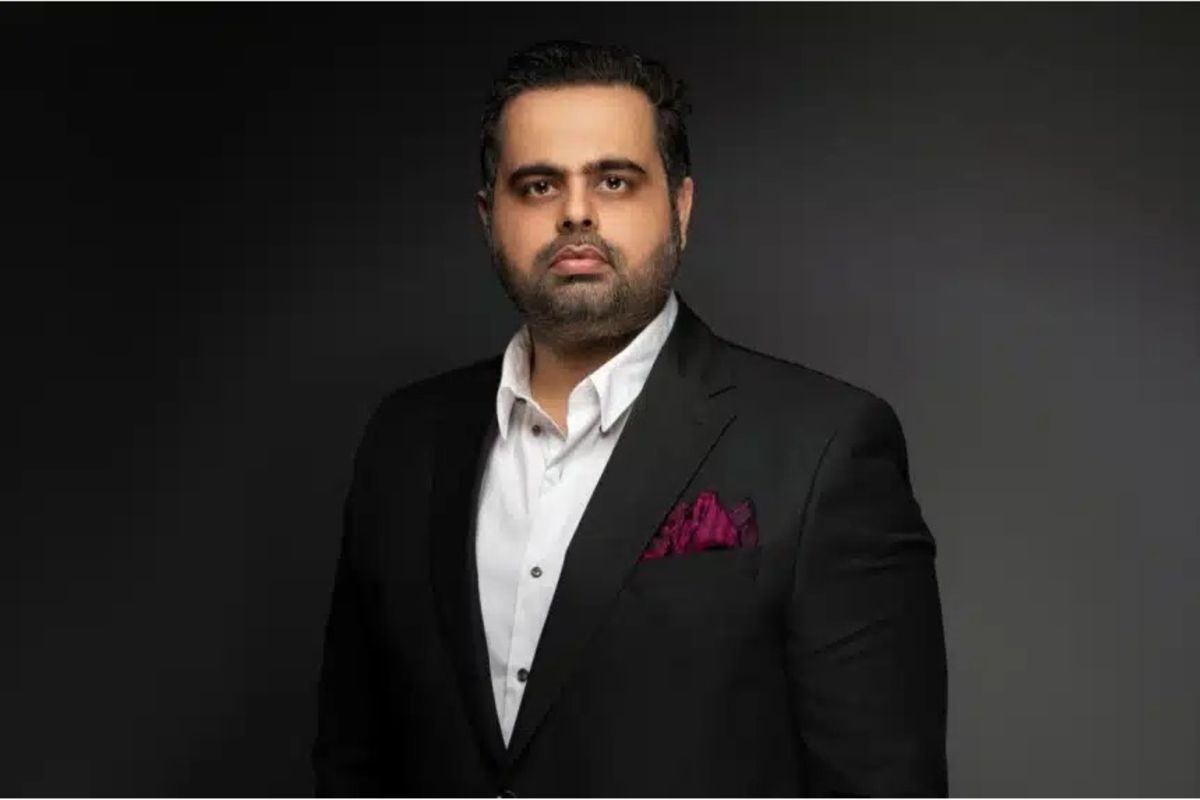
For those of us who cultivate its soil, invest in its landscapes, and study its profound political philosophies, this division is not just a geopolitical reality—it is a deeply personal grievance. As a farmer, a real estate investor, and a student of the Kwame Nkrumah school of thought, my ultimate vision in life is to witness a truly united Africa within my lifetime.
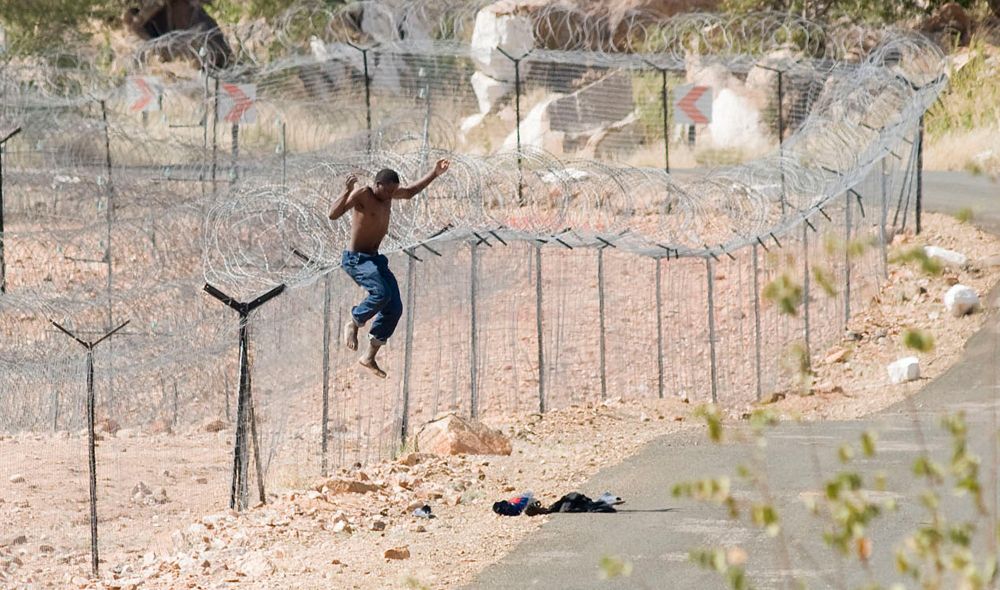
The remedy to this historical paradox is not more foreign aid or isolated national policies. The remedy is True Pan-Africanism—a shift from sentimental, post-colonial rhetoric to a concrete, aggressive framework for political, economic, and social integration. True unity means an Africa that moves in “one accord”: a continent defined by open borders, a single currency, and a gradual movement toward a common language. It is a 21st-century survival strategy to reclaim our agency and ensure we are no longer treated as mere pawns on a global chessboard, exploited and pushed around by foreign interests.