Kenya is one of seven countries in the world on track to reduce new HIV infections by 90 percent by 2030, a new analysis has shown, highlighting the country's remarkable progress in curbing new infections over the past decade.
Analysis by the Joint United Nations Programme on HIV/Aids (UNAids) shows that Kenya has cut new HIV infections by at least 78 percent since 2010, one of the steepest declines recorded globally, placing it alongside Benin, Eswatini, Lesotho, Nepal, Rwanda and Zimbabwe as one of only seven countries currently on course to meet the 2030 target.
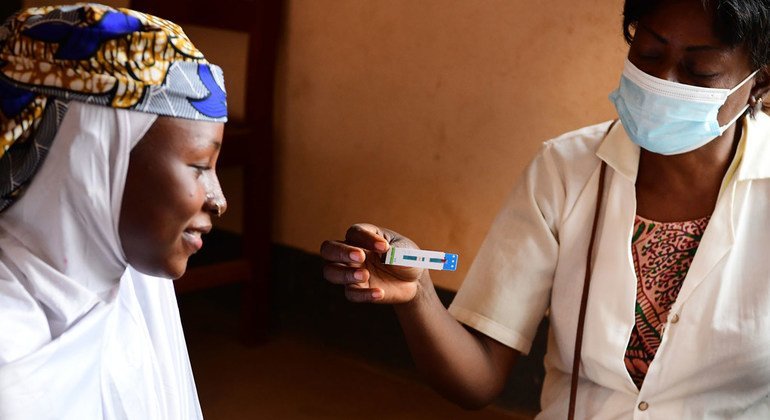
Kenya's success is attributed to sustained investment in HIV prevention programmes, particularly those that prevent mother-to-child transmission during pregnancy and childbirth. The country has surpassed 90 percent coverage of these services, alongside expanded HIV testing and treatment programmes that have helped drive down new infections over the past decade. “In 2025, seven countries achieved at least a 78 percent reduction in the number of new HIV infections since 2010, placing them well on track towards the goal of a 90 percent reduction by 2030,” the report said.
Related
Audit flags drugs distributed to hospitals without proof of tests