NASA reports some cable damage near Madrid as its antennas and ESA's Cebreros station emerge largely intact
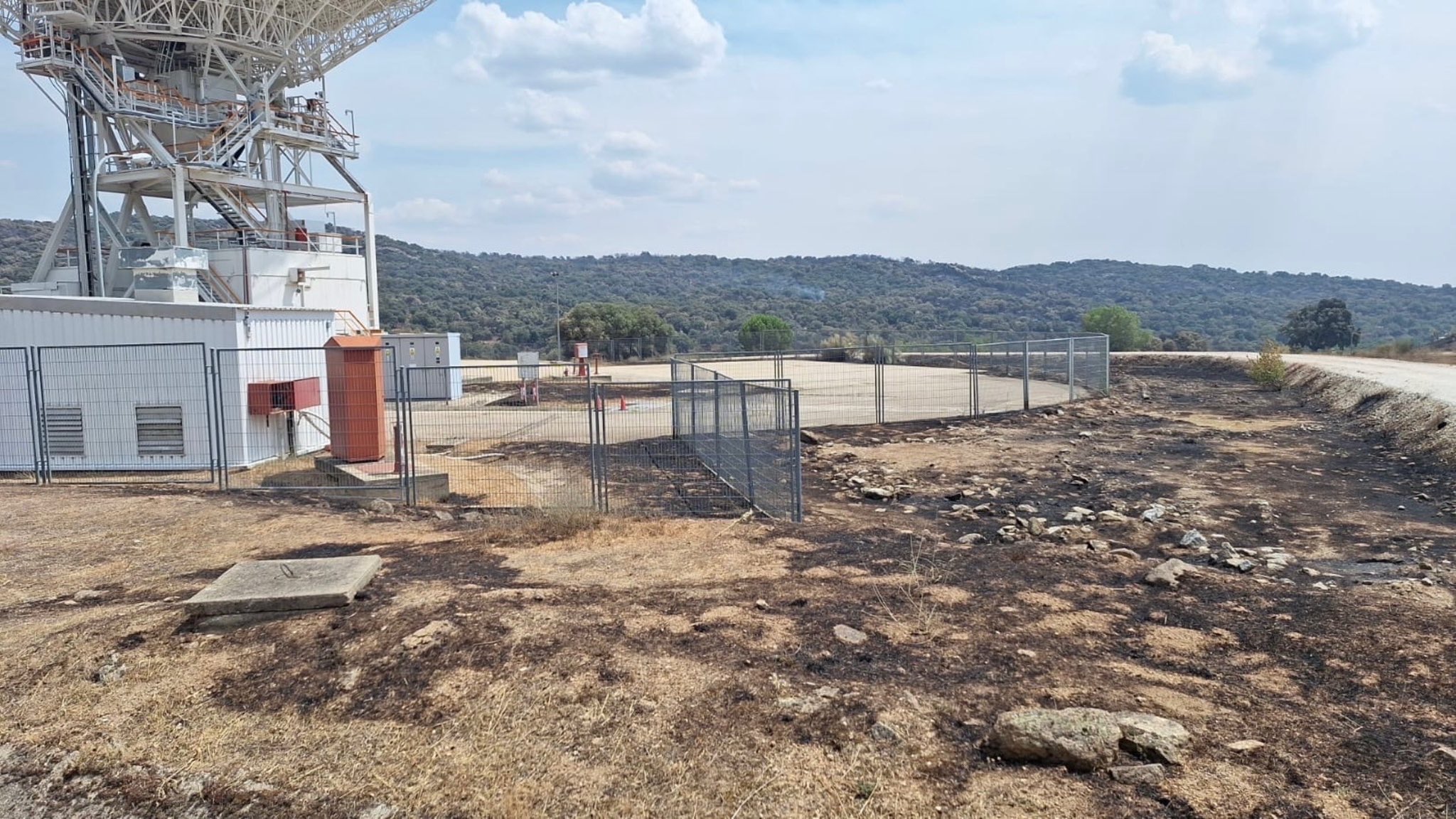
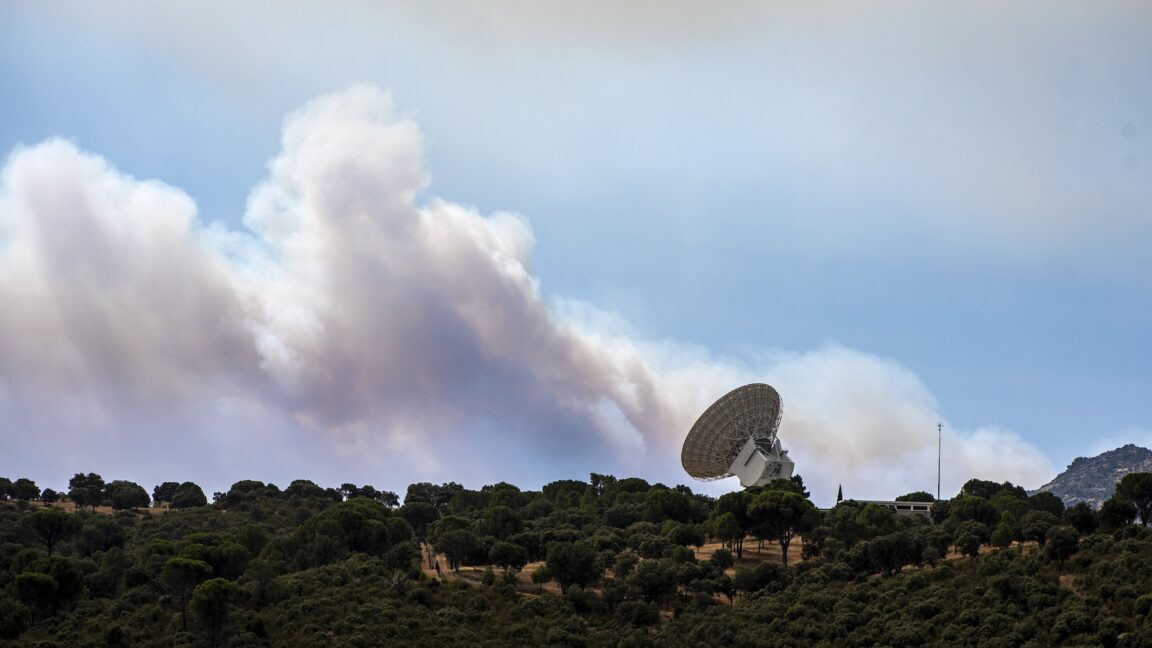
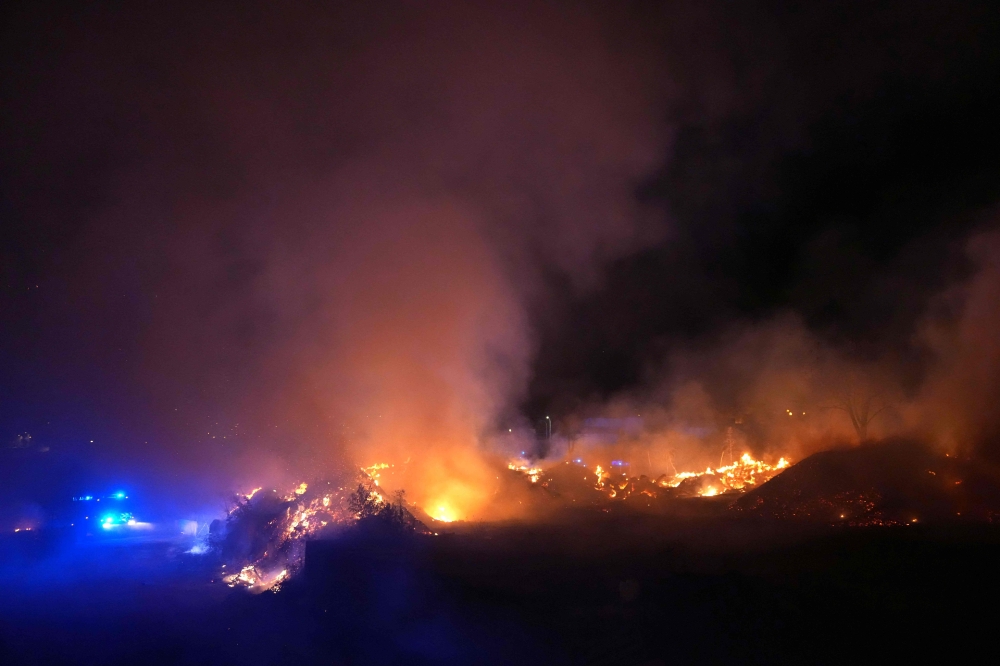
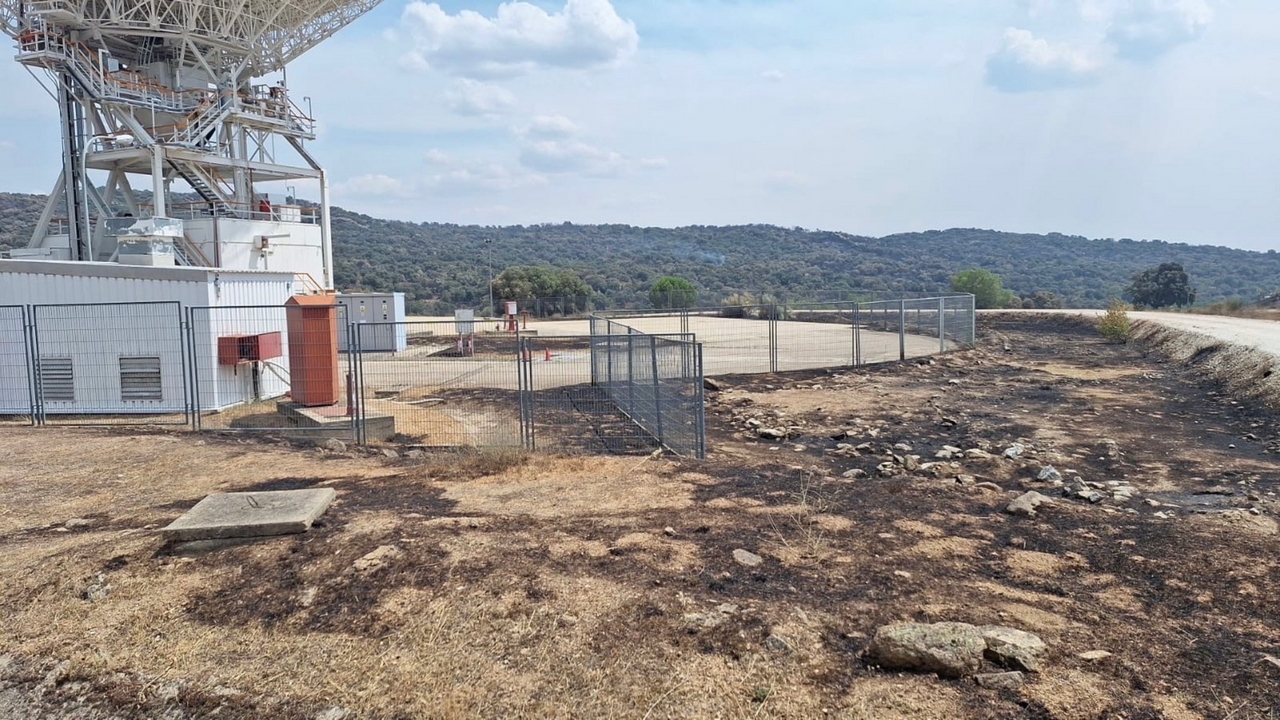
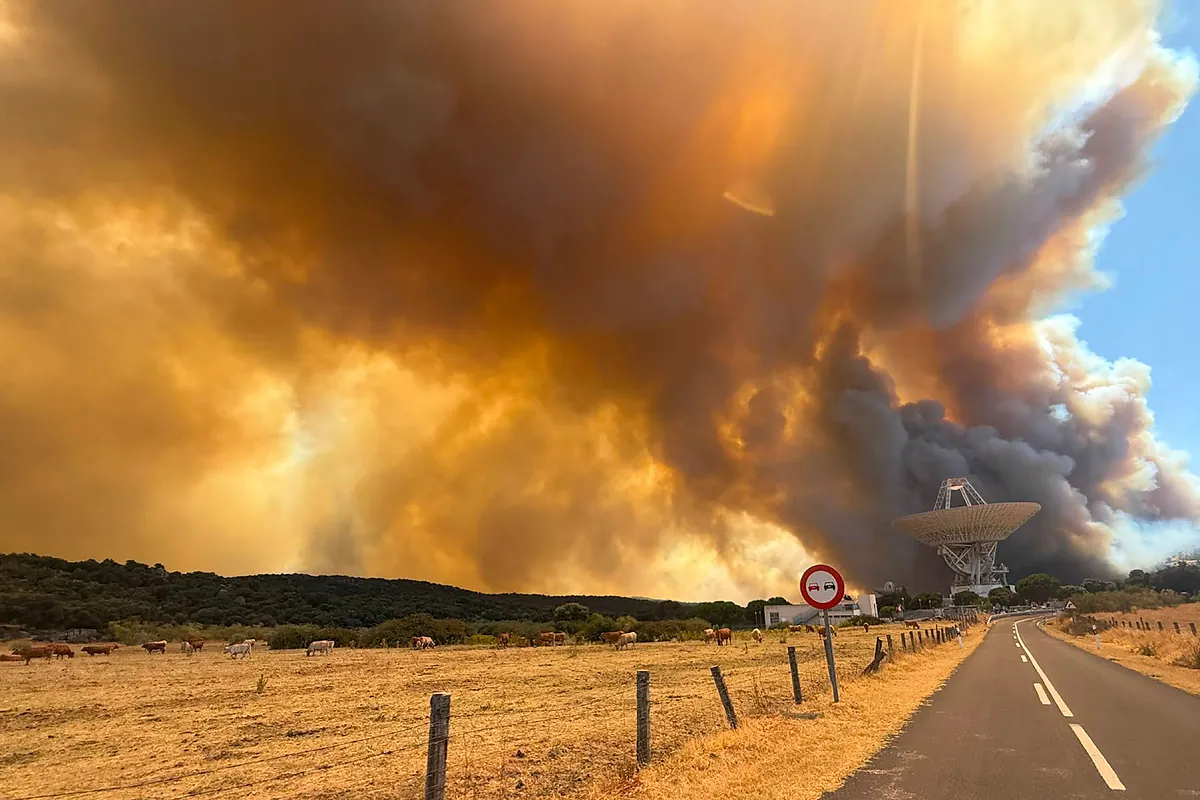
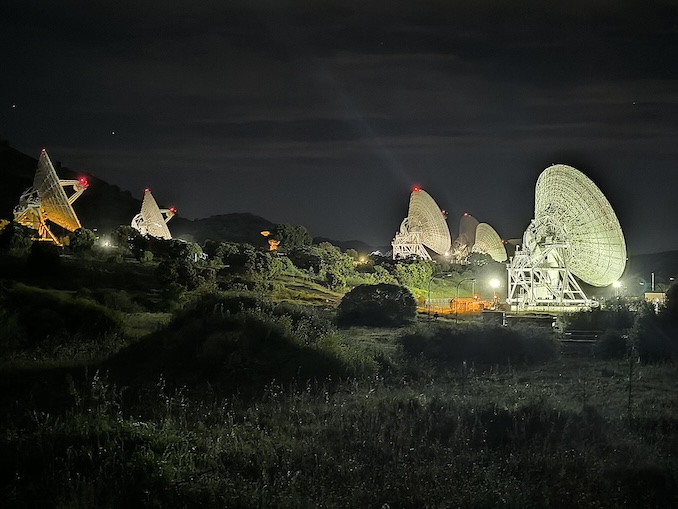
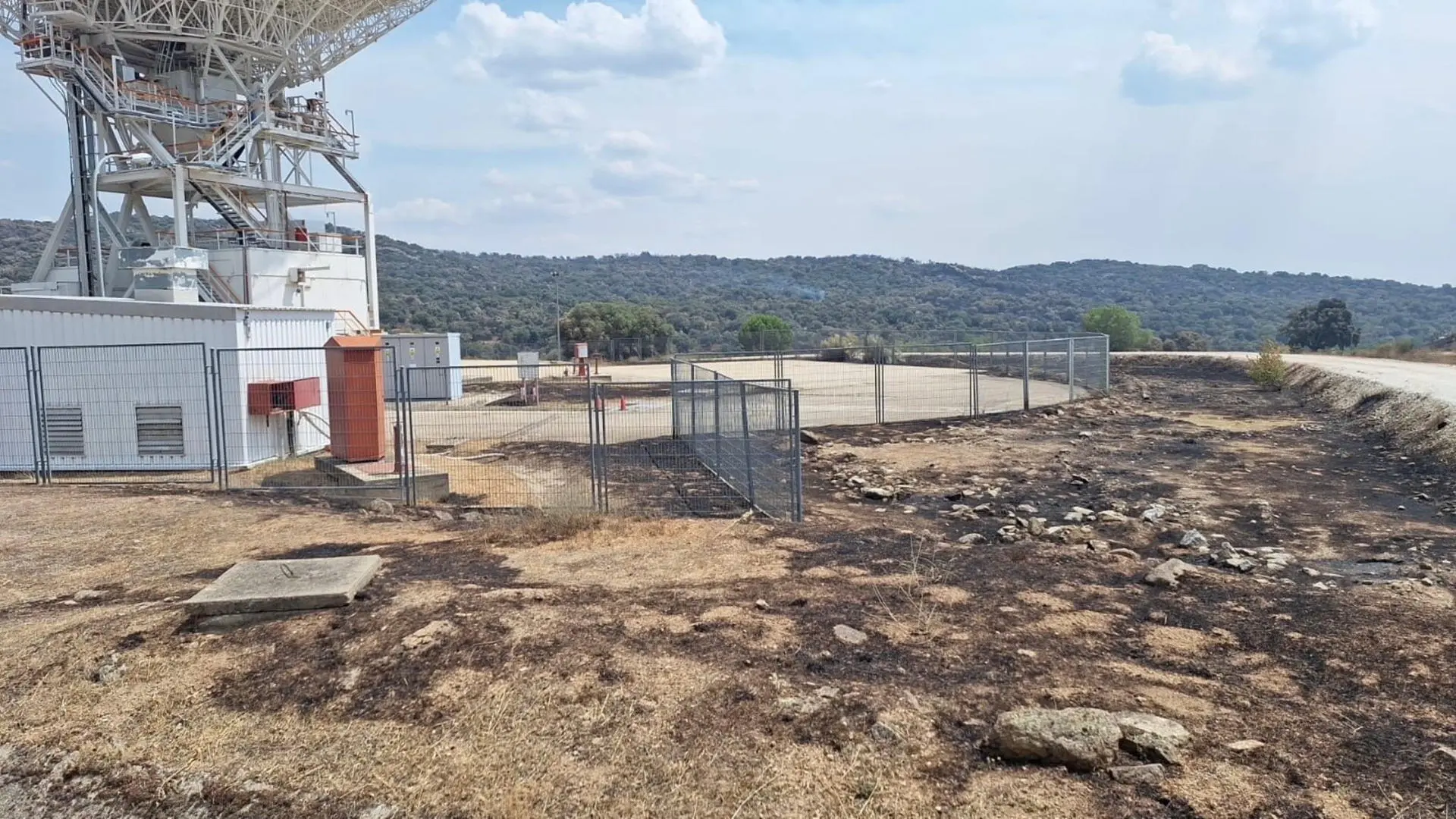
Radio antennas for the European Space Agency and NASA appear to have escaped the worst effects of wildfires in Spain, though NASA's site sustained some cable damage. Over the weekend, a NASA spokesperson confirmed there was "no significant structural damage observed to antennas or buildings" at the Madrid Deep Space Communications Complex (MDSCC) despite fire ravaging the area. The spokesperson cautioned that "the situation remains dynamic" and additional inspections are required. A source with knowledge of the matter has since told The Register that the cables appear to have been burned, although the antennas had indeed escaped the worst of the inferno.
The facility is part of NASA's Deep Space Network (DSN), which is used to communicate with spacecraft. According to the spokesperson, "NASA's Space Communications and Navigation (SCaN) Program has seamlessly transitioned mission support to its other Deep Space Communications Complexes in Goldstone, California, and Canberra, Australia, ensuring continuity of operations and uninterrupted spacecraft communications."
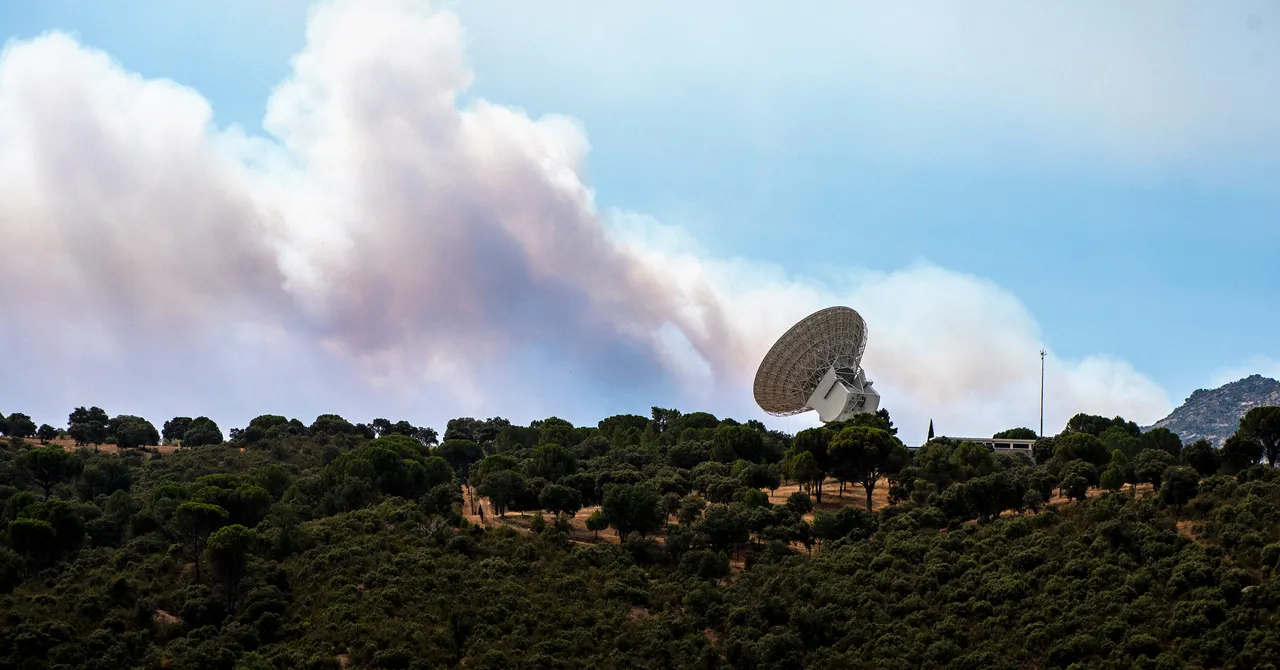
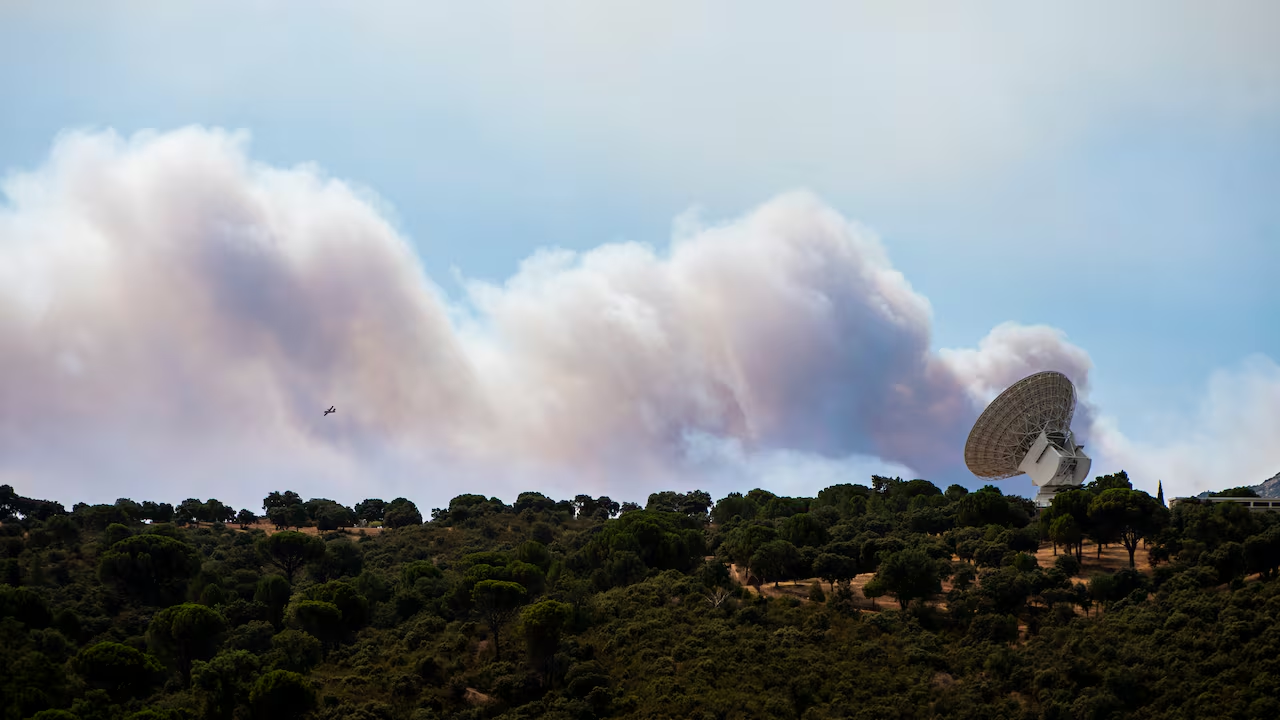
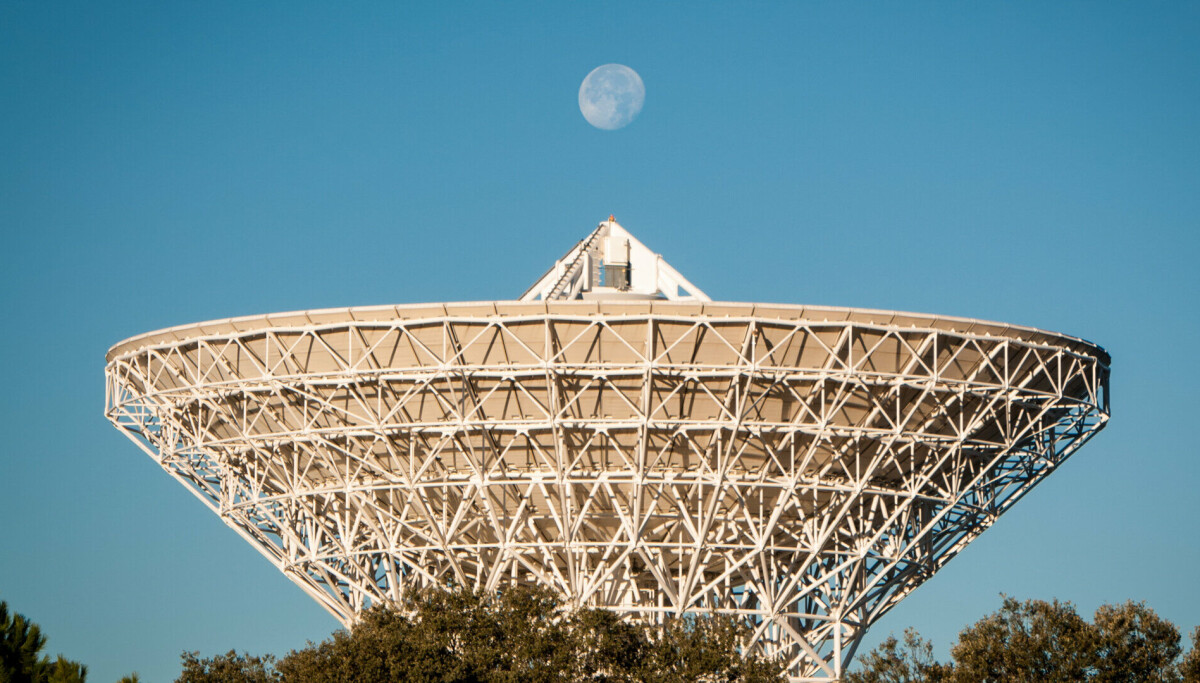
Not counting the big dish at Goldstone, of course, on which more below.The European Space Agency (ESA) also has a facility in the area. Its Cebreros antenna, located approximately 77 km west of Madrid, was also at risk from the wildfires but was "declared GREEN for nominal operations" as of yesterday, according to ESA boss Josef Aschbacher.