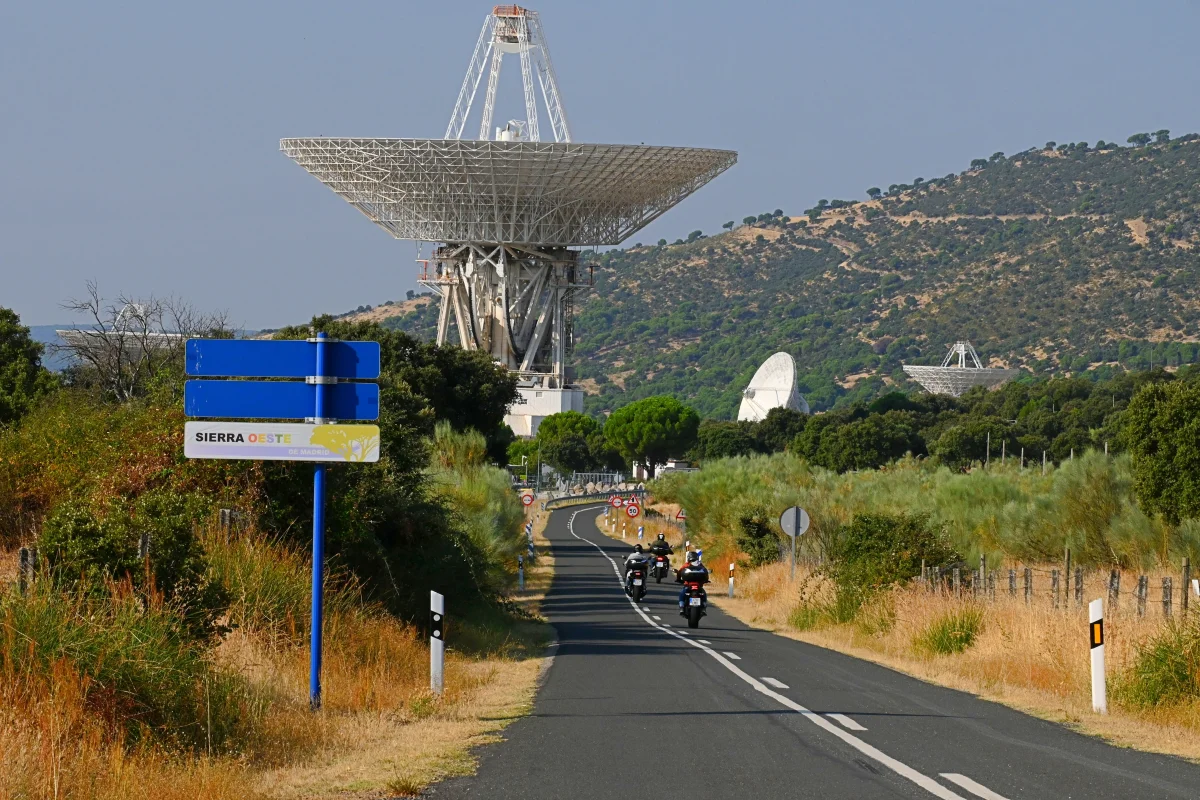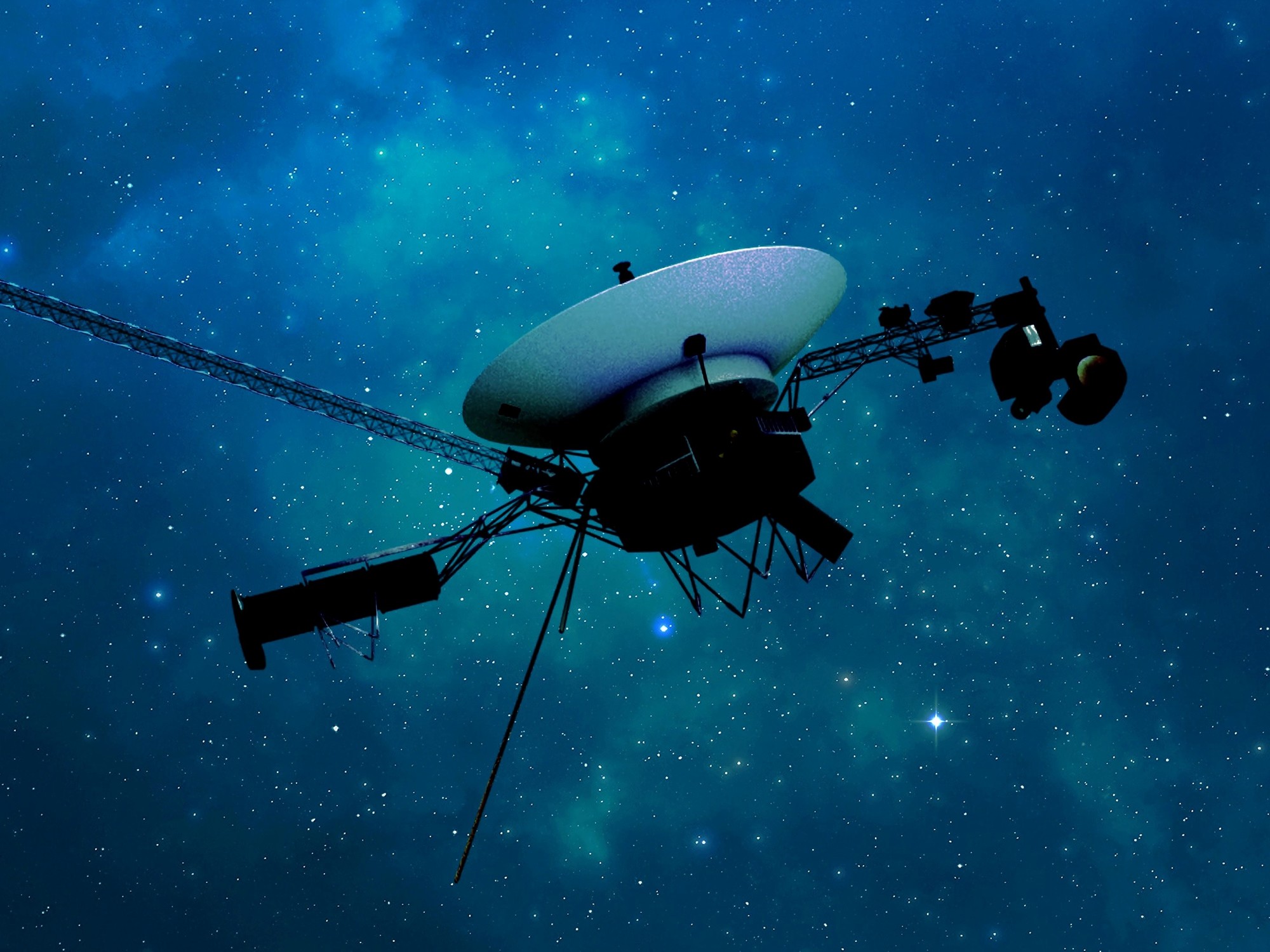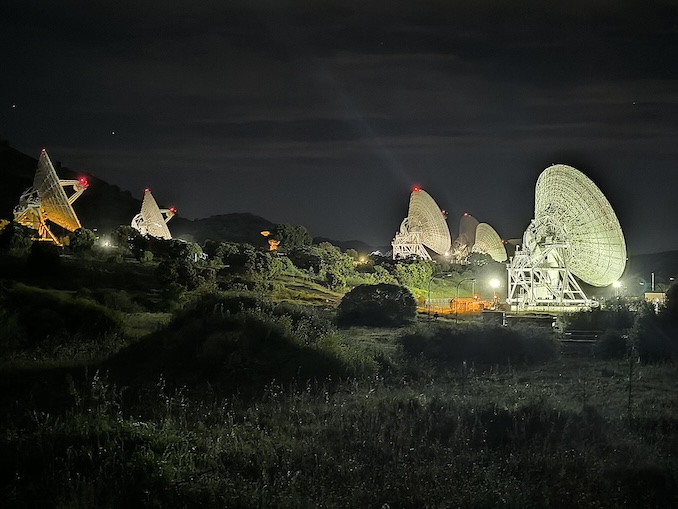
In a historic first, all six radio frequency antennas at the Madrid Deep Space Communication Complex – part of NASA’s Deep Space Network (DSN) – carried out a test to receive data from the agency’s Voyager 1 spacecraft at the same time on April 20, 2024. Known as “arraying,” combining the receiving power of several antennas allows the DSN to collect the very faint signals from faraway spacecraft. A five-antenna array is currently needed to downlink science data from the spacecraft’s Plasma Wave System (PWS) instrument. As Voyager gets further way, six antennas will be needed. Image: MDSCC/INTA, Francisco “Paco” Moreno
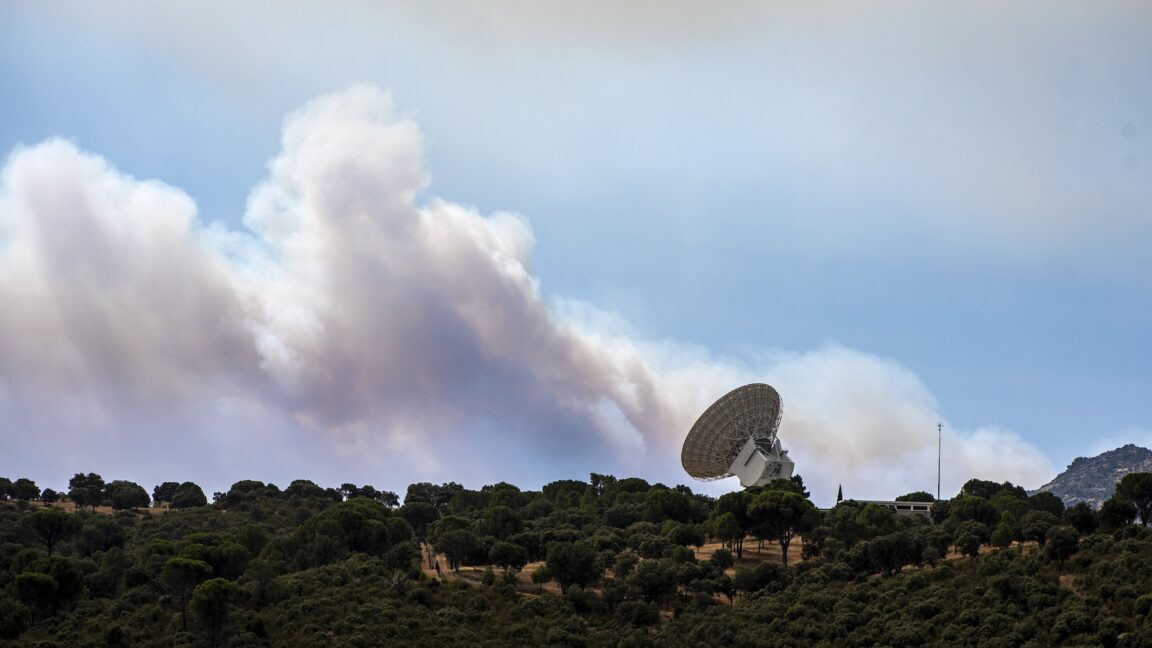
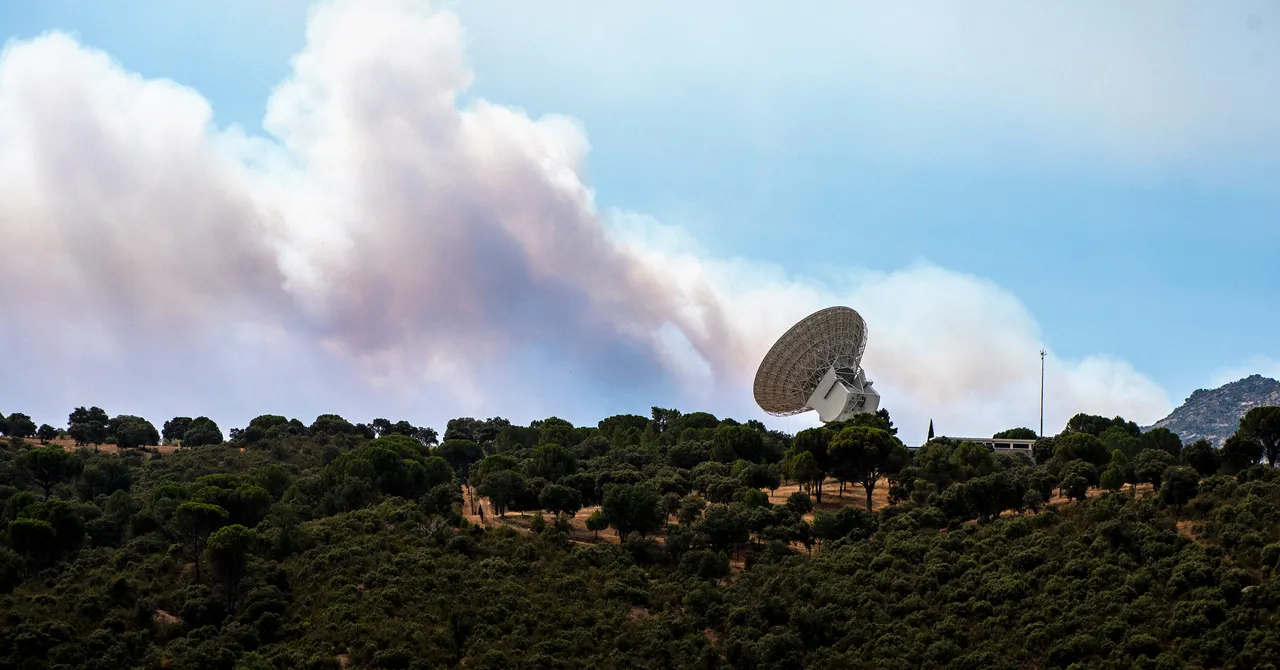
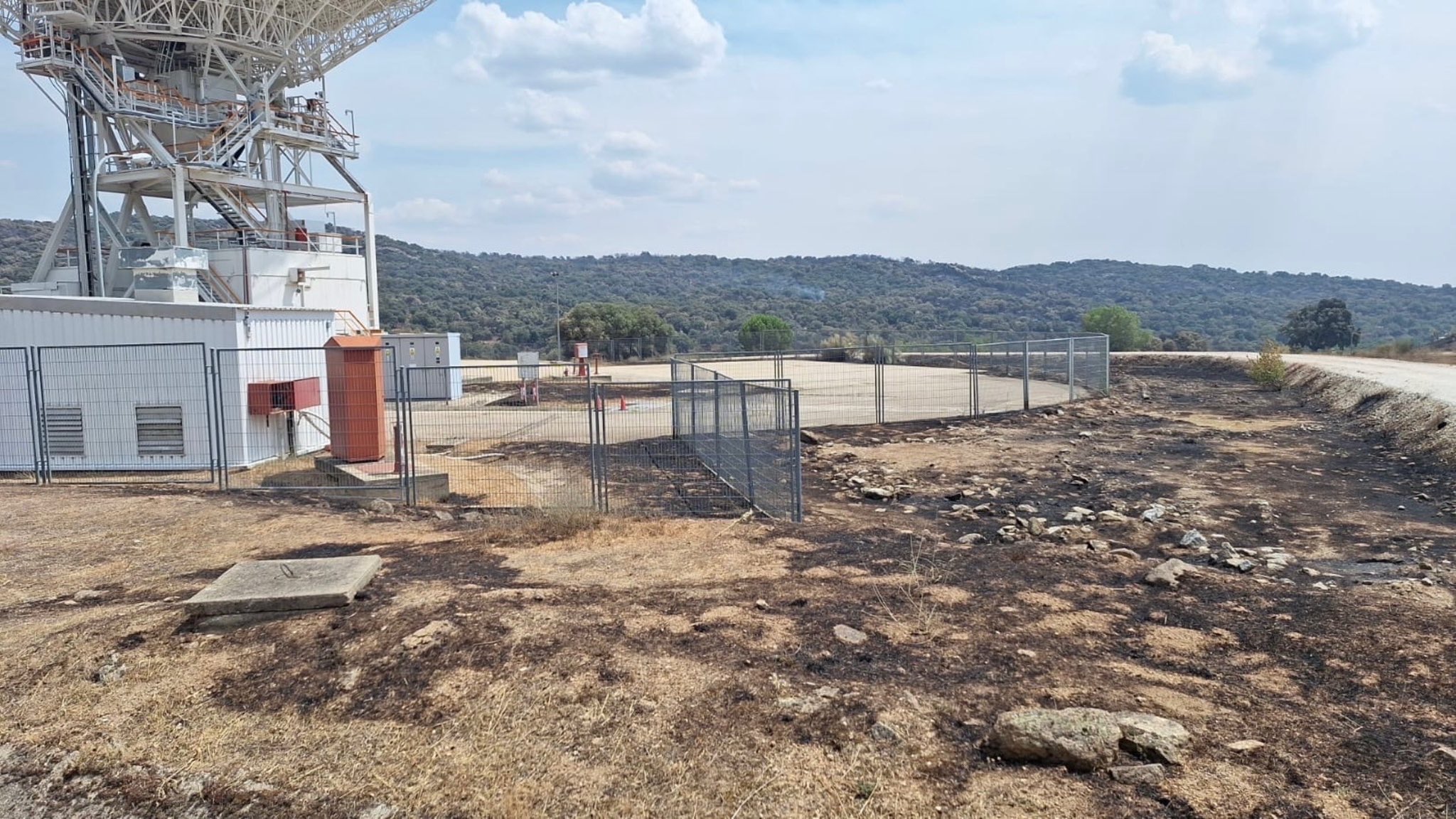
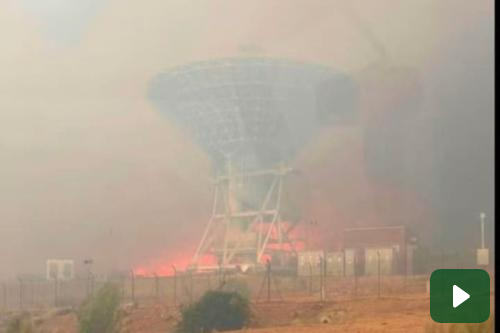
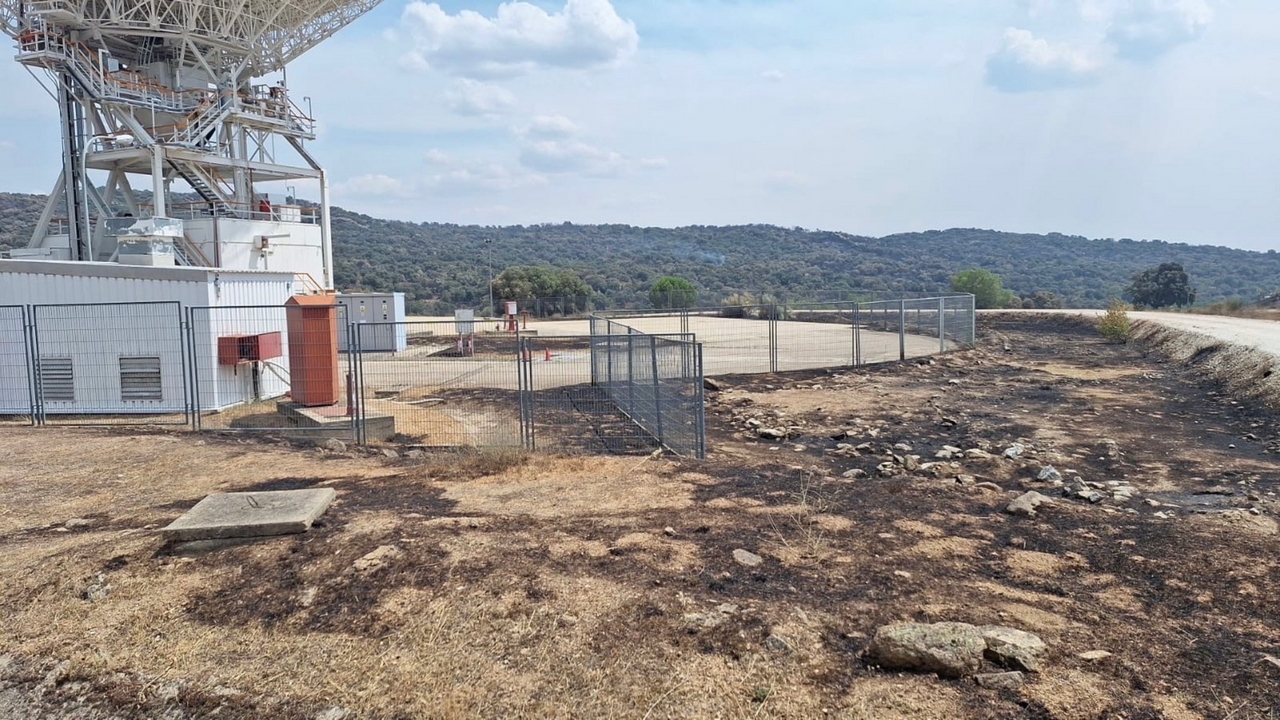
NASA evacuated its Madrid Deep Space Network ground station on Friday as wild fires near the Spanish capital city swept through the area. The agency said all personnel were safe and it had yet to survey the site for damage.
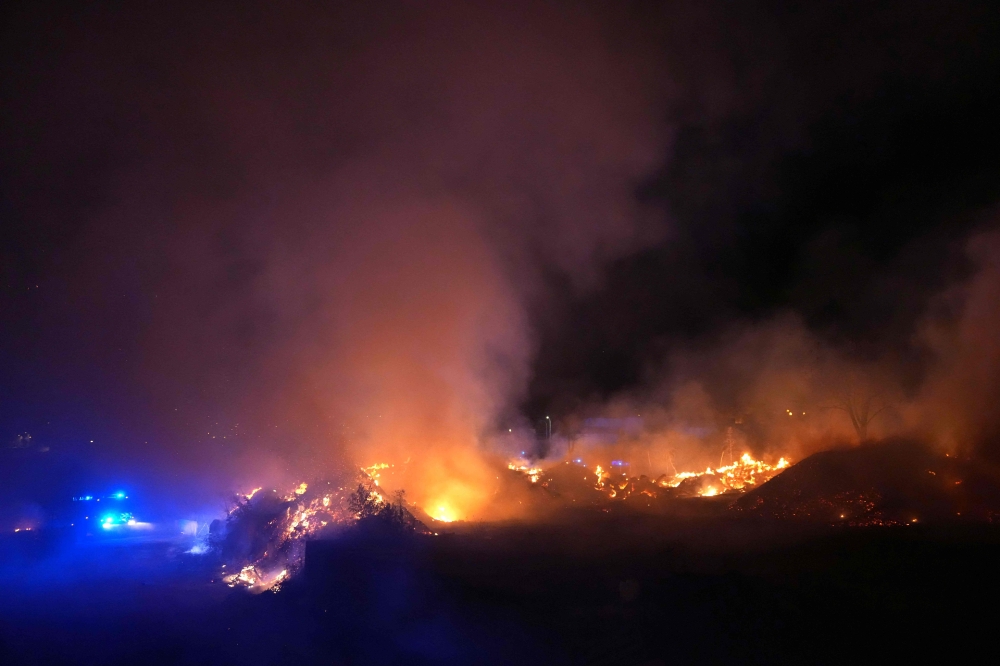
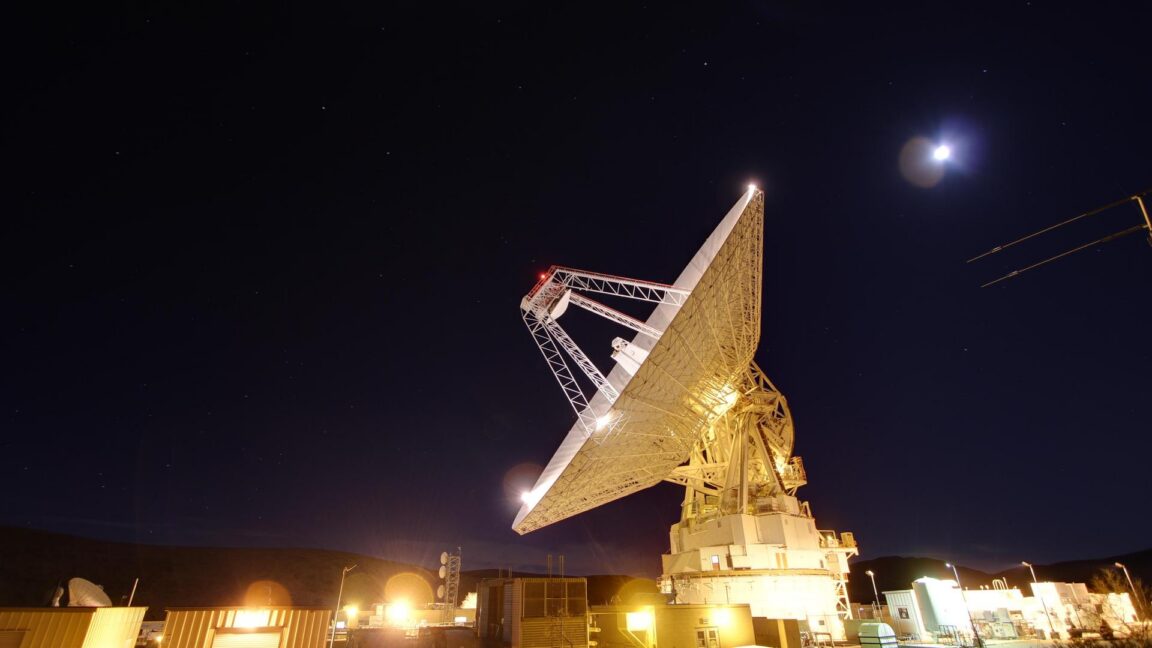
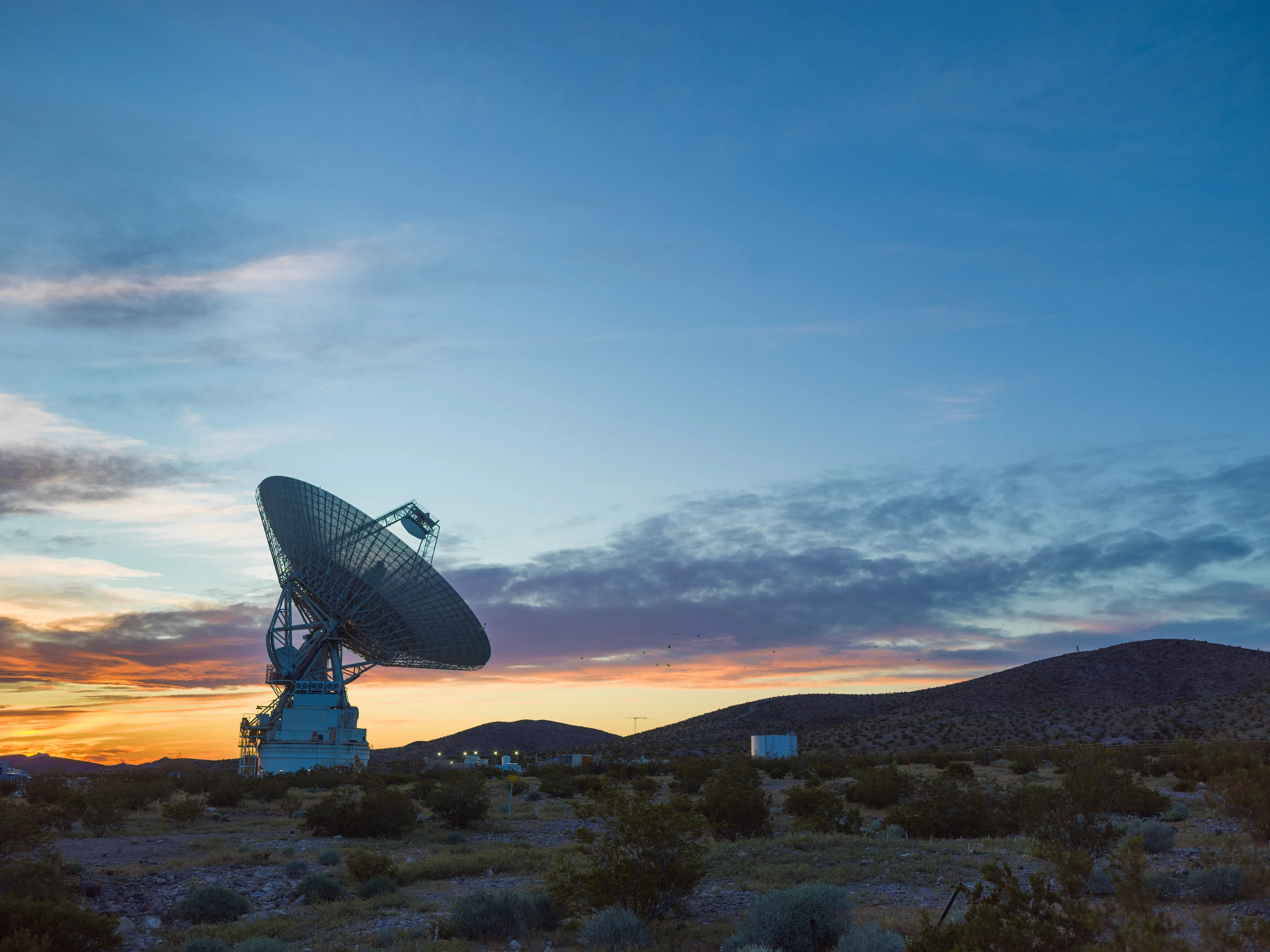
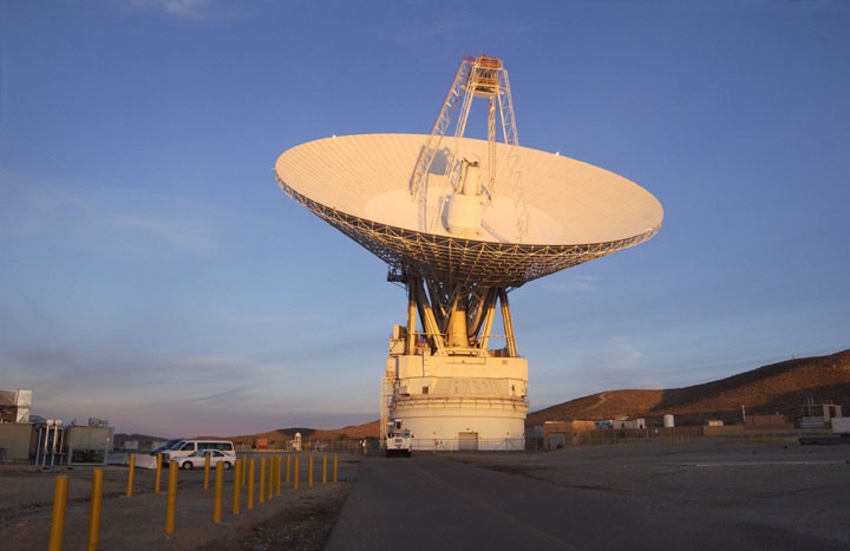
Photos posted on social media appeared to show smoke and flames in the vicinity of the tracking dishes. The Madrid location works in concert with ground stations at Goldstone, California, and Canberra, Australia to send commands to and receive data from spacecraft in deep space.
According to Canal 24 Horas, 90 workers at the site were evacuated and that government officials assured local media that “the impossible is being done” to safeguard the complex. The BBC reports that as of Friday, more than 25,000 people have been evacuated in Spain and more than 20,000 are in lockdown.