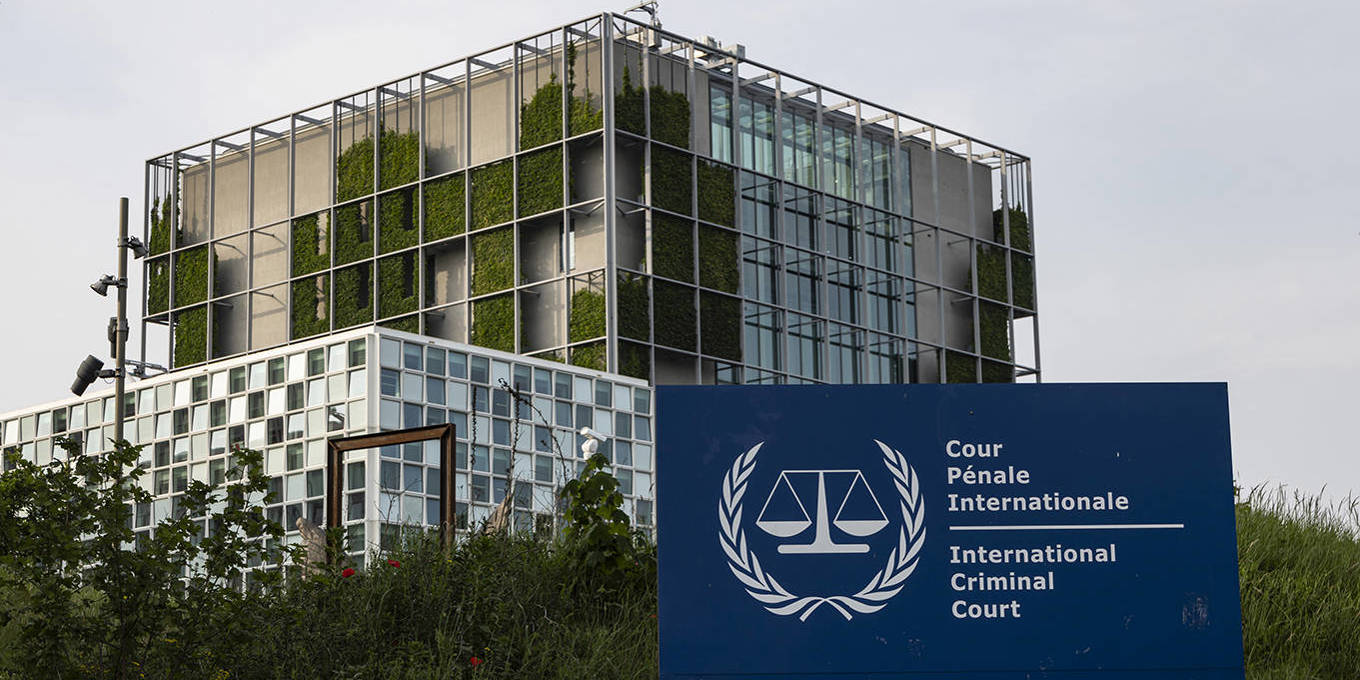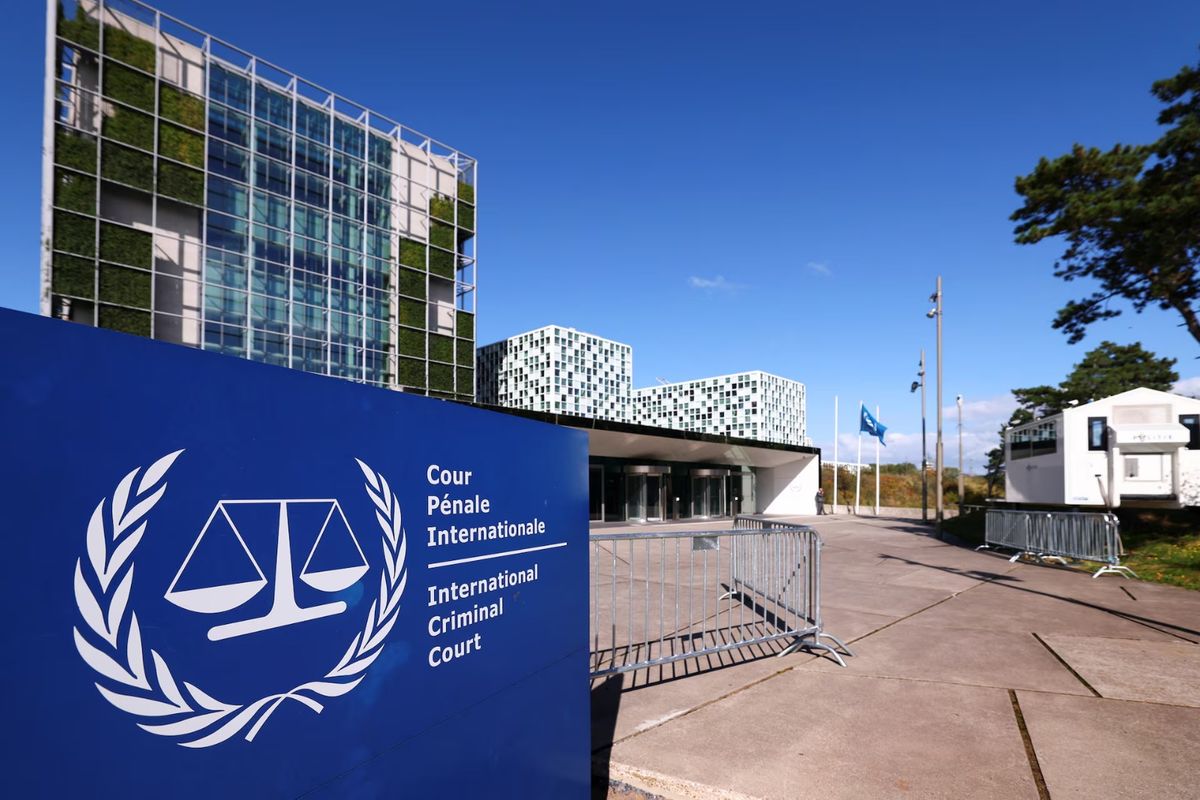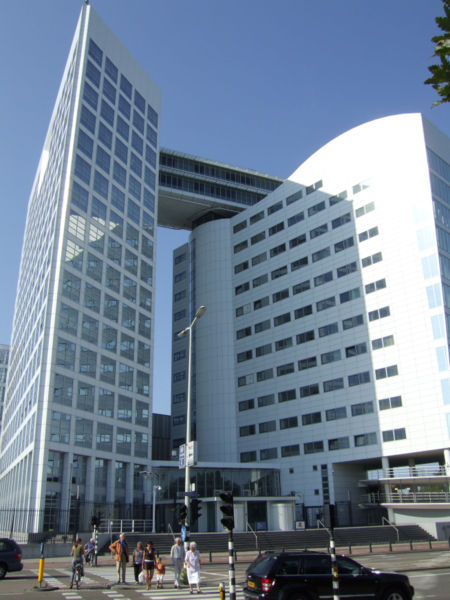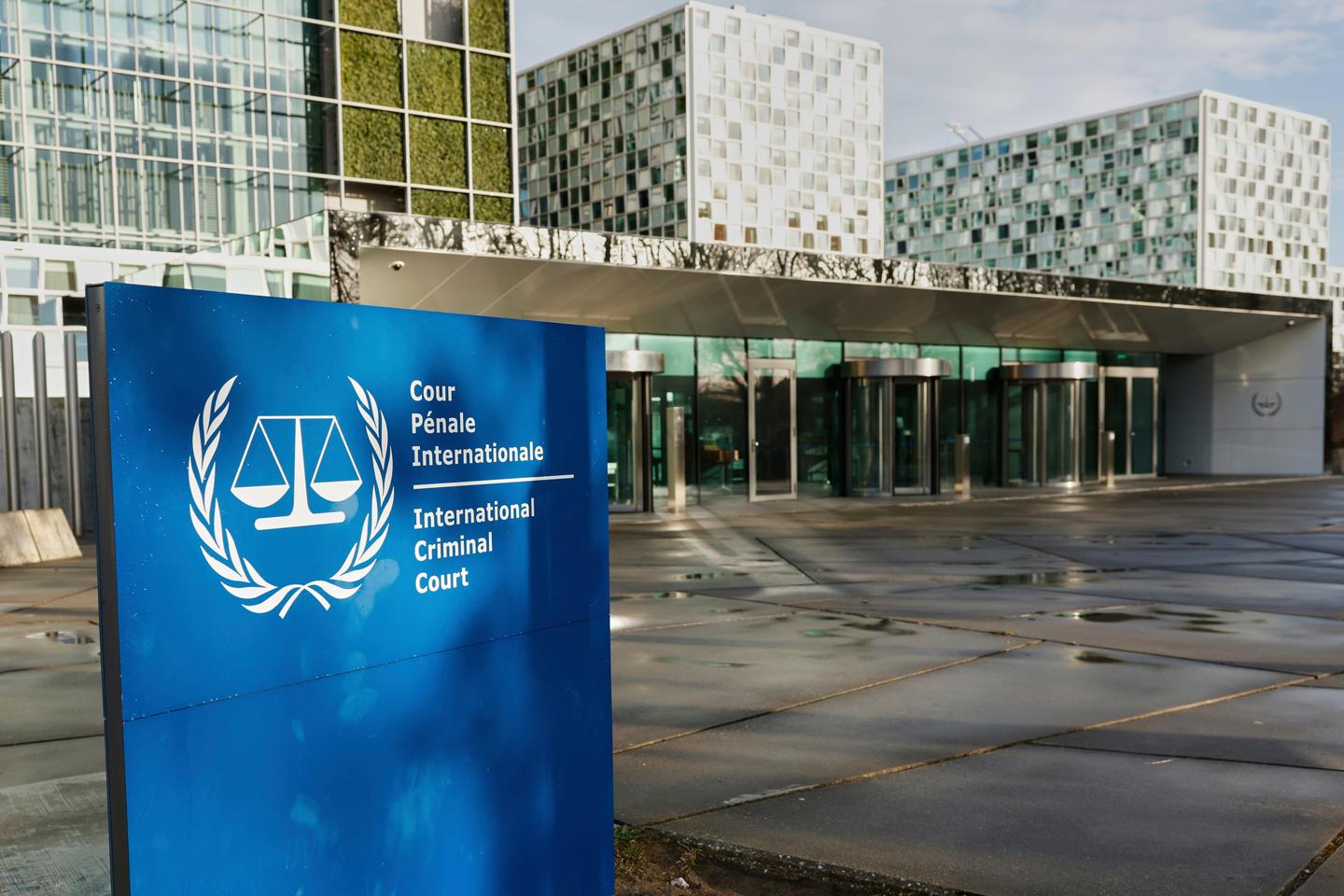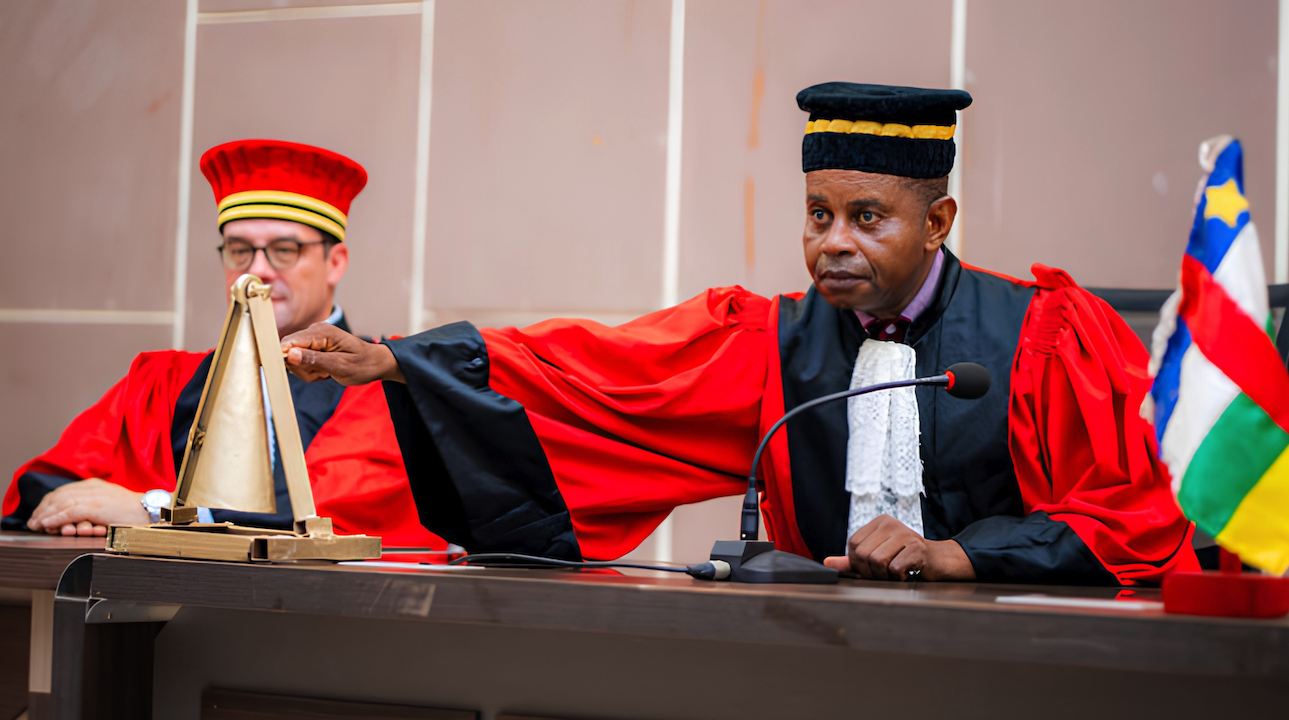
On 17 July 1998 in Rome, the world made its support for international justice clear by adopting the statute establishing the International Criminal Court (ICC). Since 2010, the 17th of July has been commemorated as International Justice Day.
The adoption of the Rome Statute was a landmark moment in the wake of genocides in the former Yugoslavia and Rwanda, and wars ravaging Kosovo, Afghanistan and the Democratic Republic of the Congo (DRC). So much hope rode on a permanent court with international jurisdiction designed to deter conflict, crimes against humanity and genocide.
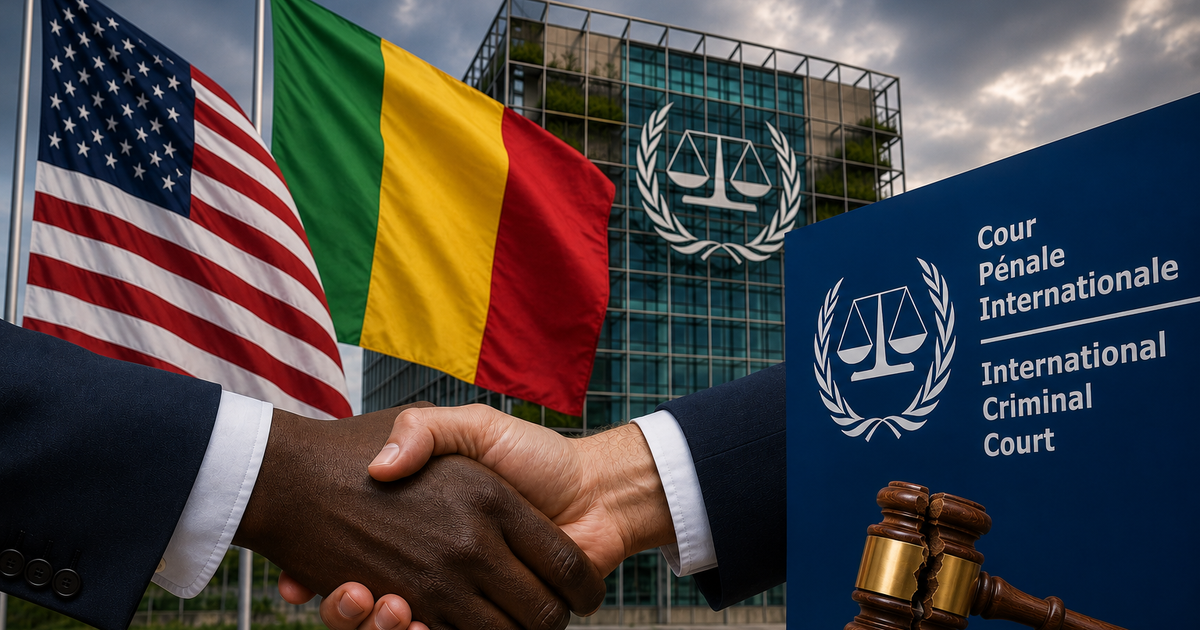
Yet, 28 years later, the ICC and international justice are in crisis – and hope for universal accountability is shrouded by the ICC’s operational and external challenges. The United States (US) has threatened to dismantle the court, and Burkina Faso, Mali and Niger have submitted their notices to withdraw from its statute.
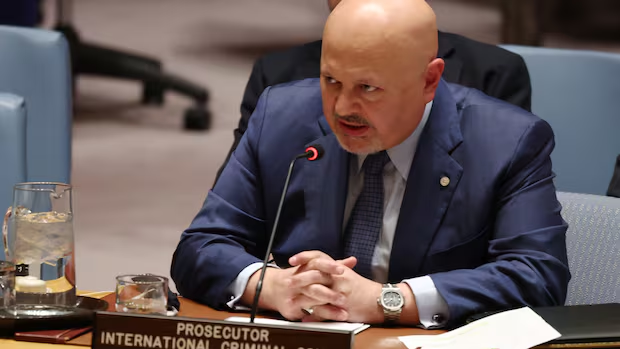
Add to that an embattled ICC prosecutor, delays and cases collapsing due to non-cooperation and other targeted efforts to undermine the court’s work.
On 13 July, US Secretary of State Marco Rubio announced a ‘sweeping campaign to dismantle the threat posed by the ICC to US sovereignty.’ The campaign promises to ‘systematically disable the ICC’s ability to operate.’ Especially worrying actions include pressuring countries receiving US military or other support to reject the court’s authority.