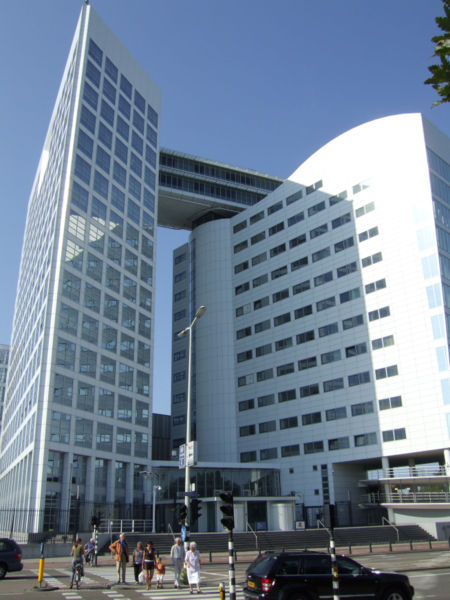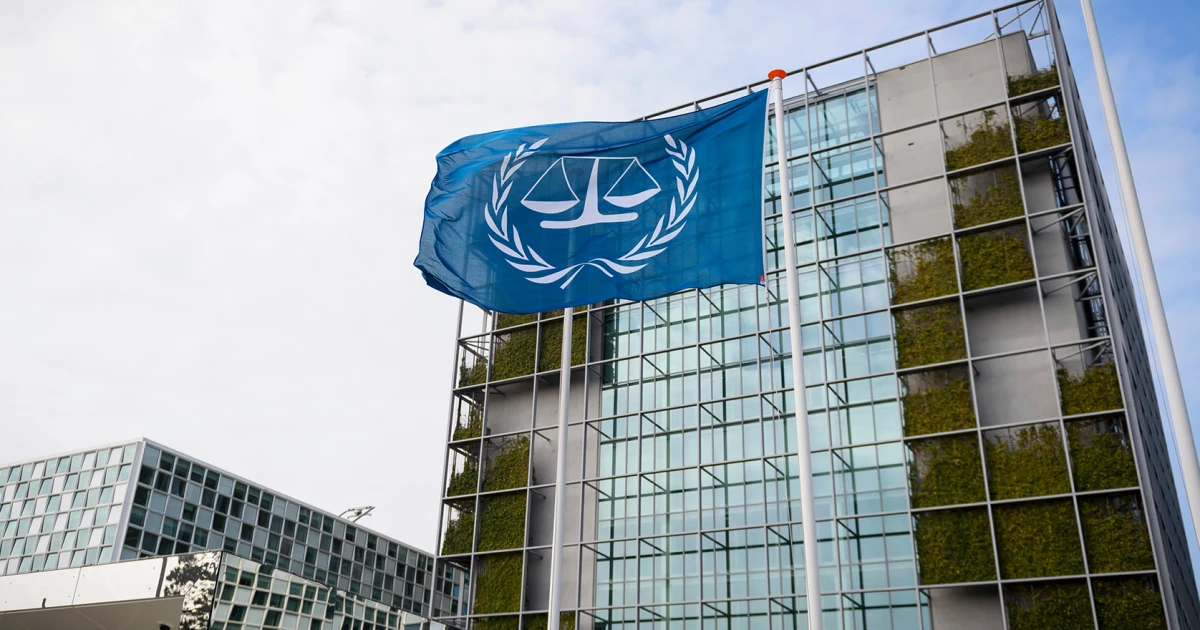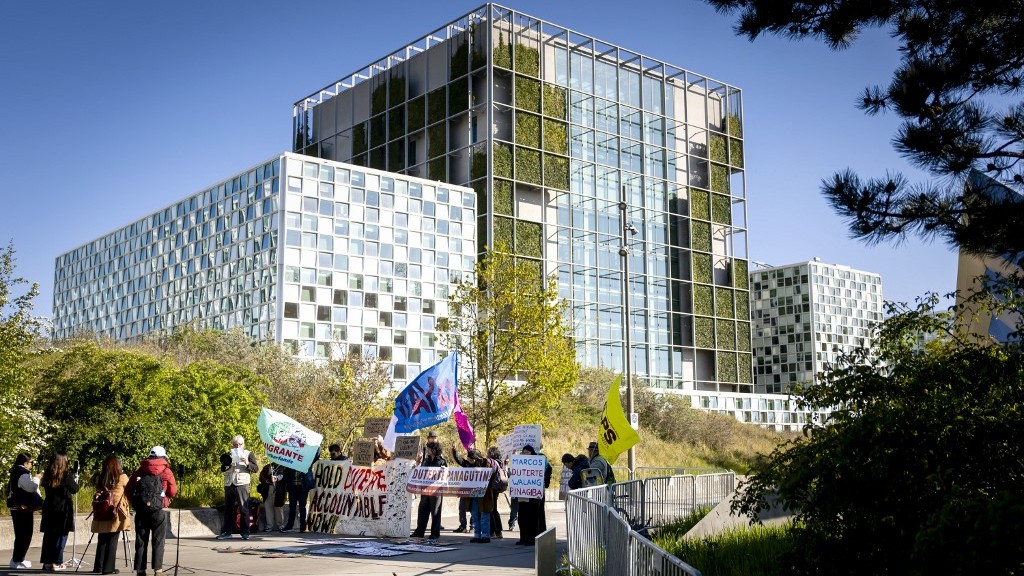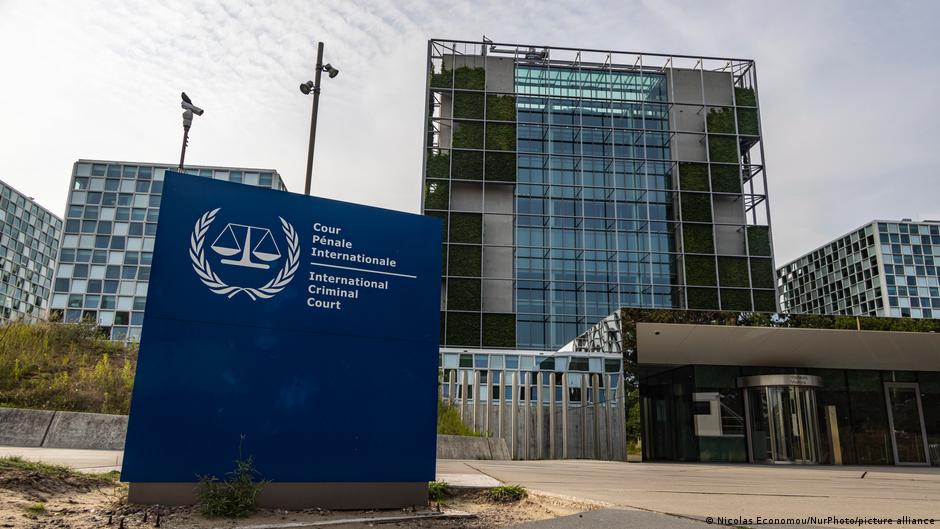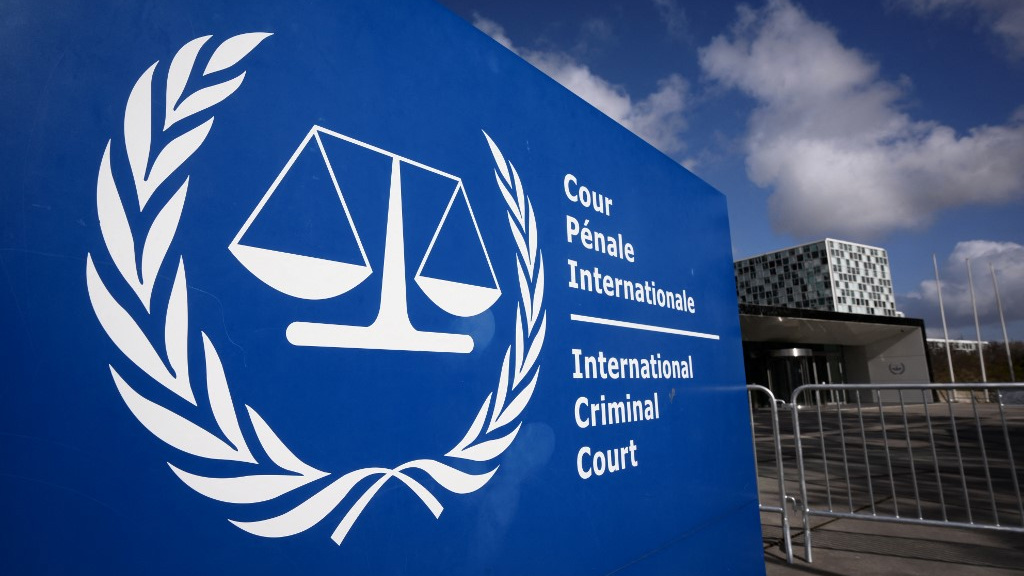
Twenty-eight years ago, 120 states voted to adopt the Rome Statute of the International Criminal Court (ICC). Every year, International Justice Day is celebrated on 17 July, providing an occasion for states, civil society groups and other stakeholders to reflect on the gravity of the court’s mission, and to reaffirm their support for the values underpinning the statute.
But this year, it was hardly a festive occasion. The customary statements marking the day ring hollow.
Under President Donald Trump, the United States has subjected the ICC to a sustained assault, while its States Parties have been either lukewarm in countering such abuses or powerless to devise a meaningful response.
This passivity, along with subversive rhetoric and deliberate failures to support the court’s work when it has mattered most, is hard to take as anything but a betrayal of their commitments. To witness this coming from the very states and organisations in Europe, notably the EU, that have long presented themselves as the court’s steadfast champions - when it suited them - is profoundly disappointing.
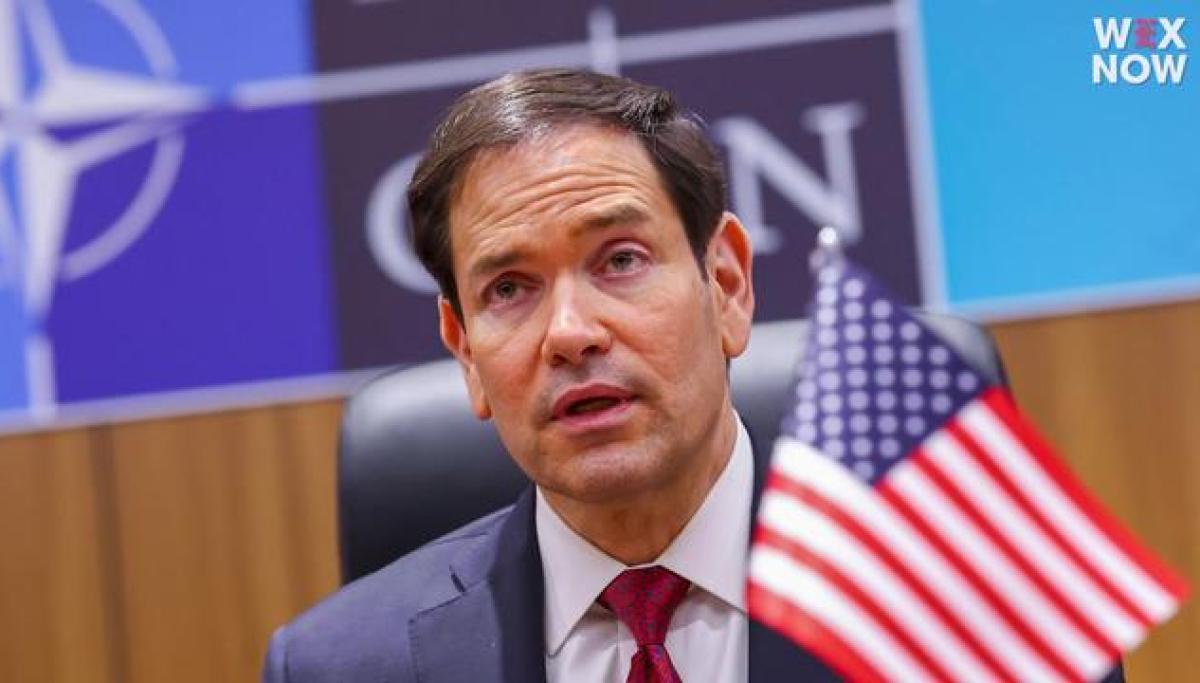
Last week, US Secretary of State Marco Rubio announced “a sweeping campaign to dismantle the threat” allegedly posed to US sovereignty by the ICC. He said this would entail “a whole-of-government response to systematically disable the ICC’s ability to operate, target American servicemen or officials, or otherwise threaten American sovereignty”.