Academia
Recent US behavior, acting as if the ICC can be trusted against an enemy, but never against a friend, ignores that the Rome Statute rests on complementarity.
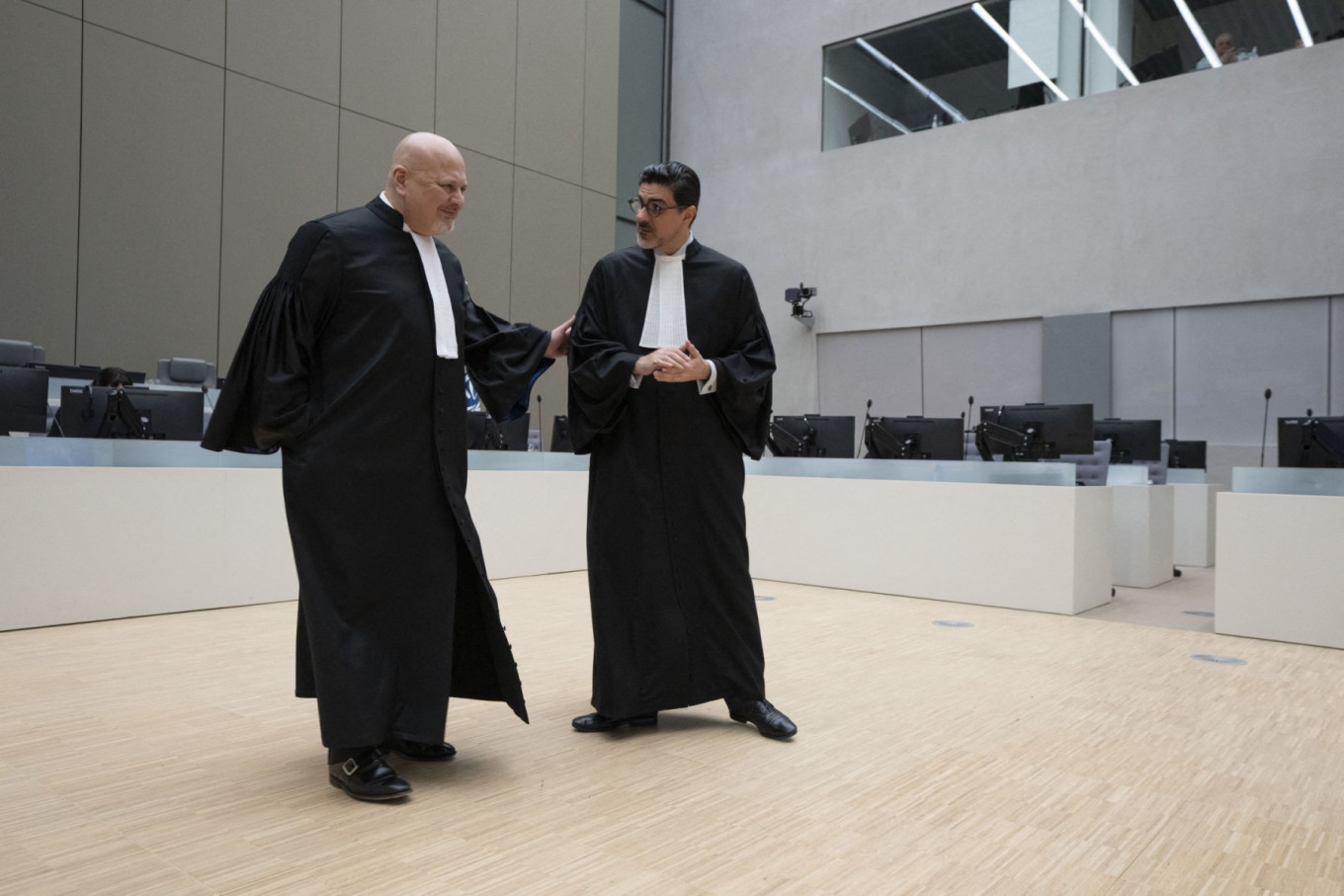
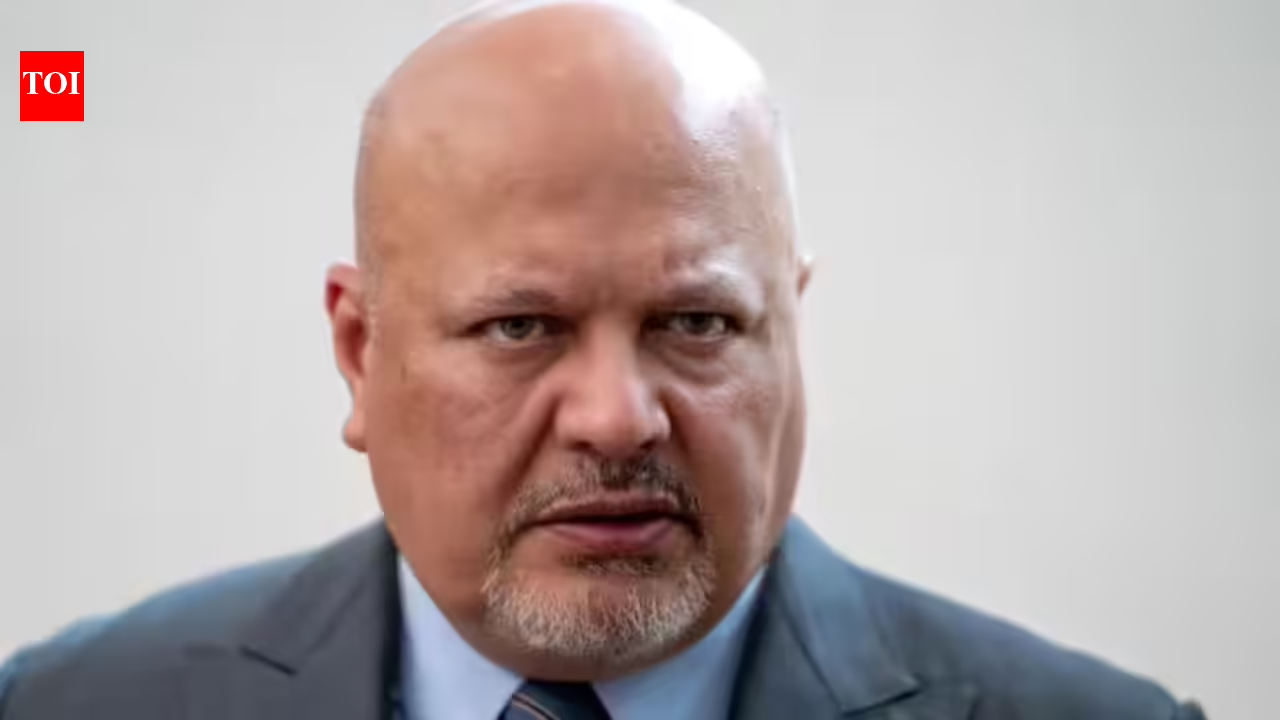
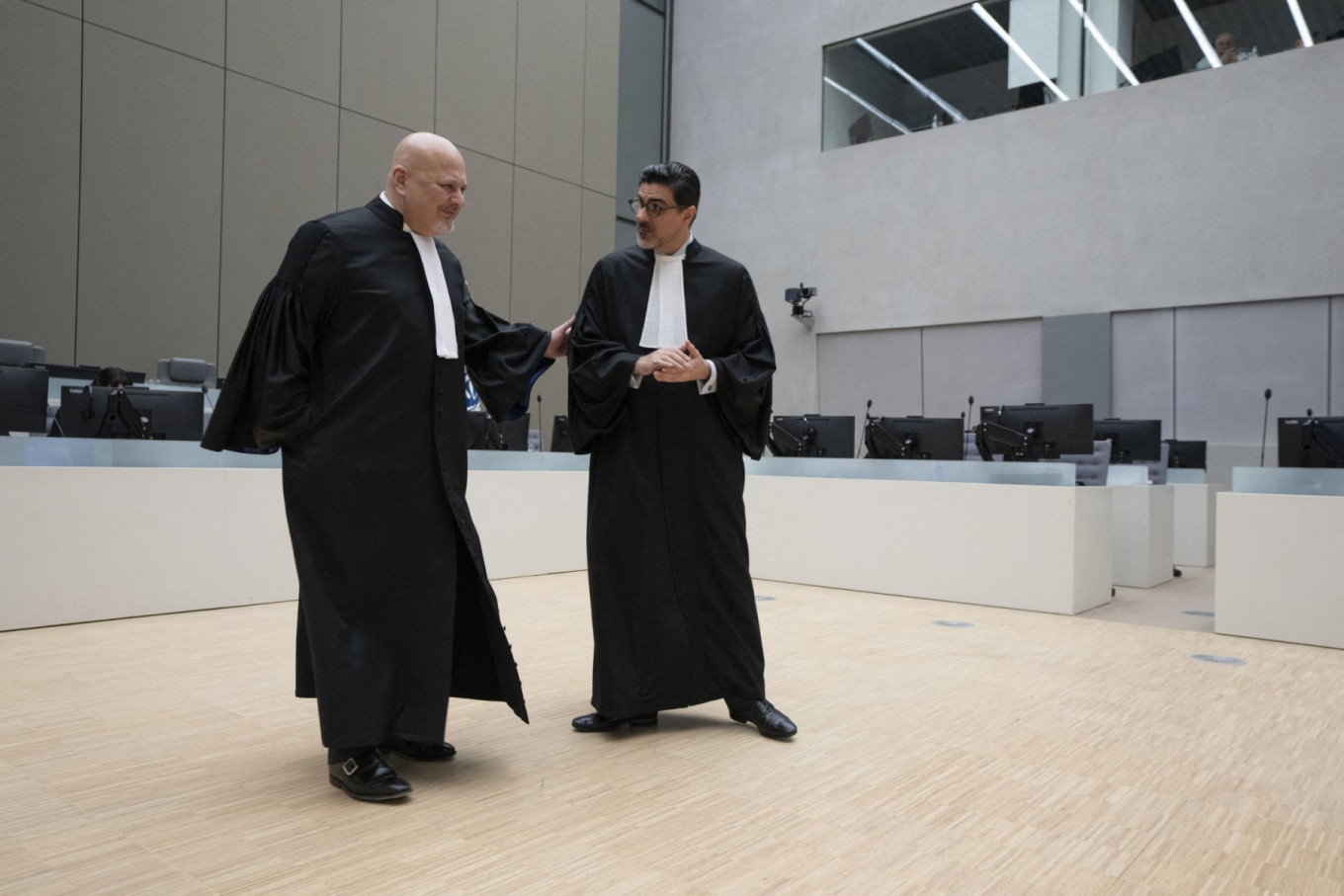
Chief Prosecutor Karim Khan (left) talks to registrar Osvaldo Zavala Giler (right) on March 14, 2025, prior to the first appearance of former Philippine President Rodrigo Duterte before the International Criminal Court (ICC) on charge of crimes against humanity over his deadly crackdown on narcotics, in The Hague, the Netherlands. (AFP/Pool/Peter Dejong)
In 2023, then-United States President Joe Biden ordered US intelligence agencies to share evidence of Russian war crimes with the International Criminal Court, with the goal of indicting Russian President Vladimir Putin. This marked a sharp break from precedent, as the US had long insisted that the ICC could not exercise jurisdiction over citizens from countries that had not ratified the Rome Statute establishing the Court - a group that includes Russia and the US.But Biden changed his tune in November 2024, when the ICC issued arrest warrants for Israeli Prime Minister Benjamin Netanyahu and his former defense minister, Yoav Gallant. According to Biden, the decision was “outrageous,” and the US would always stand by its ally Israel, which is also not a signatory of the Rome Statute.