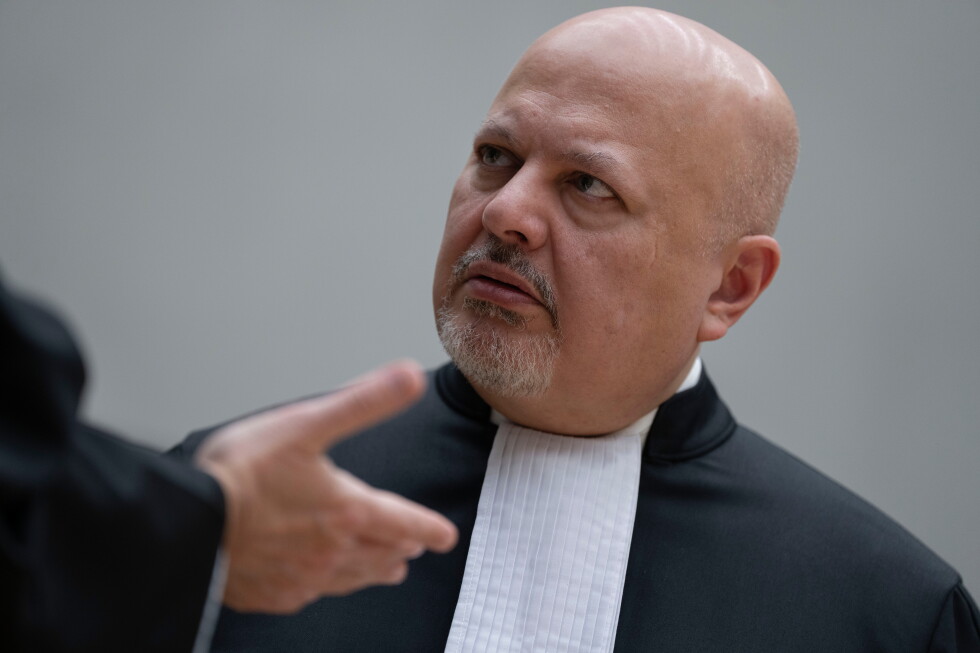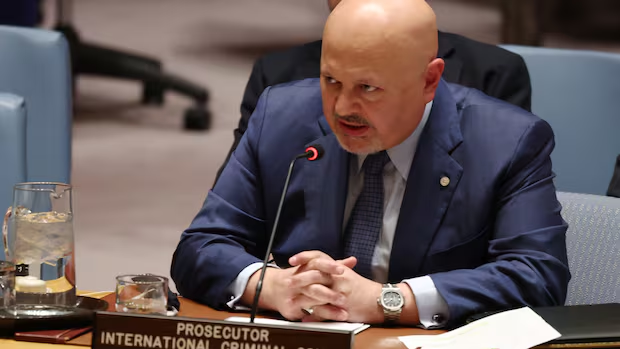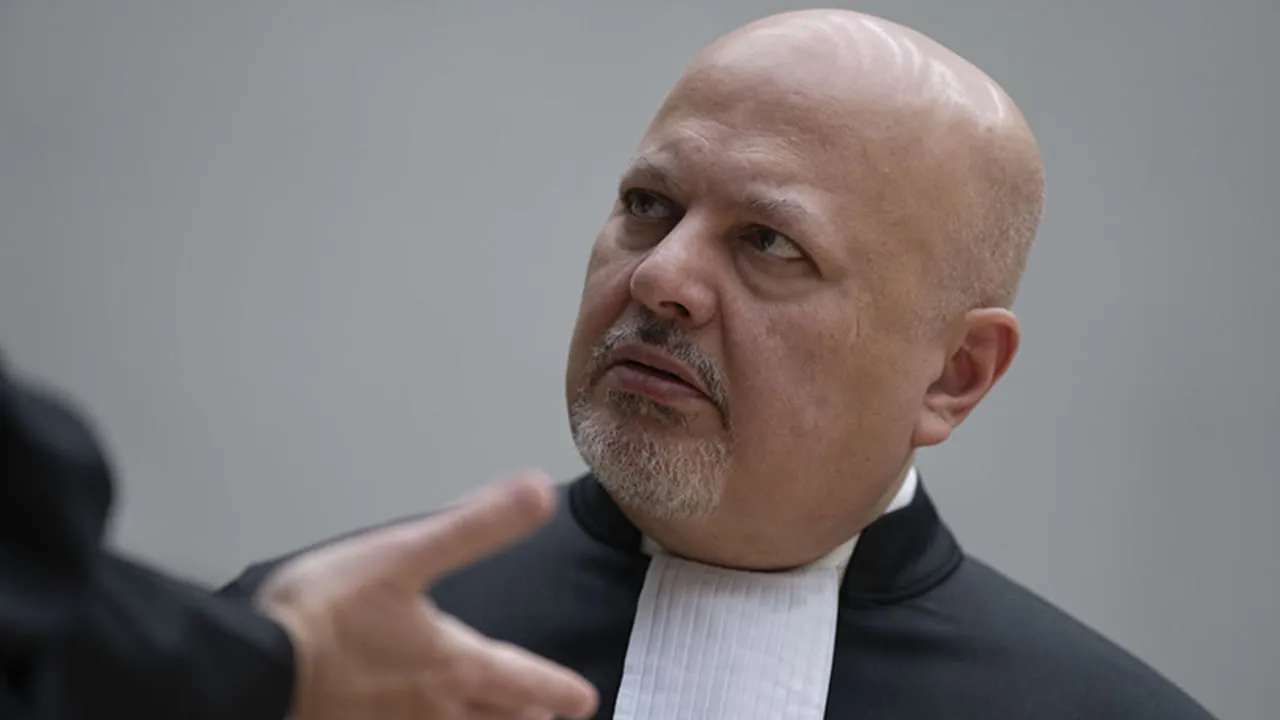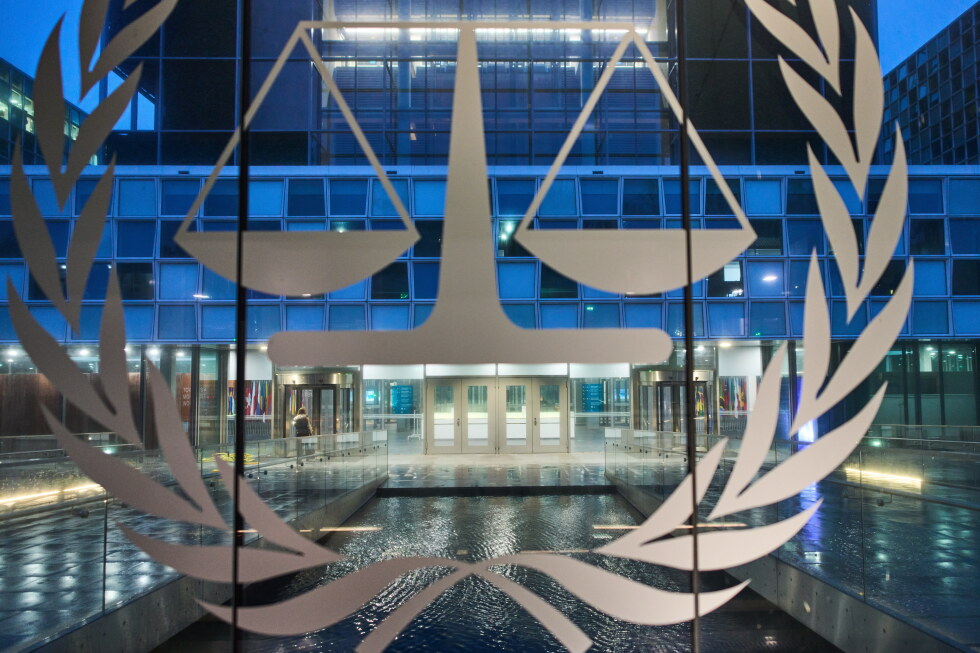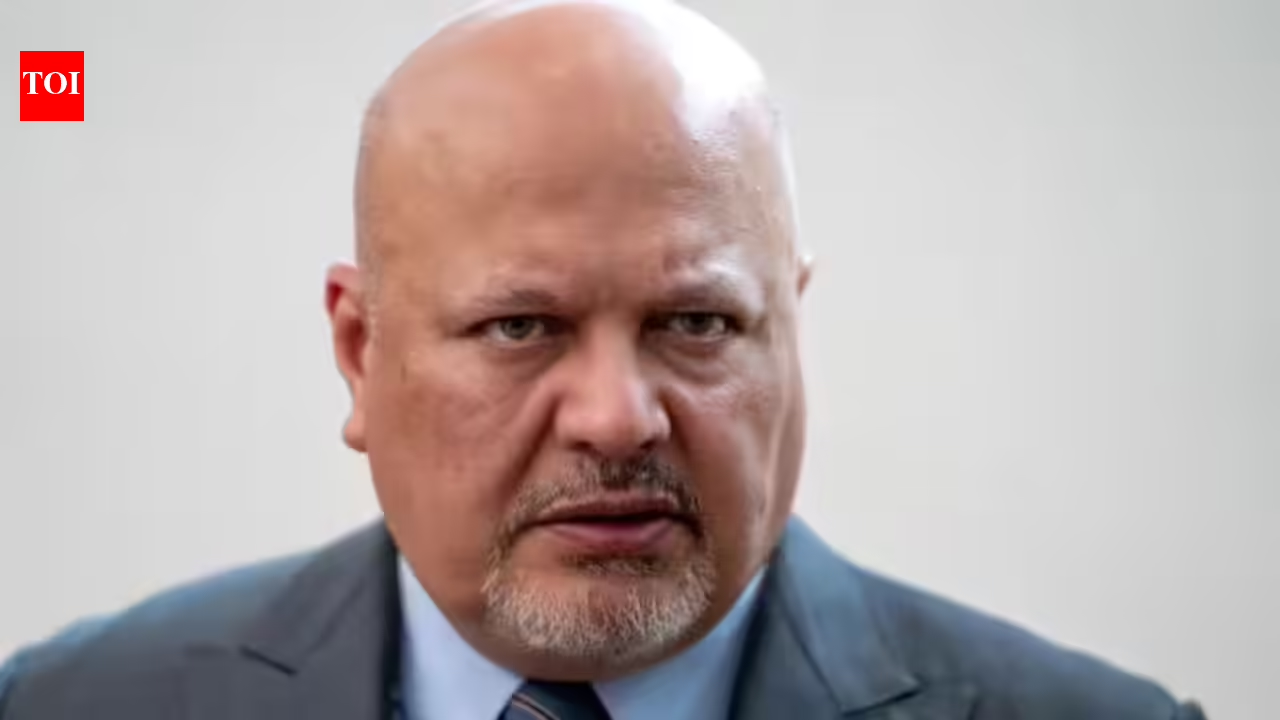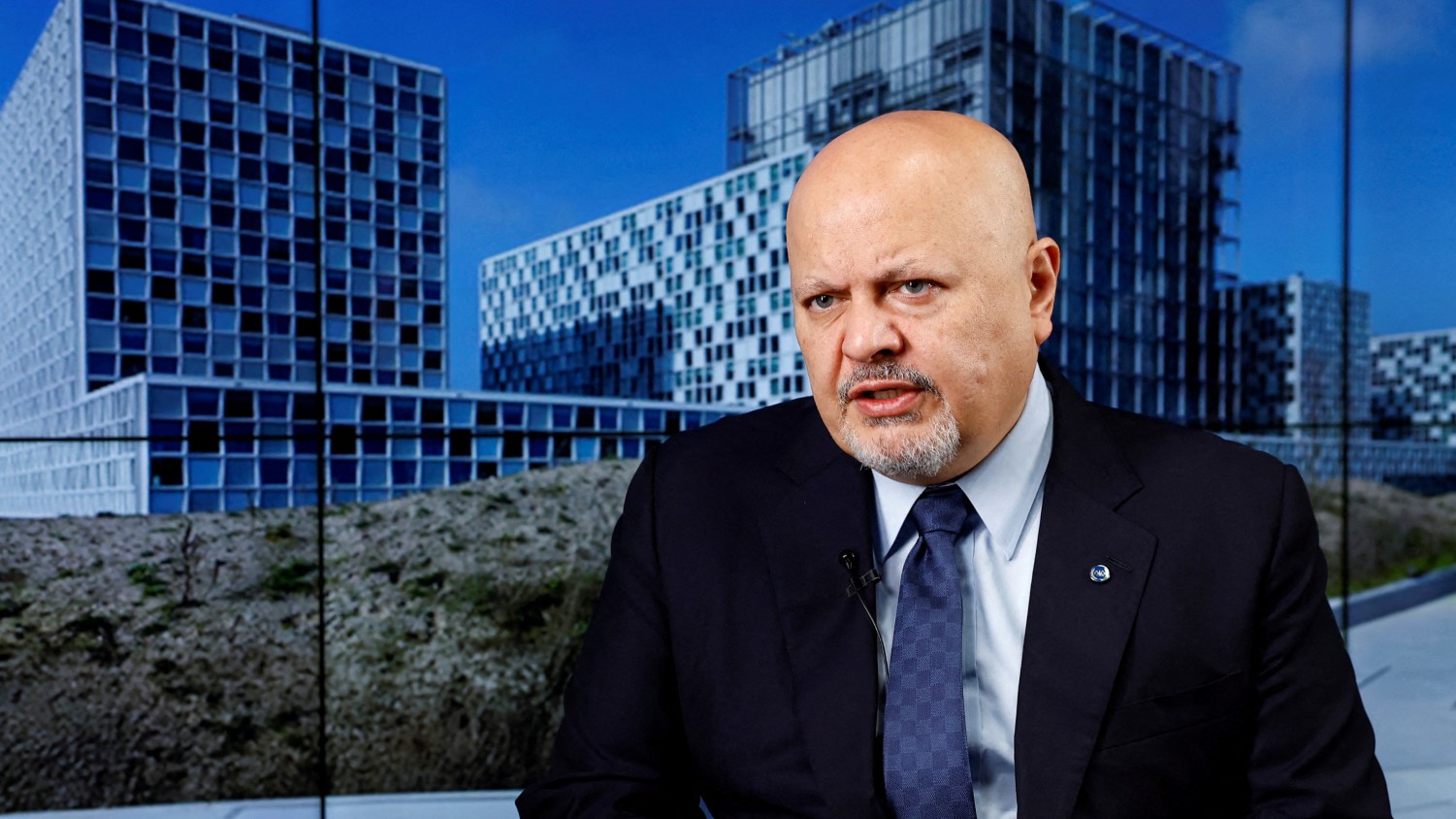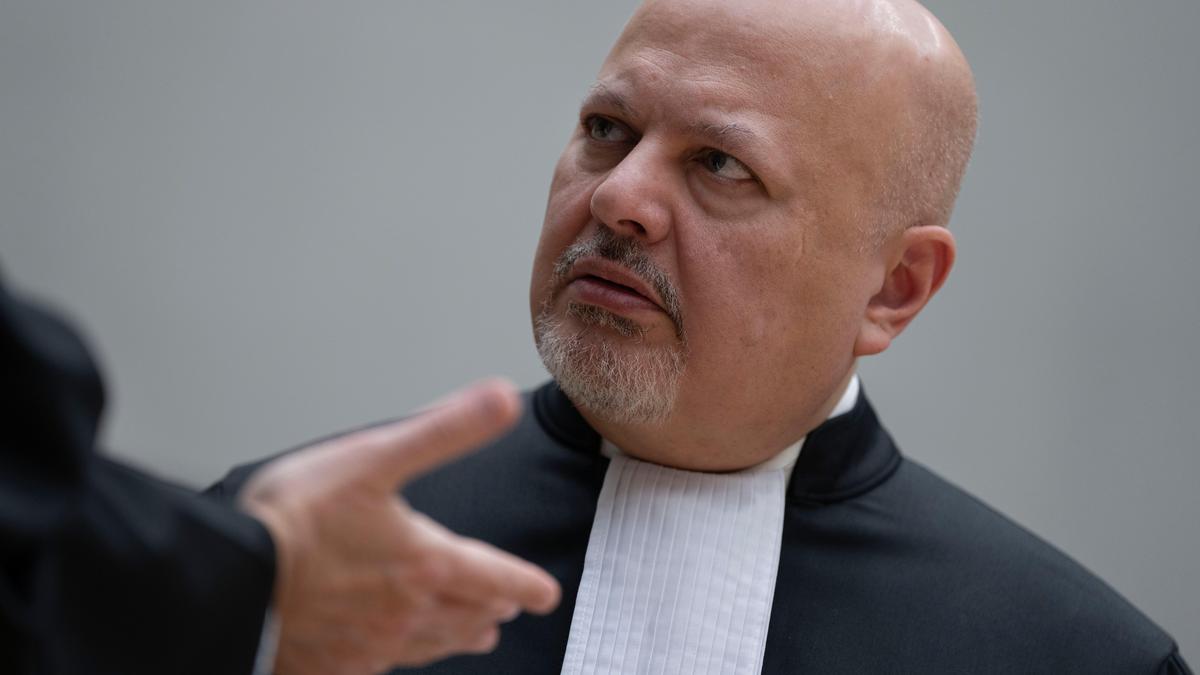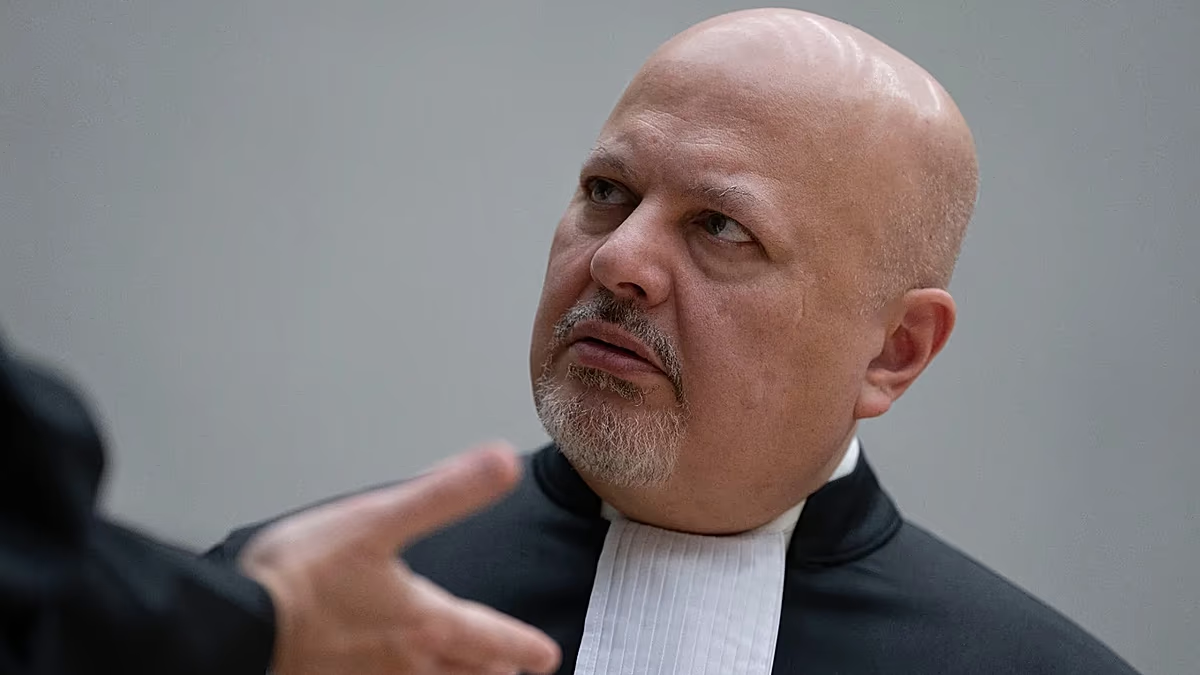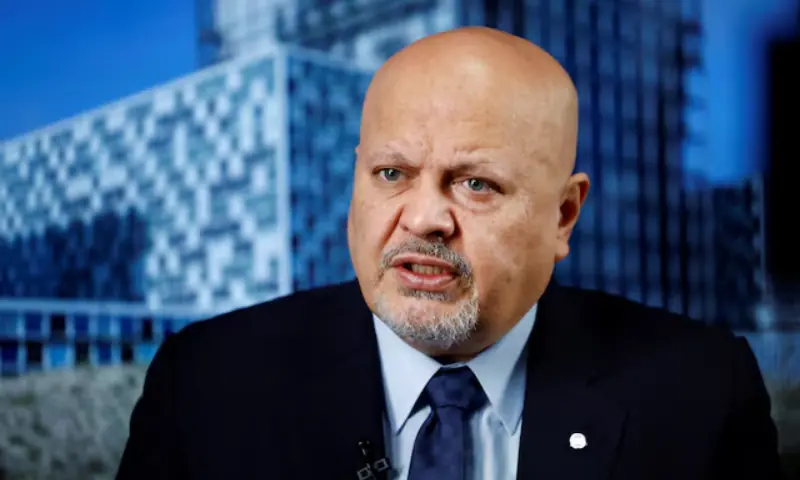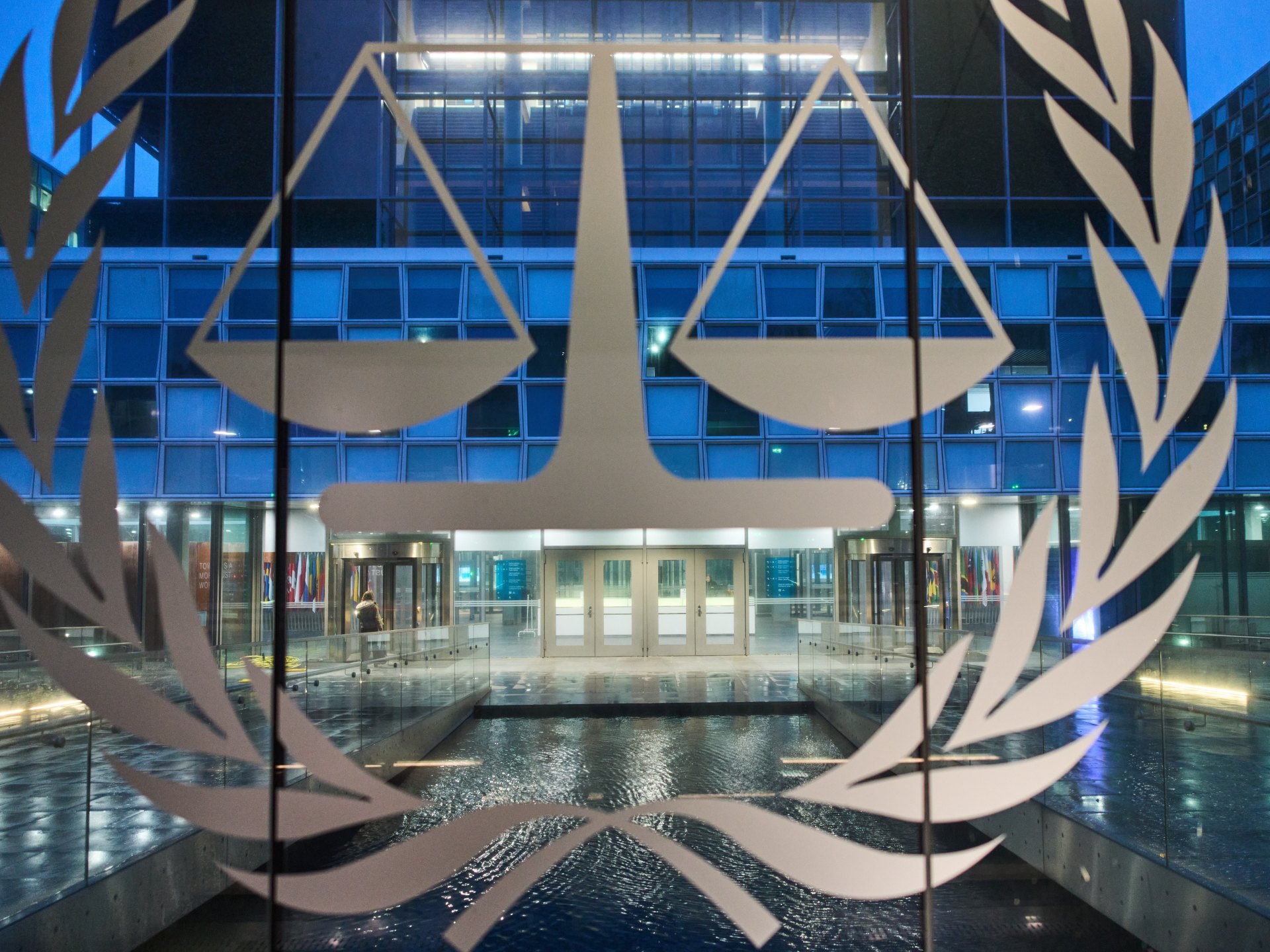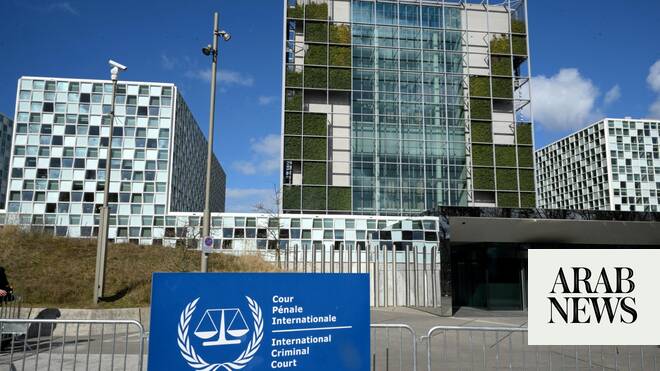
The International Criminal Court and the rule of law it undergirds are in trouble. Former ICC prosecutor Fatou Bensouda has warned of a “deep erosion of international justice” taking place. Many ICC judges and other senior officials have been sanctioned by Russia and the United States. After an unduly prolonged investigation, the court’s chief prosecutor has been removed over sexual misconduct allegations.
The ICC has long been criticized for doing too little too slowly, picking on the weak and giving a pass to the powerful. More generally, efforts to secure accountability for crimes in Gaza and Ukraine have confronted pushback. Many atrocities—including those in Syria during the Assad years, China’s crimes against the Uyghurs, and mass killings and rape in Sudan—have gone largely or entirely unpunished.
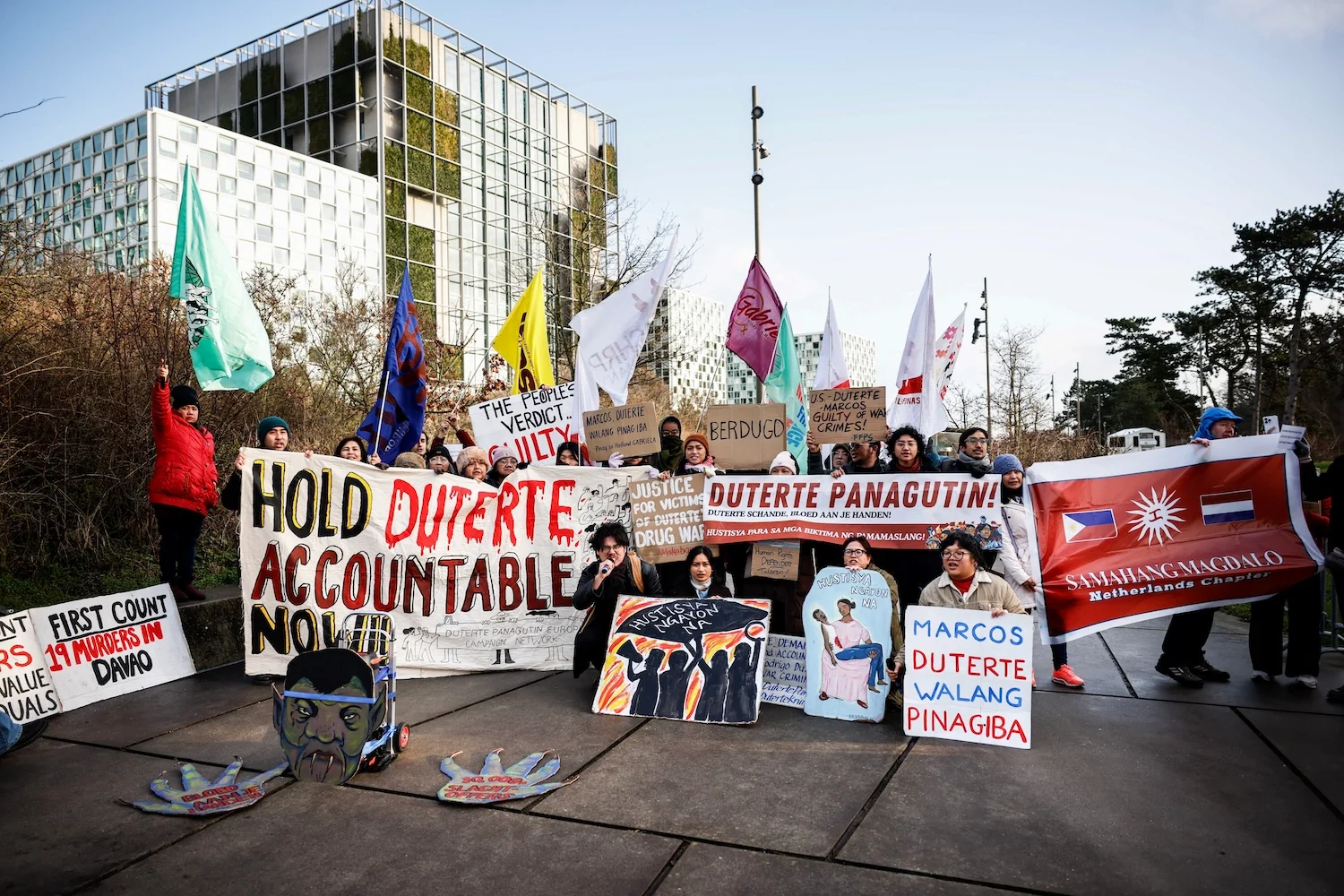
But this does not mean the struggle for international justice is a lost cause. Washington, long an essential, if deeply flawed, champion, has disqualified itself for now. But many countries remain committed to the rule of law, and many people around the world want the powerful held to account for their crimes. Increasingly, these efforts will by necessity take place outside of the ICC. Yet as the upcoming trial of the former leader of the Philippines, Rodrigo Duterte, shows, even a weakened ICC still has a role to play.