The Western Cape High Court's ruling temporarily halting impeachment proceedings against President Cyril Ramaphosa has reignited debate over constitutional accountability. The writer argues that while the majority judgment prioritised legal process, the dissenting opinion exposed the dangers of allowing procedure to delay political and ethical scrutiny.
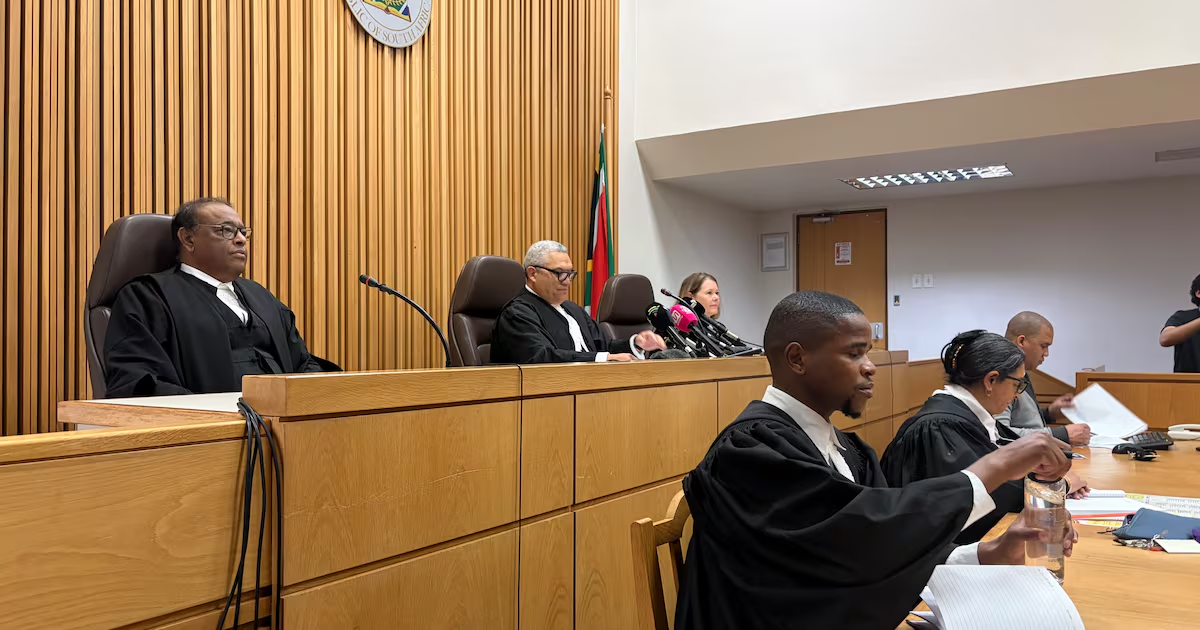
The Western Cape High Court’s judgment in Ramaphosa vs Speaker of the National Assembly and Others is a mirror held up to the President’s political soul. The majority’s decision to grant him temporary relief halting the impeachment hearings until his review of the Section 89 Panel report is heard reads less like judicial prudence and more like the legalisation of delay. It is the jurisprudence of hesitation, the triumph of process over principle.
The dissenting judgment by Francis J stands as the moral centre of the case. It refuses to confuse legality with virtue. It reminds us that the Constitution was not written to protect presidents from scrutiny but to protect citizens from presidents who fear it.
The Majority’s Shelter
The majority’s reasoning is wrapped in the language of caution. It speaks of balance, of separation of powers, of the need to avoid constitutional harm.