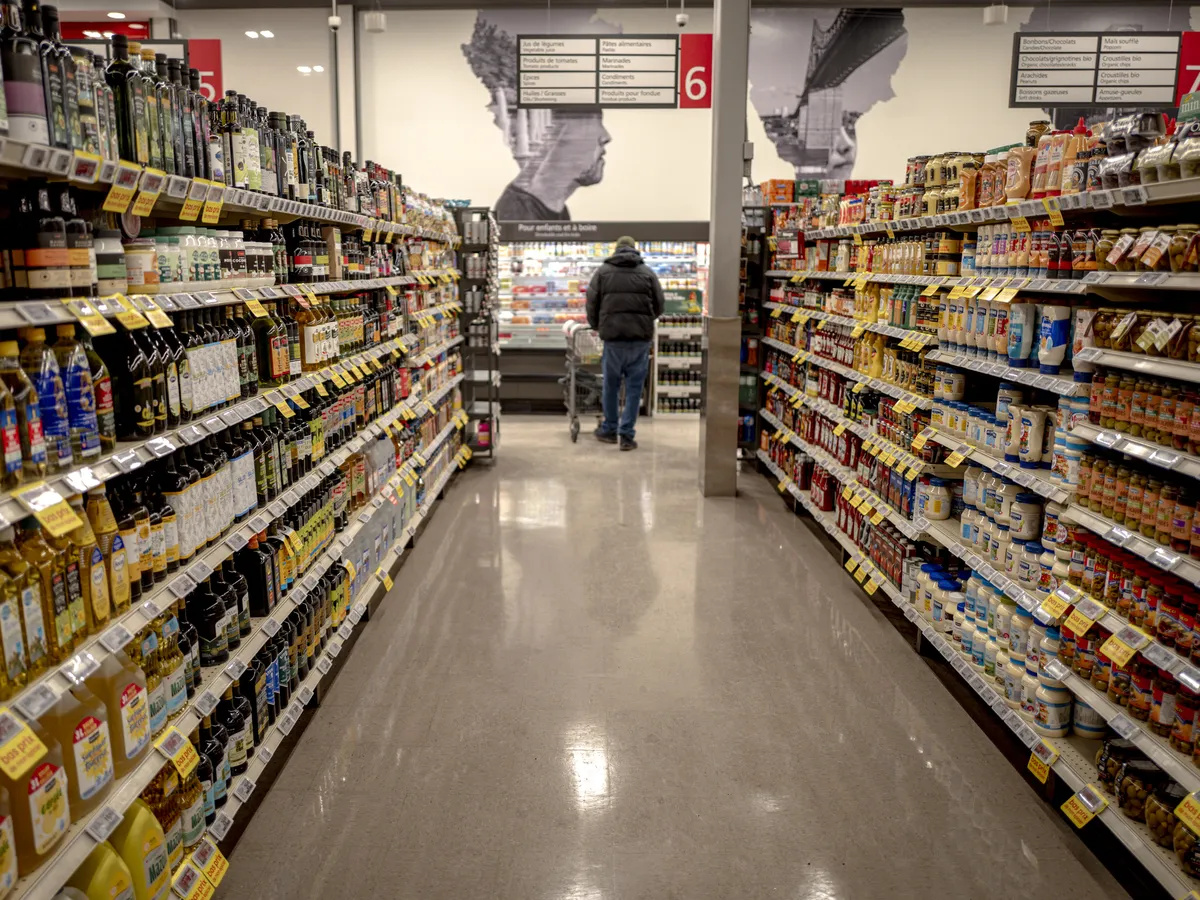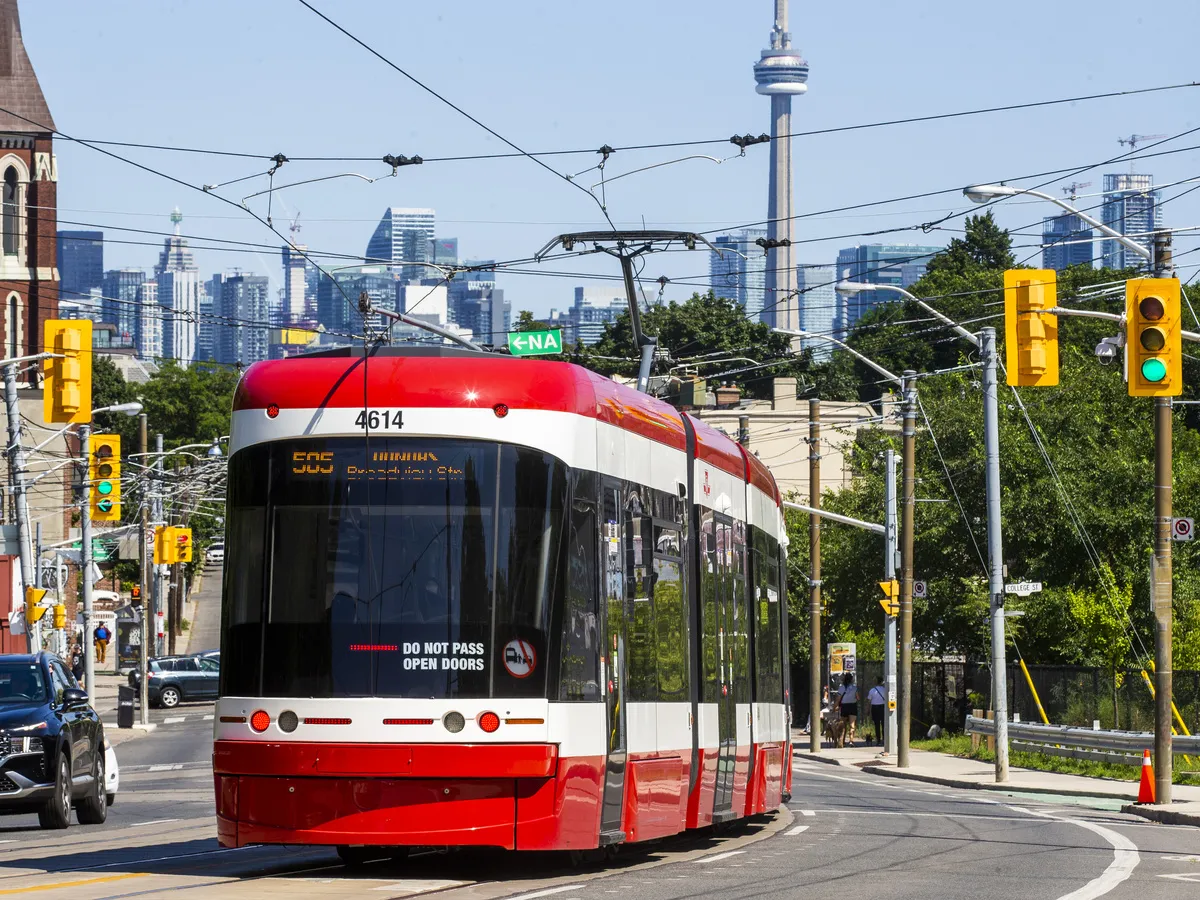
Skip to Content News Archives Economy Energy Oil & Gas Renewables Electric Vehicles Mining Commodities Agriculture Real Estate Mortgages Mortgage Rates Finance Banking Insurance Fintech Cryptocurrency Work Wealth Smart Money Wealth Management Investor Personal Finance Family Finance Retirement Taxes High Net Worth FP Comment Executive Women Puzzmo Newsletters Financial Times Business Essentials More Innovation Information Technology FP500 Podcasts Small Business Lives Told Tails Told Shopping Financial Post Store Obituaries Place a Notice Advertising Advertising With Us Advertising Solutions Postmedia Ad Manager Sponsorship Requests Classifieds Place a Classifieds ad Working Profile Settings My Subscriptions Saved Articles My Offers Newsletters Customer Service FAQ News Economy Energy Mining Real Estate Finance Work Wealth Investor FP Comment Executive Women Puzzmo Newsletters Financial Times Business Essentials HomeFP CommentMatthew Lau: Toronto bungles transit, now wants to sell groceriesNot-for-profit groceries won't be much cheaper even if the municipality runs stores efficiently. And who thinks it will?Last updated 54 minutes ago You can save this article by registering for free here. Or sign-in if you have an account.The TTC was established more than a century ago, and the government still can’t get it right. Do we really want to copy this model for grocery stores? Photo by Ernest Doroszuk/PostmediaToronto city council, a body not known for competent delivery of basic services, efficacious management of taxpayers’ money or common sense in decision-making, is at it again. By a 21-3 vote back in March — with councillors Brad Bradford, Jon Burnside, and Stephen Holyday opposed — council approved the establishment of four municipally-operated grocery stores. The idea is that government grocery stores could deliver food more cheaply than private-sector stores, which is so nutty even former NDP leader Thomas Mulcair declared just weeks earlier that “the very idea of having the government involved in something like groceries is mind-boggling.” (He was reacting to Avi Lewis, then leadership candidate, now NDP leader, proposing just that mind-boggle.)Subscribe now to read the latest news in your city and across Canada.Exclusive articles from Barbara Shecter, Joe O'Connor, Gabriel Friedman, and others.Daily content from Financial Times, the world's leading global business publication.Unlimited online access to read articles from Financial Post, National Post and 15 news sites across Canada with one account.National Post ePaper, an electronic replica of the print edition to view on any device, share and comment on.Daily puzzles, including the New York Times Crossword.Subscribe now to read the latest news in your city and across Canada.Exclusive articles from Barbara Shecter, Joe O'Connor, Gabriel Friedman and others.Daily content from Financial Times, the world's leading global business publication.Unlimited online access to read articles from Financial Post, National Post and 15 news sites across Canada with one account.National Post ePaper, an electronic replica of the print edition to view on any device, share and comment on.Daily puzzles, including the New York Times Crossword.Create an account or sign in to continue with your reading experience.Access articles from across Canada with one account.Share your thoughts and join the conversation in the comments.Enjoy additional articles per month.Get email updates from your favourite authors.Create an account or sign in to continue with your reading experience.Access articles from across Canada with one accountShare your thoughts and join the conversation in the commentsEnjoy additional articles per monthGet email updates from your favourite authorsSign In or Create an AccountorNow, evidently discontent with government merely running its own stores, Mayor Olivia Chow also wants to tell private grocers how to set their prices. She proposes to ban algorithmic pricing, which is when stores use data to adjust prices when people shop online. “We need to absolutely identify all possible mechanisms to ban this surveillance pricing,” she said.Get the latest headlines, breaking news and columns.By signing up you consent to receive the above newsletter from Postmedia Network Inc.A welcome email is on its way. If you don't see it, please check your junk folder.The next issue of Top Stories will soon be in your inbox.We encountered an issue signing you up. Please try againChow complained that “by analyzing our personal data, retailers can charge more for milk from a busy mother of three whose kids go through multiple cartons a week.” Chow and other anti-business politicians and activists may think grocery stores can raise prices with impunity to price-gouge everyone, but the reality is just the opposite. Stores compete fiercely for customers, especially online, where shoppers can more easily compare prices and switch suppliers. Stores that use algorithmic pricing to charge different prices to different customers would do far better to target lower prices to price-sensitive customers and charge more to customers who prioritize other things, such as convenience, over price.A budget-conscious mother whose three kids consume lots of milk would be turned off by any retailer that overcharged her for it. A smart grocery algorithm operating in a competitive landscape would offer lower milk prices to budget-conscious households in hopes of encouraging them to do more of their other shopping with it. Contrary to Chow’s justification for heavy-handed government control over pricing, fierce competition in the grocery sector means consumers instead of producers ultimately benefit from innovation, with the most price-sensitive customers standing to gain most from innovations in pricing strategies.In any case, whether through bans on algorithmic pricing or other meddlesome regulations, there is simply no room for government to regulate grocery prices lower: profit margins in the sector are consistently in the low single digits already. Expanded government regulation would simply regulate some grocery stores away, hurting competition, destroying jobs and reducing consumer choice.Widespread competition and razor-thin profit margins also show why government grocery stores will be a disaster. Even assuming — with an unrealistic degree of optimism — that government stores could operate as efficiently as the most efficient private stores, they might save grocery shoppers something like three per cent by earning zero profits. But in order to fund this three per cent “savings” on their groceries, Torontonians would have to pay tens of millions of dollars in higher taxes to fund the establishment of these stores, whose goal would be to earn zero financial return on this money while taking enormous risk.Is there any chance at all that the municipal government would have a clue how to make grocery shoppers better off, whether with its own stores or by interfering in the operations of private ones? In things it is currently running — like public transit — it has apparently given up on satisfying customers. Earlier this year, the Toronto Transit Commission slashed its customer satisfaction target from 84 per cent to 70 per cent, and the latest monthly TTC CEO’s report shows it is missing even this reduced target for all three modes of transportation: the 12-month rolling average customer satisfaction rate is 69 per cent for both the subway and the bus and 65 per cent for the streetcar. Overall, the TTC reports, the number of rides taken so far this year is down 2.5 per cent from last year and is 4.7 per cent below budget.The TTC was established more than a century ago, and the government still can’t get it right. Do we really want to copy this model for grocery stores? Olivia Chow does, but Torontonians with common sense should reject what’s plainly nonsense. Join the Conversation This website uses cookies to personalize your content (including ads), and allows us to analyze our traffic. Read more about cookies here. By continuing to use our site, you agree to our Terms of Use and Privacy Policy.
Matthew Lau: Toronto bungles transit, now wants to sell groceries
Not-for-profit groceries won't be much cheaper even if the municipality runs stores efficiently. And who thinks it will? Read here now
1,241 words~6 min read