By Samuel Oyadongha
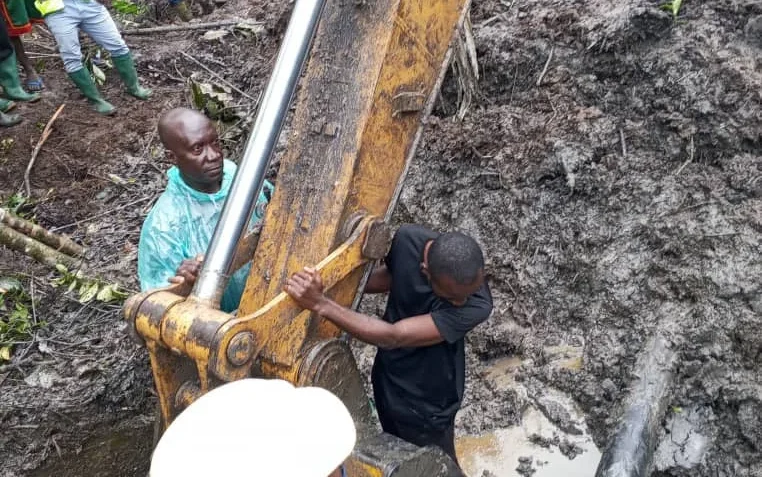
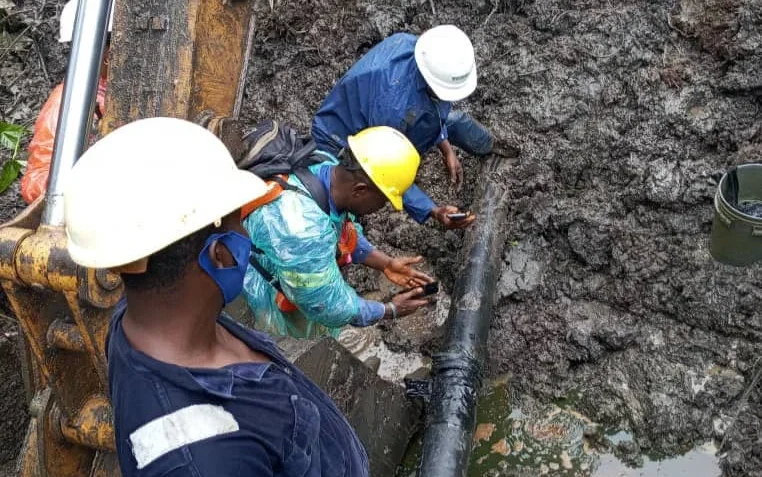
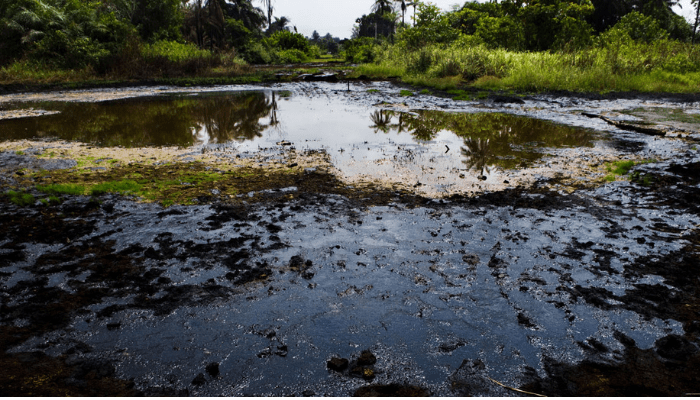
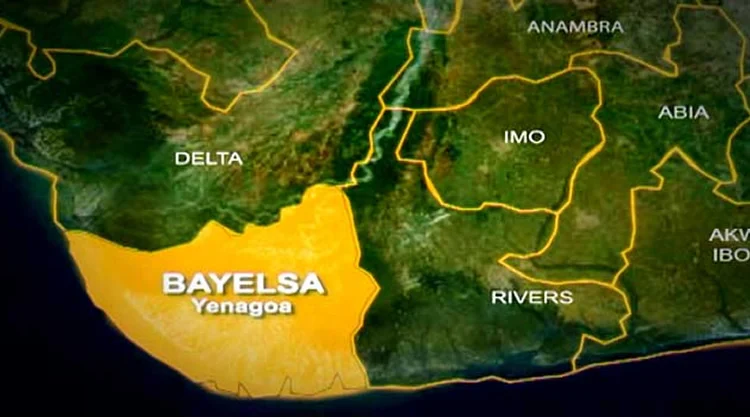
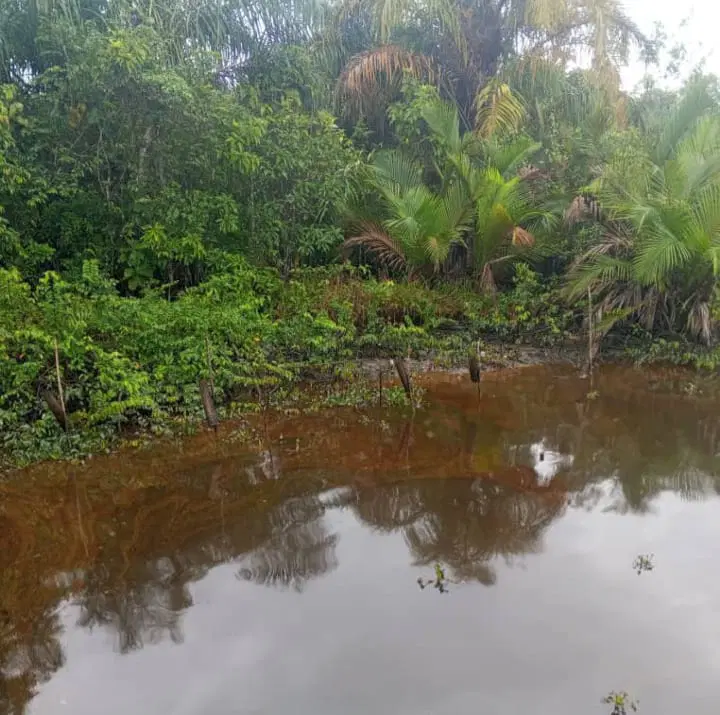
AZUZUAMA – When the first reports of an oil spill reached this riverside town in the Bassan clan of Southern Ijaw Local Government Area, Bayelsa State on June 25, 2026, it was like a wound being ripped open anew.
For a people still mourning the tragic loss of 14 lives in a 2015 pipeline explosion, the sight of black crude gushing from the 6-inch Azuzuama/Tebidaba flow line was more than just an environmental disaster, it was a painful reminder of promises broken and lives cut short.
“We cannot forget July 9, 2015,” said a native, who simply identified himself as Ebi. “That day, 14 people, some from our community, government officials and oil workers, died during a Joint Investigation Visit and repairs. The scar remains.”
Now, more than a decade later, the community finds itself locked in a tense standoff with Oando, the company that inherited the aging infrastructure from Nigeria Agip Company Limited (NAOC). At the heart of the dispute is a question that has divided the community, the oil firm, and government regulators: What caused the latest spill?