Nissan was desperate. Merger talks with Honda had fallen apart. The company was in the worst crisis of its nine-decade history, and the board needed someone to lead it out.
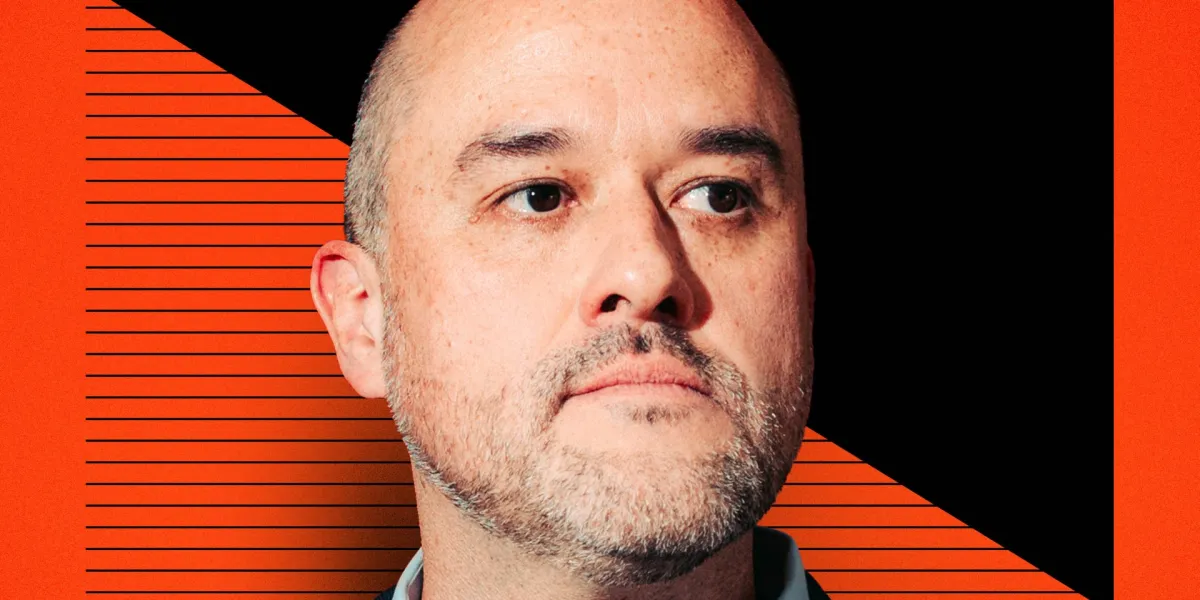
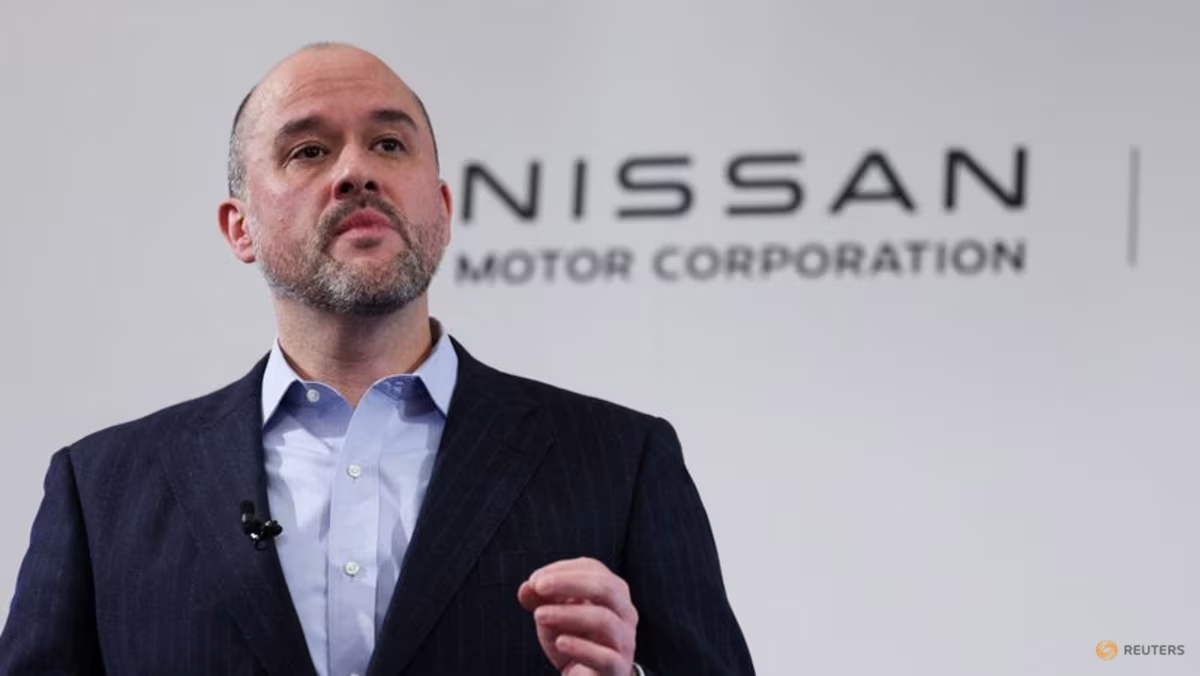
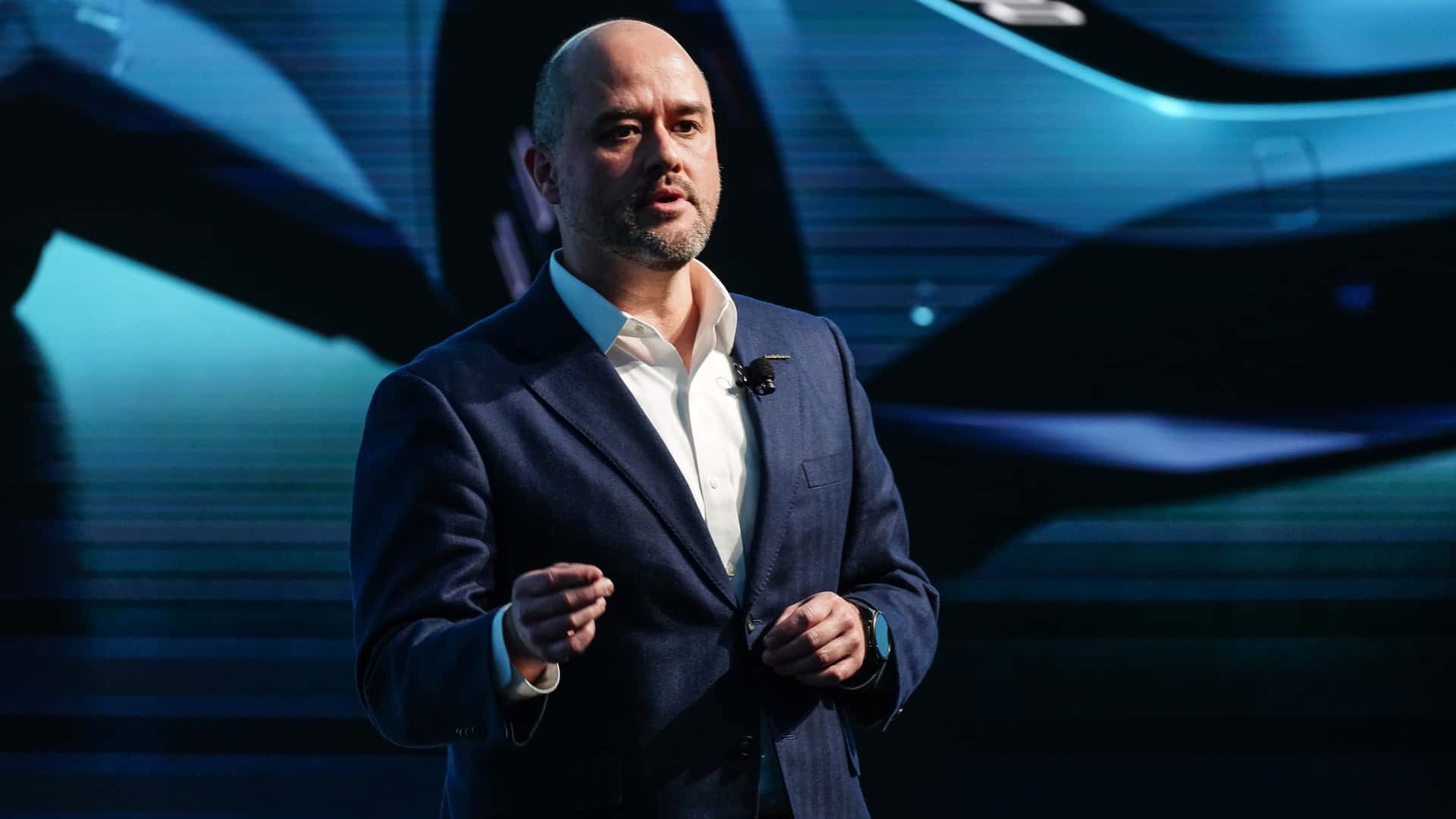
Its choice: Ivan Espinosa, just 46, and not Japanese—unusual in a country where corporate leadership has long been considered a job for a Japanese national. Espinosa remembers being shocked by the request.
The CEO jokes that he was “born in Nissan.” He was, in fact, born in Mexico, where he started with the company as a product engineer in 2003. After roles in Southeast Asia, Europe, and Latin America, he moved to Japan in 2016 and became Nissan’s chief planning officer in 2024, exposing him to all the ways the company failed to right the ship. “I knew what had to be done,” Espinosa told Fortune earlier this year. “It was obvious you had to resize the company.”
Nissan’s turnaround is about more than just whether the 93-year-old carmaker has a future.
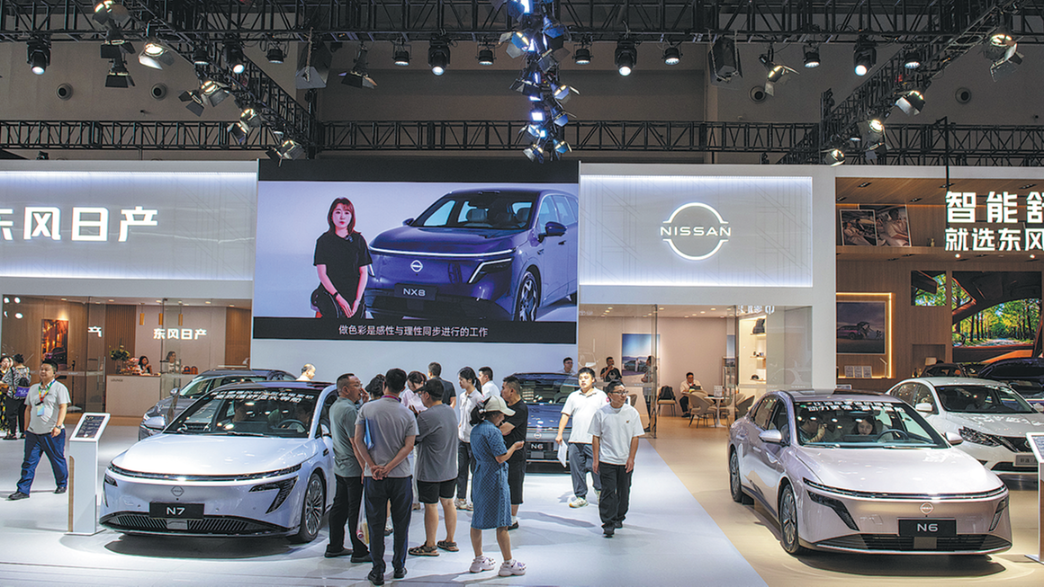
For decades, global carmakers like Toyota, Nissan, General Motors, and Volkswagen manufactured and sold their products all over the world. But that model no longer fits today’s more protectionist, more competitive world. Nissan’s current strategy underscores this transition, as the company orients itself around two markets: China and the U.S.