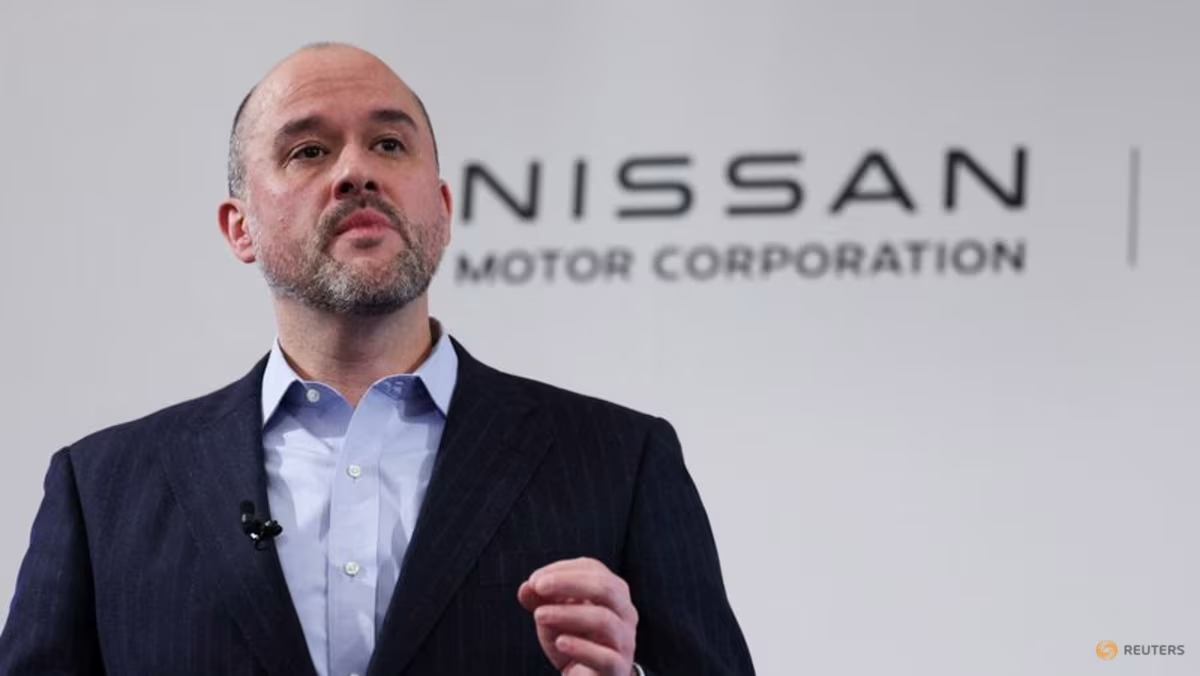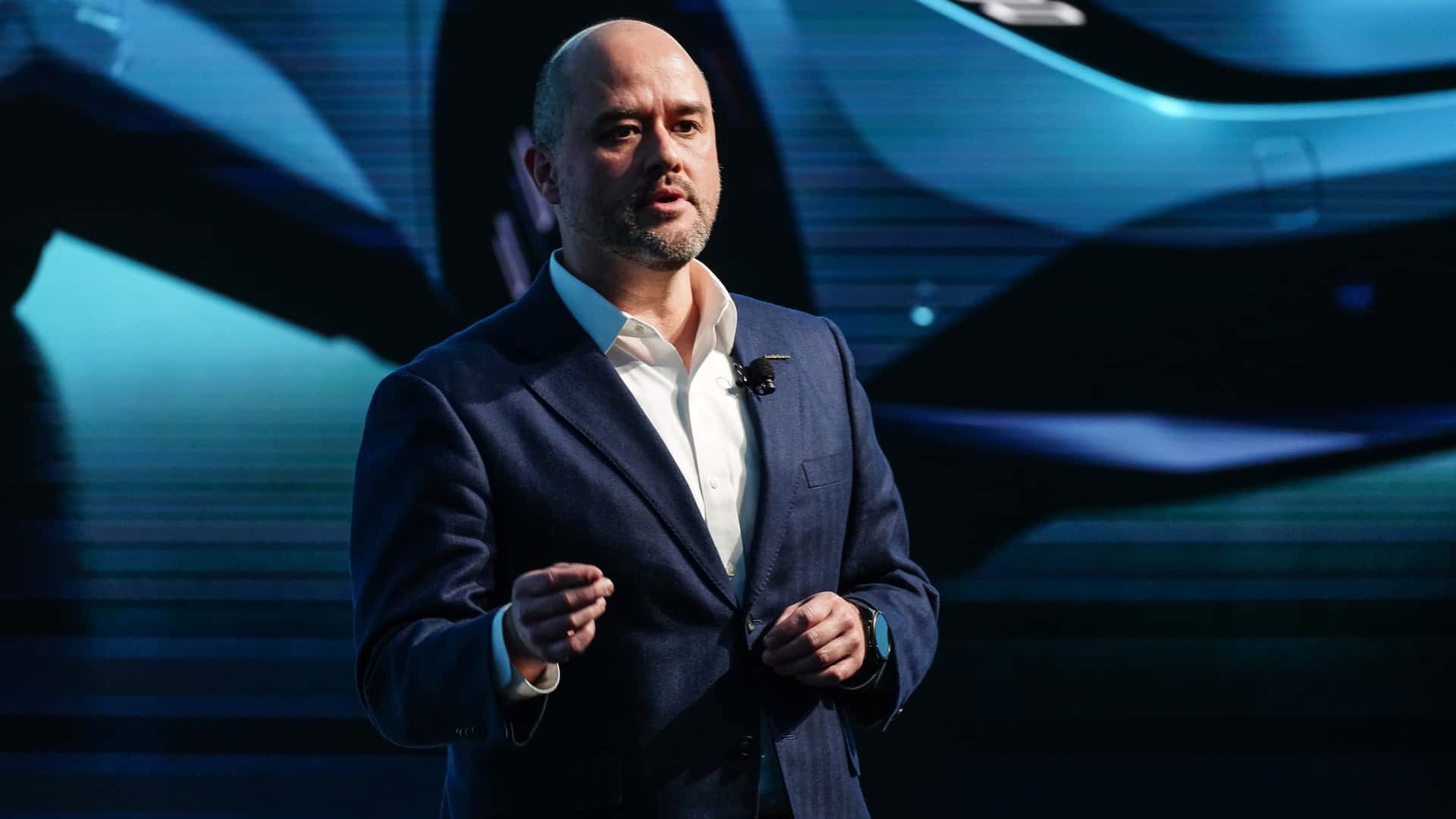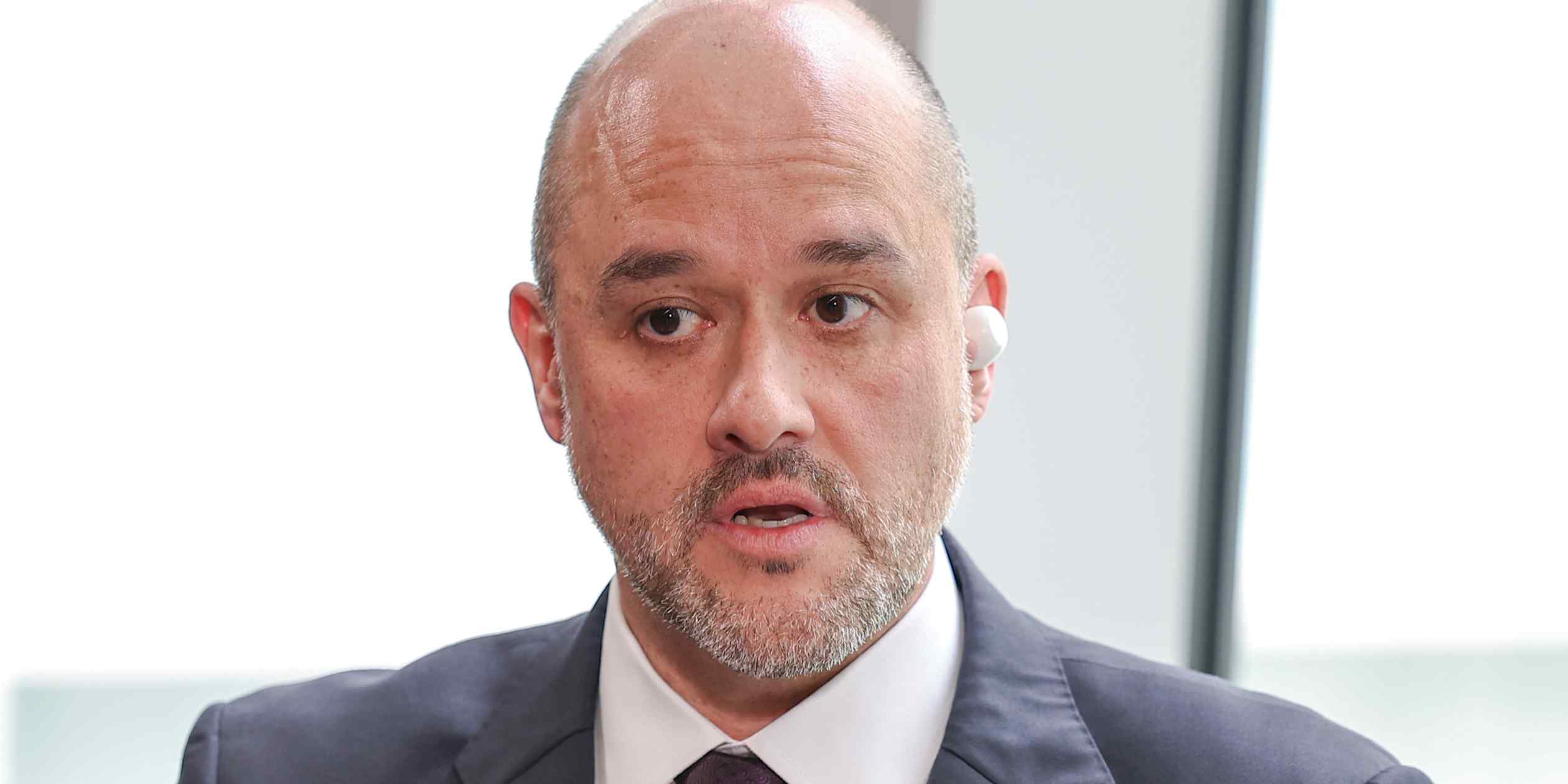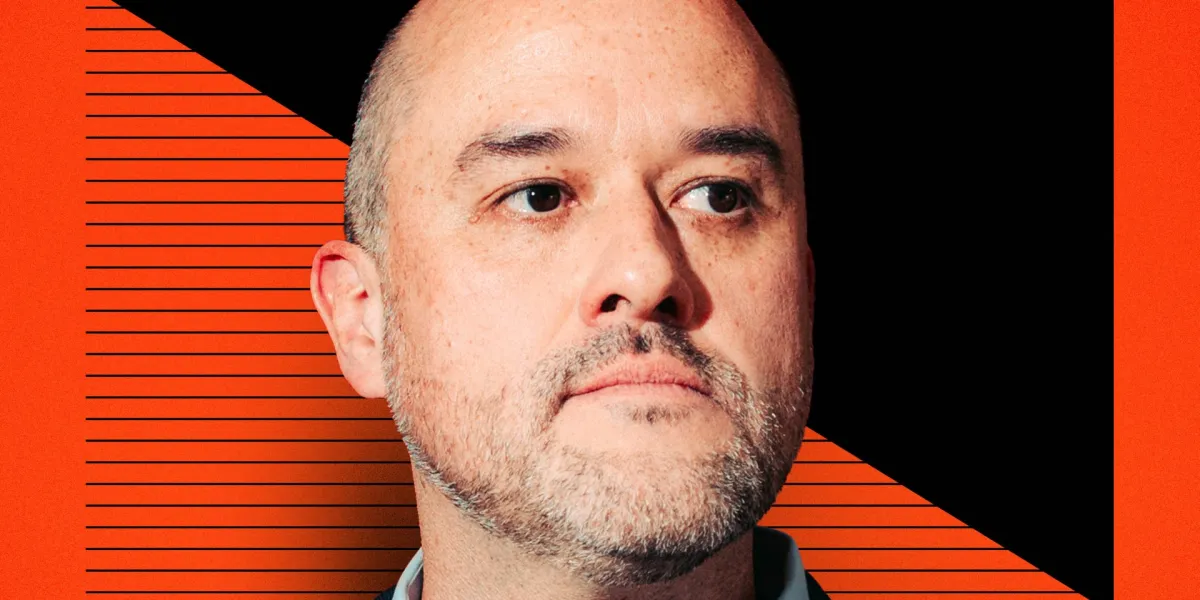
Ivan Espinosa had only been CEO of Nissan for a few days when he sat down to design his own management team. His first instinct was to reduce a sprawling set of problems into a handful of concrete priorities. “I knew what had to be done,” he said to Fortune in mid-April, after wrapping up the Nissan Vision Event at its headquarters in Yokohama, Japan. “We put a plan together quickly. It took me about six weeks.”
The Mexican-born engineer had taken the top role at the Global 500 Japanese carmaker during its worst crisis in its 92-year-long history. Espinosa is Nissan’s fourth CEO in eight years; his predecessor, Makoto Uchida, stepped down after merger talks with Honda—at the time, Japan’s No. 2 carmaker—fell apart. Nissan was losing money, losing customer appeal, and losing market share.
“We were emerging from a long period of negative coverage because of our financial situation and the Honda deal collapsing. Everything you read in the news was negative,” he recalled. “How do we reignite our attractiveness? How do we bring customers back? How do we motivate our employees?”
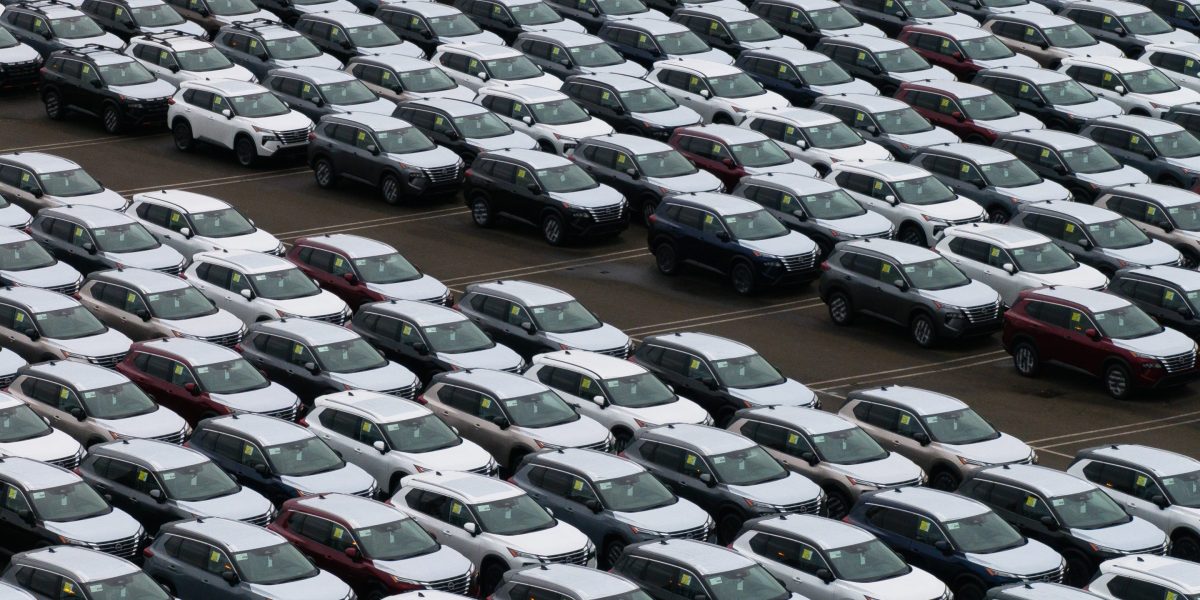
Espinosa now faces the challenging task of revitalizing an automaker that’s getting hit on multiple fronts. Fierce domestic competition has eroded its footprint in China, one of its most important markets. Tariffs on Japanese products are complicating its operations in the U.S., another of its important markets. Shareholders are upset with massive losses and strategic bets that dramatically flamed out.