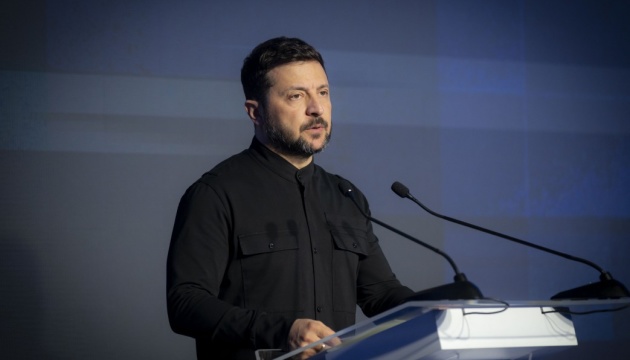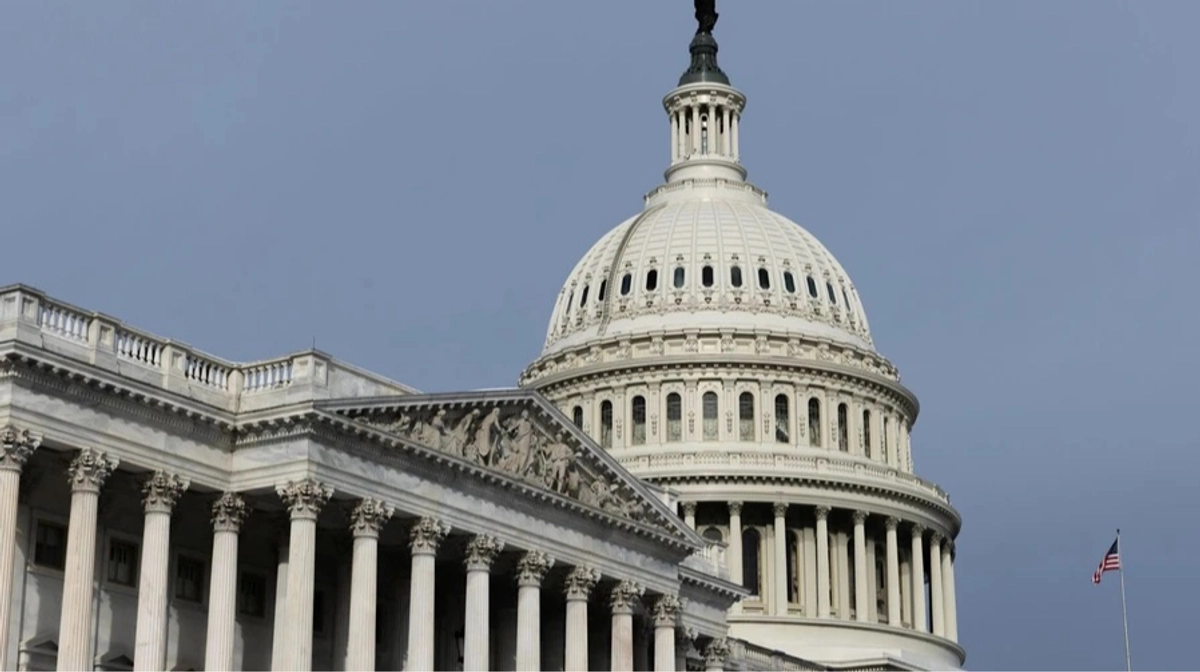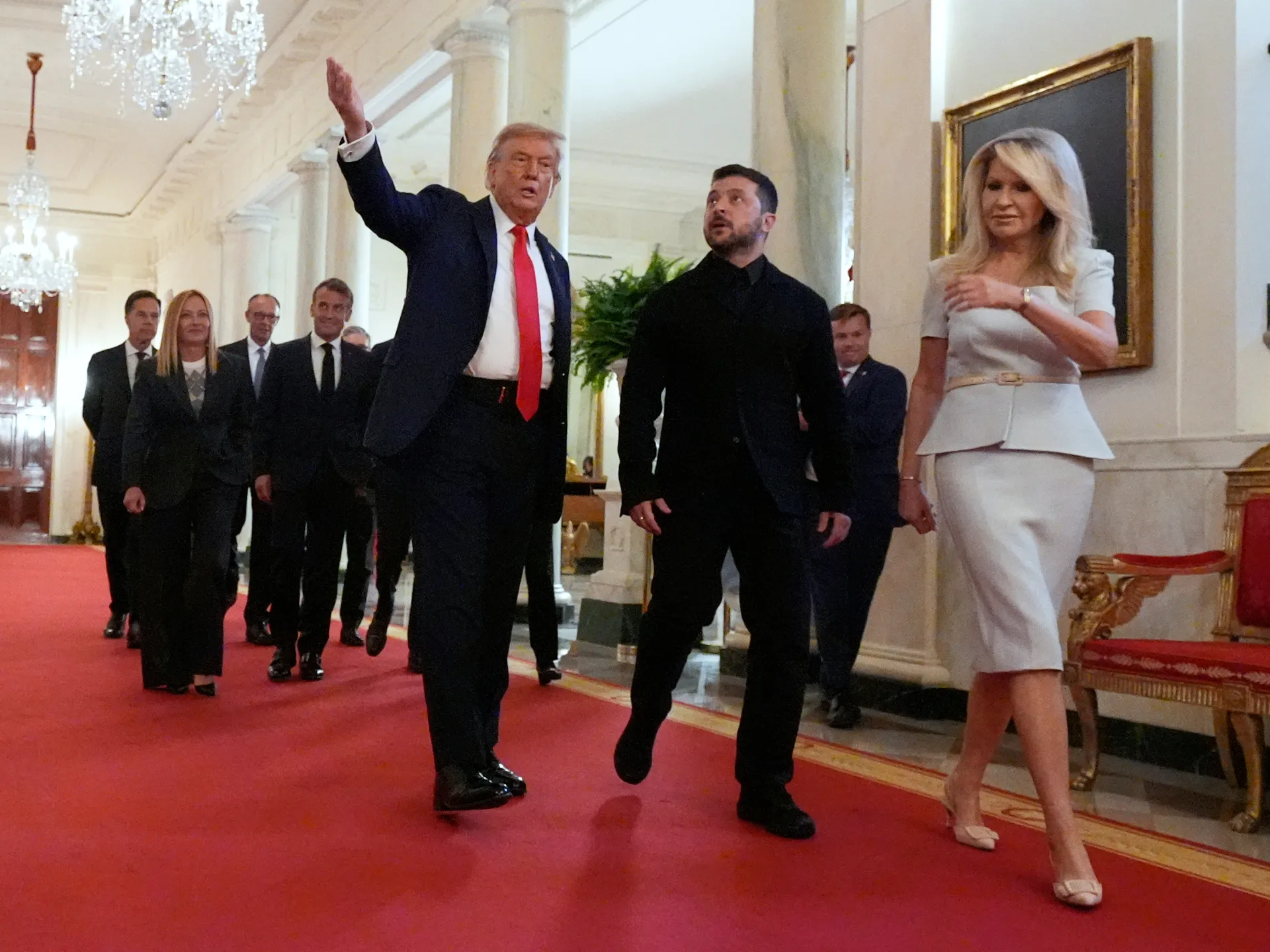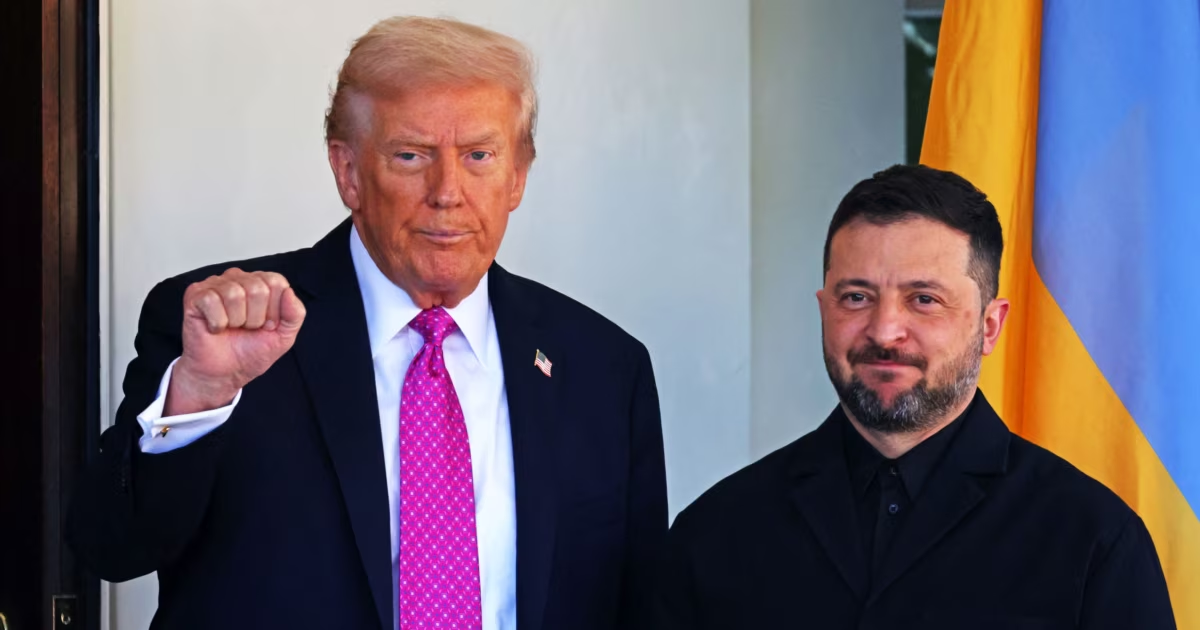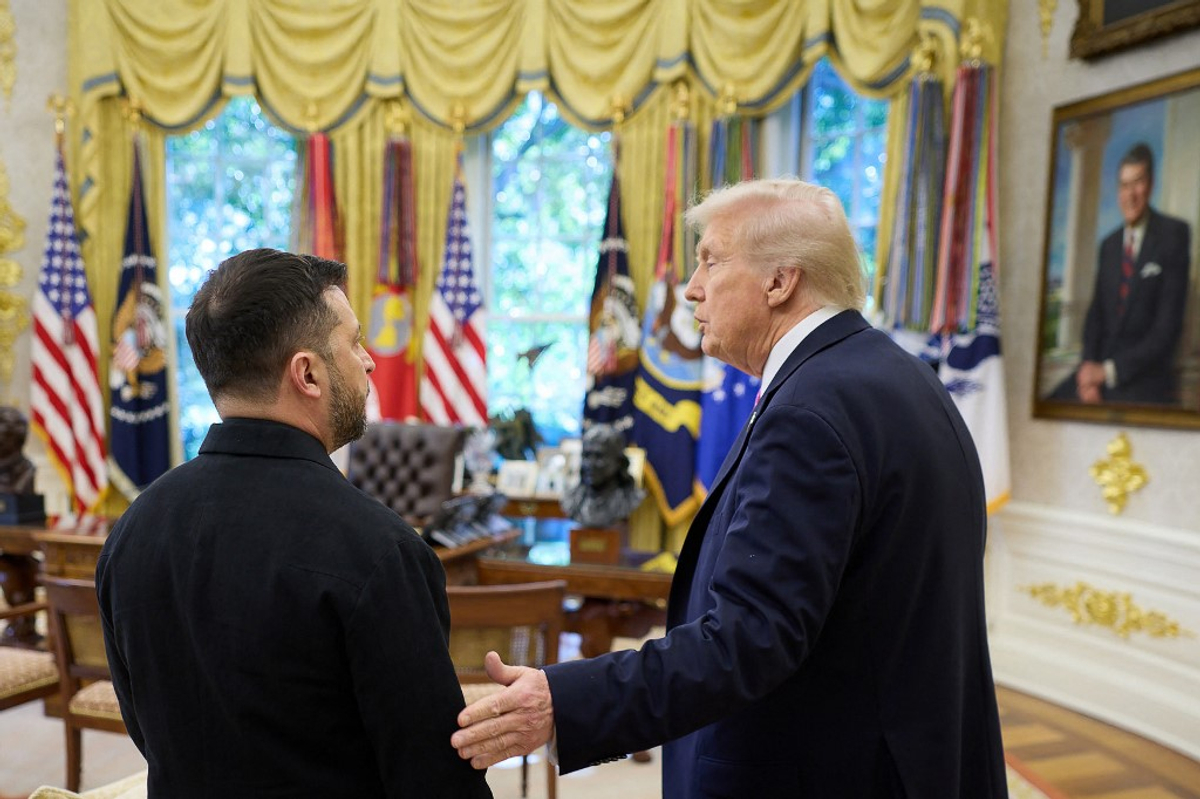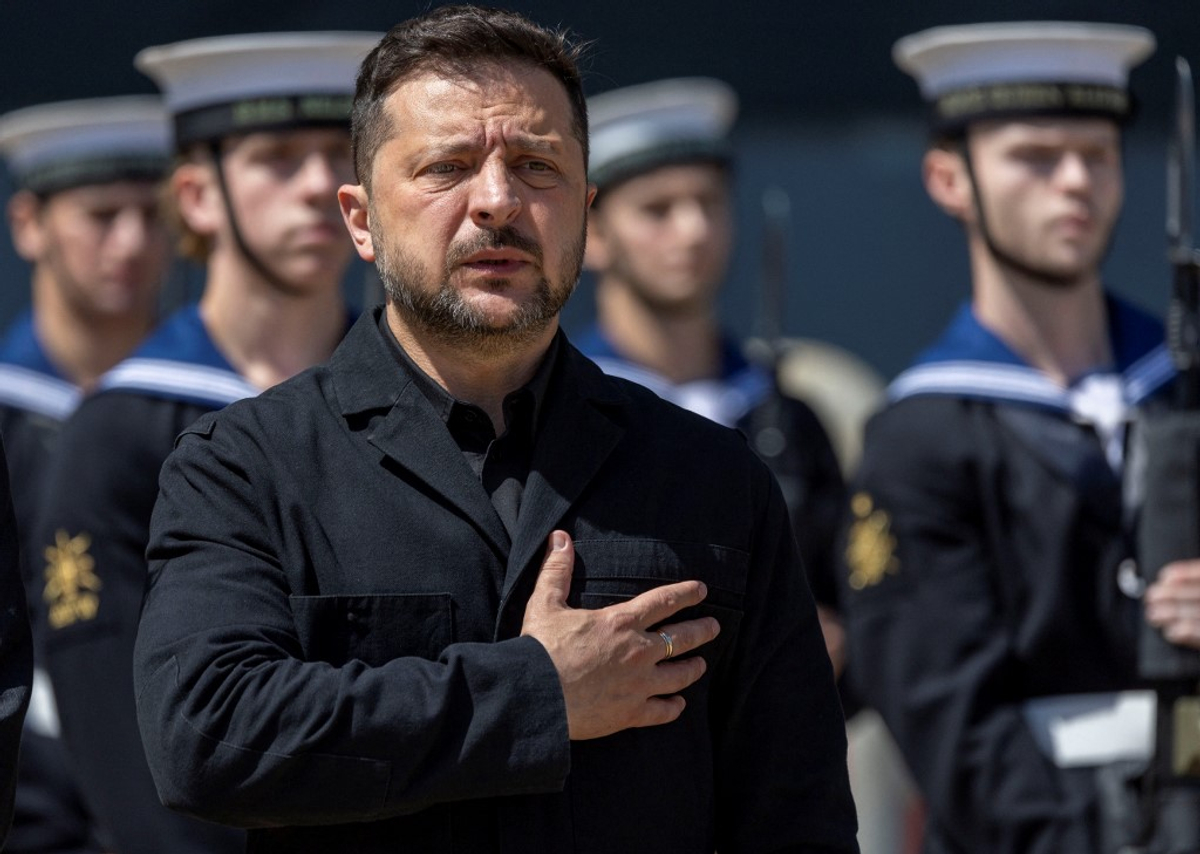
All 100 members of the US Senate have been invited to meet President Volodymyr Zelensky on Tuesday, as three major elements of Washington’s Ukraine policy converge: President Donald Trump’s evolving approach to Kyiv and Moscow, congressional efforts to intensify economic pressure on Russia, and the political vacuum left by the death of Sen. Lindsey Graham – one of Ukraine’s most influential Republican advocates. The gathering is not unprecedented. Senate leaders arranged a similar all-senators meeting with Zelensky during his September 2023 visit to Washington. But the political environment surrounding Tuesday’s meeting is markedly different.JOIN US ON TELEGRAMFollow our coverage of the war on the @Kyivpost_official. In 2023, the central fight was over whether Congress would continue financing Ukraine’s war effort. Now the debate is increasingly about what comes next – how much pressure Washington is prepared to place on Moscow, what security architecture the US is willing to support, and whether Congress intends to remain an independent pillar of Ukraine policy while the White House pursues its own diplomatic track. The substance of Ukraine’s asks is changing Just as importantly, Kyiv is seeking a different kind of support. During the first years of Russia’s full-scale invasion, Zelensky’s visits to Washington were dominated by requests for emergency military assistance – artillery ammunition, armored vehicles, air-defense systems and multibillion-dollar aid packages. Today Kyiv is increasingly seeking production licenses, technology transfers, joint manufacturing agreements and access to Western defense designs that can be produced at scale inside Ukraine. Every system Ukraine can manufacture itself reduces its dependence on political decisions over future Western deliveries. Graham’s sanctions bill could become part of his legacy The timing places the late Lindsey Graham at the center of Tuesday’s meeting even in his absence. Graham was one of Ukraine’s strongest Republican supporters, but he was also closely aligned with Trump – giving him access to parts of the Republican Party that Kyiv could not always reach directly. That role became particularly important as Republican opinion on Ukraine grew more divided. Graham’s sanctions legislation attempted to bridge some of those divisions by reframing pressure on Russia around the cost of Moscow’s war rather than simply around the cost of supporting Ukraine. The Senate could begin considering the legislation while Zelensky is in Washington. Passing Graham’s bill would cement one of his final foreign-policy initiatives as part of his legacy. Why the all-senators invitation matters The symbolism of inviting all 100 senators should not be overstated. It is not a joint address to Congress, and not every senator may attend. Still, Zelensky will be speaking directly to the institution that could shape tougher sanctions on Russia, future support for Ukraine and the congressional role in any eventual settlement – all in the immediate aftermath of Graham’s death. Washington has had time to test Moscow’s word The Trump administration has now had roughly a year and a half to test whether sustained engagement with Vladimir Putin can produce a negotiated end to the war. Trump and Putin met in Anchorage in August 2025, but the summit produced no agreement. Moscow has since referred to “Anchorage agreements” or understandings as though Washington assumed lasting commitments. Secretary of State Marco Rubio has rejected that interpretation, stressing that Alaska produced a proposal, not an agreement, and that any settlement must be accepted by both Russia and Ukraine. After roughly 18 months of Trump administration diplomacy, there is still no peace deal. Washington has now had time to judge the gap between Putin’s willingness to talk and his willingness to compromise. Sanctions can change the economics of saying no That is where Graham’s sanctions bill matters. The bill now moving through the Senate targets one of Moscow’s biggest vulnerabilities – income from energy exports – while reducing the proposed tariff from 500 percent to 100 percent to broaden support. For sanctions to work, they must be cumulative and difficult to evade, targeting not only Russian oil but also tankers, insurers, banks, intermediaries, technology suppliers and third-country companies that keep sanctioned trade moving. Ukraine is already applying a military version of the same pressure. Its expanding campaign against Russian refineries, oil depots, ports and logistics infrastructure has begun imposing physical costs alongside Western financial restrictions. Repeated Ukrainian strikes on Russian refineries had contributed to fuel shortages serious enough for Russia to prepare fuel imports by sea. That suggests a potentially more consequential Western strategy than simply alternating negotiations with new aid packages: Ukraine attacks the physical infrastructure supporting Russia’s war while its partners squeeze the financial networks that allow that infrastructure to be rebuilt. Kyiv is no longer the capital Moscow expected to overwhelm There is another reason the timing of Zelensky’s Washington visit matters. Kyiv is approaching this diplomatic phase from a dramatically different strategic position than the one Russia attempted to impose in February 2022. The capital that Russian forces once threatened to overrun survived. Russian troops were ultimately forced away from Kyiv and withdrew from northern Ukraine. Four years later, Ukraine is no longer fighting solely to keep Russian forces away from its capital. It has developed the ability to reach the Russian capital itself. The psychological effect has extended beyond military and industrial targets. Russia substantially scaled back its flagship Victory Day parade on Red Square this year because of the Ukrainian drone threat, eliminating the usual display of military hardware. The annual Russia Day concert around Red Square – another showcase used to project patriotism and normality from the heart of Moscow – was also canceled for the first time in more than two decades amid mounting security concerns. That reversal carries political significance that is difficult to capture on a battlefield map. In 2022, the question was whether Kyiv could survive an assault by one of the world’s largest militaries. By 2026, Moscow itself has to calculate the Ukrainian drone threat before staging some of the Kremlin’s favorite displays of military power on Red Square. That does not mean Ukraine suddenly holds every battlefield advantage. Ukrainian cities remain under devastating missile and drone attack, and Kyiv still urgently needs Western air-defense ammunition. But negotiating strength is not measured solely by kilometers on a front line. It is whether, after repeated negotiations failed to end the war, Washington is prepared to combine Ukraine’s growing military leverage with sustained economic pressure strong enough to convince Moscow that continuing the war offers fewer rewards than ending it.
Why Zelensky’s Senate Meeting Could Mark a Shift in US Ukraine Policy
Kyiv is moving beyond aid requests toward co-production and sanctions as Congress weighs how much pressure to put on Moscow.
1,101 words~5 min read