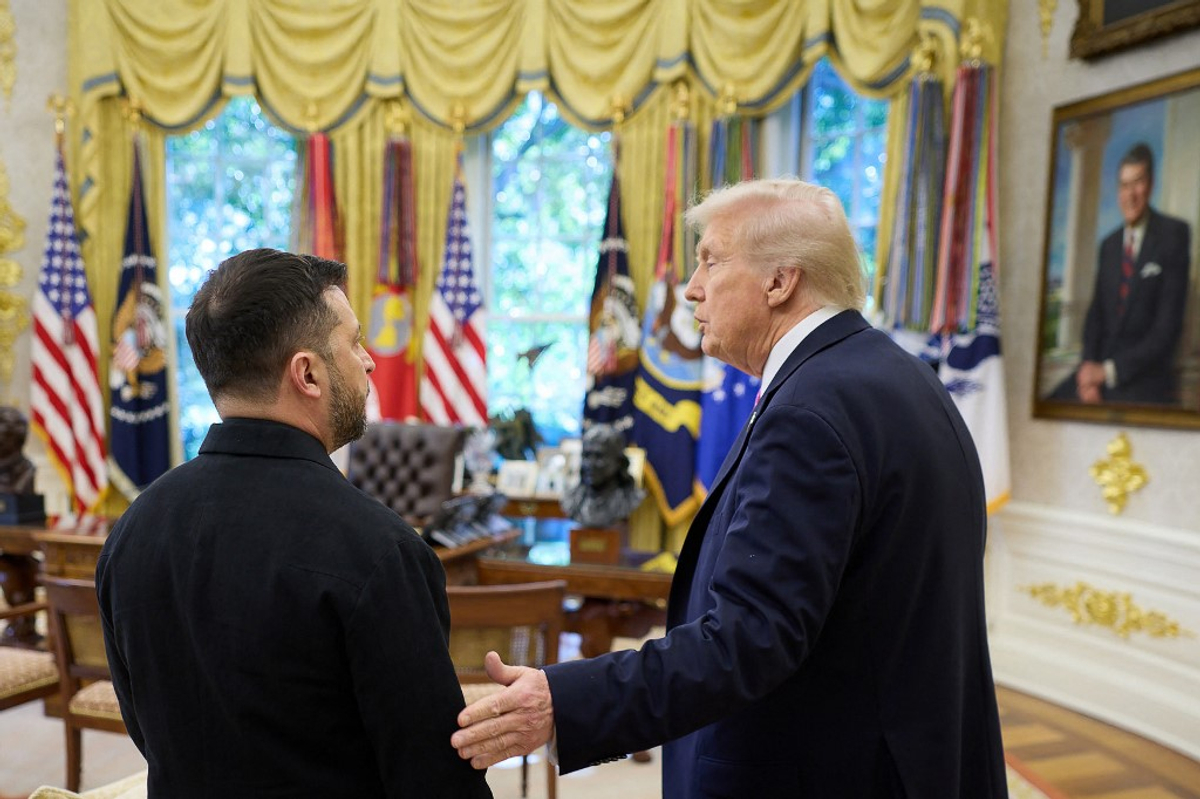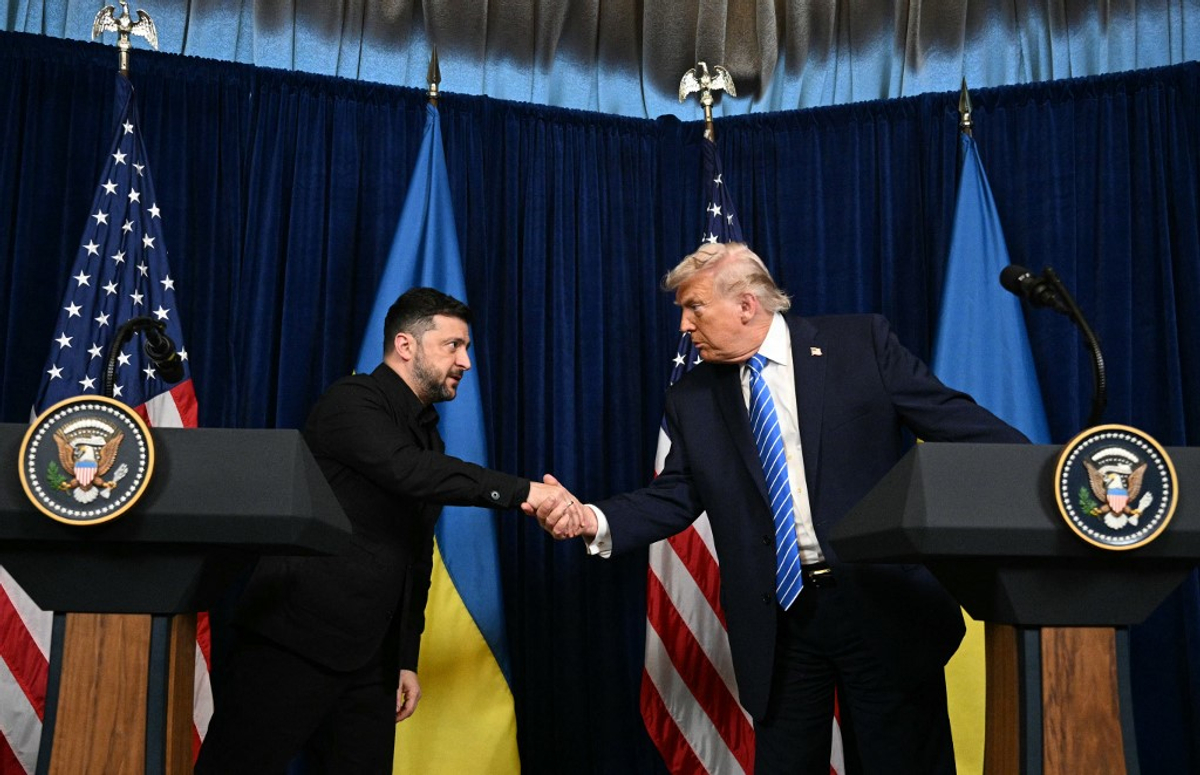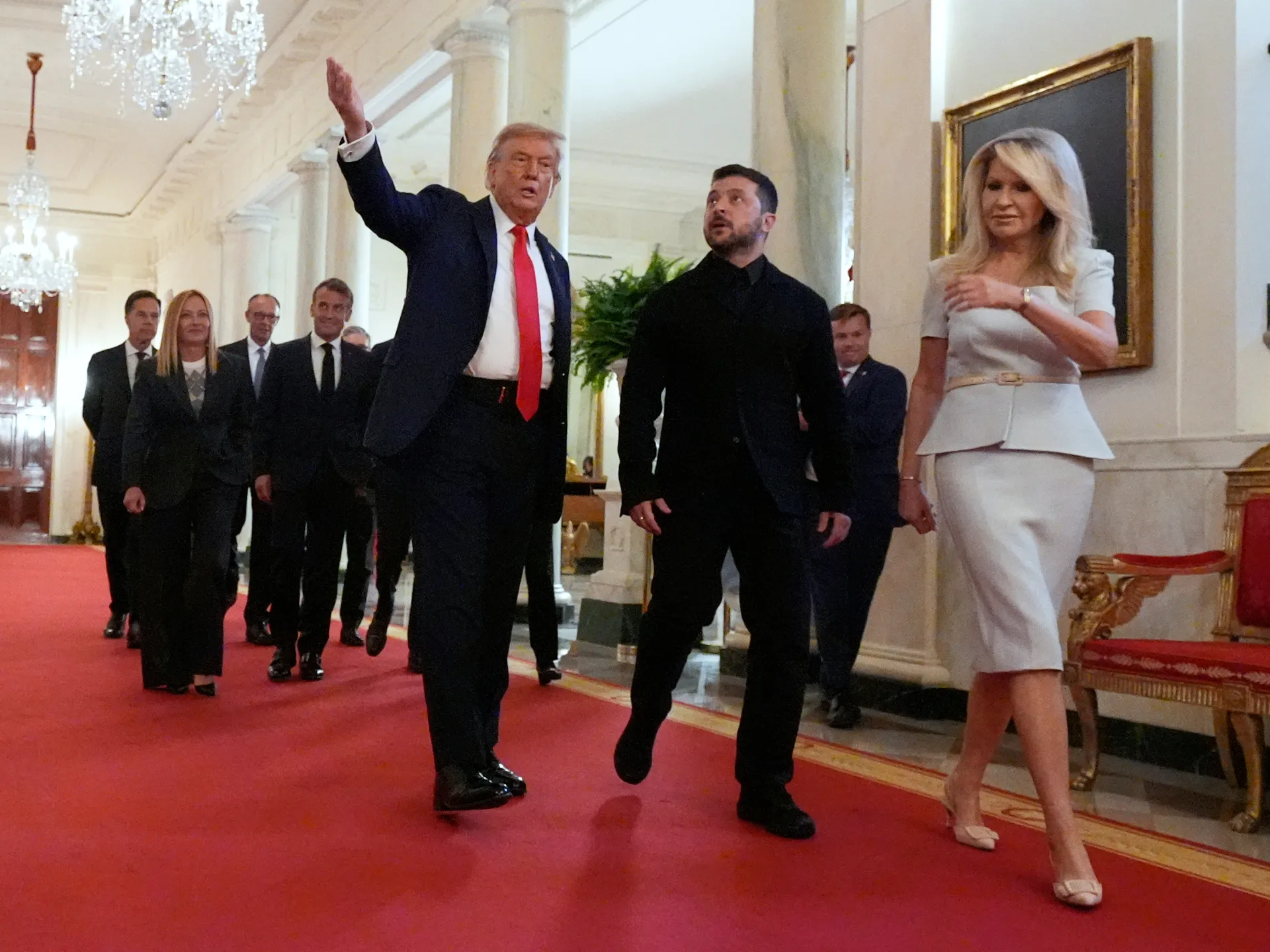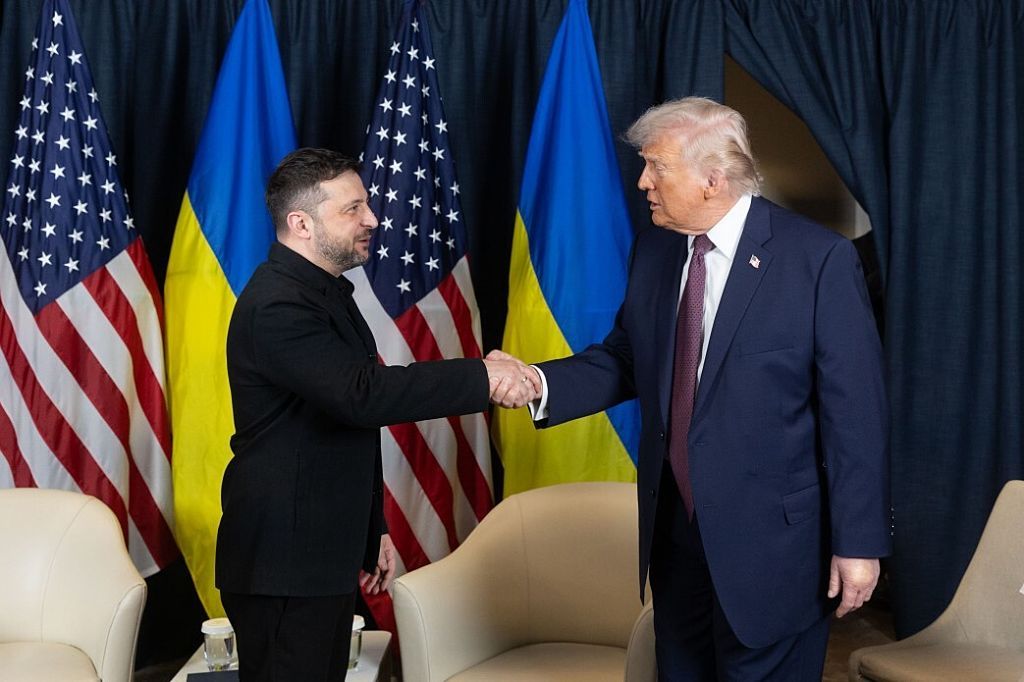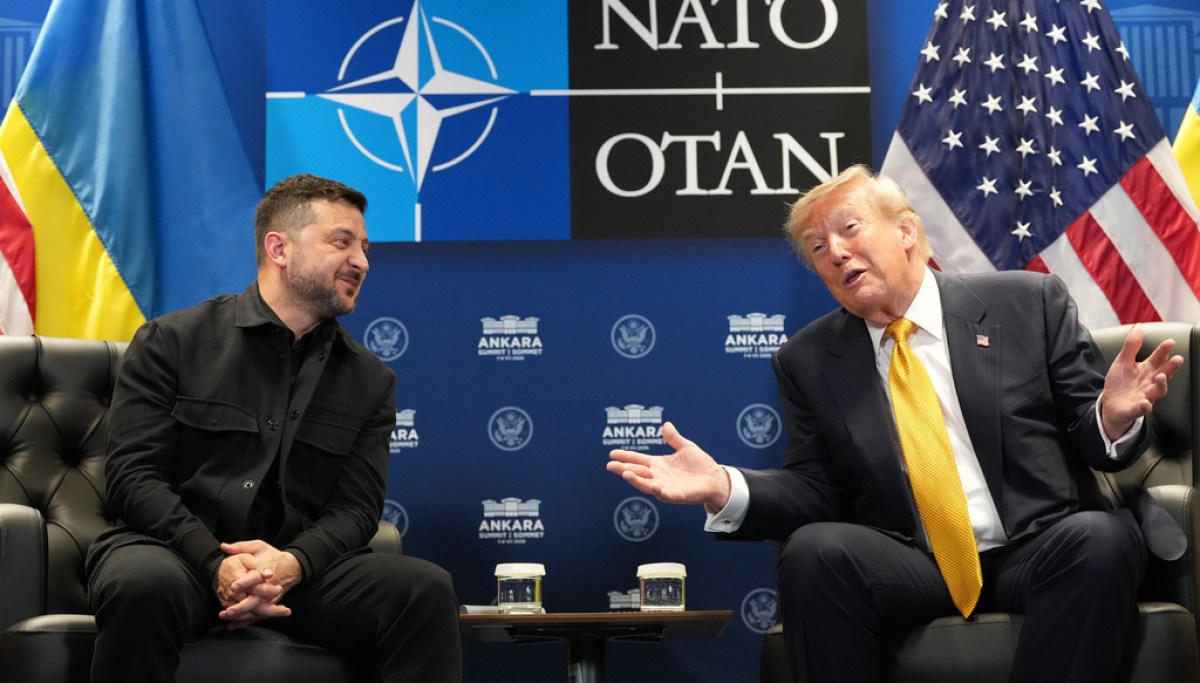
Ukrainian President Volodymyr Zelensky arrived in Washington on July 28, 2026, with one item on his agenda: keeping a Russia sanctions package alive on Capitol Hill. The visit, which included a morning meeting with President Trump and an evening address to all 100 U.S. senators, underscored just how fragile the legislative momentum behind Ukraine’s economic pressure campaign has become.
The bill at the center of this push is the Sanctioning Russia Act of 2025, introduced as Senate Bill 1241. It would give the U.S. president authority to impose new sanctions on Russia and on any country that keeps buying Russian energy exports, specifically if Russia refuses to engage in peace negotiations or violates existing agreements.
A deal struck in Kyiv, now tested in Washington
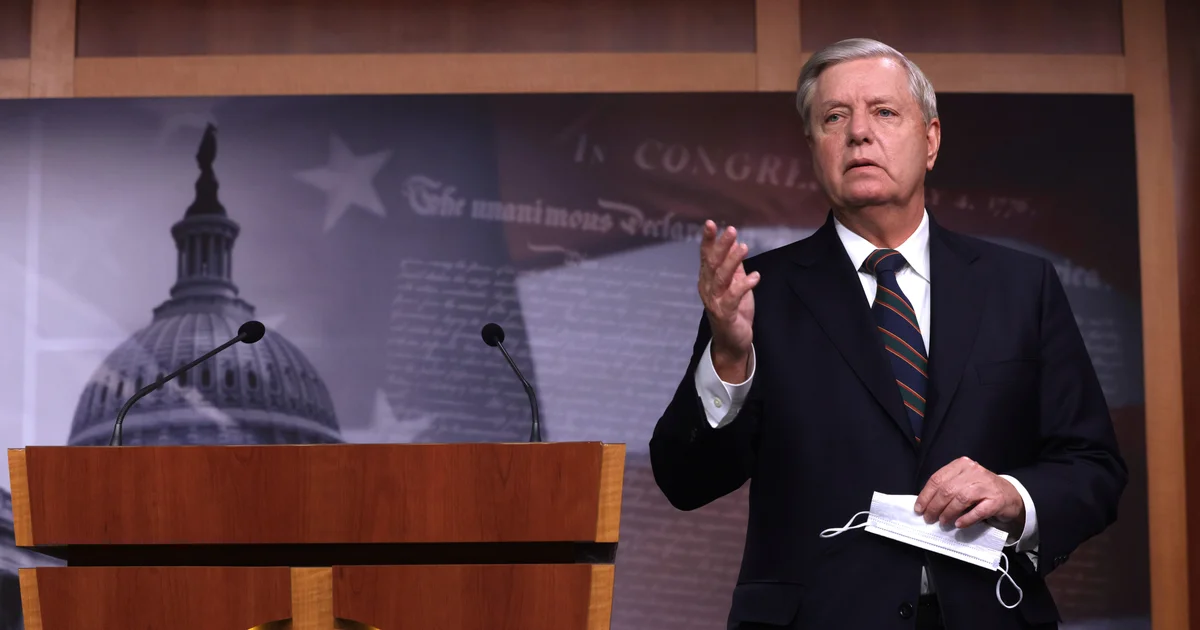
The bill gained significant momentum on July 10, 2026, when a bipartisan group of senators traveled to Kyiv and reached an agreement with both Zelensky and the Trump administration on the sanctions framework. Senator Lindsey Graham, one of the most vocal congressional advocates for Ukraine policy over the past several years, played a central role in brokering that deal during the Kyiv visit.
Graham died in mid-July 2026, shortly after securing that agreement. His absence now looms over the entire legislative effort.