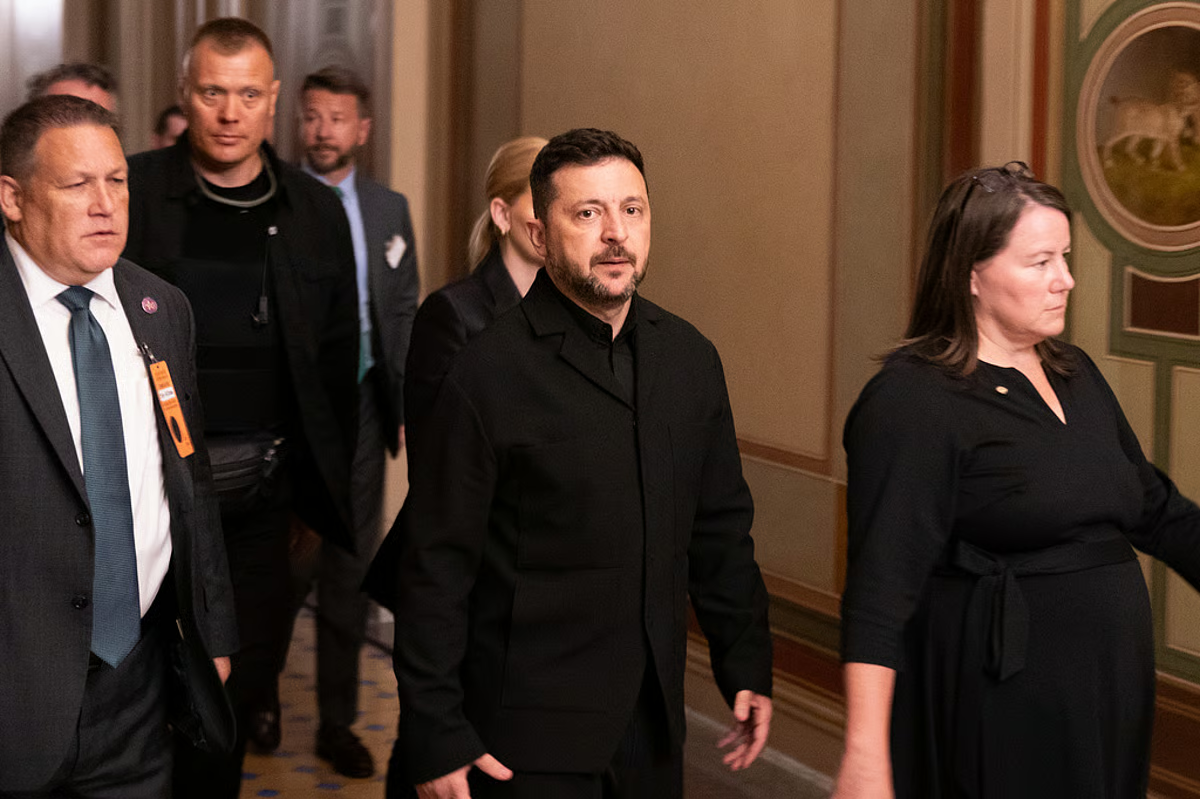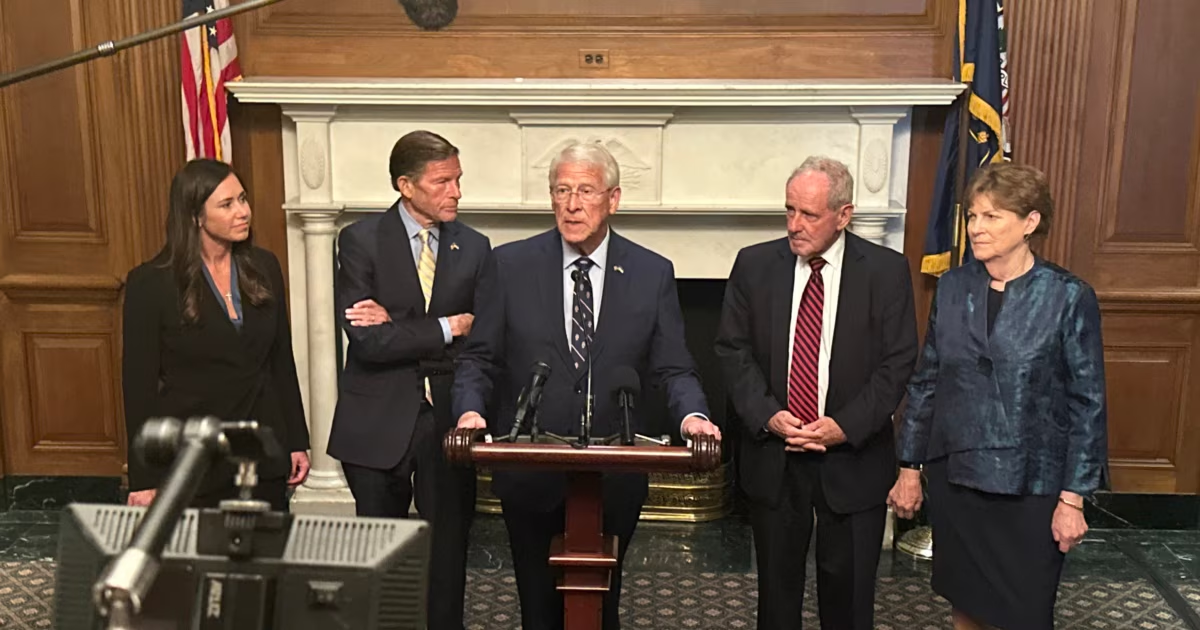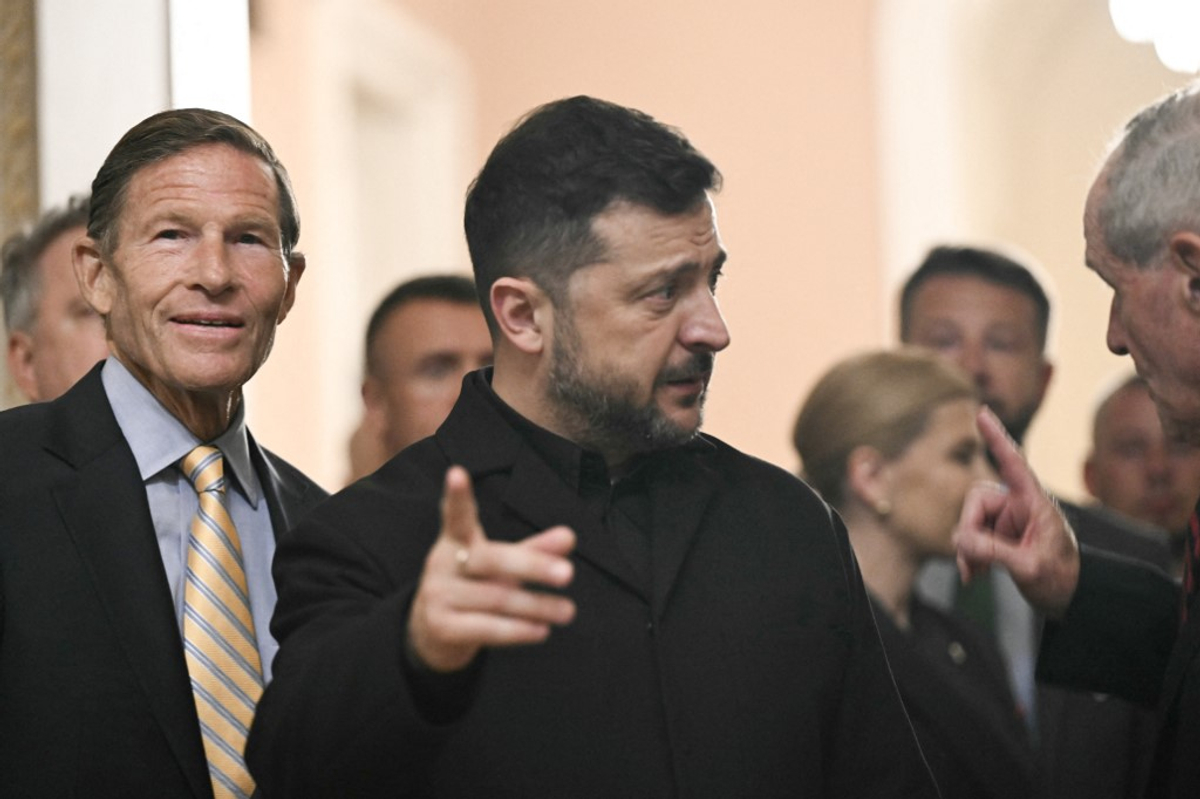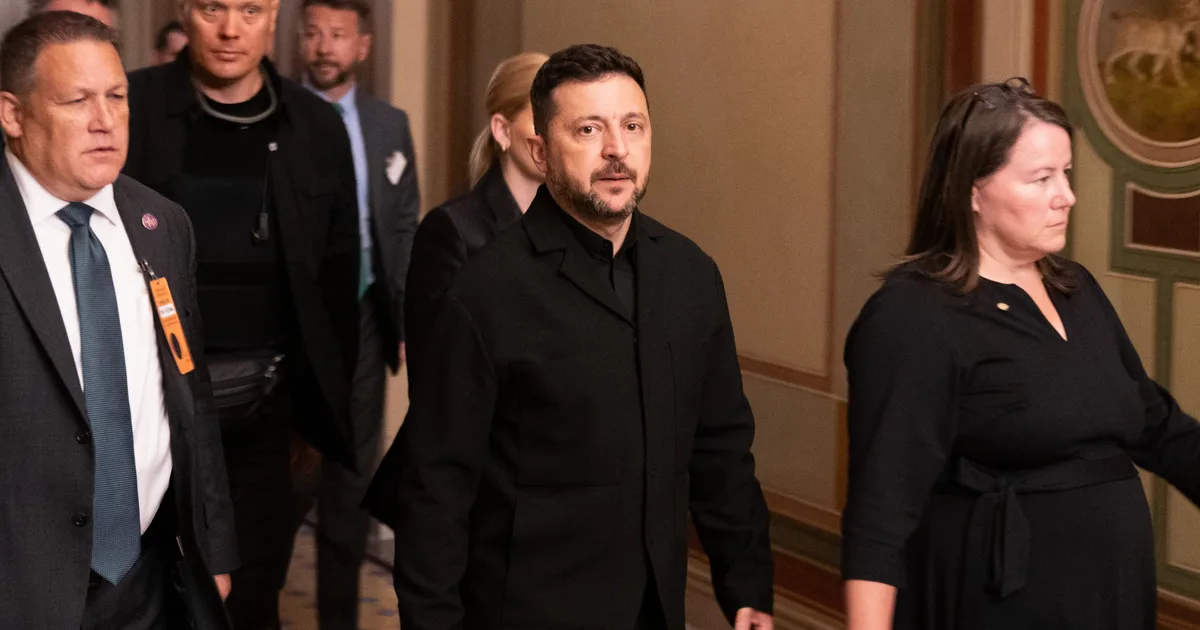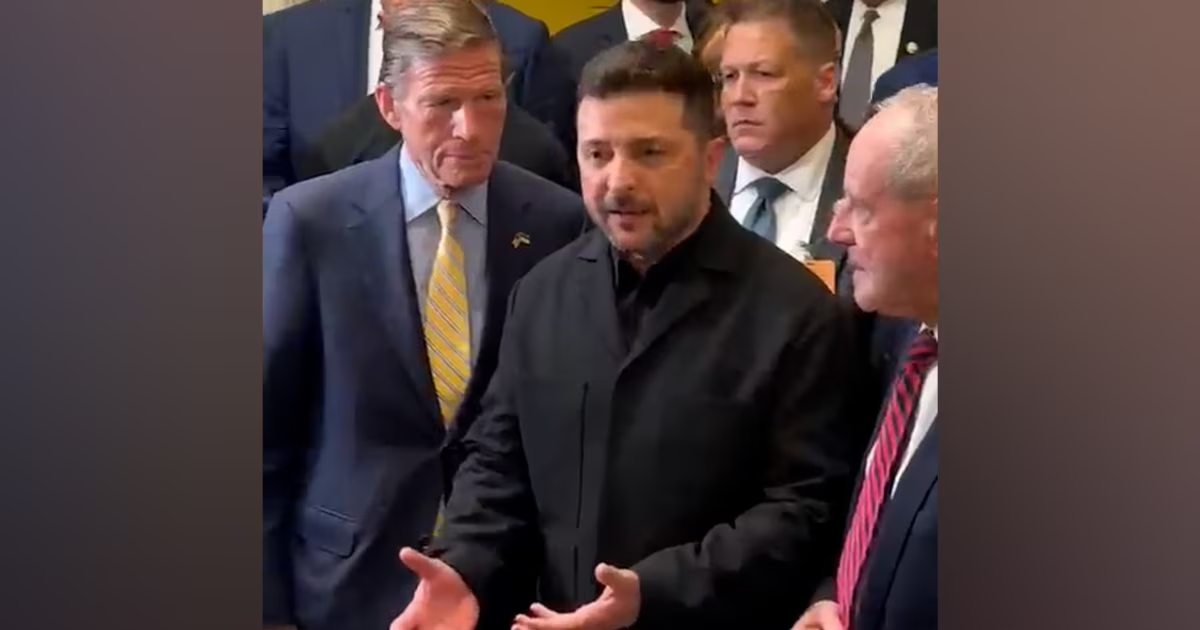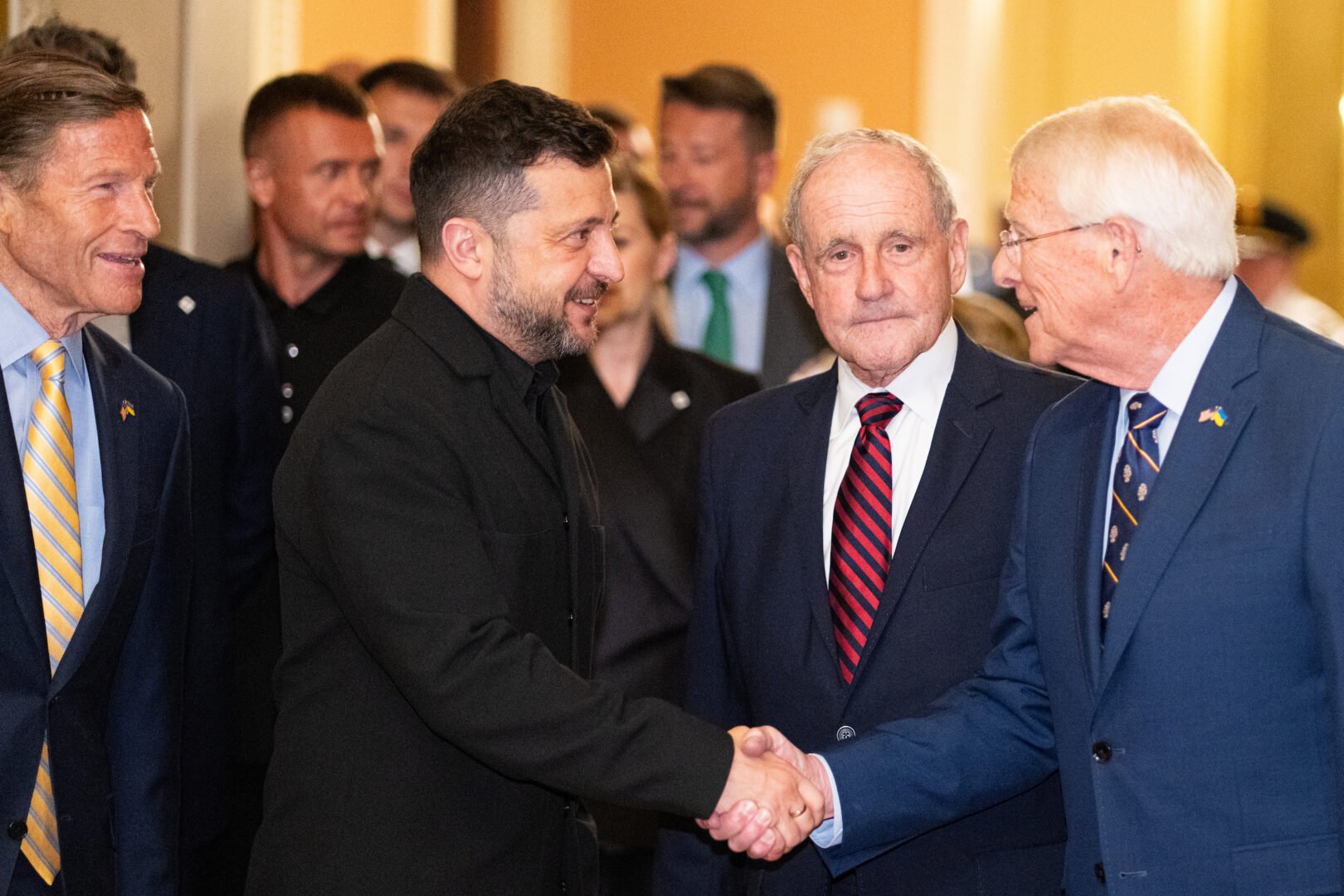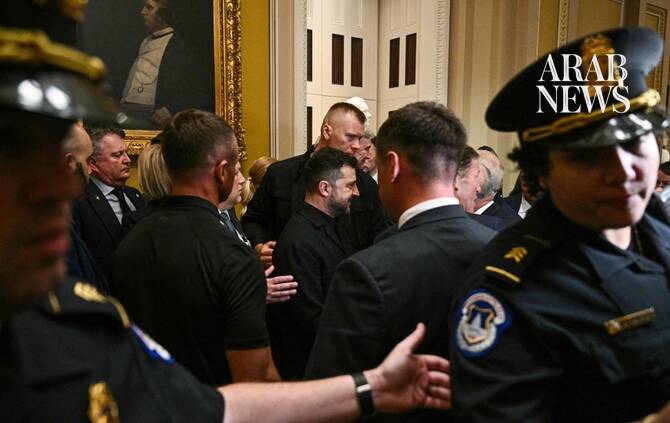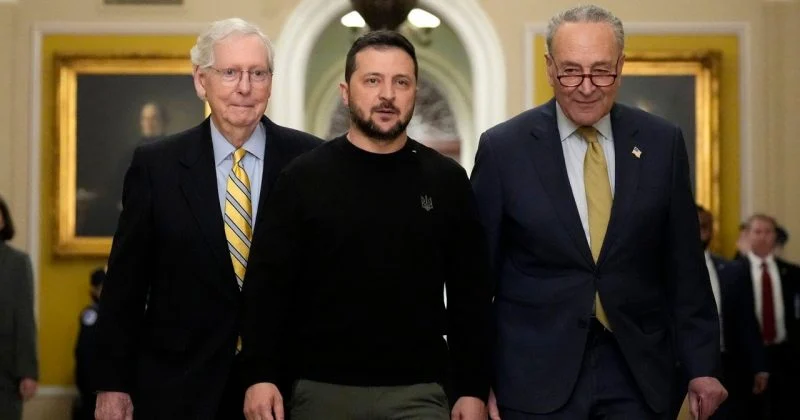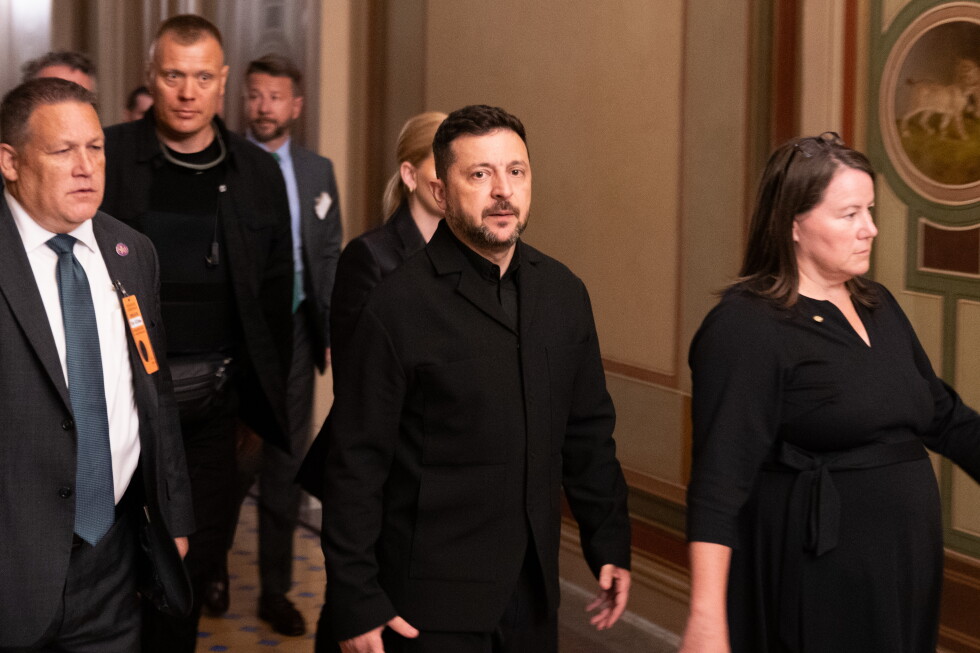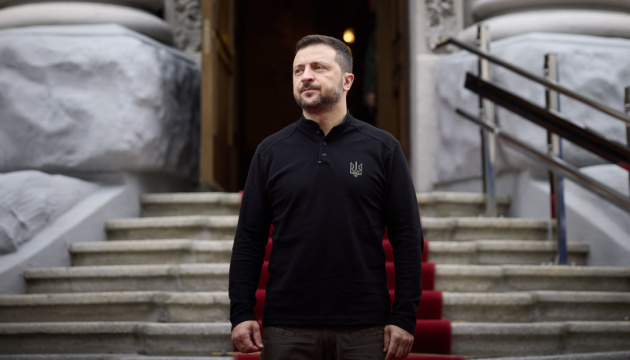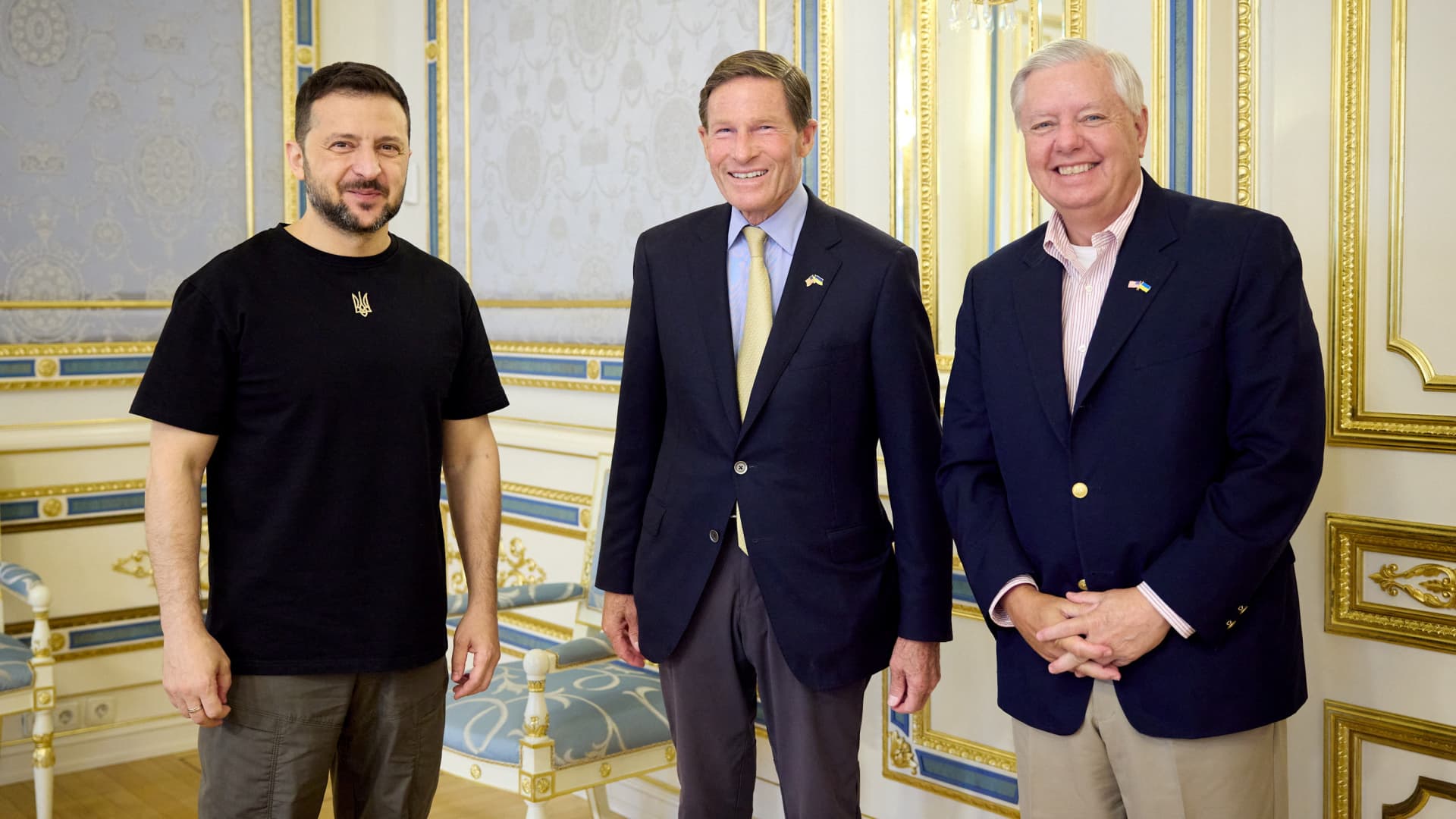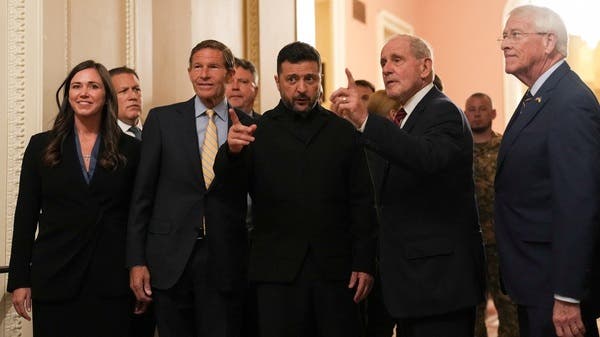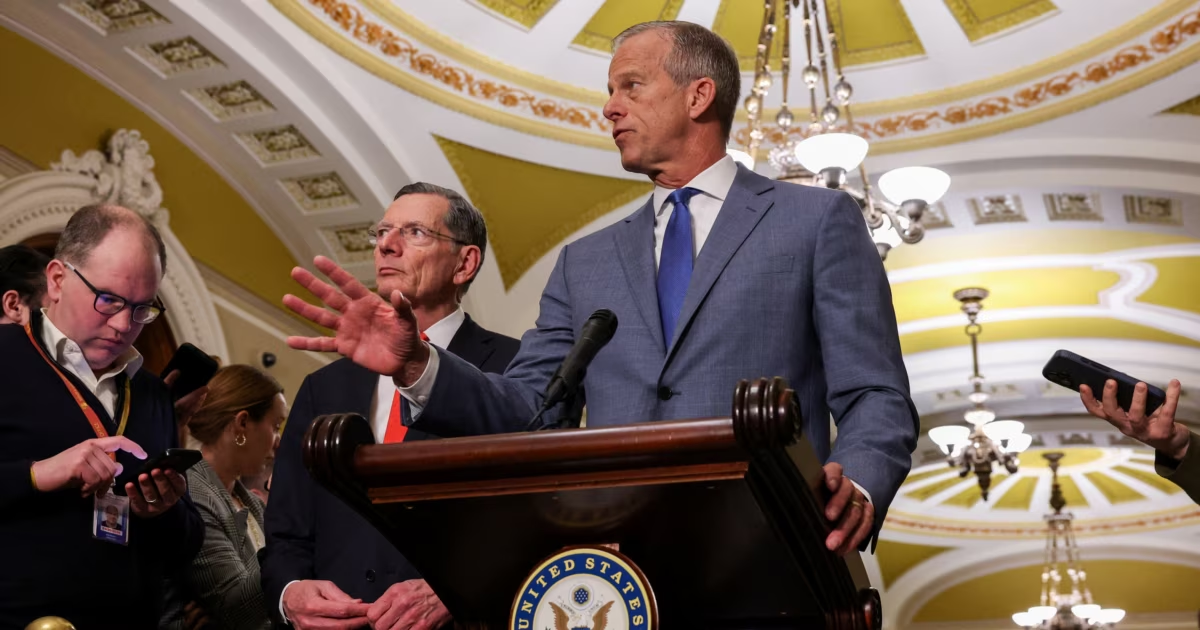
WASHINGTON -- Just one day after Ukrainian President Volodymyr Zelenskyy watched from the Senate gallery as lawmakers overwhelmingly backed moving forward on new Russia sanctions, the US Senate took another decisive step on July 29, reinforcing bipartisan determination to tighten economic pressure on Moscow and expand sanctions targeting Iran.The Senate voted 84-12 to proceed with legislation that would impose tougher sanctions on Russia over its full-scale invasion of Ukraine while extending key Iran sanctions for another five years. The vote followed an equally commanding 86-12 cloture vote the previous evening, highlighting unusually broad support from both Republicans and Democrats despite lingering disagreements over specific provisions.The legislation -- now named the Lindsey O. Graham Sanctioning Russia and Iran Act following the senator's death -- has become both a foreign policy measure and a tribute to one of Congress's most outspoken advocates for military and political support for Ukraine.Republican Senate Majority Leader John Thune said Graham had worked on the bill "on the day he died," describing the legislation as part of the late senator's legacy.Targeting Russia's Financial Lifeline -- And China's RoleSpeaking on the Senate floor, Thune argued that the legislation is designed to attack what Republicans view as the Kremlin's greatest strategic vulnerability: revenues from oil and natural gas exports.The South Dakota senator also said Russia has been able to prolong the war because energy sales continue to finance its military operations despite years of Western sanctions. According to Thune, the bill would authorize the president to impose tariffs of up to 100 percent on the largest purchasers of Russian energy while sanctioning banks, officials, and companies involved in facilitating those exports.
After Zelenskyy's Capitol Visit, Senate Sharpens Pressure On Russia And Iran
A day after Ukrainian President Volodymyr Zelenskyy visited the Senate, lawmakers overwhelmingly advanced legislation to tighten sanctions on Russia and extend key Iran sanctions for another five years.
1,025 words~5 min read