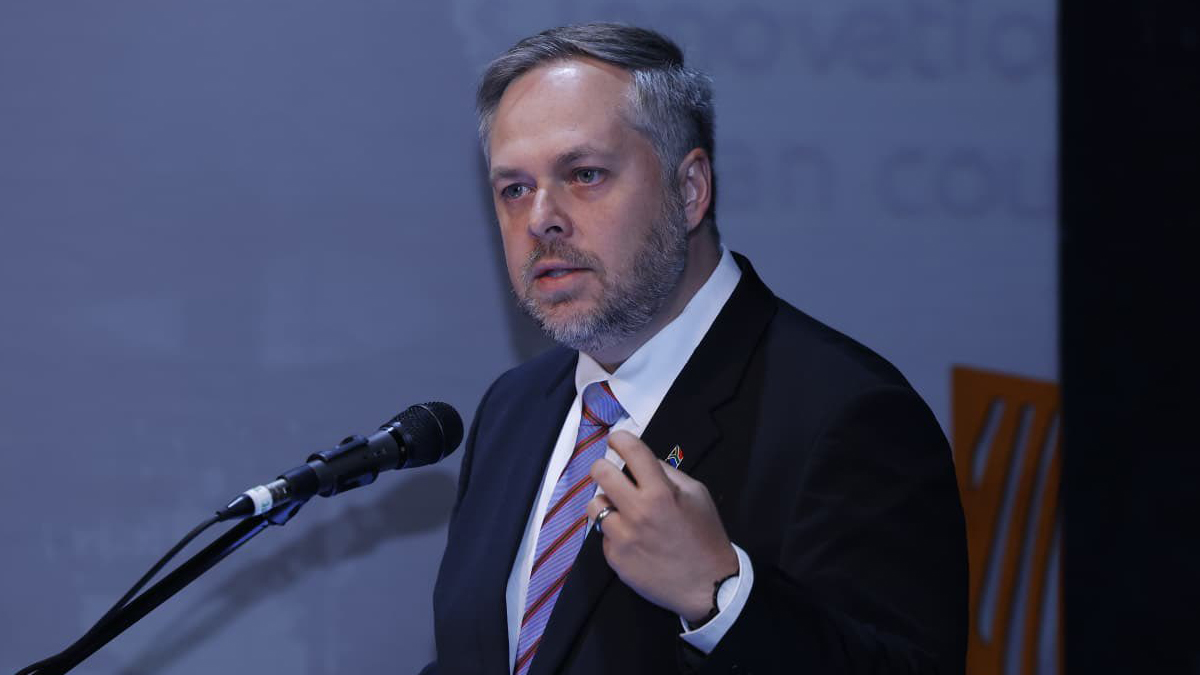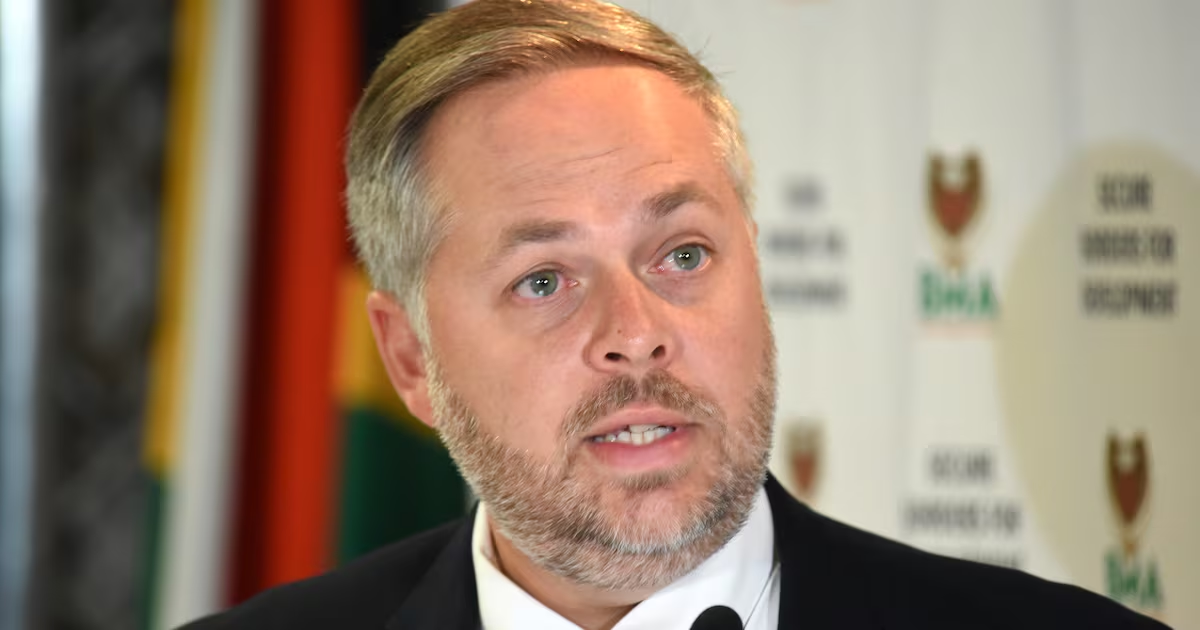
In a welcome move for business, the department of home affairs last week announced the extension of its successful trusted employer scheme (TES), one of a series of innovations it has introduced over the past few years to modernise its operations and facilitate the provision of services. The scheme was first launched in October 2023 by former home affairs minister Aaron Motsoaledi in response to the deep frustration experienced by businesses, especially foreign-owned companies, over the long delays and bottlenecks to their employing skilled foreign labour. It initially envisaged reducing the average visa processing time from 22 weeks to 20 days, with approved businesses qualifying for priority processing of visa applications due to reduced requirements and supporting documents. The scheme — developed in partnership with Operation Vulindlela, a unit in the presidency tasked with the structural reform of the economy — was intended to reduce red tape, attract investment and underpin economic growth and job creation. It simplifies visa applications for accredited employers for senior executives, technical personnel, corporate employees and investors and is not intended for the employment of unskilled and low-wage labour. The departments of home affairs, employment & labour and trade, industry & competition jointly assess the applications for critical skills visas. Companies have now been invited by current home affairs minister Leon Schreiber to express interest in the expanded scheme, specifically those involved in strategic infrastructure projects, businesses establishing regional and global headquarters in South Africa, and qualifying entities in the financial sector. To qualify, companies must demonstrate meaningful investment in South Africa, employ predominantly South African citizens or permanent residents, invest in skills development and operate in these priority sectors. An innovation in this second phase will be that applications will be handled online and ultimately incorporated into the department’s Electronic Travel Authorisation (ETA) system. Different scorecards will be applied for South African-based companies, companies with an existing regional head office or headquarters in South Africa or which intend to establish one, and synthetic financial centres. A previous, old-fashioned, limited and manual pilot project to include banks in the provision of home affairs services to address long queues has also been digitalised, automated and dramatically expanded under Schreiber to now include about 355 branches of the four major banks, with plans to expand this to 750 branches by the end of the year. In the four and a half months since the project’s launch, more than 456,000 Smart ID replacement applications have been processed in bank branches, and by the end of the year, passport applications, first-time Smart ID applications and the option of courier delivery will be added. These initiatives form part of Schreiber’s drive to digitally transform the department of home affairs, which has also included the introduction of the ETA, which uses facial recognition and advanced document verification to modernise visa processing. Initially rolled out to travellers from four countries, it will in the next few weeks be expanded to all visa-required countries as well as to additional visa categories. This reduces the opportunity for fraud and corruption. Also in the pipeline is a digital identity system that will bring services directly onto smartphones, to be followed by the introduction of a biometric e-passport. A digital ID prototype will be introduced before the end of the year. Schreiber’s passion for technological transformation and his drive to modernise his department is notable and should be replicated across government departments. The SA Revenue Service is another model of innovation.
EDITORIAL | Home affairs’ digital drive deserves to be a goverment blueprint
Department reforms show how innovation can improve services and support growth
575 words~3 min read