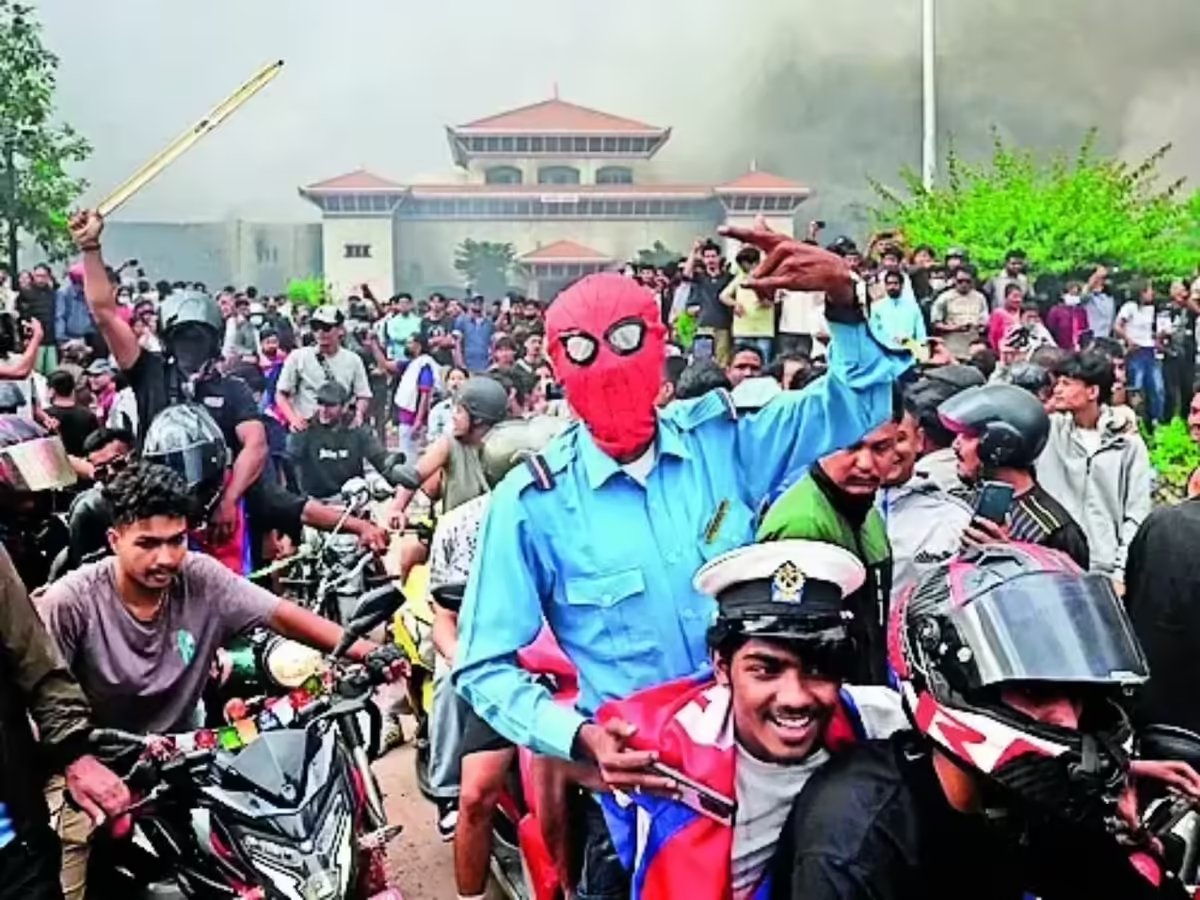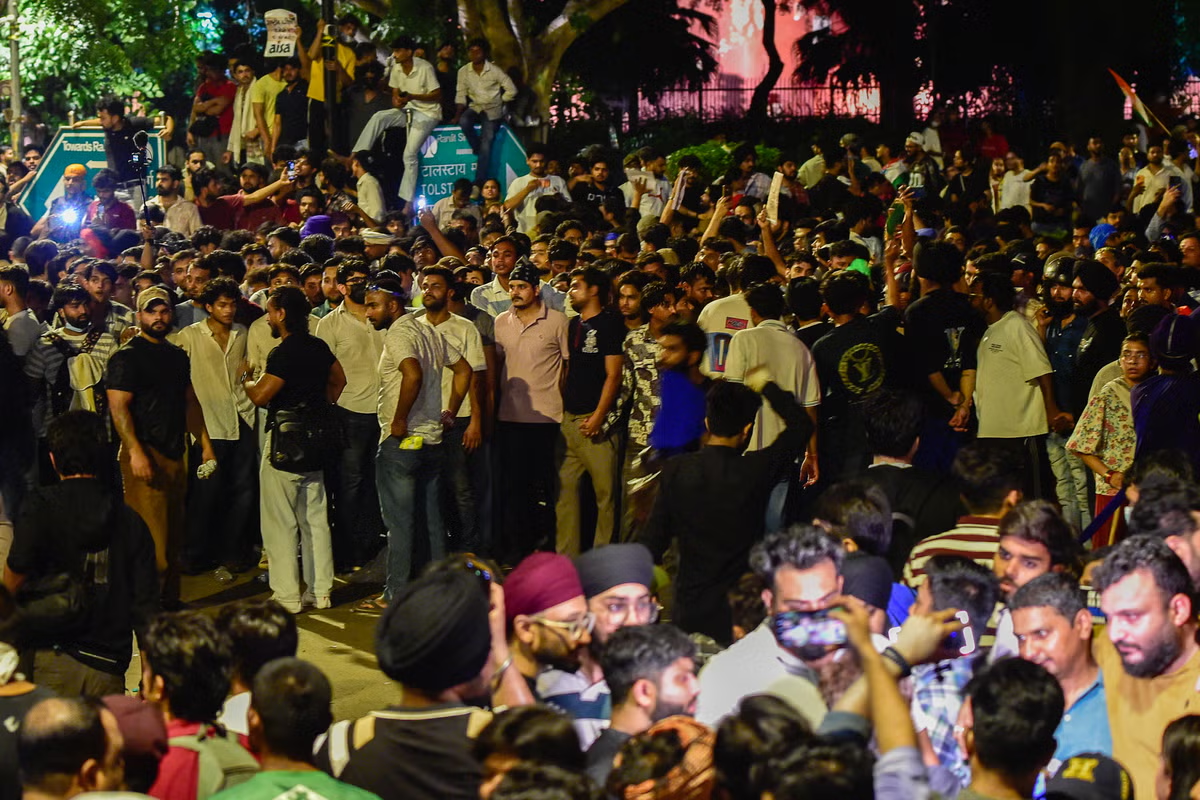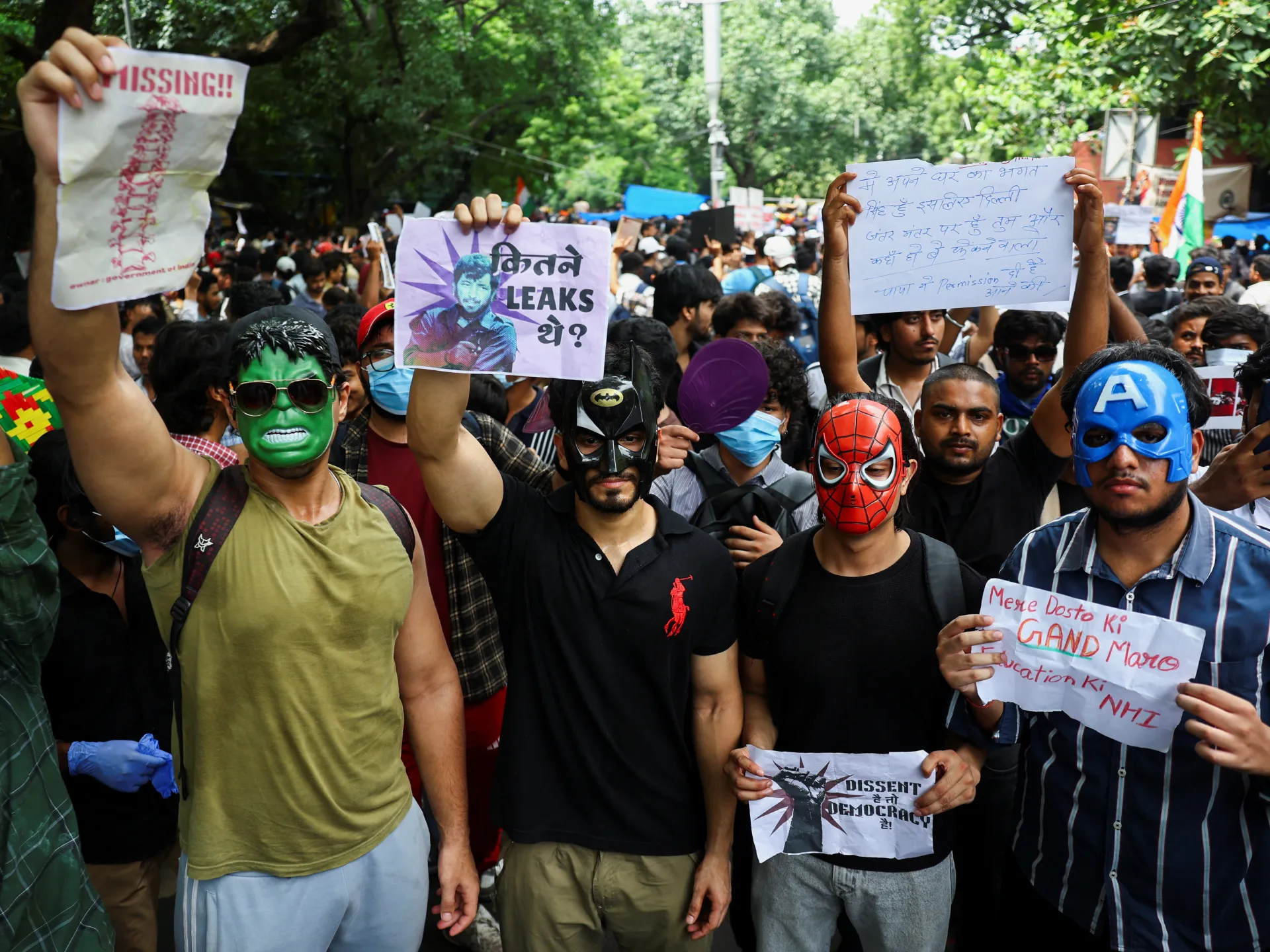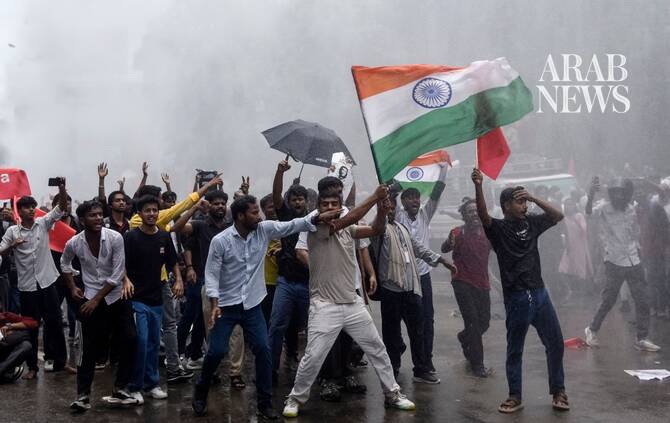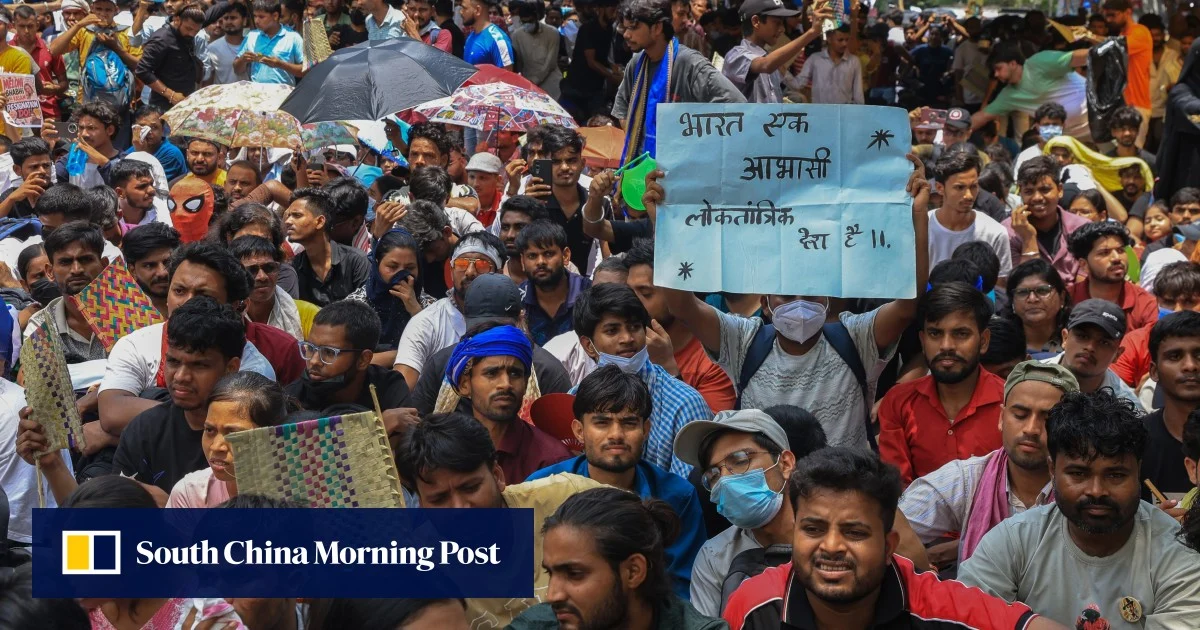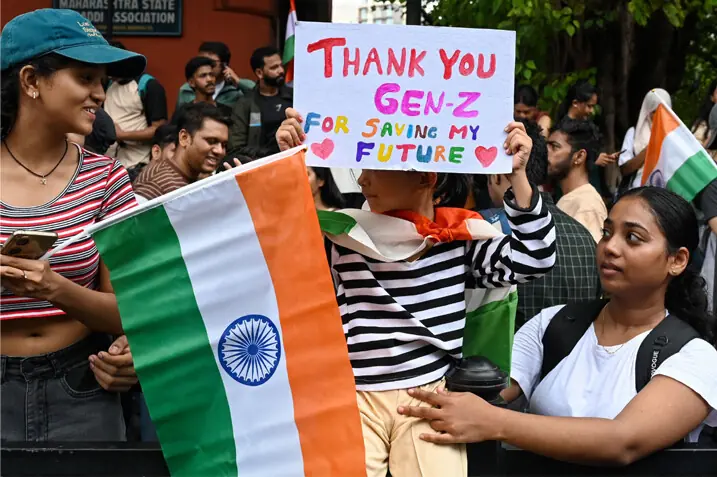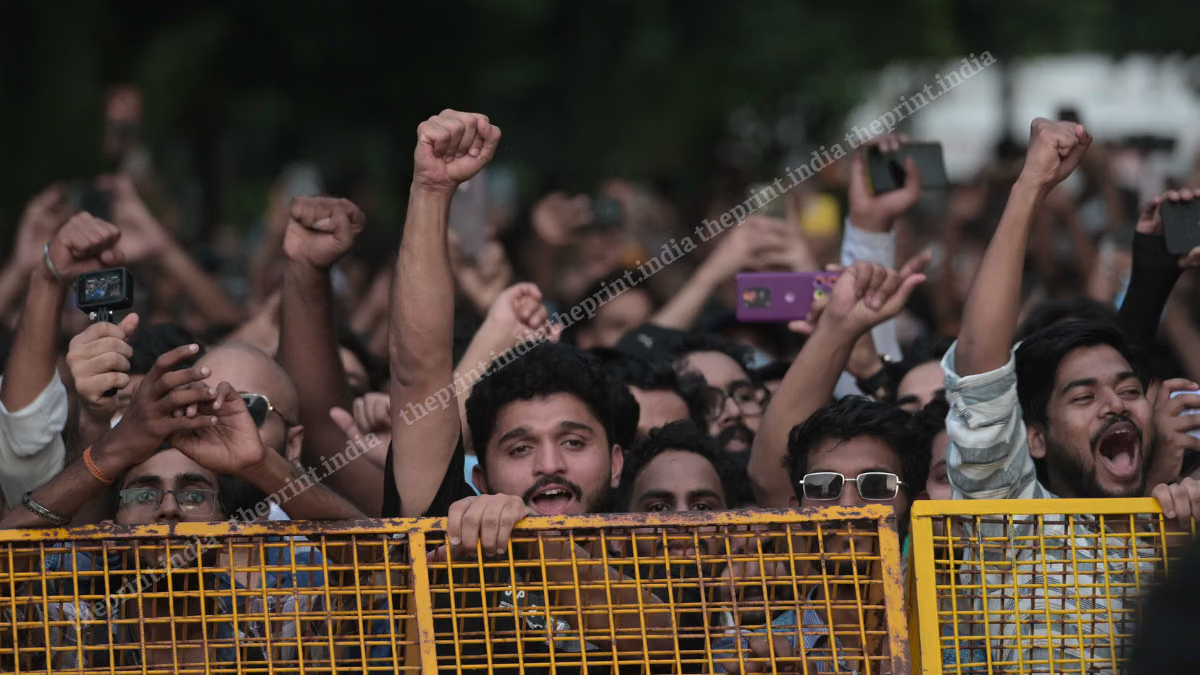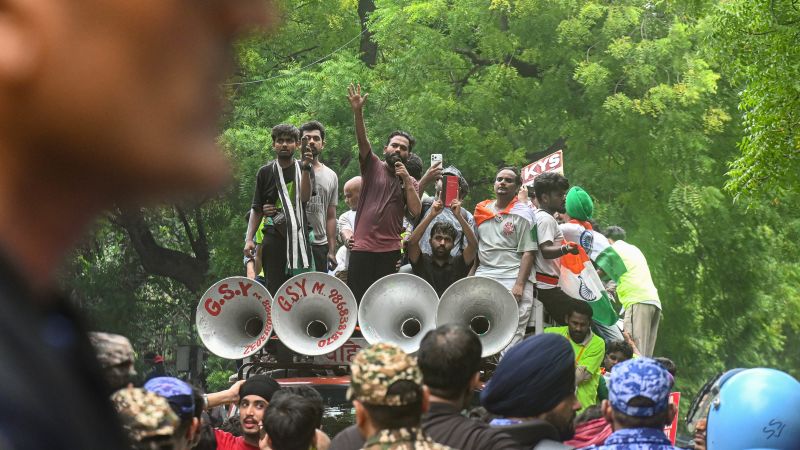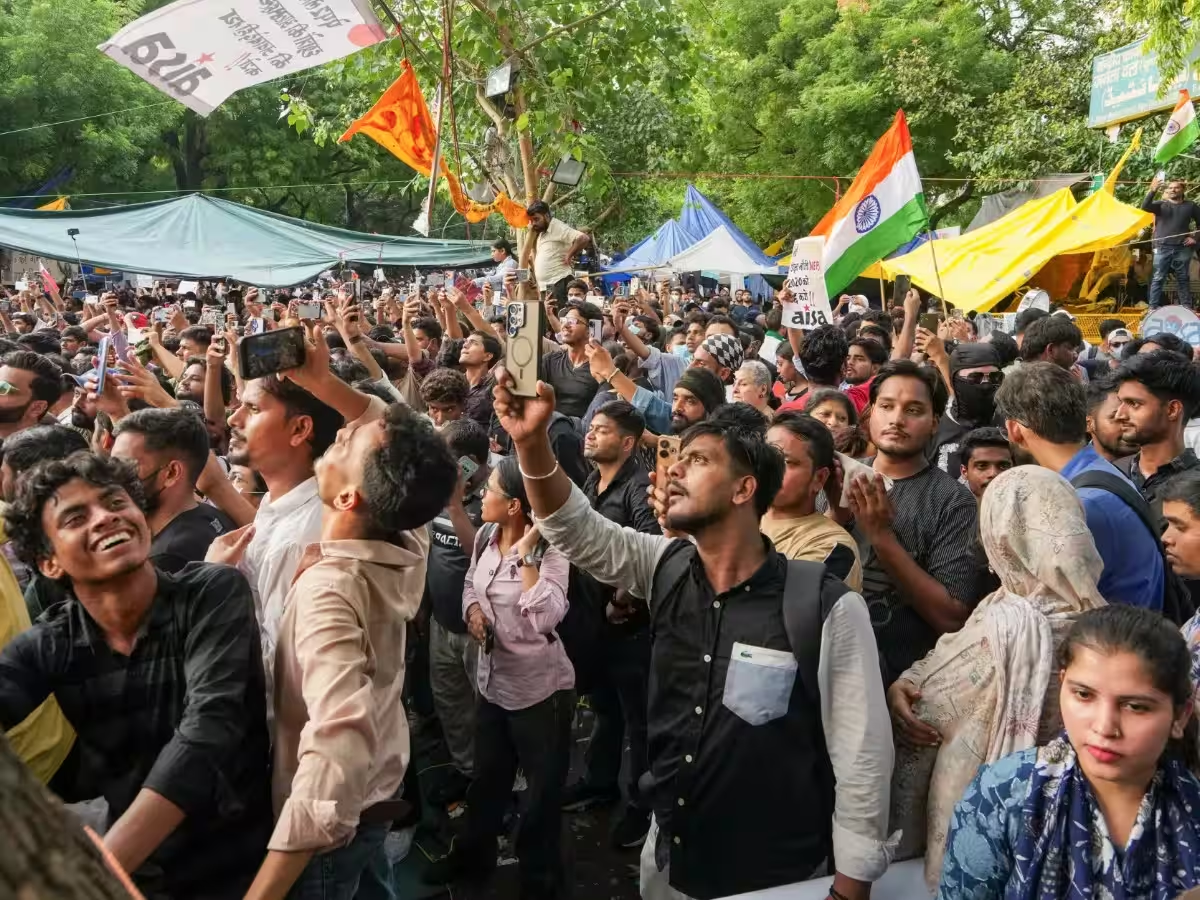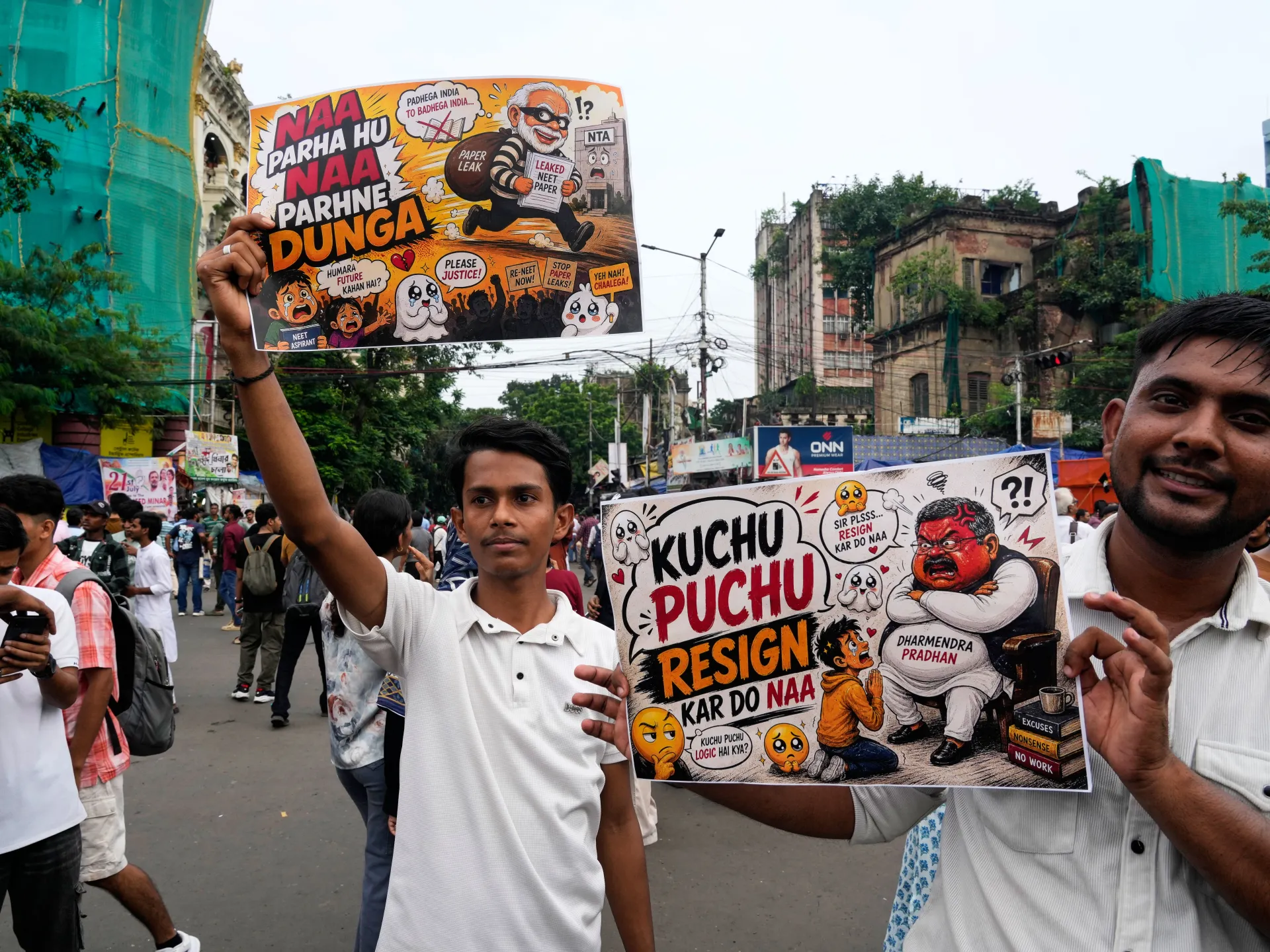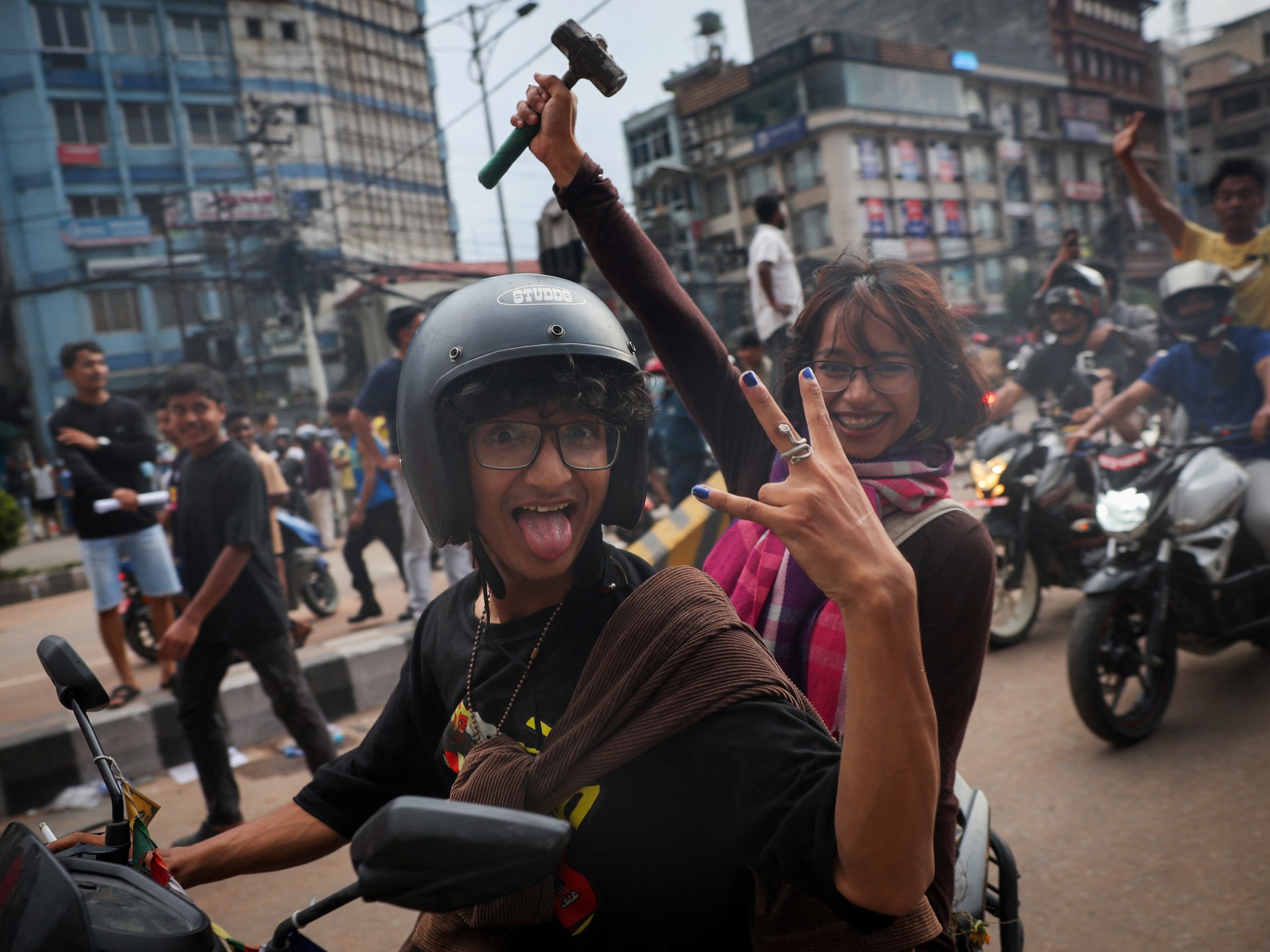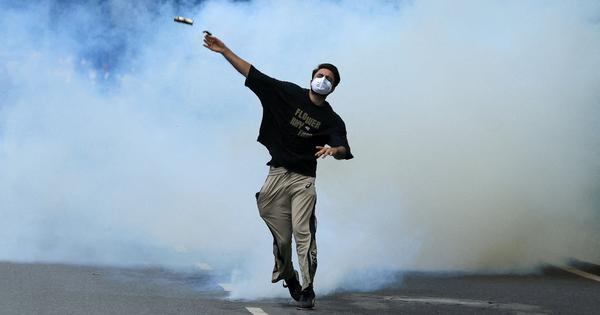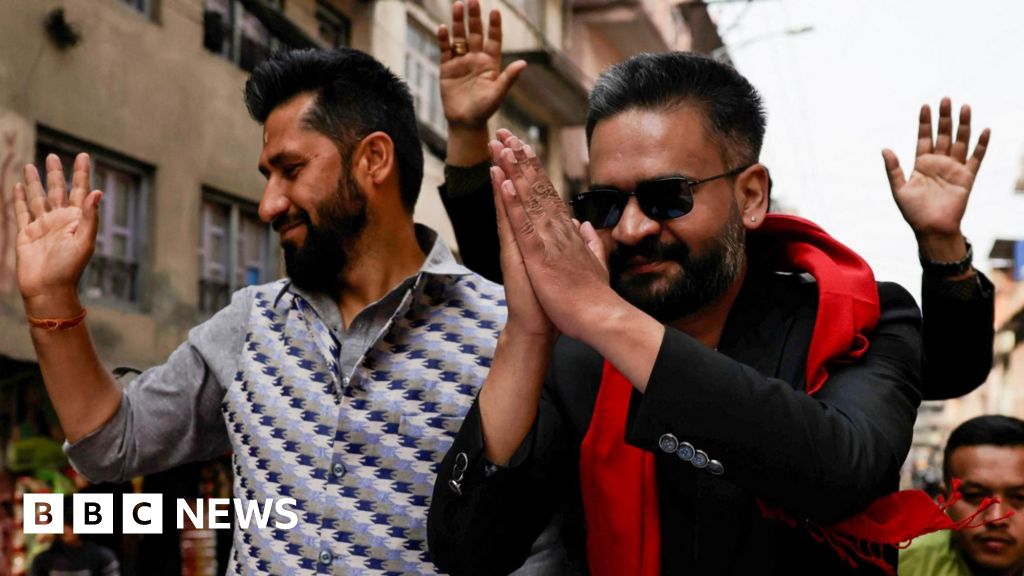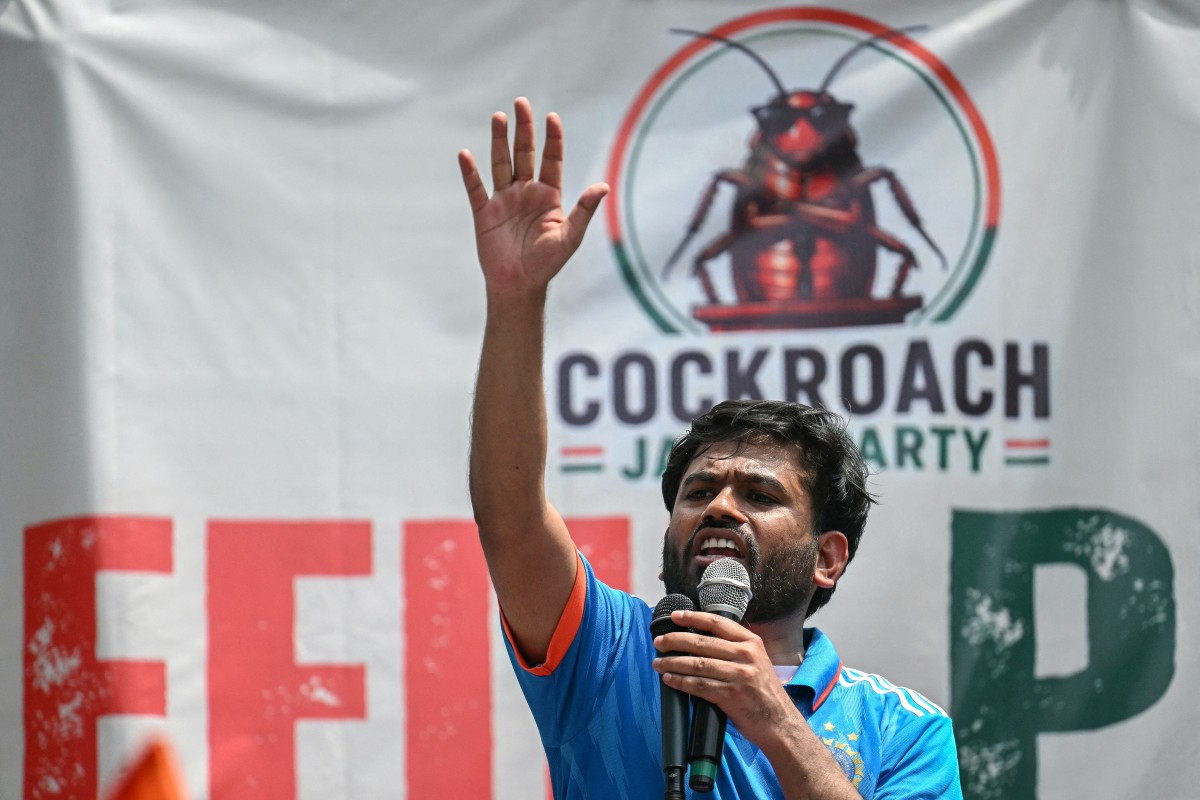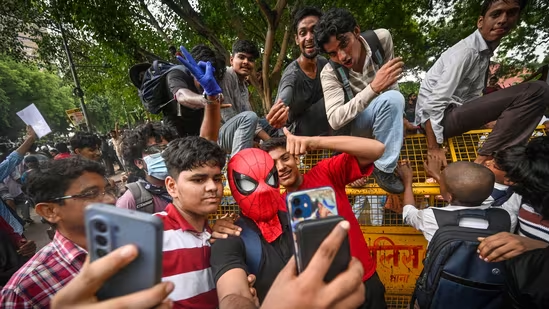
India’s path ahead differs significantly from what happened in the neighbourhood following student-led protests. Lived reality always finds a way to catch up with political rhetoric. In February 2021, Myanmar’s youth protested a military coup that eventually became a grinding civil war. In March 2022, former Sri Lankan president Gotabaya Rajapaksa felt the force of gravity when power cuts and fuel shortages triggered mass protests.Street-protests create their own political rhetoric which must catch up with the institutional realities of the country. (Hindustan Times)In May 2023, the Pakistani army faced its most severe test when mounting economic discontent and the jailing of former prime minister (PM) Imran Khan led to anti-establishment protests. In July 2024, former Bangladesh PM Sheikh Hasina faced reality in the form of a student-led uprising. In September 2025, Nepal’s Gen-Z decided to put an end to the excruciating decade- long saga of prime ministerial musical chairs in Kathmandu. In July 2026, India’s Gen-Z showed its government the limits of a rising power’s jobless growth and eroding structures of public accountability.ALSO READ | Bihar govt relents, to withdraw youth protest-linked cases, release all arrested after CJP, Oppn threaten new stirIn essence, aspirational but disillusioned youth is reshaping the historical arch of a subcontinent that accounts for one-quarter of humanity.The Cockroach Janata Party (CJP)’s protest, with support from education activist Sonam Wangchuk’s 26-day hunger strike, that led to the resignation of the education minister Dharmendra Pradhan to account for the leak of the National Eligibility cum Entrance Test (NEET) question paper, drew comparisons with the youth-led protests in the neighbourhood.The visuals of young people standing up to the might of the State to express the frustration that comes from the gulf between the haves and the have-nots were indeed strikingly similar. That these protests received large societal support, be it in Myanmar or Bangladesh, Sri Lanka, or Pakistan, is also a point of convergence.Several student organisations and supporters of the Cockroach Janta Party gathered at Shivaji Park in Dadar to show solidarity with the CJP's protest in Delhi. (Hindustan Times)But that is also where the similarities end. India is not a military dictatorship like Pakistan and Myanmar, nor is it the kind of civil autocracy Hasina built in Bangladesh. Equally, India’s political system, despite its flaws, is neither as unstable as pre-2025 Nepal, nor is PM Narendra Modi as embattled as Rajapaksa was in Colombo.ALSO READ | Greta Thunberg says CJP protest 'given us hope', backs Indian youth: 'True meaning of people power'So, what now, on the proverbial morning after? India’s students and the government are, oddly, lucky to have five different pathways to learn from. Myanmar and Pakistan’s militaries responded in the only language they knew. Unencumbered by electoral politics or accountability, these regimes opened fire on their citizens. The results are there for all to see. Myanmar is a civil war-ridden, economically broken country with State authority reduced to a rump.Ethnic armed organisations — no paragons of democracy themselves — are running parallel systems in territories they control. Pakistan continues to face ethnic and Islamist violence, but has temporarily stabilised its economy. Submission to the coercive powers of the army by traditional political parties has imparted a false sense of calm. There is enough simmering disquiet in Pakistani society and within the military institution itself; Munir’s political shine could come undone just as fast, and unexpectedly, as it got built.The cases of Sri Lanka, Bangladesh, and Nepal, all three of which conducted free and fair (if not inclusive, in Dhaka’s case) elections after the uprisings, are more instructive. In Bangladesh, the interim government (IG) led by Muhammad Yunus was hugely invested in accountability.ALSO READ | ‘Bigger than fear’: The volunteers who kept the stir running at Jantar MantarIf it were not for the Bangladeshi army’s decision to not fire at its citizens, Hasina would have pressed ahead along Pakistan’s and Myanmar’s path and killed a lot more than the 1,400 deaths estimated by the United Nations. The IG still managed to bungle Hasina’s trial-in-absentia, and her prospective return to Dhaka risks destabilising the country all over again. Dhaka is in an awkward position where it seeks Hasina’s extradition from India, but its main political parties have also concluded that, for now, they don’t want the Awami League to return to active politics.On August 5, 2024, thousands of protests engulfing the government buildings in the morning including the Prime Minister’s Office, Bangladesh’s Parliament, and Ganabhaban. (HT file)In Nepal, PM Balendra Shah remains politically stable and enjoys public support. But he continues to struggle on key questions around the economy and international diplomacy. His strength as an independently elected mayor of Kathmandu who talked less and delivered more struck a chord with Nepal’s Gen-Z. Today, his conservative — and abrasive, according to critics — communicative style is becoming a liability as people demand more explanation for policy decisions. In Colombo, PM Anura Kumara Dissanayake remains popular.But he too is struggling to deliver promised constitutional, public sector, governance, anti- corruption, and economic reforms. Unlike Bangladesh, both Nepal and Sri Lanka opted for a more conciliatory approach towards ousted political parties and leaders after the initial uprisings and, for this reason, are less susceptible to recurring political crises than Bangladesh, Pakistan, and Myanmar.People stage a massive protest against the government’s decision to block several social media platforms, outside the parliament building, in Kathmandu (TV Today, Nepal/HT file)If there is one thing for the Indian government to learn from these cases, it is this: Evasion of accountability may emerge from, or exude, short-term confidence. But it is almost certain to lead to worse second-order effects later. The haemorrhaging of public institutions to serve the executive pushes democratic dissent to the streets. Pradhan’s resignation has prevented the protests from snowballing into an entrenched crisis. But the problem of education sector reform remains. The students deserve good education and employment opportunities. The government has three more years to usher in meaningful reform to deliver on these promises before it meets the electorate at the poll booth in 2029.If there is one thing India’s protesting students can learn from their regional peers, it is this: Their collective strength has produced a watershed moment in Indian politics. It also marks the end of political innocence and the coming of age of an entire generation. This energy will dissipate if not channelised using existing parliamentary structures. Sooner rather than later, and fairly or not, they too will begin to be judged along political lines. Such has been the fate of all Gen-Z movements in the subcontinent. After all, street-protests create their own political rhetoric which, too, must catch up with the institutional realities of the country.(Avinash Paliwal teaches at SOAS University of London and is a nonresident scholar in the Carnegie South Asia Program, Washington D.C. The views expressed are personal)
From Nepal's Gen Z uprising to India's CJP protests, South Asian youth rallies: ‘Same same, but different’
India’s path ahead differs significantly from what happened in the neighbourhood following student-led protests.
1,134 words~5 min read