Get the latest news and updates from Dawn
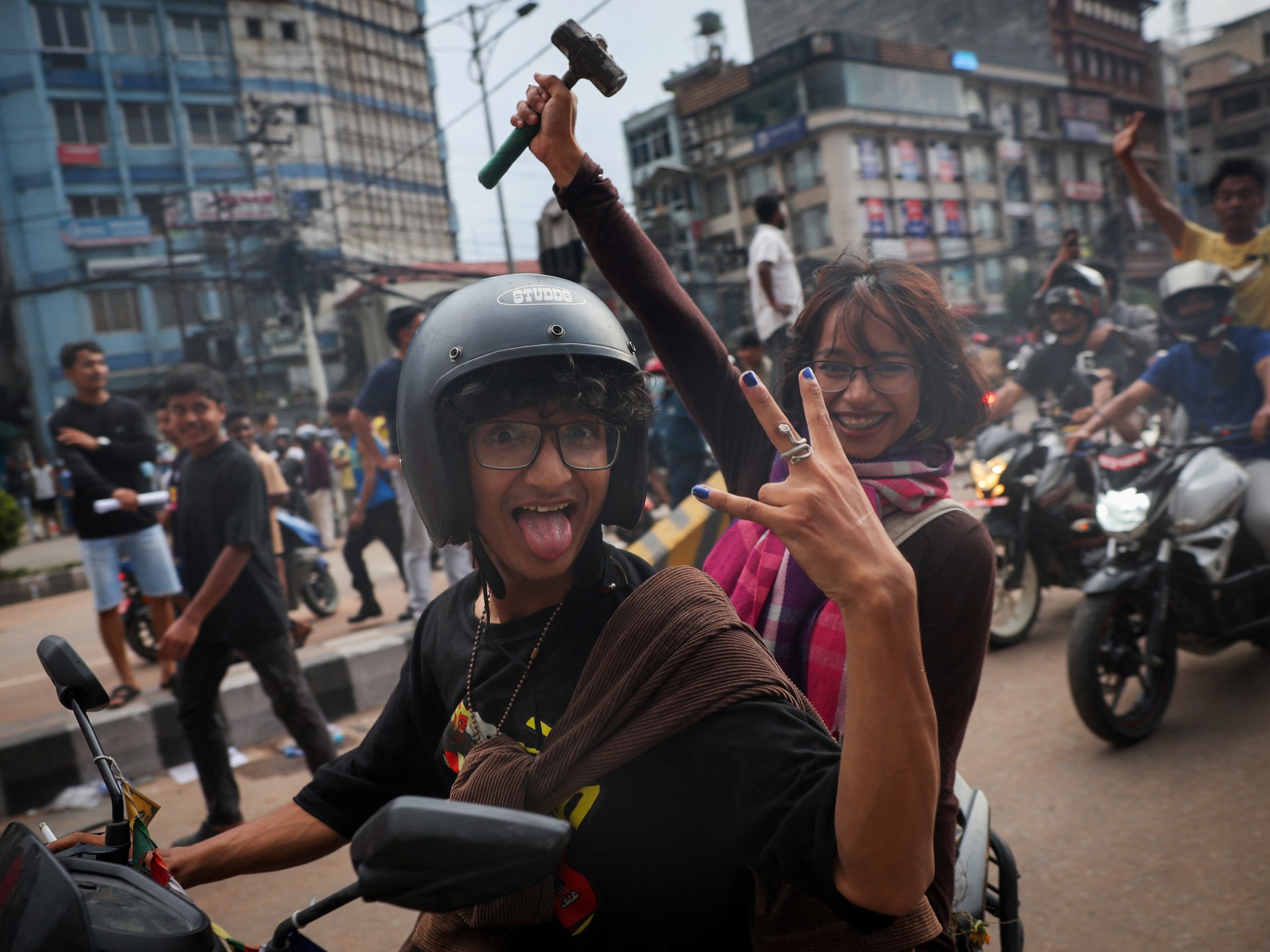
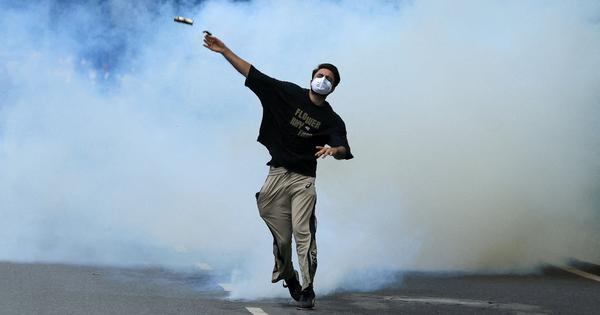
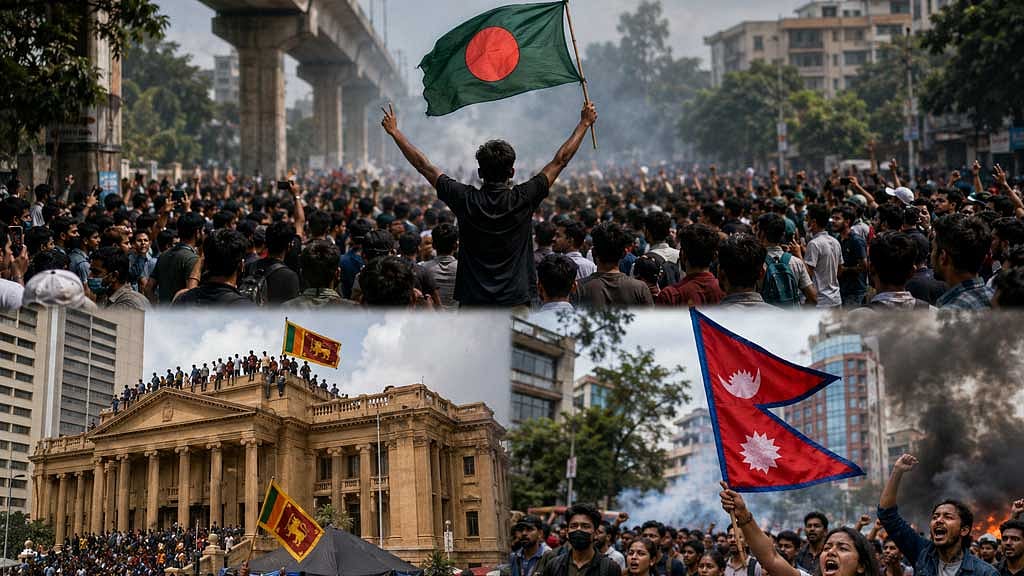
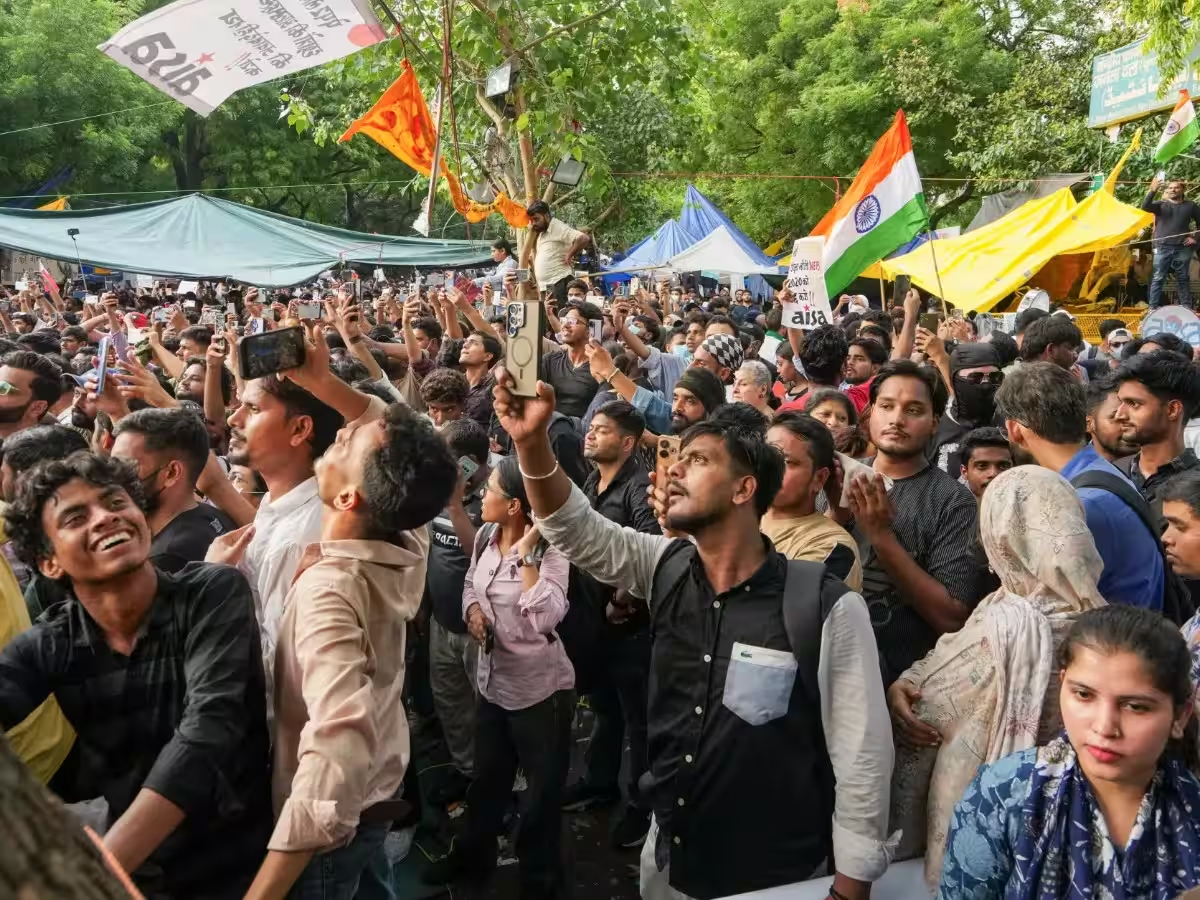
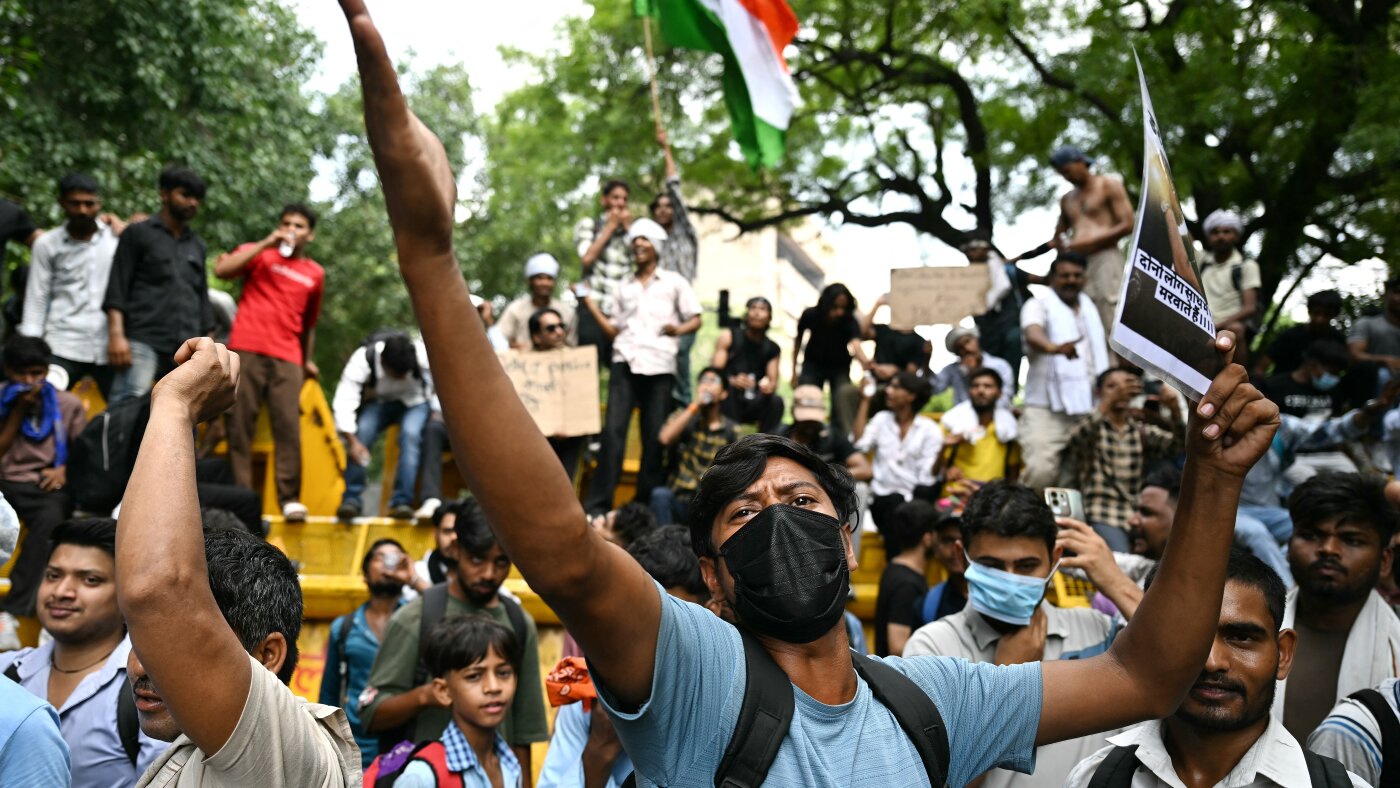
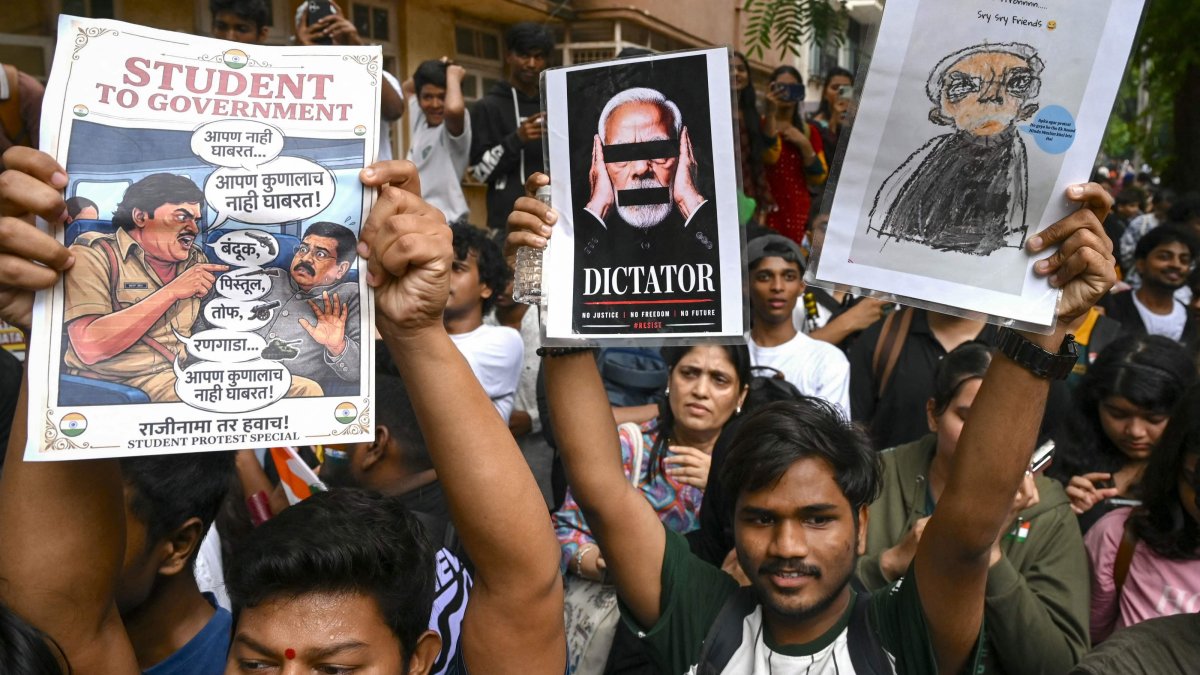
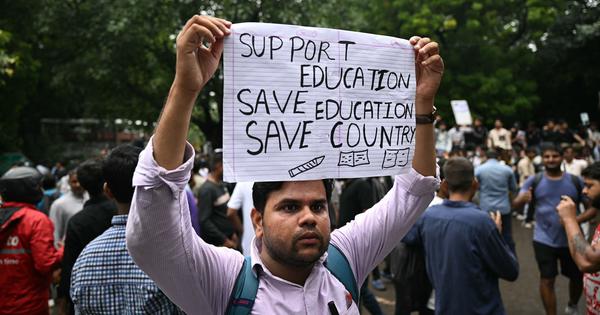
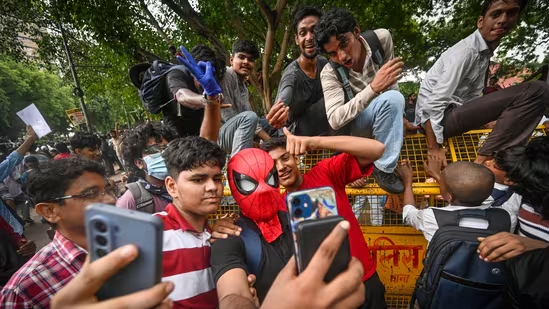
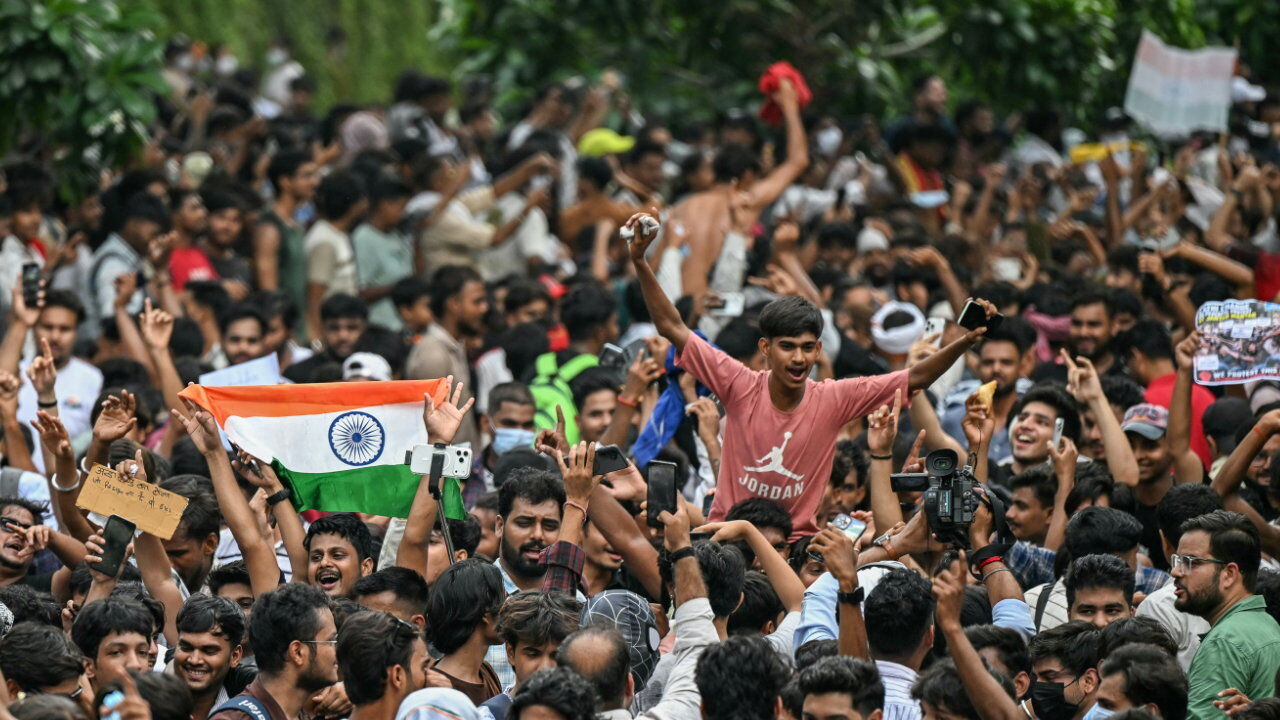
INDIA’S Gen Z uprising may not have swept away the government as it did in Bangladesh and Nepal, but it has certainly challenged an increasingly repressive system. Led by students and disgruntled youth, the protests — triggered by widespread allegations of leaked exam papers — grew into a mass movement. Demanding justice for the millions of students affected and for the reportedly dozens of suicides linked to the scandal, the protests, unprecedented in their scale, began in New Delhi and quickly spread to many parts of the country.
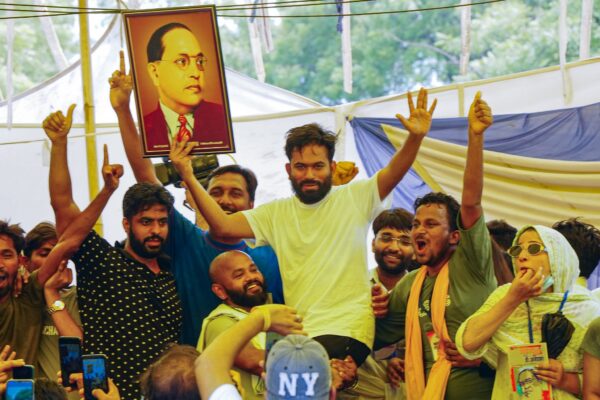
It soon turned into a wider democracy movement, drawing support from other sections of society. It is the most serious challenge the Modi government has had to face in its 12-year rule and has ripped open a fault line in the hard-line Hindu nationalist administration that has steadily eroded the secular character of Indian democracy. The protests forced the federal education minister to resign — a humiliating blow to Prime Minister Narendra Modi’s strongman image. Although the protests have now been called off, they have nevertheless shaken an increasingly authoritarian regime.
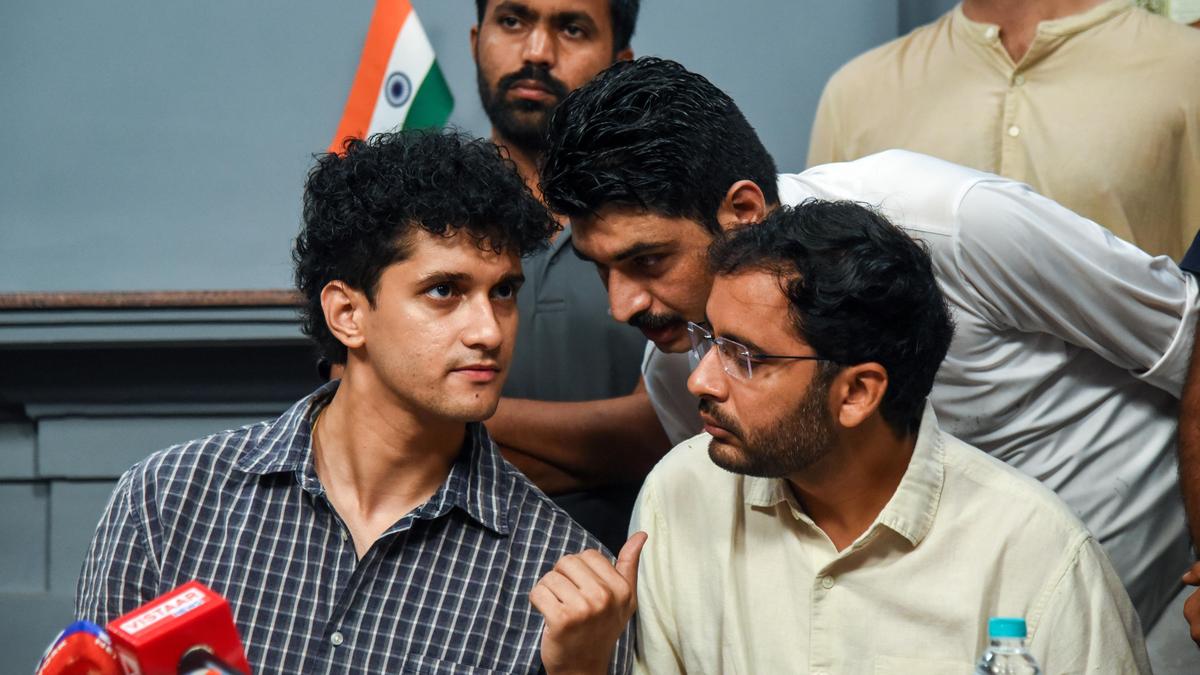
The Gen Z movement has upended India’s political landscape. The youth have rallied around a new political formation — the Cockroach Janta Party (CJP) — that sprang into existence only months ago in response to an insulting remark about the youth by the chief justice of India. Very soon, a platform pledging to fight injustice and defend the democratic rights of the people turned into a formidable opponent of the right-wing Hindu nationalist government.