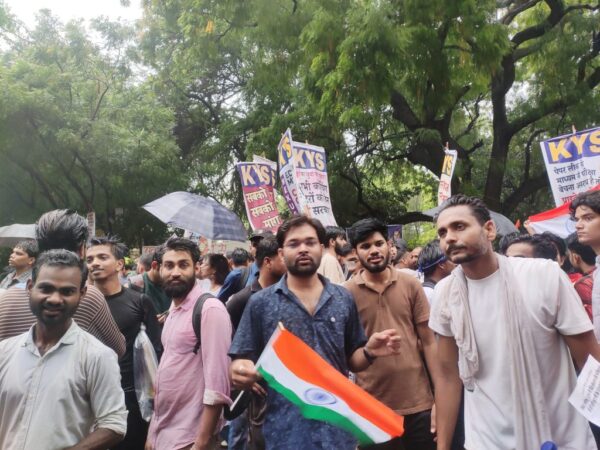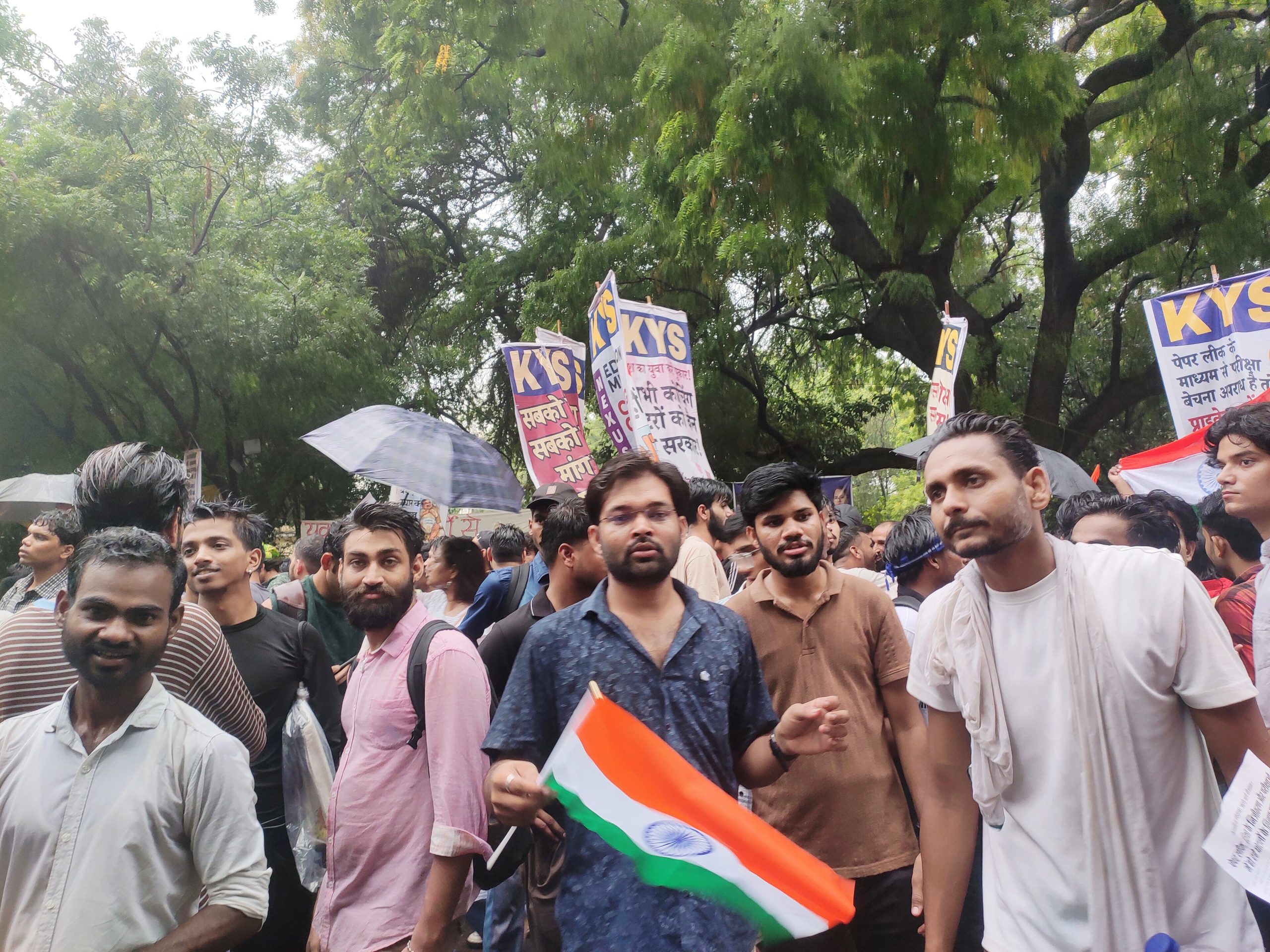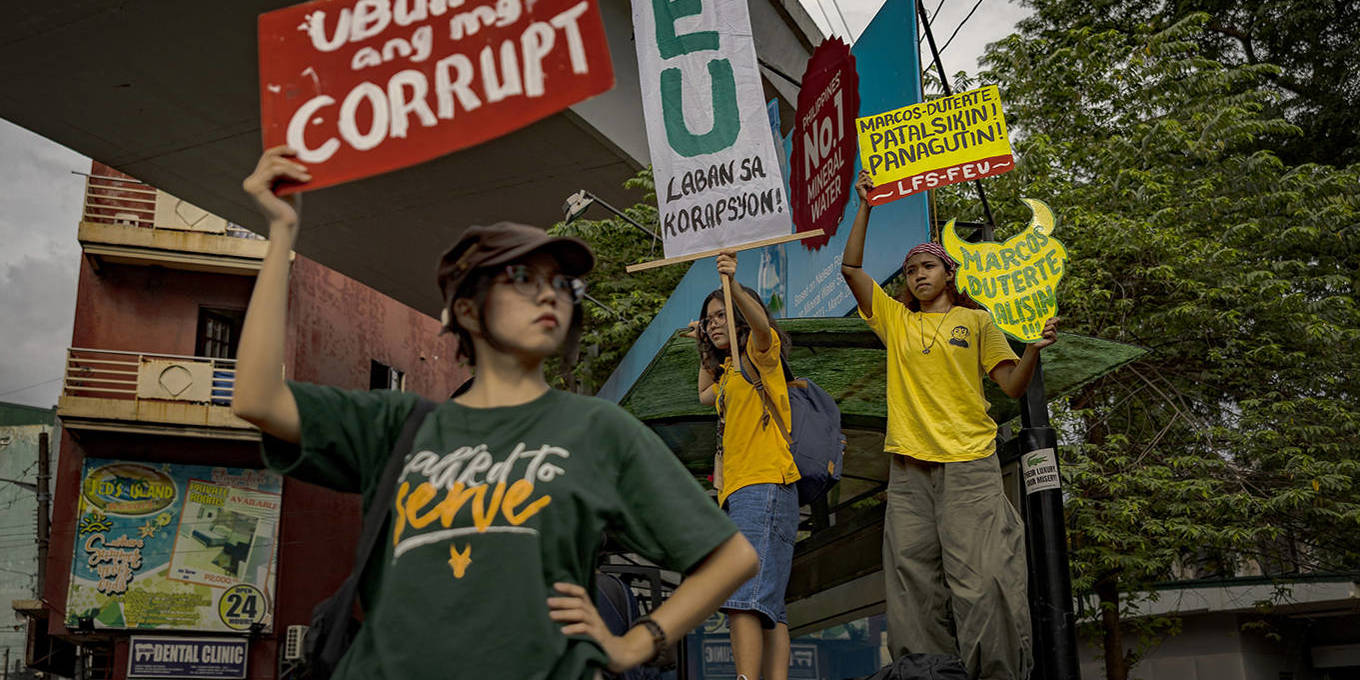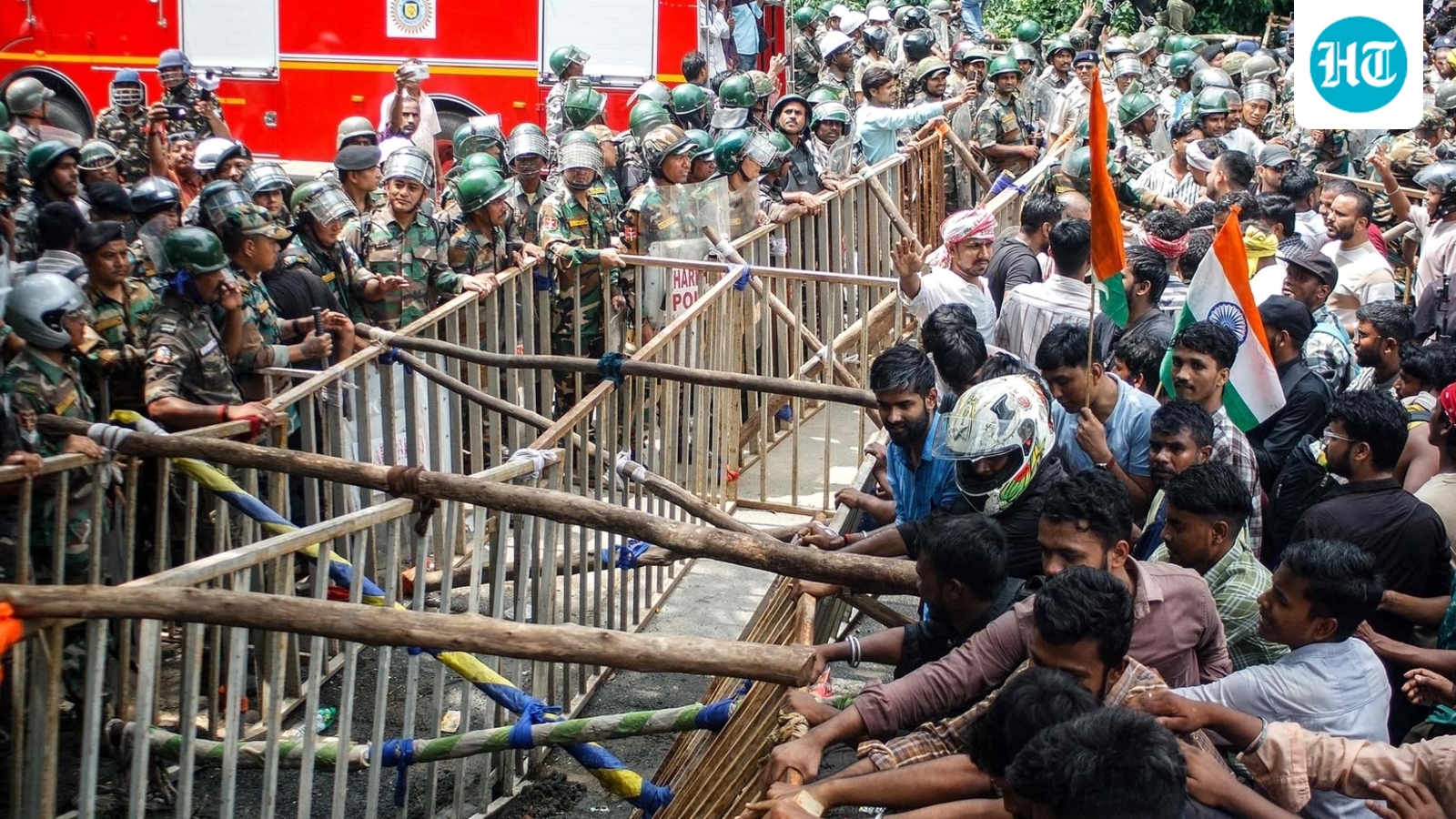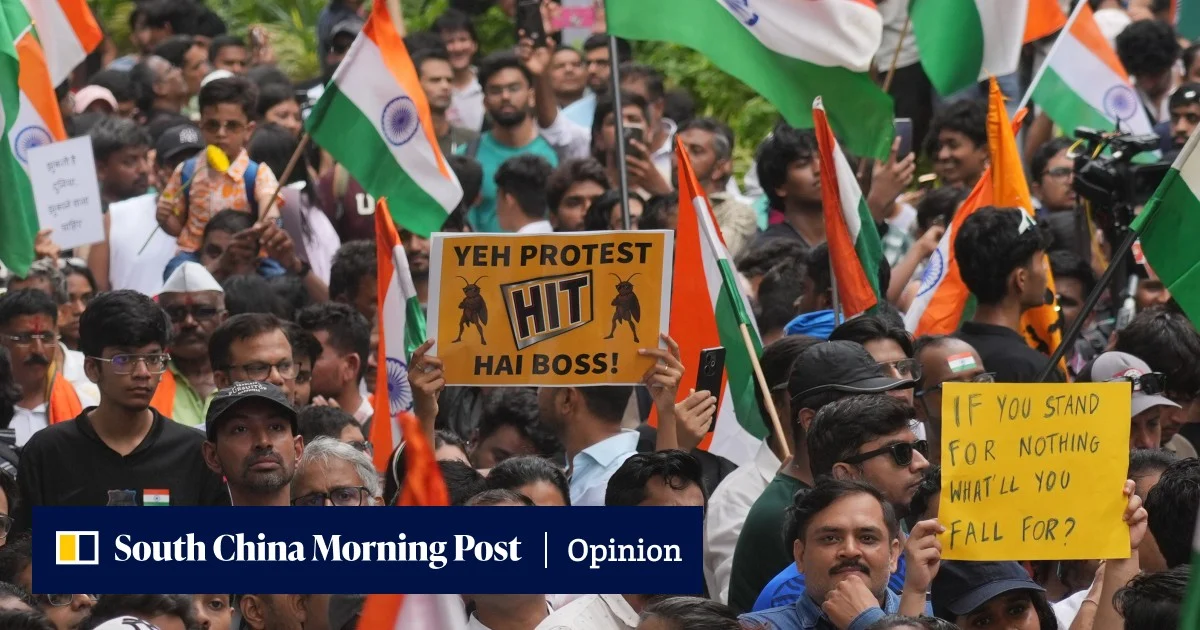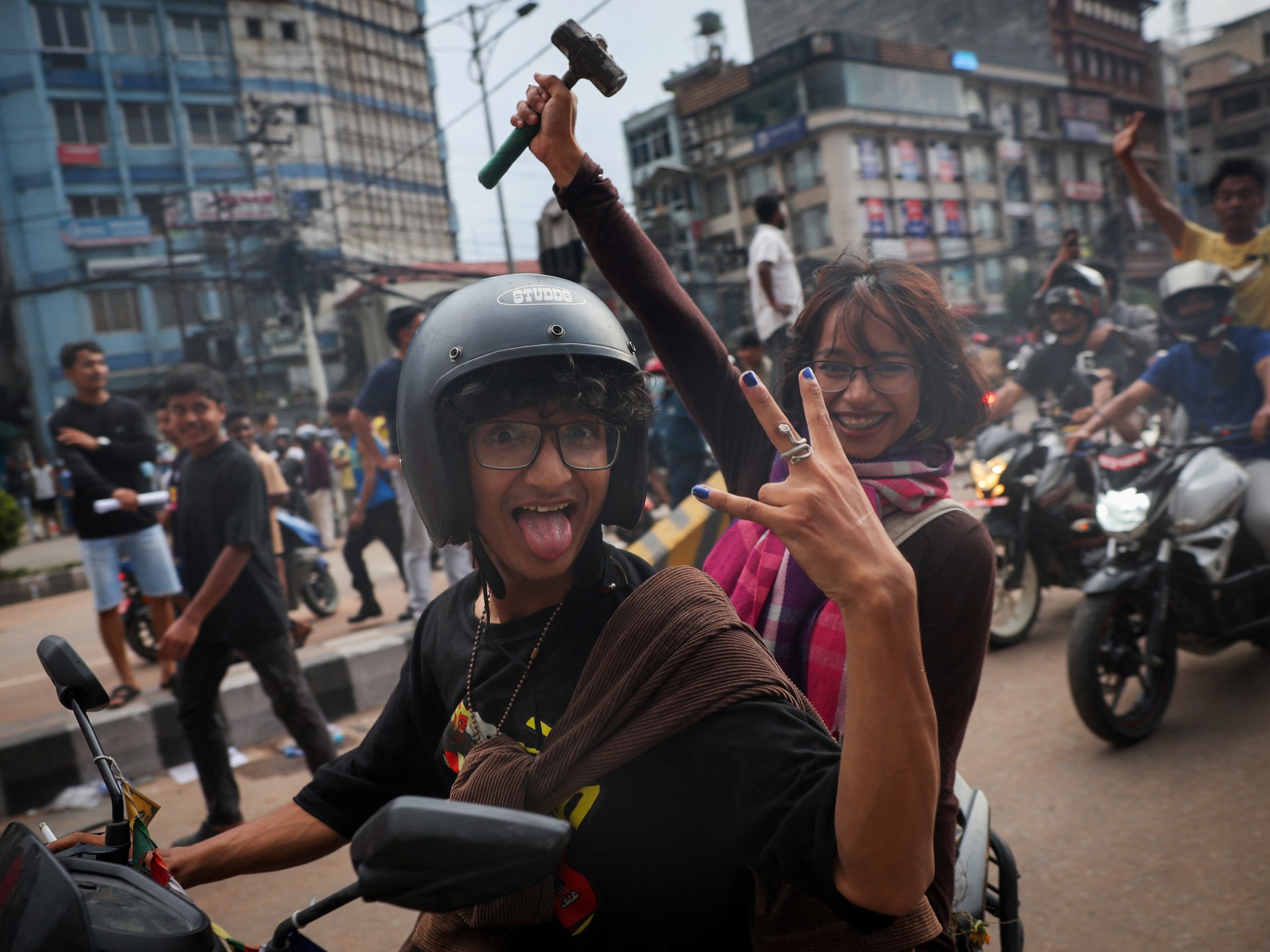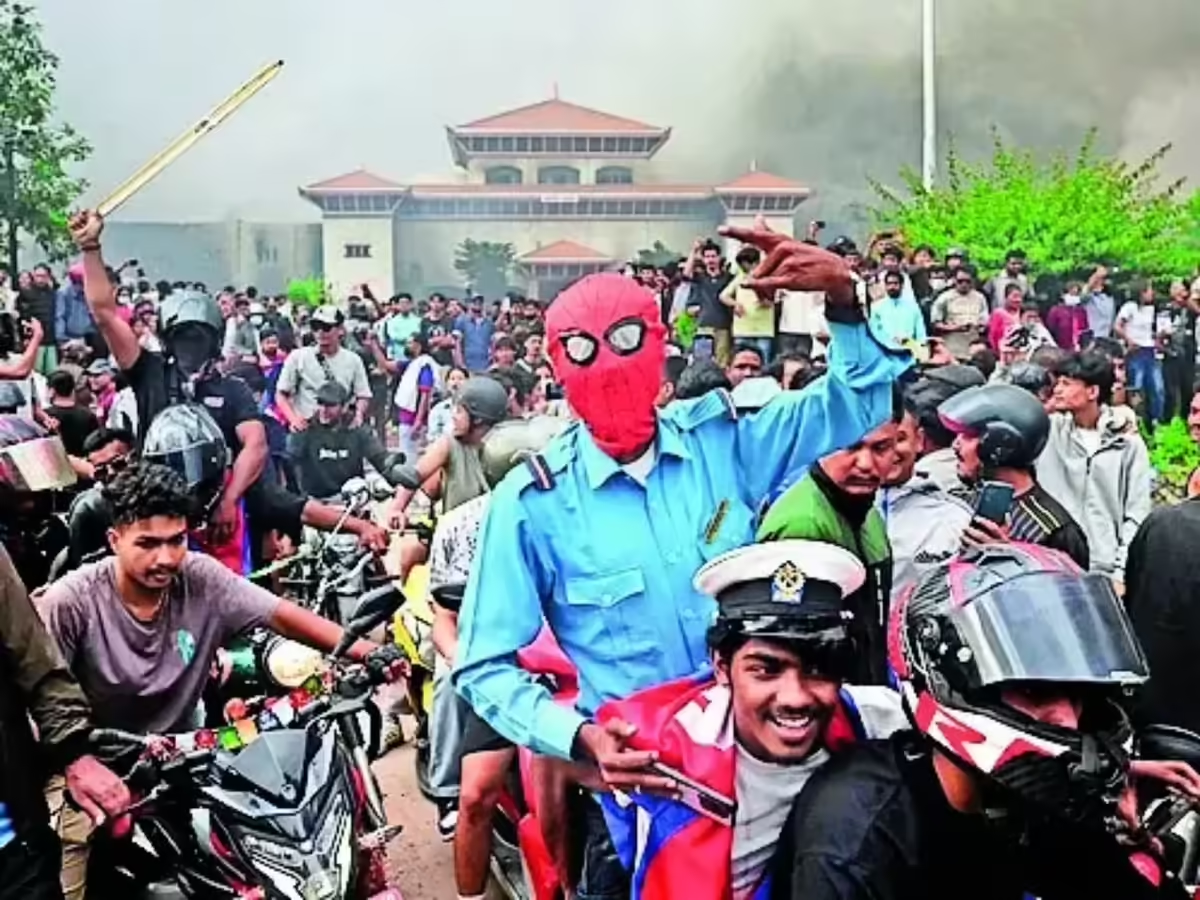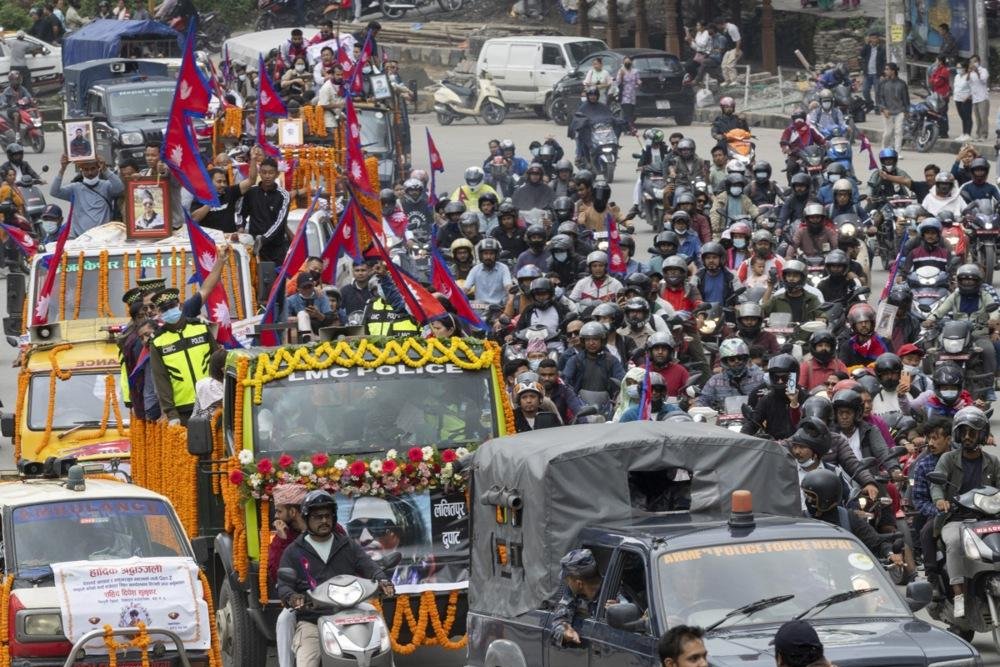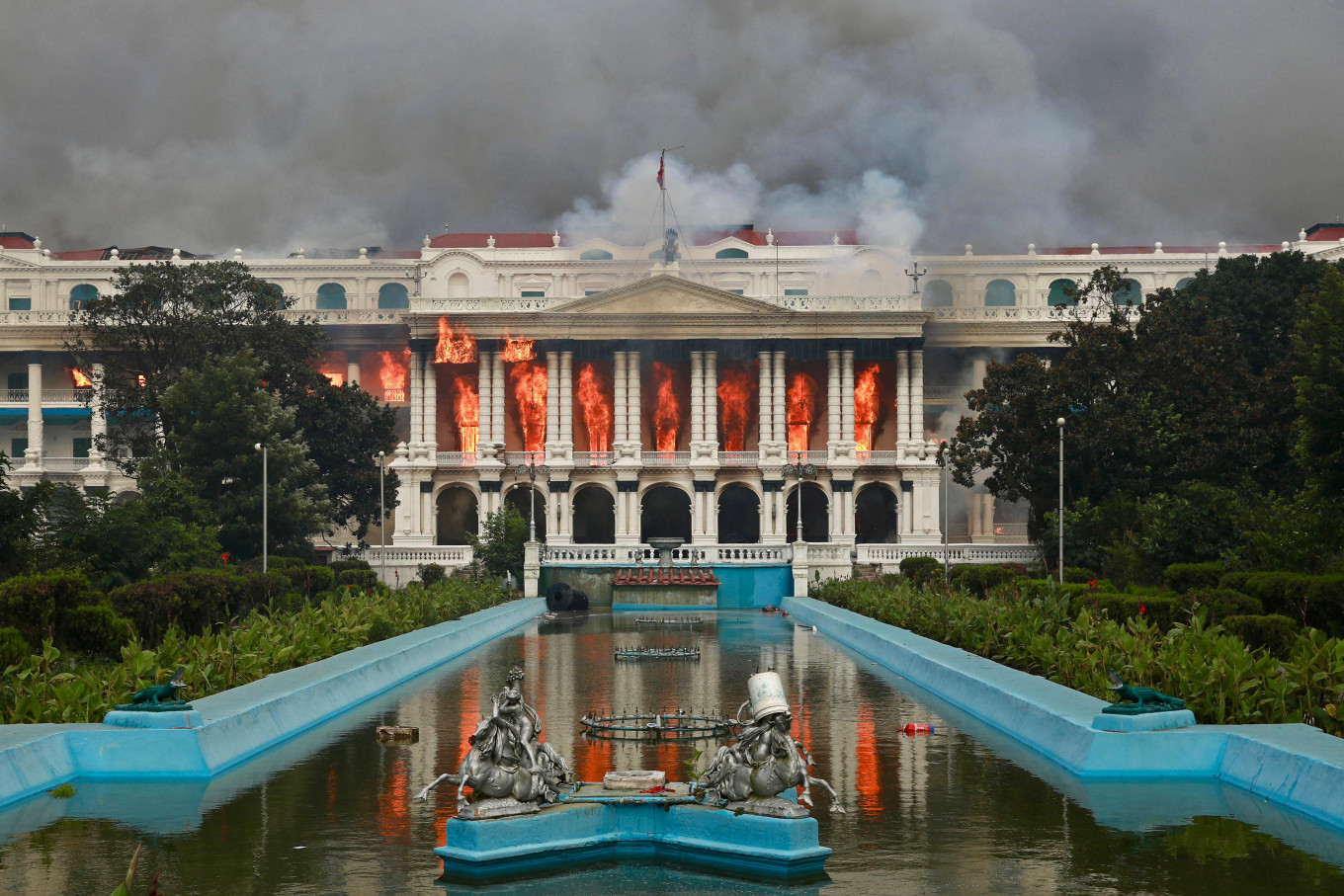
Recent Gen Z-led uprisings have reshaped political narratives across Asia, raising a pointed question: Can street-level youth outrage be transformed into governing power and lasting institutional change? Or does it burn out once the protests end?Digitally networked young protesters in Nepal, Bangladesh, Sri Lanka, Iran, Myanmar, the Philippines and, more recently, India have jolted citizens into confronting political cultures where corruption and nepotism were long accepted as unavoidable features of public life.
Yet the outcomes have diverged. In most cases, the protests reshaped public debate, forced concessions or toppled a leader without displacing the political establishment itself. Nepal is the exception.
Developments there since the Gen Z uprising of spring 2025 have gone further than anywhere else in the region: an entire political class was replaced in a single election, not just a government.
Nepal’s revolt was distinctly generational. Youth influencers turned into organizers and used viral hashtags to convert scattered frustrations into coordinated mass protest almost overnight. But beneath the digital coordination lay a deeper, older grievance: structural frustration over corruption, unemployment and elite impunity that had been building for years.