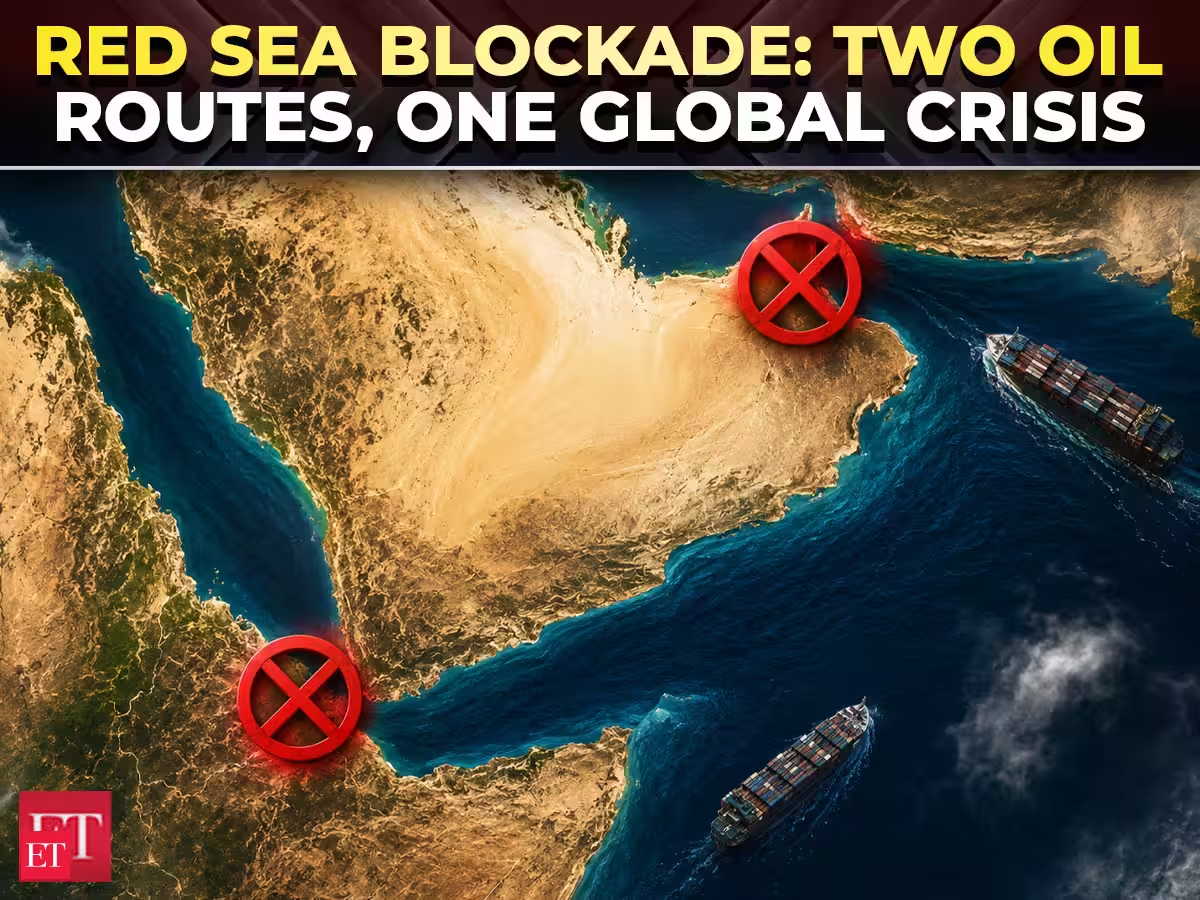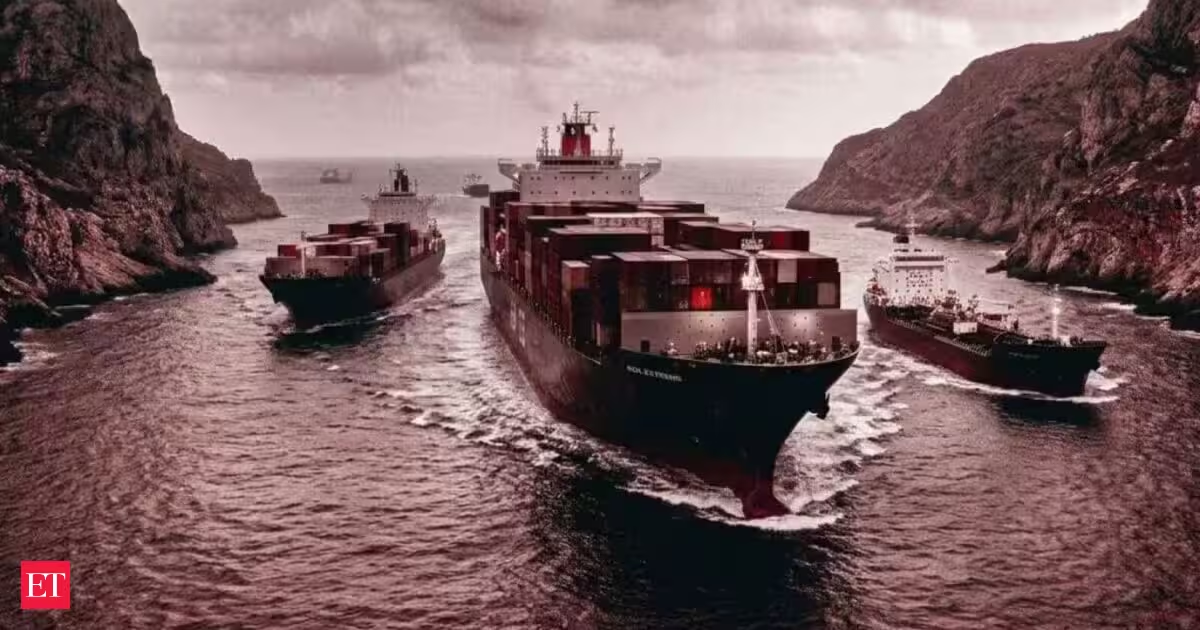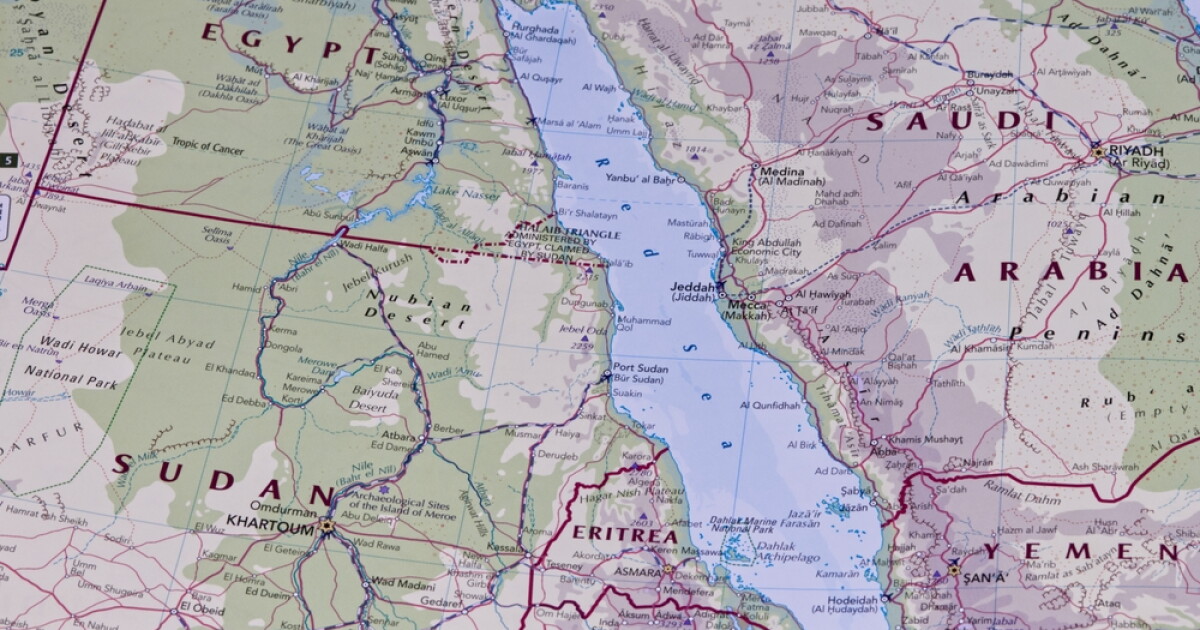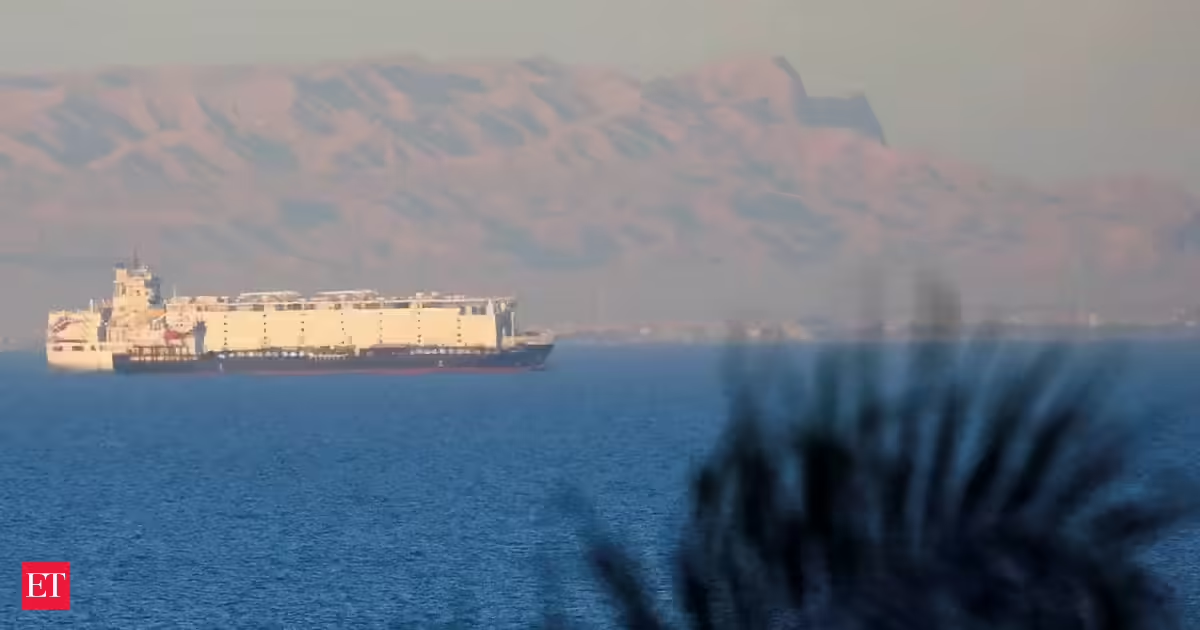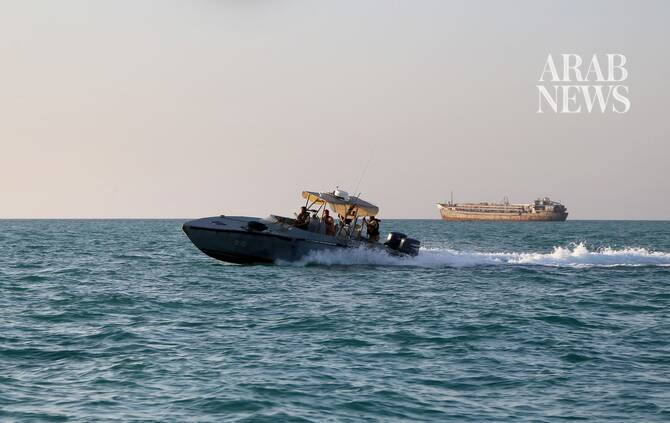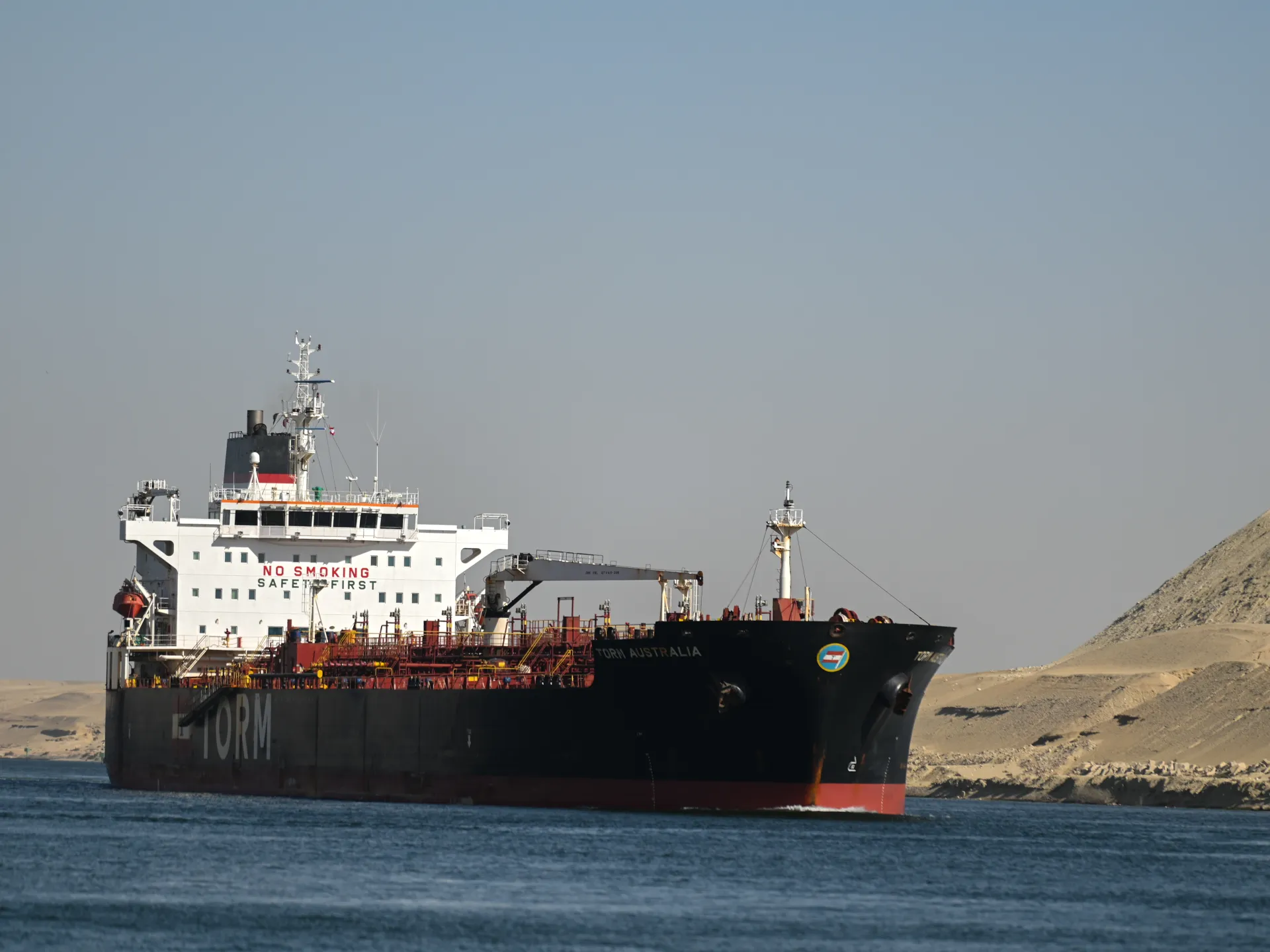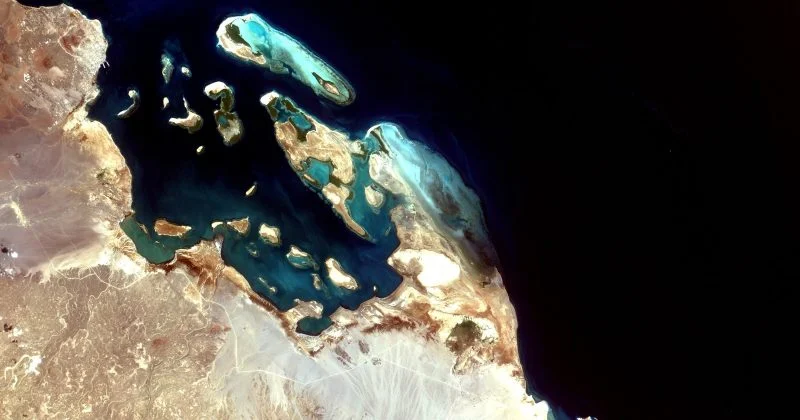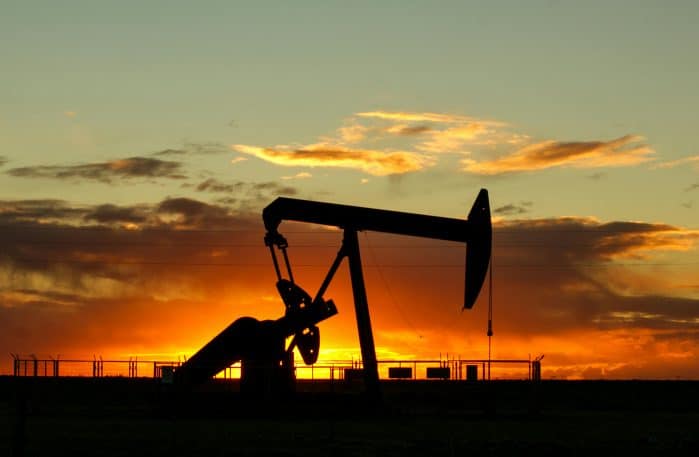
Asia is grappling with an escalating energy crisis as the Red Sea oil blockade, led by the Houthis, continues to disrupt Gulf oil shipments. The blockade, affecting the Bab el-Mandeb Strait, has forced diversions and slowed traffic, exacerbating the situation for Asian importers who heavily depend on Middle Eastern crude. The disruption comes at a time when the Strait of Hormuz is already compromised, leaving limited alternatives for Gulf exporters. This confluence of factors is increasing freight costs and prolonging delivery times for Asian nations, potentially influencing global oil markets.
Market pricing for crude oil reaching a new all-time high appears to reflect these developments. The probability of oil prices hitting a new peak by September 30 remains low at 6.2%, while the likelihood by December 31 is higher at 12.5%. These figures suggest that market participants may view the ongoing blockade and its impact on oil supply chains as significant, though not yet decisive enough to push prices to unprecedented levels.
Recent reports from major outlets such as Reuters and Bloomberg have highlighted OPEC production cuts and geopolitical tensions as consistent with YES outcome support. The increased global demand for oil, coupled with these logistical challenges, could further strain supply, potentially impacting future market expectations.